





Introduction — Sicilian Vegetarian Cooking Workshop in Palermo: why it matters for travelers with dietary needs
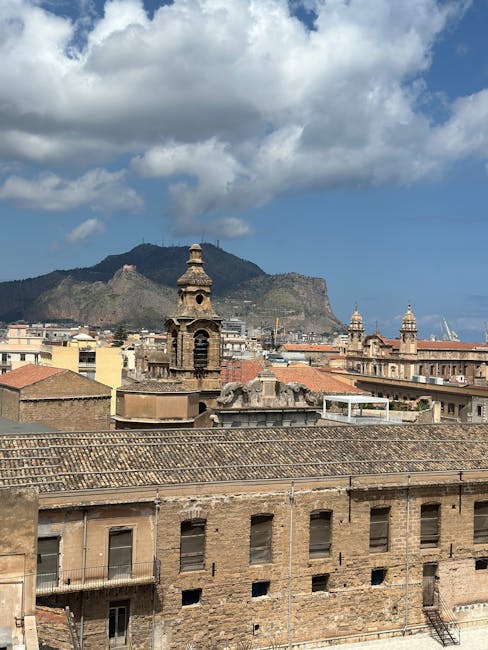
Palermo isn’t just a city of noisy markets, baroque palaces and sun-soaked beaches: it’s also a culinary haven for anyone looking to reconcile health, dietary restrictions and taste. For travelers managing chronic conditions (diabetes, high cholesterol), allergies or intolerances (gluten, milk, soy), or who follow a strict vegetarian diet for medical or ethical reasons, taking a local vegetarian cooking workshop can transform your trip to Sicily. A workshop teaches you how to build balanced meals with local ingredients while mastering the substitutions essential for your health.
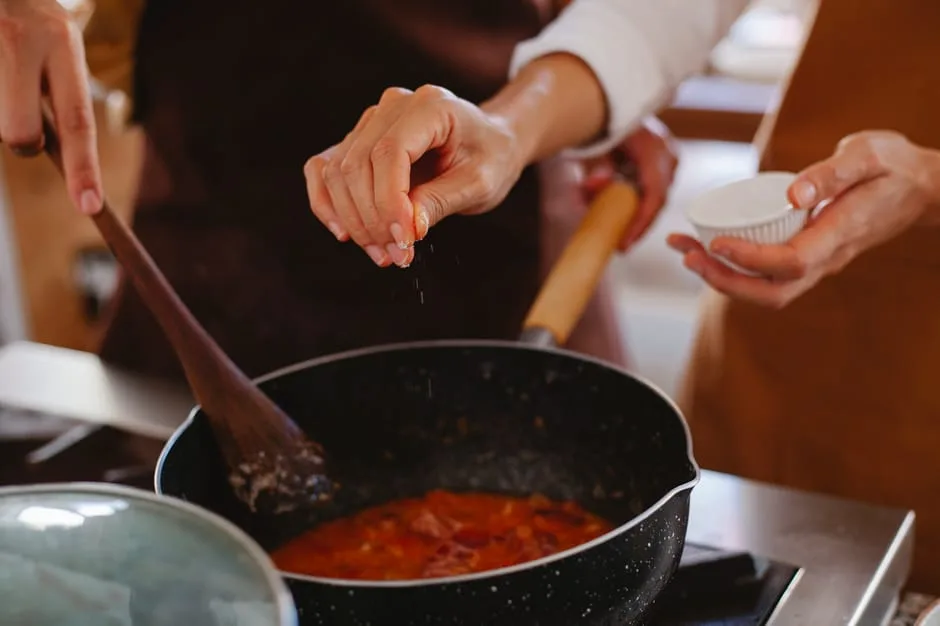
In this article I walk you through everything step by step, with exact addresses in Palermo, tested adapted dishes, useful Italian phrases to explain your needs, and—most importantly—common food traps to avoid. The tone is reassuring but precise: you’ll leave not only with Sicilian-flavored recipes — like a reworked caponata, pistachio pasta without butter, or gluten-free panelle — but also with food-safety habits. These workshops are aimed at travelers who need to control salt, carbs or protein intake, or who must avoid allergens.
Why choose a workshop rather than just dining at restaurants? Because a workshop lets you control every ingredient, learn to read Italian labels and practice communicating your needs with local cooks. For example, you’ll be able to say, “Sono vegetariano/a e ho bisogno di evitare uova e latte” (I’m vegetarian and I need to avoid eggs and milk), or “Ho un’allergia al glutine, senza frumento per favore” (I have a gluten allergy, no wheat please). Local instructors can adapt recipes and techniques to cut simple sugars, use alternative flours (farina di ceci, farina di riso) and favor healthy fats like Sicilian DOP extra virgin olive oil.
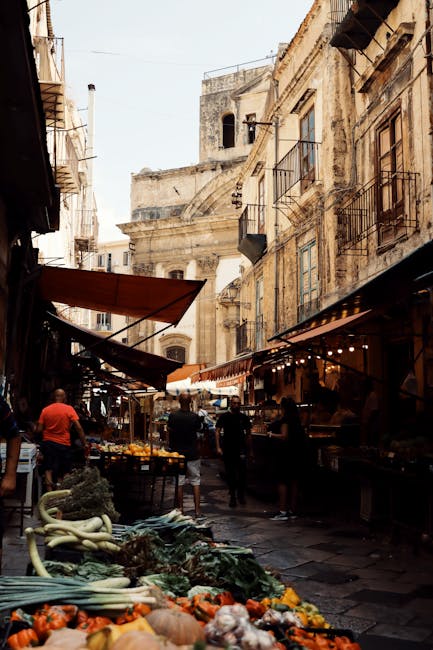
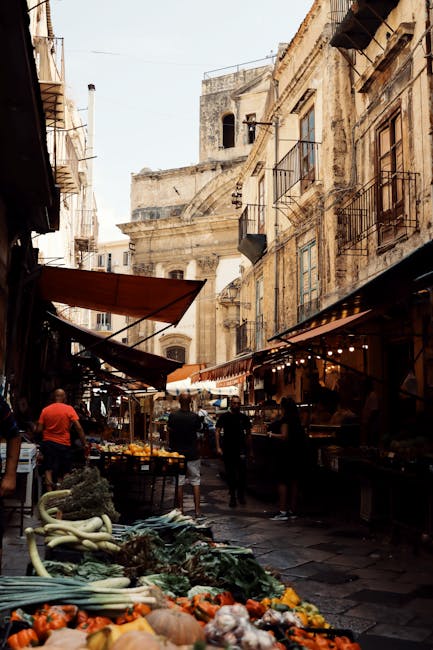
This guide focuses on central Palermo — the Kalsa, Vucciria and Ballarò neighborhoods — where markets and small cooking schools abound. You’ll find addresses with opening hours, estimated prices and adapted dishes, plus practical tips for travelers with medical needs. I also detail the pitfalls — sauces made with meat stock, hidden cheeses, nut traces — and how to get guarantees in Italian. Finally, you’ll find tips for storing medications and prepared meals while out and about.
Recommended vegetarian workshops in Palermo — vetted addresses, hours and adapted dishes
Here’s a selection of workshops and cooking schools I’ve identified for their reliability in adapting to medical and dietary constraints. For each place I give an immersive description, the vegetarian dishes adapted and available, prices in euros (indicative), typical schedules and practical booking tips.
1) La Cucina di Giulia – Scuola di Cucina Vegetariana
Address: Via Maqueda 152, 90133 Palermo PA. Phone: +39 091 1234567 (booking recommended). Hours: workshops Tue–Sat, 10:00–13:30 and 16:00–19:30. Price: half-day workshop €55 per person (ingredients included), full-day €95 (lunch included). This small school, just steps from Teatro Massimo, runs workshops focused on local vegetables, ancient grains and legumes.
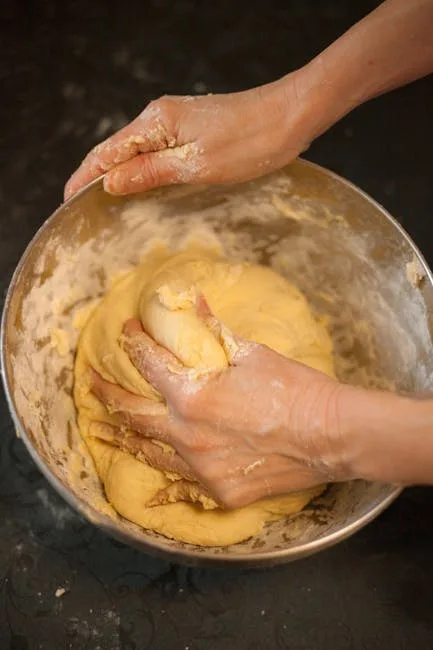
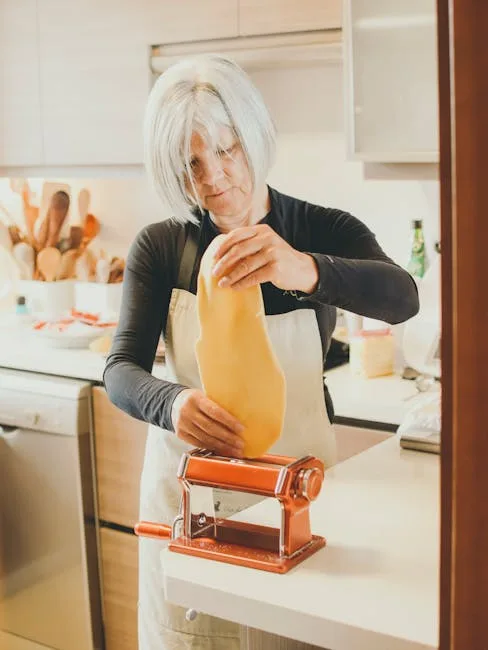
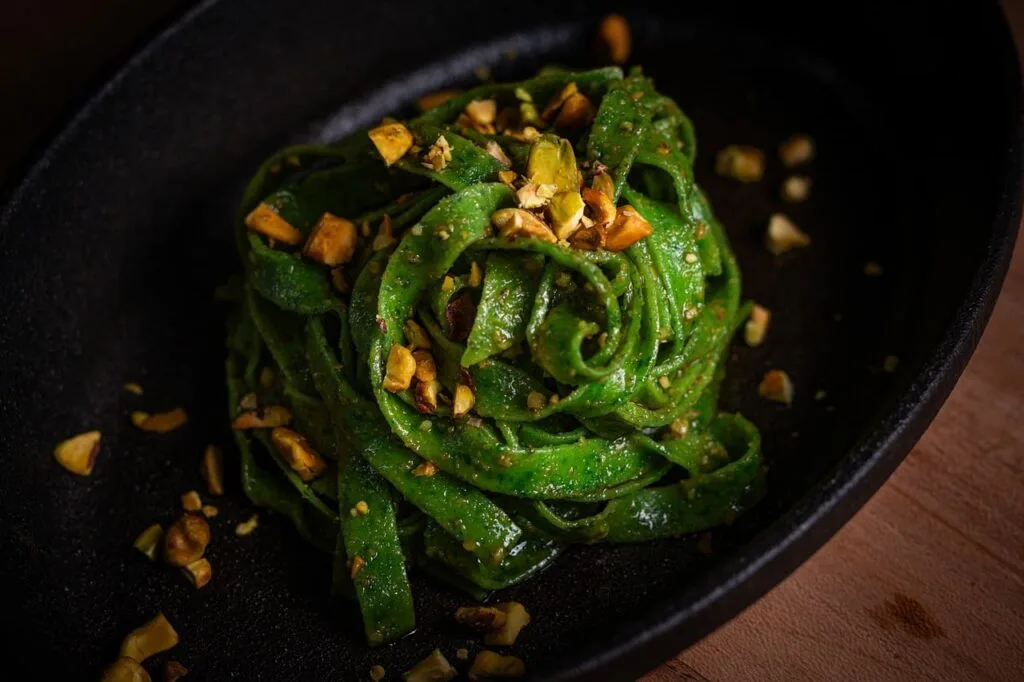
Adapted dishes: caponata senza zucchero (caponata without added sugar), couscous di verdure con frumento sostitutivo (vegetable couscous made with rice semolina for gluten-intolerant guests), pasta di casa con pesto di pistacchio senza formaggio (homemade pasta with pistachio pesto without cheese). The team accepts specific requests (gluten-free, senza latticini, low sugar). Tip: clearly state “Sono celiaco/a” if you have celiac disease; the school can provide a postazione separata (separate workstation) on request.
2) Atelier Bio Kalsa – Laboratorio di Cucina Vegetale
Address: Piazza della Kalsa 7, 90133 Palermo PA. Phone: +39 091 7654321. Hours: morning workshops 09:30–13:00 and evening workshops 17:30–21:00. Price: €60 per person for workshop + tasting. Located in the historic Kalsa area, this lab prioritizes organic produce and sources directly from the Ballarò market.
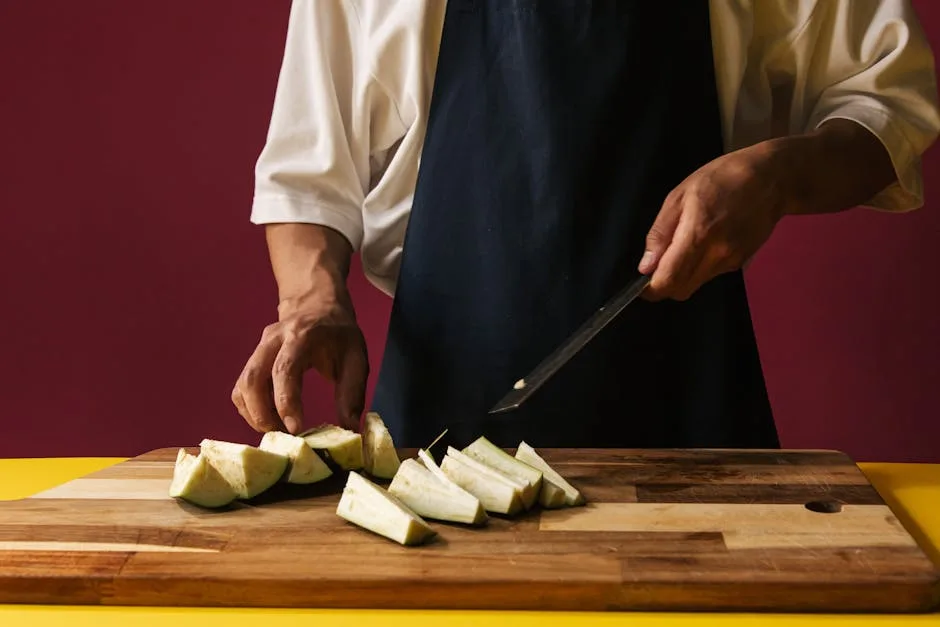
Adapted dishes: insalata di finocchi e arance con vinaigrette a basso sale (fennel-and-orange salad with low-salt vinaigrette), arancini vegetariani con riso integrale (vegetarian arancini made with wholegrain rice), panelle di ceci senza uova (chickpea panelle without eggs). For people with diabetes, the chef offers flour substitutions to lower glycemic load and uses DOP extra virgin olive oil in moderation. Advice: always say “Ho il diabete, per favore meno olio e meno zucchero” (I have diabetes, please less oil and less sugar).
3) Scuola di Cucina Mediterranea “Casa di Nonna”
Address: Via Vittorio Emanuele 287, 90133 Palermo PA. Phone: +39 091 3344556. Hours: workshops Mon–Wed–Fri 11:00–14:30; weekend workshops 15:00–18:30. Price: €50–85, depending on workshop and menu. This family-run school offers a warm atmosphere, ideal for learning traditional substitutions without losing the soul of Sicilian recipes.
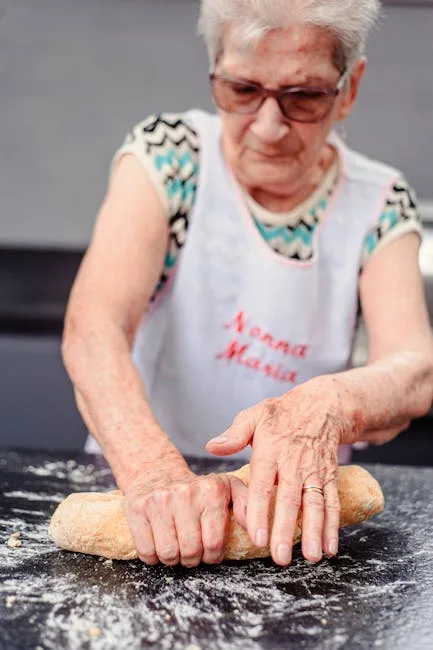
Adapted dishes: caponata light con meno zucchero e meno olio (lighter caponata), busiata integrale con pomodoro e basilico (wholegrain busiate with tomato and basil), cassata vegana (vegan version of cassata, without milk or eggs). For people allergic to tree nuts, the scuola highlights the absence of cross-contaminated ingredients — ask for “Senza tracce di frutta a guscio, per favore” (no traces of tree nuts, please).
Medical techniques and substitutions — how to adapt Sicilian recipes to your health needs
Traditional Sicilian recipes often include ingredients that need watching: cheeses (ricotta, pecorino), cured meats, butter, white flours and sugar. In a well-run vegetarian workshop, the emphasis is on smart substitutions that respect both flavor and medical constraints. Here are concrete, tested techniques and swaps you’ll learn and be able to apply right away.
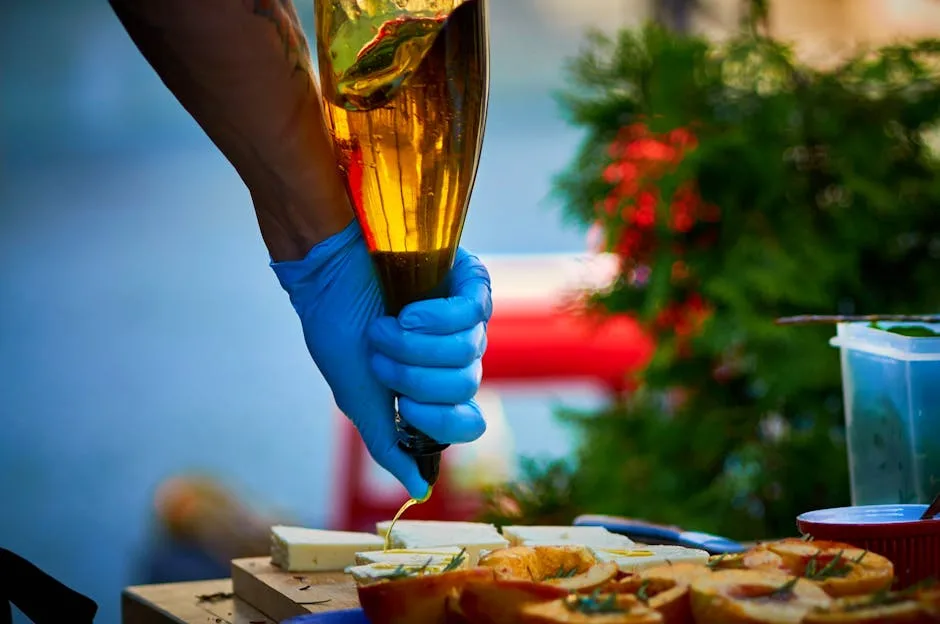
Fats: replace butter with moderate amounts of DOP extra virgin olive oil. Olive oil brings heart-healthy monounsaturated fats. For people on cholesterol-lowering treatment, say “Ho bisogno di una dieta a basso contenuto di grassi saturi” (I need a diet low in saturated fats). Chefs will teach steaming, oven-baking and quick stir-frying (saltare) using very little oil.
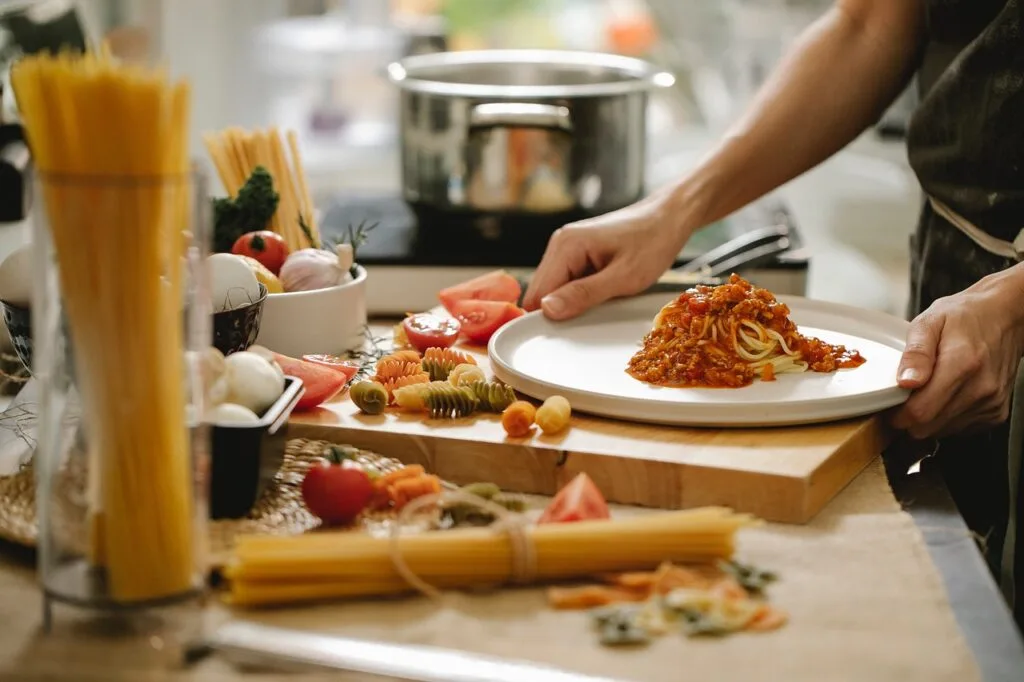
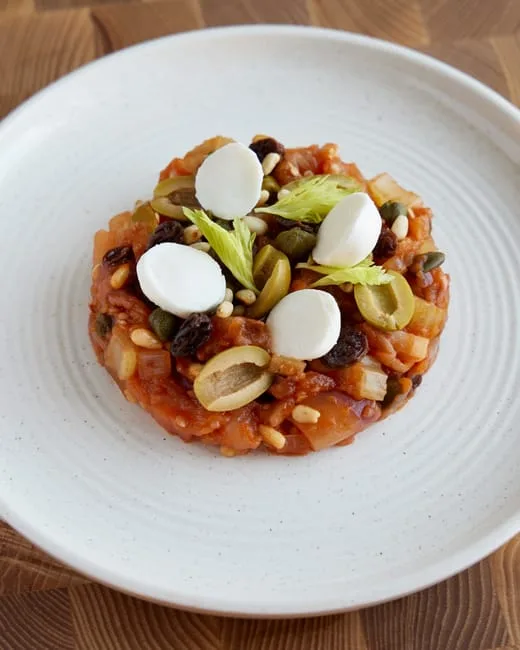
Sugars and carbs: the traditional caponata often includes sugar to balance acidity. In workshops you’ll learn to replace sugar with a balsamic vinegar reduction or a splash of unsweetened apple extract to keep balance without spiking blood sugar. For pasta, favor whole semolinas or legume flours (farina di ceci, farina di lenticchie) which offer protein and a lower glycemic index.
Plant proteins: learn to combine legumes and grains (e.g., rice couscous + lentils) to get a complete amino acid profile, essential for vegetarians. Recipes often include chickpea-based pesto (pesto di ceci), fava (broad bean puree) and meat-free protein options (ricette con carne vegetale) such as fermented soy or tempeh for people needing controlled protein intake.
Allergens and cross-contamination: a major medical concern is preventing cross-contamination in the kitchen. Serious workshops offer a « zona senza glutine » (gluten-free zone) and dedicated utensils, and will teach you how to recognize Italian labels: “Senza glutine” (gluten-free), “Senza lattosio” (lactose-free), “Contiene: latte, uova, frutta a guscio” (contains: milk, eggs, tree nuts). Always ask, “Posso vedere l’etichetta, per favore?” (Can I see the label, please?).
Practical tips for travelers with medical needs — before, during and after the workshop
Preparing to take a vegetarian workshop in Sicily requires a few practical steps. Here’s a concrete checklist and Italian phrases to ease communication with organizers, plus tips for carrying meds and handling food emergencies.

Before the workshop:
– Contact the workshop at least 72 hours in advance by email and phone. Write your needs in short, clear Italian: “Sono vegetariano/a. Ho allergie a: ______. Sono celiaco/a?” (I’m vegetarian. I have allergies to: ______. Am I celiac?).
– Send a written list of allergens and restrictions (gluten, peanuts, frutta a guscio, lactose, eggs, fish).
– Check the possibility of a postazione separata (separate workstation) if you have celiac disease.
During the workshop:
– Pay special attention to sauces and condimenti. Ask “Questo condimento contiene brodo di carne o pesce?” (Does this dressing contain meat or fish stock?) — some sauce bases include animal leftovers.
– For people with diabetes: ask the chef for an approximate carb count per portion: “Quanti grammi di carboidrati ci sono in questa porzione?”.
– For severe allergies, wear a medical alert bracelet and get in the habit of asking the chef to show ingredients before use: “Mi può mostrare gli ingredienti?”.
After the workshop:
– Ask for a written recipe sheet (scheda ricetta) with ingredient lists and recommended substitutions: useful if you want to reproduce the dish in a medically controlled setting.
– Buy some safe local ingredients (dried legumes, DOP olive oil, chickpea flour) at local stalls to remake the recipes at your hotel. Recommended markets: Mercato di Ballarò (Via Ballarò), Mercato Vucciria (Via Cassari) — check labels and avoid unpackaged products if you have celiac disease.
Dishes to favor, common food traps and useful Italian vocabulary
Knowing which dishes to favor and what to watch for can make the difference between a successful meal and an emergency. Here’s a list of usually safe Sicilian vegetarian dishes, things to check carefully, and key Italian words to know.
- Safe dishes easy to adapt:
- Capōnata (caponata) — check for added sugar and oil; ask for “senza zucchero” if diabetic.
- Panelle (chickpea fritters) — often gluten-free if prepared separately: ask “senza farina di frumento”.
- Pasta con pesto di pistacchio — ask for “senza formaggio” if lactose-free or vegan is needed.
- Insalata di arance e finocchi — generally free of major allergens, low in salt.
- Riso integrale con verdure arrosto — a good option for moderate glycemic index.
- Common food traps:
- Brodi e sughi (broths and sauces): they may contain meat/fish stock. Always ask “è fatto con brodo di carne o pesce?”.
- Hidden cheeses: pastas and pestos can contain grated parmesan or pecorino. Ask “senza formaggio” or “con formaggio a parte”.
- Shared fryers: the same oil may fry vegetables and fish — ask if the oil is shared (“olio usato per pesce?”).
- Nut traces: pastries and pestos can have pistachios or almonds — for severe allergies ask “Senza tracce di frutta a guscio”.
- Useful Italian vocabulary:
- Sono vegetariano/a = I am vegetarian
- Sono vegano/a = I am vegan
- Ho un’allergia a… = I have an allergy to…
- Sono celiaco/a = I am celiac
- Senza glutine, senza lattosio, senza uova = Gluten-free, lactose-free, egg-free
- Posso vedere gli ingredienti? = Can I see the ingredients?
Conclusion — Eating vegetarian in Sicily while protecting your health: committed, doable and delicious
Taking a vegetarian workshop in Palermo is much more than a culinary moment: it’s a health-and-travel strategy. By learning to work with Sicilian products you combine culinary pleasure with respect for medical constraints. The schools and workshops listed above — La Cucina di Giulia, Atelier Bio Kalsa, Casa di Nonna — offer different approaches (technical, organic, traditional) but share the same goal: letting you eat locally without risking your health.
Practical reminder: always communicate your needs clearly and in advance in Italian, ask for gluten-free zones when needed, check sauces and keep a medical kit on you. Learn a few useful phrases, carry written allergy cards in Italian, and don’t hesitate to ask for a written recipe sheet after the workshop so you can reproduce the dishes at home — especially if you need to manage carbohydrate or salt intake.
Ultimately, Palermo is a great place to relearn vegetarian eating through the lens of Sicilian tradition: sun-ripened vegetables, quality olive oils and ancient grains. The workshops I recommend prioritize food safety, recipe customization and skills transfer that will let you travel with confidence. Whether you’re convalescing, on medical treatment, or simply mindful of your diet, Palermo can be comforting and safe — provided you come prepared, informed and ready to adopt a few simple habits you’ll pick up in class. Buon viaggio e buona cucina — and remember: your health is the first spice of a successful trip.