





Introduction — Why a masterclass on traditional sauces and condimenti in Palermo
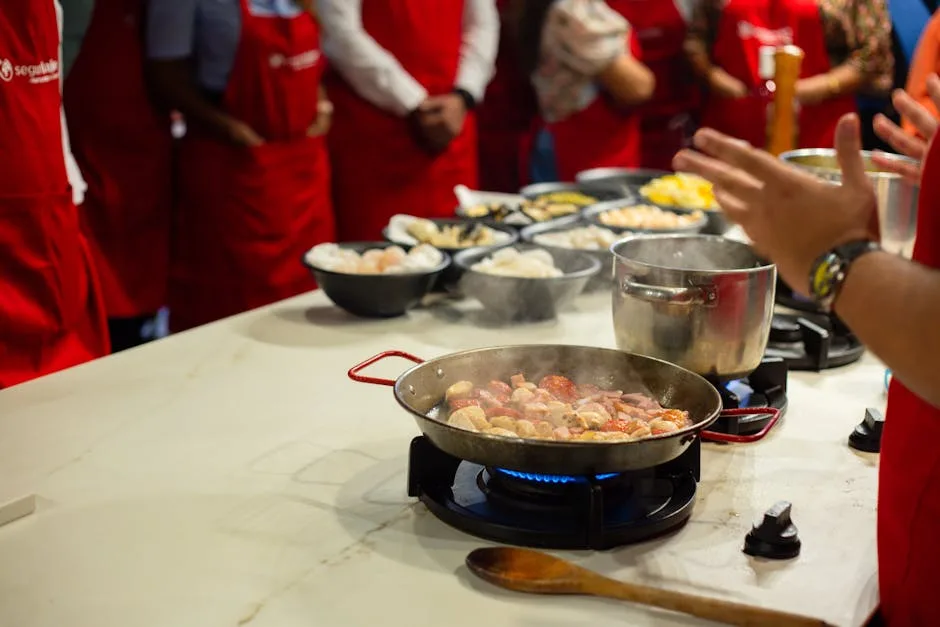
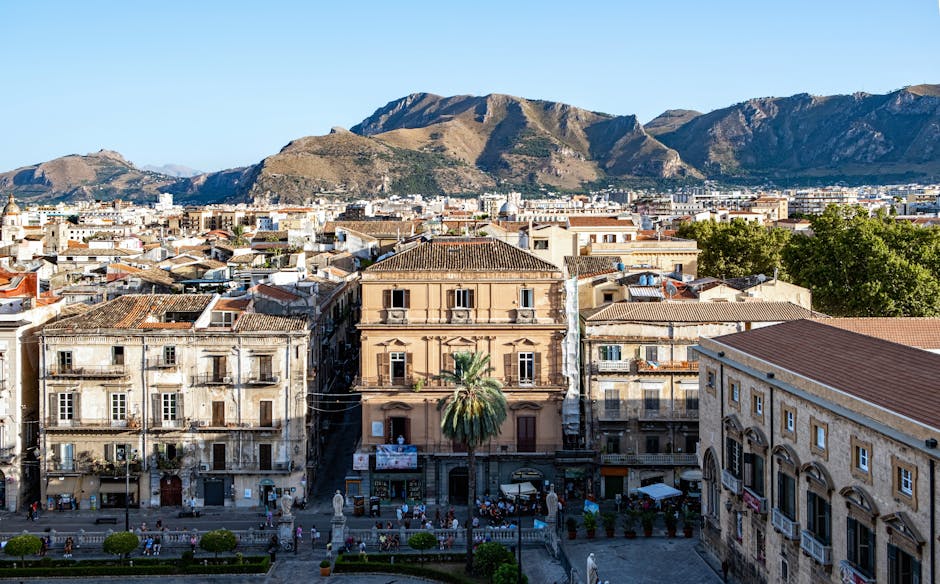
Palermo is a city that breathes through its food. At the crossroads of Mediterranean cultures, it has inherited an extraordinarily rich culinary repertoire of sauces, condimenti and accompanying preparations that define Sicilian flavor. A masterclass focused specifically on traditional sauces and condimenti, held in Palermo, is more than a cooking workshop: it’s an immersion in history, the market, the aromas and the stories of people who still live by recipes handed down through generations.
This guide is written for the curious traveler, the home cook and the professional seeking inspiration: it shows where to take a masterclass, how to choose the best option, which sauces and condimenti you absolutely must master (from salsa alla trapanese to almond pesto, through caponata, warm burrata sauces and preserved sea urchin), and how to complement lessons with visits to markets, delis and iconic restaurants. We’ll also give exact addresses, prices in euros, typical schedules, immersive descriptions of venues, and practical local tips to get the most from your learning experience in Palermo.
Why focus on sauces and condimenti? Because in Sicily the essence of a dish often lies in its accompaniment: an acidic, salty or sweet-salty sauce can turn simple pasta, grilled fish or a slice of pane cunzato into a memorable experience. Sicilian condimenti use local ingredients (Pachino tomatoes, Pantelleria capers, Avola almonds, Sicilian citrus) and techniques that are simple but precise (toasting pistachios, desalting anchovies, slow reductions of passata). Learning these gestures and combinations in Palermo means adopting not only recipes but a whole flavor logic.
This guide includes several detailed sections: where to find the best markets and suppliers (with addresses: Mercato di Ballarò, Mercato del Capo, Vucciria), which masterclasses to pick (school courses, private workshops with local chefs, market-based hands-on sessions), step-by-step descriptions of must-know sauces and how to adapt them to your taste, and recommendations for restaurants and shops to taste and buy authentic condimenti. You’ll find precise information: full addresses, opening windows, average prices in euros, and local tips to plan your stay and make the most of each lesson.
Throughout the text expect immersive descriptions: the cacophony of vendors at the mercatto, the smell of frying oil and basil, the sight of a wooden mortar grinding pistachios and garlic, or the striking texture of a rustic mortar-made salsa. We also include practical markers (difficulty level, recommended tools, workshop duration) to help you choose the masterclass best suited to your schedule and culinary goals.
1. Train in the heart of the market: historic markets and market-to-table workshops
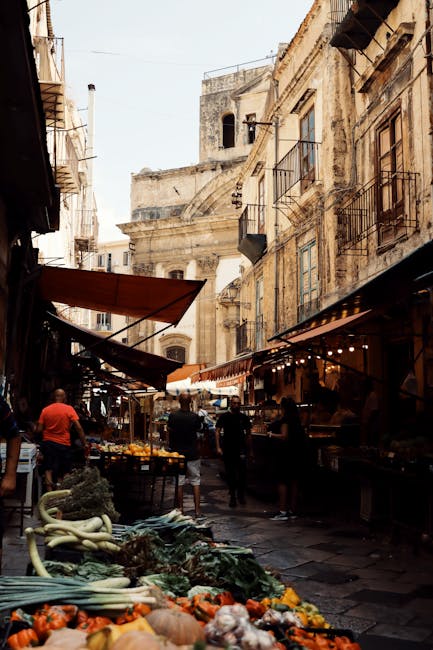
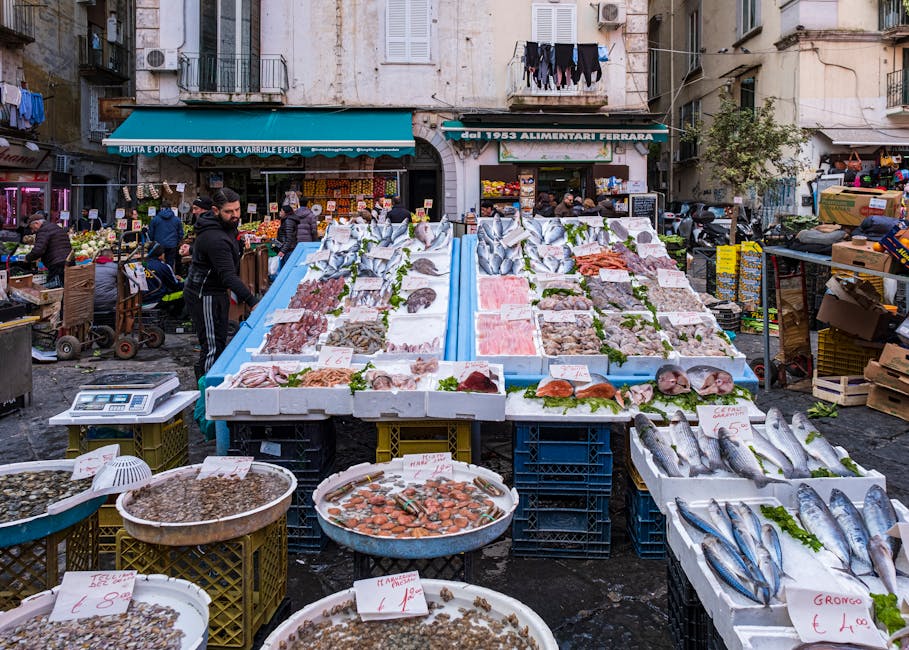
A masterclass on sauces and condimenti in Palermo ideally starts with a market visit. Two markets are essential: Mercato di Ballarò (Via Ballarò, 90134 Palermo) and Mercato del Capo (main entrances around Via Beati Paoli, 90133 Palermo). These places offer a sensory immersion: colors, noise, textures and a palette of local ingredients that shape Sicilian sauces. Market-to-table workshops offered by several local schools always begin with sourcing — San Marzano and Pachino tomatoes, Pantelleria capers, salted anchovies, purple eggplants, Avola almonds and pistachios — then selecting fresh produce for immediate preparation of the condimenti.
Sample format: “Market & Masterclass: Sauces of Palermo,” offered by a local partner school (advance booking recommended). Typical flow: meet at Mercato di Ballarò at 09:00 then a cooking class 10:30–13:30 in a nearby teaching kitchen (example address: Via Maqueda 326, 90133 Palermo). Indicative price: €95 per person (includes tuition, ingredients, tasting, printed recipes). Good to know: the market visit is interactive — you’ll learn basic bargaining in Italian, how to judge a product’s freshness, and which tomato size is best for homemade passata.
Market hours: Mercato di Ballarò runs 07:00–14:00, Monday to Saturday (mostly closed Sunday). Mercato del Capo is busiest 07:00–13:00, Monday to Saturday; some stalls stay open in the afternoon during high season. Recommended vendors: the fruit stall of “Famiglia Russo” on Via Ballarò (stand number varies) for Pachino tomatoes, and “Pescheria di Totò” for fresh fish (look at the label and take a sniff).
Local tips: go early — 08:00–09:30 is the best window to enjoy a less crowded market and have proper chats with vendors. Bring a reusable bag, a small notebook to jot down local names (in Sicilian dialect), and plan €10–20 to buy a few ingredients to take into the class. Vendors appreciate compliments about quality; a simple “Che bel pomodoro!” often opens the door to extra tips.
2. Must-know sauces and condimenti: recipes, techniques and variations
A proper masterclass covers a range of sauces and condimenti that express Sicily: salsa alla trapanese, pesto di mandorle (pesto alla trapanese being a cousin of Genovese pesto but with almonds and tomatoes), caponata agrodolce, Sicilian salsa verde, condimento per le sarde (sardine sauce with vinegar and wild fennel), and the indispensable passata and preserving techniques. Below you’ll find detailed descriptions of each preparation, the key technique and variations to try.
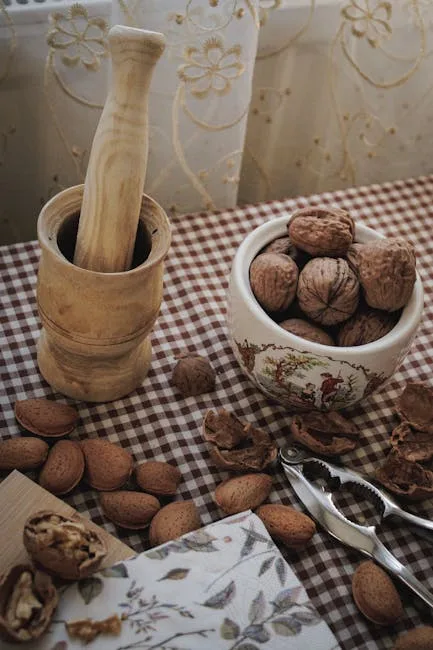
Salsa alla trapanese — Origin: Trapani, western coast. Typical ingredients: peeled Pachino tomatoes, toasted Avola almonds, garlic, basil, extra-virgin olive oil, salt, pepper and breadcrumbs (sometimes). Technique: almonds are lightly toasted to bring out aroma, then ground in a mortar or food processor, adding blanched, peeled tomatoes. Texture: rustic, slightly coarse but emulsified. Uses: ideal on busiate or spaghetti, also on crostini as a condiment for oily fish. Local variation: add lemon zest for brightness.
Pesto di mandorle — Similar to the trapanese but without tomato, more concentrated. Ingredients: almonds, garlic, olive oil, Parmigiano Reggiano (optional), basil or parsley. Technique: pound slowly, controlling the oil amount to reach a spreadable consistency. Uses: perfect on crostini, as a base for fish sauces or to dress cold salads.
Caponata — A sweet-and-sour vegetable condiment, eggplant-based. Ingredients: fried or grilled eggplants, celery, onion, tomatoes, black olives, capers, red wine vinegar, sugar. Technique: chop the eggplants, drain to remove excess oil, then assemble and reduce the sweet-sour mix until balanced. Tip: caponata is best the next day — let it rest in the fridge 12–24 hours so flavors meld.
Sicilian salsa verde — Different from the Piedmontese version: more citrus (orange zest), flat-leaf parsley, capers, properly desalinated anchovies, olive oil. Uses: condiment for mixed boiled fish, as an accompaniment for roasted fish, or on new potatoes. Key technique: desalting anchovies correctly (15–30 min in cold water) to keep depth of saltiness without domination.
Condimento per le sarde (Sarde a beccafico / pasta con le sarde) — This sauce integrates wild fennel, raisins, pine nuts and sometimes saffron. Technique: gently confit onions and fennel, add sardines and the sweet-salty components. The balance between acidity and sweetness is fundamental; adjust vinegar and raisins sparingly.
Passata and preserves — For a full masterclass you’ll learn jar sterilization, concentrating passata, optionally adding fresh basil and a drizzle of oil. Price and kit: 400 ml glass jars cost on average €2–3 each; a canning workshop (3 hours) is about €60–80 per person if tomato purchase is included.
3. Where to take masterclasses: schools, chefs and private courses in Palermo
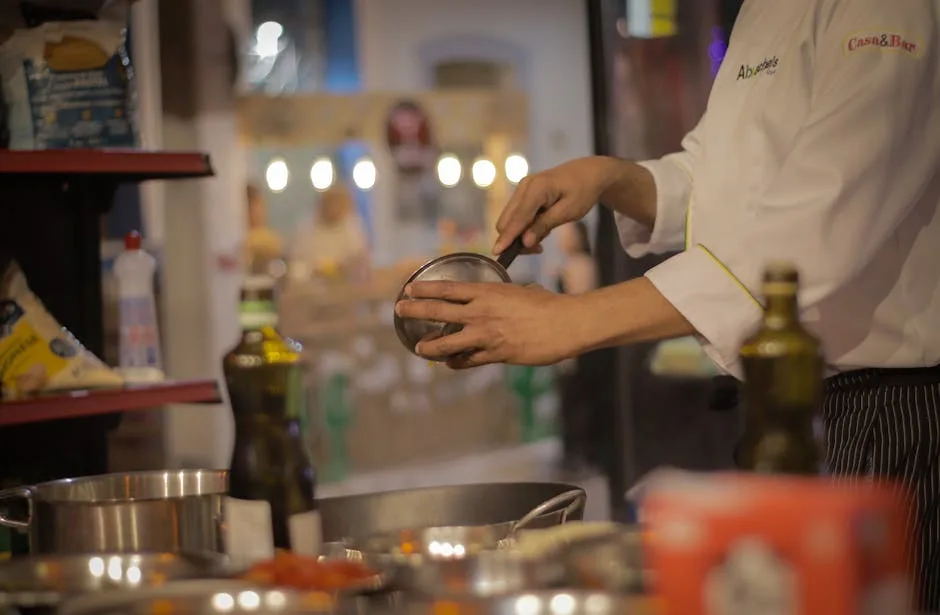
Palermo offers several formats to learn sauces and condimenti: established cooking schools, private workshops in a chef’s home, and intensive half-day or full-day sessions. Here are recommended options, with addresses, approximate prices and typical hours to help you choose.
-
Antica Focacceria San Francesco — Cooking Experience
Address: Piazza San Francesco 24, 90133 Palermo.
Hours: restaurant open 10:00–23:00; workshops held by reservation, usually 10:00–13:30 or 16:00–19:30.
Price: “Street Sauces & Condimenti” workshop €85 per person (includes tasting, non-alcoholic drinks; advance booking recommended).
Description: Housed in a historic spot, the focacceria offers workshops focused on traditional street-food sauces of Palermo, including pane cunzato condiments, arancine fillings and salsas for sfincione. The vibe is rustic and deeply rooted in local tradition. -
FUD Bottega Sicula — Workshops & Tastings
Address: Via Alessandro Paternostro 58, 90139 Palermo.
Hours: shop 10:00–22:00; occasional morning or evening workshops (check schedule on fud.it).
Price: group classes €60–120 depending on duration (2–4 hours).
Description: FUD combines a deli, workshop space and restaurant; ideal for masterclasses centered on gourmet condimenti (pesti, onion jams, preserved tomatoes). -
Palermo Cooking Masterclass — Lezioni di Cucina di Angela
Address: Via Maqueda 326, 90133 Palermo (partner teaching kitchen near Teatro Massimo).
Hours: classes 09:30–13:30 or 15:00–19:00, Tuesday to Saturday.
Price: €95 per person for a market + kitchen workshop; €120 for the full package (market + class + lunch and wine).
Description: Angela is a well-known local chef praised for clear explanations and family recipes. Workshops focus on three sauces/condimenti per session and include a recipe booklet and demos of preservation techniques. -
Private Courses with Chef Lorenzo — Private Masterclass
Address: private classes organized at the chef’s home or your accommodation; meeting point Piazza Rivoluzione 16, 90133 Palermo to start sessions.
Hours: flexible, minimum 48-hour reservation.
Price: from €180 for a 3-hour private class for two people (includes ingredients and recipes).
Description: ideal for private groups and travelers who want a tailor-made lesson (adaptations for allergies, vegetarian preferences, etc.). The chef emphasizes technique and the history behind each condimento. -
Scuola di Cucina Sicilia in Tavola — Themed Workshops
Address: Via Roma 271, 90133 Palermo (near Politeama).
Hours: workshops scheduled in the evening 17:30–20:30 or morning 09:30–12:30.
Price: €75–110 depending on duration; full-day intensive €150.
Description: a formal school with professional equipment, offering modules on pasta sauces, fish condimenti and preserving techniques. Great for cooks seeking structured learning.
Booking tips: reserve 1–2 weeks ahead in high season (May–Sept). Check whether the price includes drinks (wine, water) and supplies (aprons, printed recipes). Ask about maximum group size — smaller groups (6–10 people) give better hands-on experience. For market workshops, wear comfortable shoes and bring small change (€5–20) to buy items from vendors.
4. Delis, suppliers and restaurants to explore after the masterclass
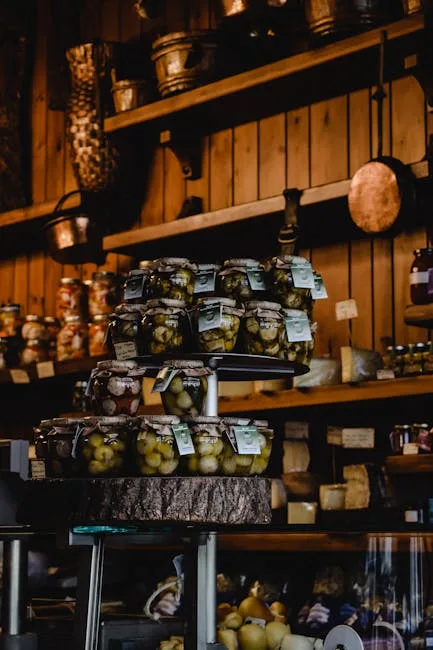
After learning to make sauces and condimenti, you’ll want to know where to source quality ingredients and taste professional versions. Palermo is full of fine delis, artisanal preserves and traditional restaurants showcasing these condimenti. Here’s a shortlist of spots to know, with addresses, price ranges and immersive descriptions.
-
Dolcerì — Gastronomia e Conserva
Address: Via Maqueda 124, 90133 Palermo.
Hours: 09:00–20:00 daily except Sunday 14:00–20:00.
Products and prices: 200 g jars of Pantelleria capers ~ €6–9; 180 g almond pesto ~ €7–10; 400 g tomato preserves ~ €3–5.
Description: a shop specialized in artisanal condimenti, elegant presentation and tastings on request. Perfect for picking up quality condiments as gifts. -
Salumeria Lo Bianco
Address: Via Vittorio Emanuele 200, 90134 Palermo (historic main street).
Hours: 08:00–20:00 Monday to Saturday.
Price: ready-made condiment platters (selection of five sauces) €12–18.
Description: a traditional salumeria offering local products, Etna olive oil and freshly prepared sauces daily. Staff advise on pairing sauces with dishes. -
Trattoria ai Cascinari — Professional tasting
Address: Via dei Cascinari 33, 90129 Palermo (Albergheria neighborhood near the market).
Hours: 12:00–15:00 and 19:00–23:00; closed Monday evening.
Price: mains €10–18; condimenti tasting menu €25–35 per person.
Description: a family-run trattoria where you’ll taste the local mastery of condimenti — cold caponata, well-balanced sarde a beccafico, rustic pasta sauces. -
Enoteca Gagini — Curated preserves
Address: Piazza G. Verdi 3, 90138 Palermo (near Teatro Massimo).
Hours: 11:00–23:00, occasional Sunday midday closure.
Price: artisan jars €5–12; guided tastings €15 per person (when available).
Description: a shop-restaurant pairing local sauces with Sicilian wines; excellent for understanding condimento/wine matches.
Buying tips: look for DOP/IGP labels when available (e.g. olive oil), prefer resealable glass jars, check production dates for homemade condimenti (ideally produced within 6–12 months). For artisanal pasta and fresh condimenti, always ask about preservation method — oil content, acidity and absence of modern preservatives are quality indicators.
Conclusion — Bringing Sicilian sauces into your everyday cooking
Learning traditional sauces and condimenti in Palermo means returning home with a sensory toolkit: mortar techniques, the art of toasting pistachios, secrets of desalting anchovies and the slow cooking of caponata. A well-chosen masterclass (market + hands-on workshop + tasting) will give you not only recipes but a framework: the balance of salty, sour and sweet; the importance of freshness; and the art of matching a sauce to the main ingredient (pasta, fish, bread, vegetables).
Practically, start by mastering three versatile condimenti — salsa alla trapanese, Sicilian salsa verde and caponata. These three will quickly transform simple dishes into authentic Sicilian experiences. Then move on to preserving condimenti (passata, preserved tomatoes), explore artisan jars at Dolcerì and FUD, and continue your learning with a private session for personalized corrections.
Final tips to get the most from your masterclass: arrive rested and hungry — there’s a lot of tasting involved; take detailed notes, especially on proportions and cooking times; film key gestures if allowed; and always ask for versions of recipes adapted to your home kitchen (substitutions for ingredients you can’t source locally). Finally, leave time to wander after class: a coffee on a Teatro Massimo terrace, a stroll through the Kalsa, or a visit to the Orto Botanico (Via Lincoln 2, 90133 Palermo) to get to know the herbs and citrus that go into these condimenti.
Palermo will surprise you: every condimento tells a story and every market offers a different take on the same flavor. Whether you pick a group workshop at Antica Focacceria San Francesco (Piazza San Francesco 24, 90133 Palermo, workshops ~€85), a class at FUD (Via Alessandro Paternostro 58, workshops €60–120) or a private masterclass (from €180), you’ll leave with more than recipes: a gastronomic culture to bring into your meals and share. Buon appetito and enjoy your masterclass!