





Introduction: Ballarò — the street food that tells Palermo’s story
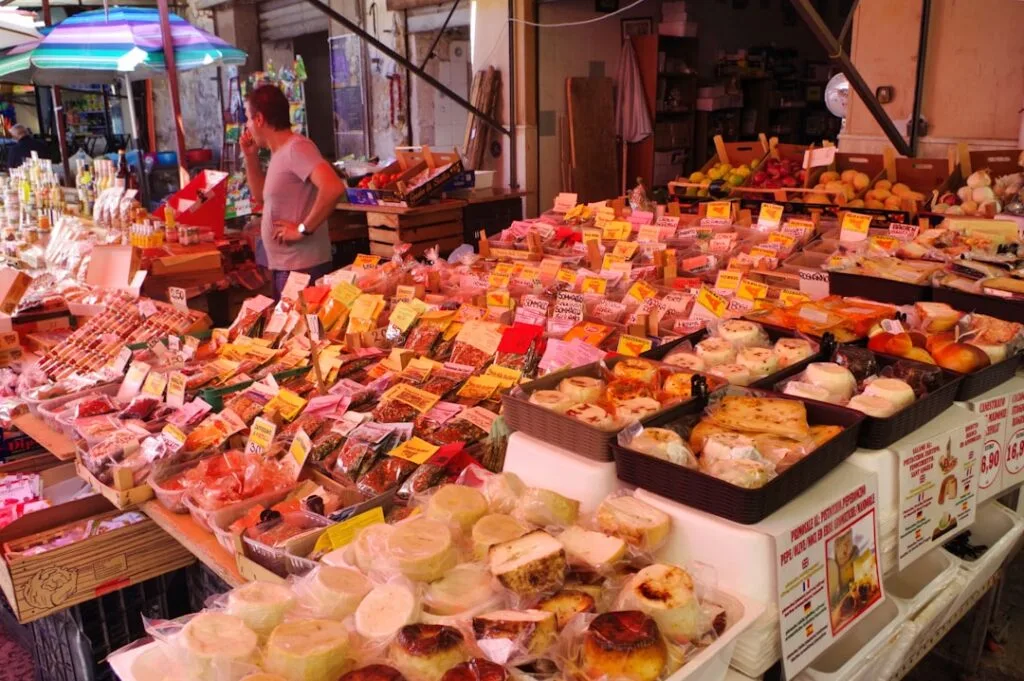
In the heart of Palermo, life is spoken aloud: hawkers shout, spices perfume the air, and stalls flash bright colors. The Mercato di Ballarò, one of the city’s oldest and most beloved markets, is far more than a place to shop — it’s a stage where Sicilian food culture plays out every day. Centered on Piazza Ballarò and stretching along Via Francesco Crispi and nearby lanes, the market offers a microcosm of Sicily — produce from sea and land, street food specialties, time-honored crafts and an unmistakable human warmth.
Walking through Ballarò is like taking a sensory map: the fishmongers calling out their morning catch, the fine dust of flour clinging to a panelle seller’s fingers, steam rising from pans simmering caponata or ragù, and the Mediterranean light making tomatoes gleam like jewels. Palermo’s residents — students, shopkeepers, families — mingle with visitors to create a living picture where food becomes social glue. The market is woven into daily life: it wakes at dawn and lives intensely until early afternoon, before the historic center and its monuments and alleyways take over the city’s rhythm.
This article offers a full immersion: from the history and atmosphere of Ballarò to the must-buy stalls, the street dishes you can’t miss and the best spots nearby to enjoy them. You’ll find specific addresses, opening hours, indicative prices in euros, and practical tips for shopping, bargaining and bringing Sicilian flavors home. Whether you’re a home cook eager to recreate local recipes, a traveler hunting authentic tastes, or a photographer after lively shots of Palermo life, Ballarò promises an intense sensory experience.
Beyond culinary recommendations, we’ll give you a practical guide: how to get to the market from landmarks like the Cattedrale di Palermo (Corso Vittorio Emanuele) or the Stazione Centrale di Palermo (Piazza Giulio Cesare), the best times to avoid crowds, how to store perishables, and a few Italian/Sicilian phrases that will smooth your exchanges. Get your bag, your appetite and your camera ready — Ballarò is where market cooking becomes a travel story.
History and atmosphere of the Mercato di Ballarò
The Mercato di Ballarò is rooted in Palermo’s long history. Located close to Via Vittorio Emanuele and the historic Kalsa quarter, the market organizes itself around Piazza Ballarò and along streets like Via Buon Pastore and Via Corso Alberto Amedeo. Central address: Piazza Ballarò, 90134 Palermo PA. For centuries it has sold farm produce, fish, meat and everyday goods; it reflects the Arab, Norman and Spanish influences that shaped Sicilian cuisine.
Vibe: Ballarò is lively, noisy and sometimes frenetic. In the morning, roughly 7:00–13:30 (times vary by season; most stalls close in early afternoon), vendors set up, shout prices, haggle and display their goods. The market runs all week, but foot traffic changes: Saturday mornings are generally the busiest. Many Palermo locals come here for their daily fresh shopping, so the market remains popular and authentic, not just a tourist spot.
The faces here matter as much as the products: elderly women in aprons who’ve sold here for decades; young restaurateurs sourcing quality ingredients; immigrants bringing new flavors. Languages mix — Italian, the Sicilian dialect and other Mediterranean tongues. Expect lively conversations, hands feeling tomatoes and eggplants, and vendors who will often invite you to taste.
Practical tip: come early (7:00–9:30) if you want the best fish and prime produce; if you prefer the busiest atmosphere and hot street food, aim for 10:00–12:00. Wear closed shoes and be prepared for all weather: in summer showers the tarps protect stalls but the narrow lanes can get slippery. Also, respect vendors’ space — don’t handle everything without asking and avoid intrusive photos without permission.
Must-buy stalls and essential products
Ballarò is a concentrated showcase of Sicilian goods: fresh fish, citrus, tomatoes, eggplants, cheeses, cured meats, herbs, olives and of course local pastries. Below is a detailed selection with indicative prices (in euros), approximate locations inside the market when possible, and tips for spotting quality.
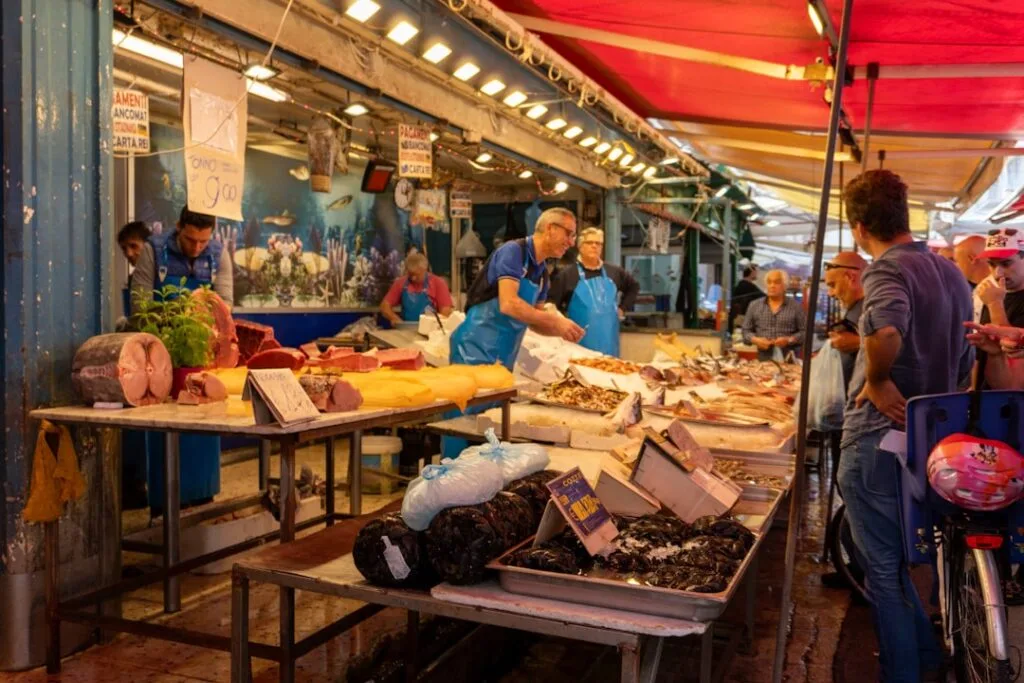
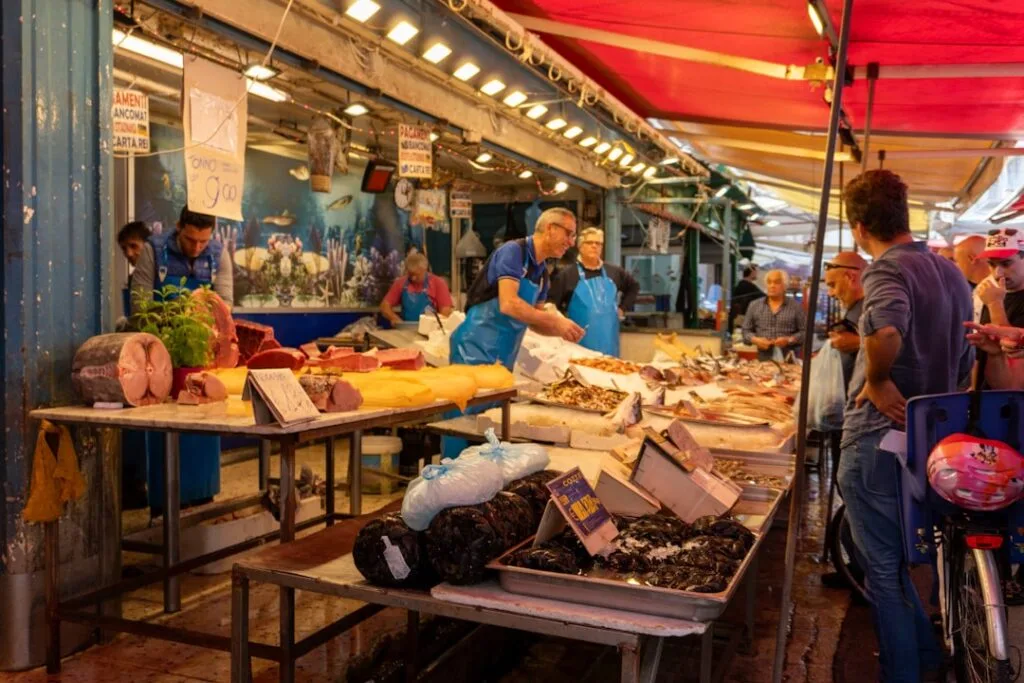
- Fish and seafood — Fish stalls are often found near Via Beati Paoli and Via Ballarò. Expect pesce spada (swordfish) around €15–22/kg depending on size, tonno (tuna) €12–18/kg, and rockfish like triglia €8–12/kg. The best catches arrive early: between 6:30 and 9:00. Tip: smell it (should be fresh, not ammonia-like) and ask to see the fish’s eyes (they should be clear and bulging).
- Seasonal vegetables and fruits — Pomodori cuore di bue (oxheart tomatoes), melanzane (eggplants), and Sicilian agrumi (Tarocco oranges, mandarins) are staples. Prices: tomatoes €2–4/kg, eggplants €1.50–3/kg, oranges €1–2/kg depending on season. Stalls on Via Buon Pastore often offer organic and local produce.
- Cheeses and cured meats — Pecorino Siciliano (€10–18/kg depending on aging), fresh ricotta (€4–7/kg), and local salumi like salsiccia secca (€12–20/kg). Look for stalls with refrigerated display boxes and ask for slicing to check texture.
- Dry goods and spices — Dried chilies, Pantelleria capers (jarred €3–8), ricotta infornata (baked/aged ricotta) and local olives (€3–6/kg). You’ll also find bags of durum wheat flour and semolina for pasta and arancini.
- Bread and takeaway specialties — Sfincione (Sicilian pizza) slices cost €2–3, panelle (chickpea fritters) €1.50–3 per portion, crocchè (potato croquettes) €1–2. Look for specialist sellers, often marked by short queues.
Buying tips: bring an insulated bag if you’re buying fish, haggle politely but clearly (Sicilians value honesty), and carry cash (notes and coins) for small stalls. If you plan to cook with larger quantities, ask if the fishmonger will fillet or cut the fish — many will do this free or for a small charge (€1–3).
Street recipes and where to eat them around Ballarò
Ballarò is a paradise for Palermo street food. Here’s a rundown of dishes you must try, where to find them, with addresses, prices and suggested opening times so you make the most of your visit.
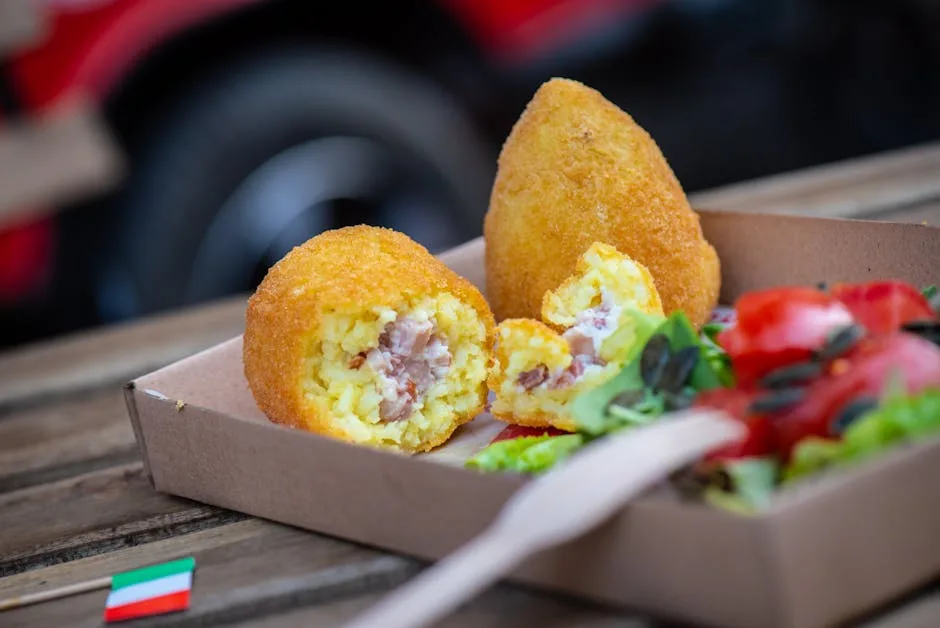
- Arancini (arancine) — Rice balls or cones filled with ragù, cheese or pistachio. Price: €2–4 each depending on size. Where: many vendors around Piazza Ballarò; look for small rosticcerie on Via Ballarò (often unnamed stalls). Times: generally 10:00–14:00 with some places restocking until 17:00.
- Panelle and crocchè — Panelle (chickpea flour fritters) and crocchè di patate (potato croquettes). Price: €1.50–3 per portion. Where: stands near the market’s main entrance and on Via Francesco Crispi. Tip: eat them hot wrapped in paper — texture and aroma are at their best.
- Sfincione — The ancestor of Sicilian pizza: a thick slice topped with onions, tomato, anchovies and breadcrumbs. Price: €2–3 per slice. Where: bakeries and pizzerias around Ballarò; some pasticcerie sell slices from about 11:00.
- Pani ca’ meusa (spleen sandwich) — A bold Palermo specialty: fried veal spleen and lung in soft bread. Price: €3–6 depending on cheese additions. Where: Antica Focacceria San Francesco, address: Via Alessandro Paternostro 58, 90133 Palermo. Hours: typically 10:00–23:00 (check exact days; very popular at lunchtime). Tip: ask for it « con caciocavallo » for a richer version.
- Sweets — Cannoli and cassata — Cannolo (fried pastry tube filled with sweet ricotta) €2.50–4, small cassata €3–6. Where: Pasticceria Cappello, Via Colonna Rotta 24/26, 90133 Palermo. Hours: 07:30–20:00 (indicative). Tip: eat the cannolo right away so the shell stays crisp.
If you prefer to sit down for a curated selection, try the terraces of small trattorie and bars nearby: for example, Bar Touring (Via Vittorio Emanuele, 42, 90134 Palermo) often serves local snacks and a strong espresso — perfect after street food. For a fuller meal, Antica Focacceria San Francesco (Via Alessandro Paternostro 58) is an institution where you can try traditional dishes like frittola or pane con panelle.
Practical tips for buying, storing and cooking Ballarò’s products
Shopping at the market is an experience, but it also requires preparation so you can bring and cook your purchases at home. Here are concrete tips, storage tricks, and a few simple recipes to elevate your finds.
How to get there: from the Cattedrale di Palermo (Corso Vittorio Emanuele), Ballarò is about a 10–15 minute walk via Via Maqueda and the Quattro Canti intersection (Piazza Vigliena). From Stazione Centrale di Palermo (Piazza Giulio Cesare), take AMAT bus 102 or 107 to the « Corso Tukory » stop and walk 8 minutes. Taxis for short trips in the historic center typically cost around €6–10.
Storage: for fish, use an insulated bag or cooler immediately; don’t leave perishables in the sun. If you’ll stay in Sicily a few days, consume fish and cheeses within 48 hours; keep raw and cooked foods separate. Bring small airtight bags and parchment paper for cheeses and pastries.
Simple cooking techniques:
- Quick grilled fish — Extra virgin olive oil, sea salt, lemon. Approximate fish purchase price: €12–18/kg. Heat a pan or grill hot, cook 3–4 minutes per side depending on thickness.
- Quick homemade arancini — Use 300 g cooked arborio rice (approximate market-equivalent cost €4–6), fill with ragù made the day before, bread and fry at 170 °C until golden, about 4–5 minutes.
- Fast caponata — Eggplants (2–3 pieces, €1.50–3/kg), tomatoes, onion, celery, vinegar, sugar, capers: fry eggplant cubes, add tomato sauce and finish with a vinegar reduction. Served warm or cold alongside meats or fish.
Bargaining and etiquette tips: start with a « Buongiorno » and a smile; vendors appreciate politeness. If buying in bulk, offer a slightly lower price (10–15%) and leave some coins as you see if a small discount is offered. Avoid aggressive gestures and show real interest in the products — asking about origin (e.g. « dove sono coltivate queste melanzane? ») helps build rapport.
Safety and health: as anywhere, watch out for pickpockets in crowded spots; keep your bag in front of you. If you have food sensitivities, ask how street foods are prepared (reused oil, allergens, etc.). Lastly, respect opening times: many stalls close after 13:30, though some rosticcerie reopen for evening service.
Conclusion — Ballarò, a lesson in food and life
The Mercato di Ballarò is more than a place to buy ingredients: it’s a living school of Sicilian cooking, an olfactory museum, a conservatory of traditions and a social hub. Wandering its aisles you’ll learn to spot a fresh fish, guess a tomato’s origin by its skin, and choose the most tempting slice of sfincione. The flavors you taste here tell Sicily’s story — maritime influences, Arabic heritage, a love of sweet-and-salty combinations and a devotion to transforming raw produce by hand.
Practically speaking, Ballarò is accessible, lively and generous: Piazza Ballarò, 90134 Palermo, is the geographic heart. Best times for the full experience are early morning (7:00–9:30) for fish and top produce, and mid-morning (10:00–12:00) to soak up the energy and enjoy street food. Prices are affordable: expect €1.50–4 for street snacks, €10–20/kg for quality fish, and €2–6 for classic pastries. Nearby institutions like Antica Focacceria San Francesco (Via Alessandro Paternostro 58, 90133 Palermo) and Pasticceria Cappello (Via Colonna Rotta 24/26, 90133 Palermo) round out the culinary offer if you want to sit down or taste classics in a slightly more formal setting.
More than purchases, take away an attitude: patience, curiosity and respect. Learn a few Italian or Sicilian words, taste without fear, and ask vendors for cooking tips — they’re often little local gurus. When you cook after your trip, favor simple recipes that let ingredients shine: a drizzle of olive oil, a squeeze of lemon, and the product does the rest.
Finally, Ballarò invites you to slow down. It reminds us that food is a shared experience, a daily ritual that builds community. Whether you’re a photographer, foodie, amateur chef or simply curious, take time to listen to the voices, inhale the scents, feel the textures and smile at a vendor who might hand you a small free sample. Those moments are Ballarò’s real riches: gustatory and human memories that will linger long after your trip.