





Introduction: getting lost in Palermo’s Giudecca between flavors and memory
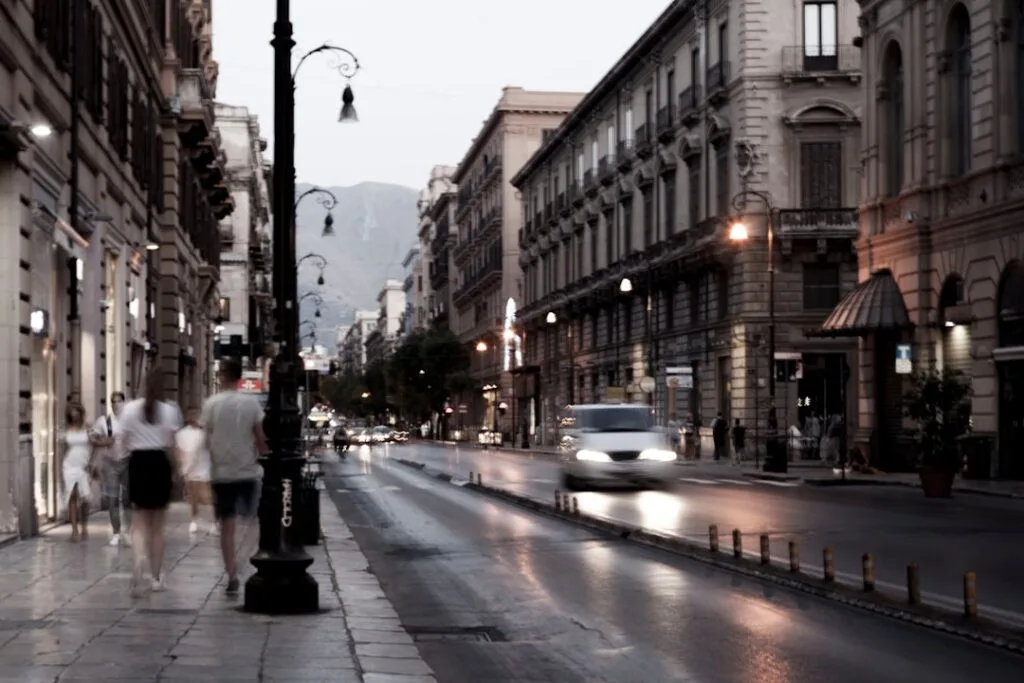
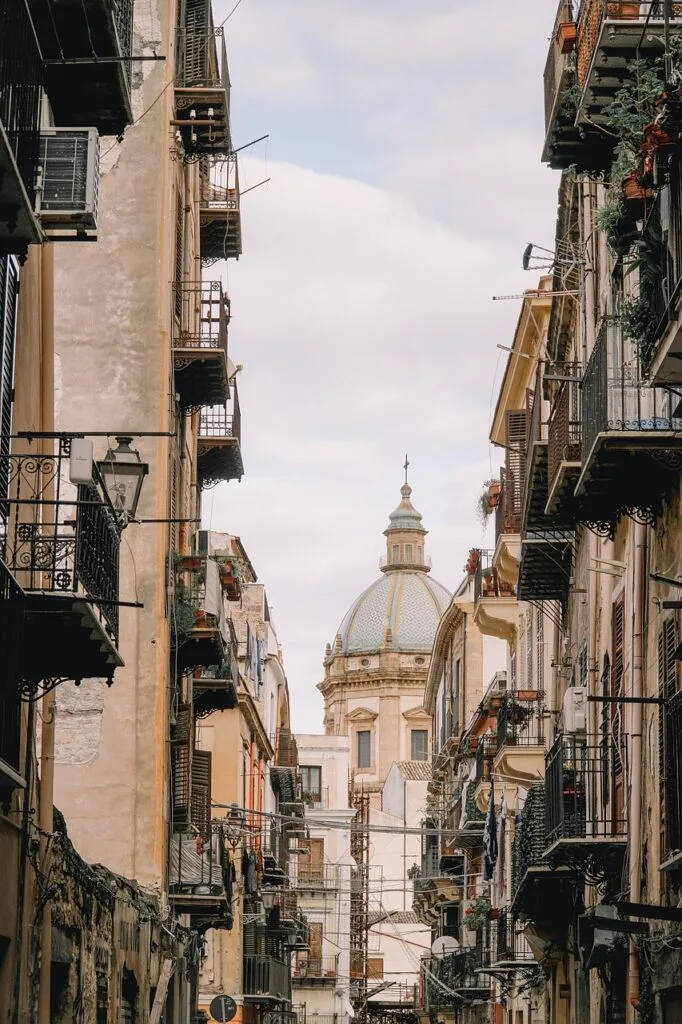
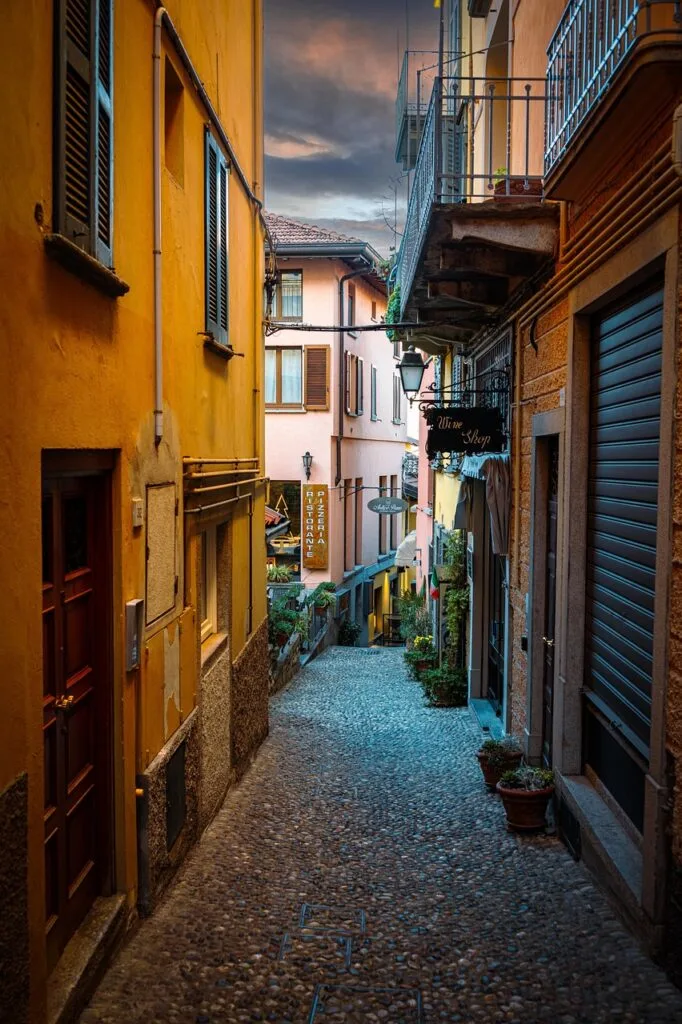
The Giudecca in Palermo is a neighborhood that breathes history at every turn: a dense maze of narrow streets, little forgotten squares and stalls that send up scents of spices, citrus and fried food. Long a cradle of the medieval Jewish community of Palermo, the Giudecca still preserves tangible and intangible traces of that presence — not only in its architecture and place names, but above all in the culinary and craft traditions handed down through generations. For the curious traveler, a stroll here isn’t just sightseeing: it becomes a sensory immersion where food acts as the red thread of collective memory.
This practical guide lays out a detailed route mixing places to visit, exact addresses, opening hours, prices and local tips for tasting Jewish traditions reinterpreted by Sicilian cuisine. Jewish traces in Palermo don’t always show up as an official museum; often they live in a cookie recipe, a method of preserving fish, a lane once named for a guild, or a medieval synagogue repurposed by other faiths. Below I describe concrete spots — markets, botteghe, tavole calde — where visitors can see how food rituals and skills merged into the city’s gastronomic landscape.
The itinerary focuses on the living side of the Giudecca: fresh-produce markets, small bakeries where you can still find pane sciocco or buccellato, canning workshops and taverns serving dishes descended from Ashkenazi and Sephardic recipes adapted to Sicily. You’ll find not only names and exact addresses, but typical opening hours, estimated prices in euros and practical pointers — how to avoid the crowds, when to come for street food, and which specialties to ask for to trace a line between Jewish influences and local cooking.
This guide goes beyond food: it provides context. I explain the origins of certain dishes, the meaning of symbolic products (olive oils, honey, capers, bitter citrus), and offer advice on approaching artisans and shopkeepers respectfully. Whether it’s reading an Italian label, quietly negotiating the price of a basket of fresh fish, or recognising a community’s footprint through an old street name, this text is a walking companion for a half-day to a full-day of exploration in the Giudecca.
Finally, the Giudecca is not frozen in the past: Palermo’s culinary scene is vibrant and inventive. Contemporary chefs are reviving preservation and seasoning techniques inherited from the Jews of Sicily to reinvent dishes in modern registers. If you enjoy authentic experiences and the stories food can tell, Palermo’s Giudecca is one of those places where every plate can turn into a history lesson. Below, follow the detailed sections to plan your visit — with addresses, opening times, prices and practical tips to fully experience the meeting of Jewish flavors and traditions in the Giudecca’s alleys.
Markets and stalls: the Giudecca’s gustatory heart (where to taste, buy and observe)
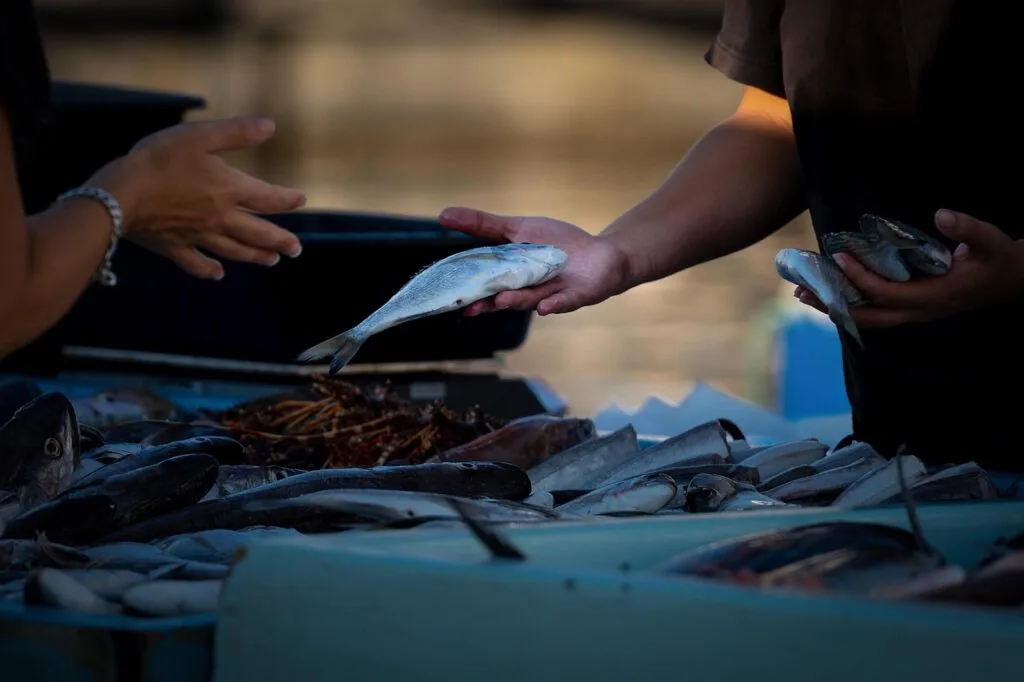
Markets are the first gateway to understanding the Giudecca’s culinary heritage. Start at the Mercato della Vucciria (Piazza Caracciolo, 90133 Palermo PA). Open every morning, it’s especially lively Monday to Saturday from 07:00 to 14:00. Here you’ll see fish stalls still glistening, bitter citrus (bergamot, chinotto) and aromatic herbs that recall medieval culinary uses adopted by the Jewish community. Visiting is free; expect to spend €5–20 if you buy snacks or market treats.
Another stop is the Mercato del Capo (Via Cappuccinelli, 90133 Palermo PA), open Tuesday to Saturday from 06:00 to 13:00 and Sunday mornings depending on the stalls. This neighbourhood market offers green and black olives, salted capers and dried vegetables used in marinades and sauces. A cone of olives or capers costs about €2–6 depending on quantity. Ask vendors for the local variety “capperi di Salina”; you’ll notice the pride as they explain the old salting methods.
For a more relaxed experience, visit the Pescheria di Ballarò (Via Ballarò, 90134 Palermo PA), an excellent place to watch fish-prep techniques — sardines, maccu (broad bean puree) and marinated anchovies. Open Monday to Saturday from 06:00 to 14:00. Budget: €8–25 for a fish platter to eat on-site at the little adjoining friggitorie.
Local tips: arrive early to avoid the crush, bring reusable bags and small change for modest purchases. Don’t hesitate to ask “Come si conserva?” (How is this preserved?) — vendors will often teach you olive-oil preservation tricks, vinegar canning methods, or how capers are rinsed and stored — skills passed down for centuries.
Bakers and pastry chefs: breads, biscuits and inherited sweets
Baking traditions in the Giudecca reveal very old influences. A near-must-stop is Pasticceria Antica Dolceria Bonajuto (Via Maqueda 360, 90133 Palermo PA). Open Tuesday to Sunday from 08:00 to 20:00 (closed Monday), it serves dry biscuits and cakes made with almonds and honey that echo Sephardic Jewish preparations. Prices: roughly €2.50–6 per item depending on the pastry. Look out for spiced products (anise, cinnamon) that recall religious festivals and life cycles.
Another local favourite is Panificio Giudecca (Via della Giudecca, 12, 90134 Palermo PA) — a neighbourhood bakery known for pane sciocco (unsalted bread), friselle and buccellato (fig pastry). Hours: 06:30–14:00 and 17:00–20:00, closed Sunday. Prices: breads and biscuits range from €1 to €8. Pane sciocco, traditionally eaten with salty spreads and preserves, demonstrates how local Jewish eating practices adapted to a Mediterranean low-salt diet.
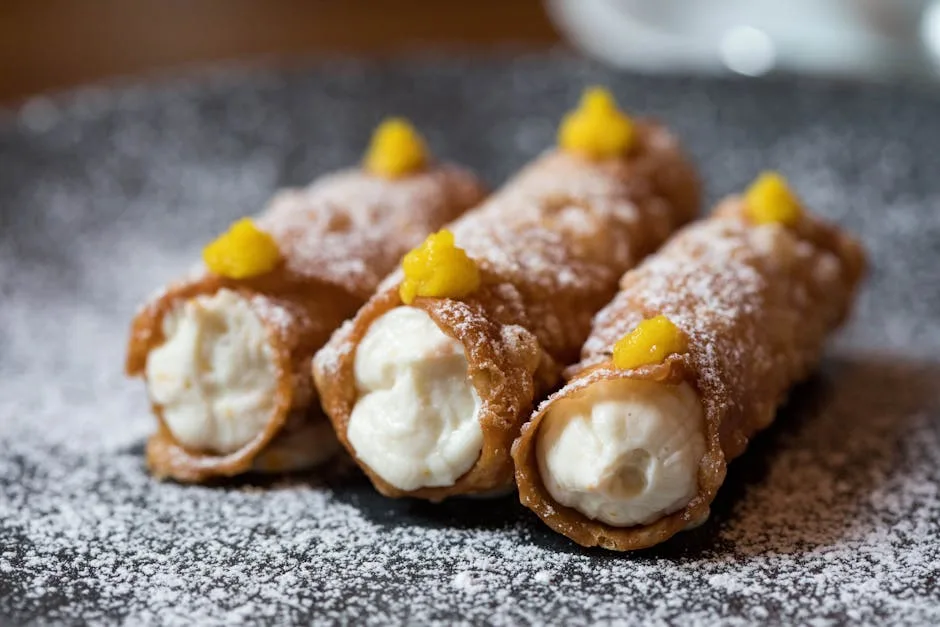
Ricotta- and citrus-based pastries, often sold in small botteghe in Kalsa and Giudecca, blend Muslim pastry techniques with Sephardic recipes — a living example of culinary syncretism. For a guided tasting, several walking food tours offer 2–3 hour routes (average €25–45 per person) with 4–6 tasty stops and explanations of each recipe’s origins.
Practical tips: ask about ingredients if you have dietary restrictions; many traditional recipes use dried fruit, honey and spices but may also include eggs and dairy. If you want to bring biscuits home, choose vacuum-sealed packs offered by some pastry shops for safer transport.
Taverns, tavole calde and cooking lessons: where to eat and learn
To grasp the Jewish imprint on Palermo cuisine, sit down and taste. Trattoria al Giudecca (Via Giudecca, 21, 90134 Palermo PA) is recommended for dishes inspired by old recipes: fish couscous, a modern take on sardine a beccafico, and vegetables marinated in locally sourced olive oil. Hours: 12:00–15:00 / 19:00–23:00, closed Monday. Prices: starters €6–12, mains €12–22, wine by the glass €3–6.
Another rustic option, Osteria dei Vecchi Sapori (Piazza Sant’Anna, 4, 90134 Palermo PA), serves small plates to share that reflect the Sephardic mezze principle: grilled vegetables, Sicilian-style eggplant, and marinated fish. Hours: 13:00–15:30 / 19:00–23:00, closed Sunday evenings. Prices: tapas €4–9, tasting menus €28–45 per person.
If you want to bring the know-how home, several cooking workshops are held in the Giudecca and Kalsa. Atelier Cucina Siciliana (Via Maqueda 200, 90133 Palermo PA) runs 3-hour classes on couscous, fish preserves and traditional cookies. Prices: €45–70 per person; classes in English or Italian by reservation. Class times generally run 10:00–13:00 or 16:00–19:00 depending on sessions.
Quick tips: when you order dishes influenced by Jewish tradition, ask the server about the history behind the recipe — many family-run places keep fascinating stories. If you have dietary restrictions, state them clearly (for example “sono vegetariano/a” for vegetarian): most chefs are happy to adapt mezze and vegetable dishes. For an authentic experience, choose places frequented by locals rather than exclusively tourist restaurants; product quality and authenticity are often better there.
Heritage and memory: walks, historical sites and urban markers
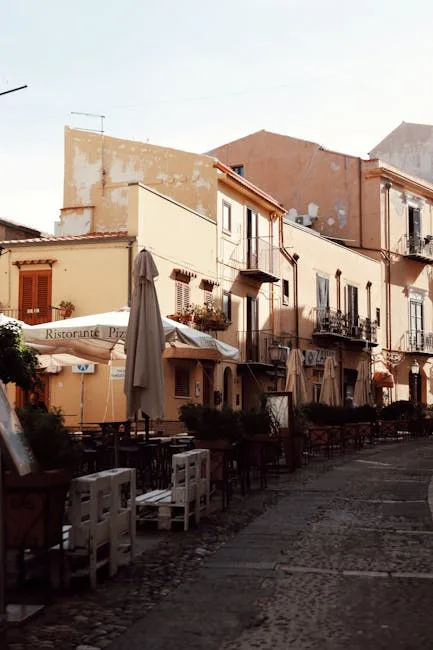
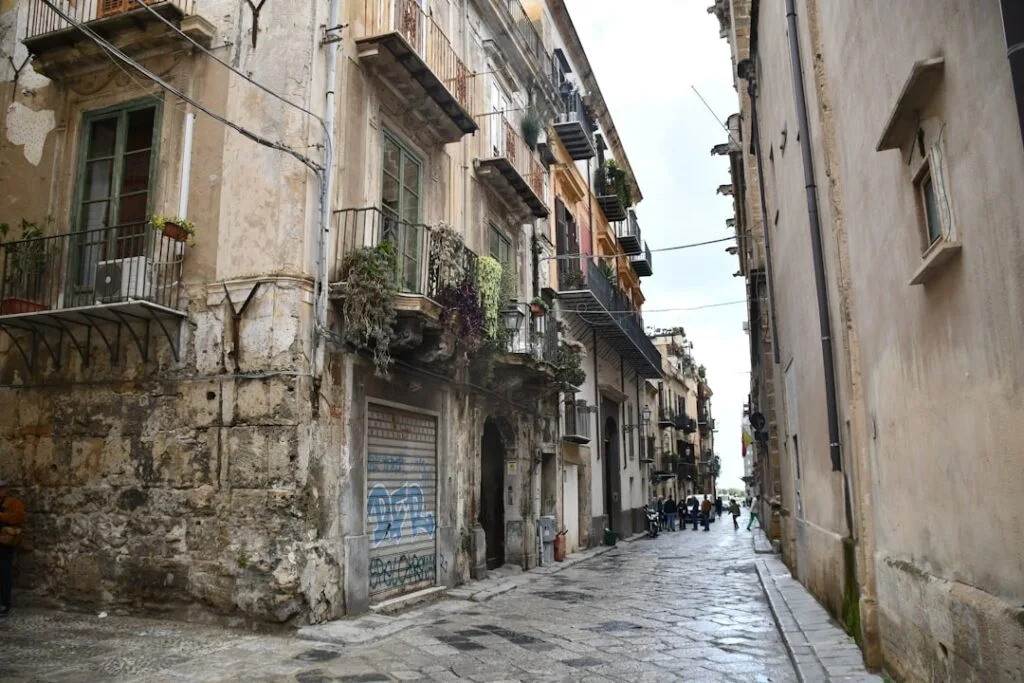
The Giudecca is more than markets and tables: it’s an urban fabric full of place names and buildings that testify to Jewish presence. Stroll down Via Giudecca and Via Maqueda, look for façades where commemorative plaques sometimes read “antica area del ghetto” (old ghetto area). A guided walk with a local association (average €10–20) will help you identify former mikveh (ritual baths), weavers’ alleys and houses where Jewish families once lived.
Palazzo Steri / Archivio di Stato (Piazza Marina, 61, 90133 Palermo PA) sometimes hosts temporary exhibitions about Palermo’s multi-confessional life; check their website or local notices for shows on the Jews of Sicily. Hours: 09:00–18:00, closed Monday depending on programming; entrance fees vary, often €4–8 for temporary exhibitions.
The Regional Archaeological Museum Antonio Salinas (Piazza Olivella, 24, 90133 Palermo PA) preserves artefacts and objects that shed light on Palermo’s economic and domestic life—helpful when placing the Jewish community within the city’s broader context. Hours: 09:00–19:00, closed Monday; full price €5 (reduced €3 under certain conditions). These institutions help explain how trade — especially with the Maghreb and the East — shaped local cuisine and food practices.
Walking tips: wear comfortable shoes, bring water (the alleys can be narrow and hot in summer) and save addresses on your phone. If you come across a repurposed place of worship, respect the quiet and ask permission before photographing inside. If you want to dig deeper, contact local tourist offices or Sicilian Jewish associations for specialised tours; they often offer well-documented perspectives and valuable oral archives.
Conclusion: travel by taste, preserve the voices
Palermo’s Giudecca is a place where history and flavor are intertwined. By wandering its markets, stopping at bakeries, sharing a meal at a tavola calda and taking a cooking class, you’ll see that the city’s Jewish memory isn’t confined to static monuments: it lives in recipes, in the ways of salting, preserving and seasoning. Every bite becomes a page of history, and each vendor or chef can turn into a storyteller.
This guide has given you concrete addresses, opening times, price ranges and practical tips to plan an immersive visit. But the most important advice is to approach the neighbourhood with curiosity and respect. Ask artisans questions, listen to family stories behind a recipe and let the smells lead you. If you’re short on time, prioritise the morning markets and a traditional dinner. If you have a full day, combine a historical walk, tastings and a workshop for a fuller understanding.
Finally, keep in mind that the Giudecca is evolving: some family-run places close, others are reborn thanks to young chefs reinterpreting the Sephardic heritage with contemporary techniques. Travelling here also means taking part in transmission: buy local products, book workshops, support small businesses. That way you help ensure the voices and flavors of the Giudecca continue to be told for generations to come.