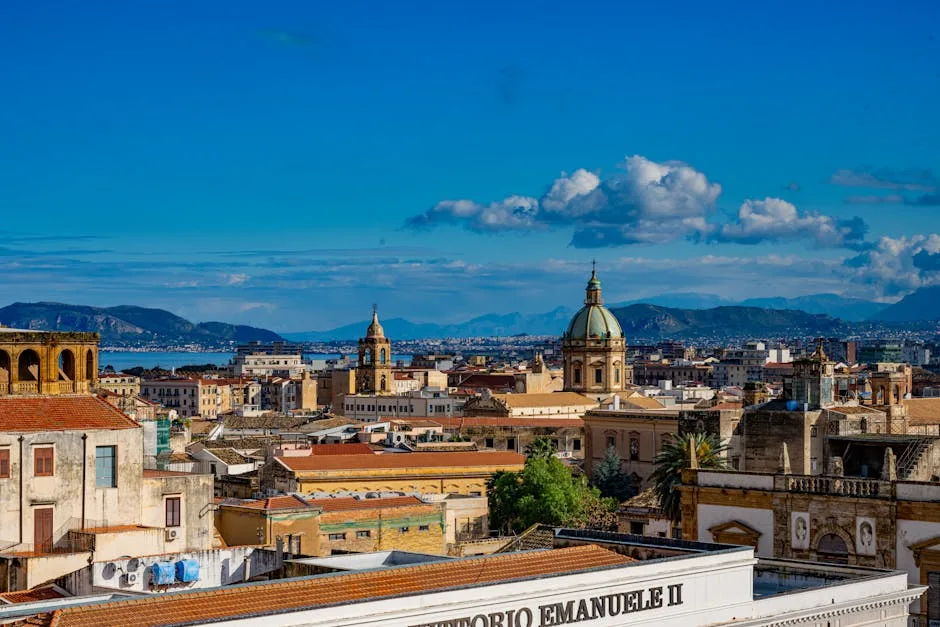






Introduction: When the Giudecca Came Alive — Daily Life of Palermo’s Jewish Community
The Giudecca of Palermo is more than a point on a map; it’s a living palimpsest, a layering of smells, sounds and gestures that tell the story of Palermo’s Jewish everyday life across the centuries. Located in the heart of the historic city, the Giudecca (sometimes referred to as the antico ghetto) was, in medieval and early modern times, a densely packed, bustling, and intensely commercial neighborhood where craftsmanship, religious practice, family solidarity and cultural exchange intertwined. Today, the narrow streets, weathered façades and lively squares still carry the memory of those lives. This piece is a guide for anyone wanting to understand, feel and walk these places — not just as a passing tourist, but as a thoughtful witness.
I offer a mix of historical background and practical tips: immersive descriptions of the streets and markets where the Giudecca came alive, exact spots where people traded, prayed or debated, current addresses and opening hours for modern itineraries, plus local advice to help you navigate, show respect and deepen your visit. We’ll look at the architecture of Jewish homes, the main trades (textiles, dyeing, spice trade), food practices, market-to-market walking routes and the daily rhythms that structured life (lighting patterns, morning market, shop closures, neighborhood evenings). This isn’t meant to be an academic treatise but a useful, concrete guide you can use on the ground to trace the past — with addresses, prices and opening times where available today.
The text also places the Giudecca in the wider Palermo context: its popular markets (la Vucciria, Ballarò), major monuments (Teatro Massimo, the Cathedral), and the gardens that served as social spaces. Finally, it offers advice on respectful approaches: how to listen to locals, avoid sensationalizing a living memory, and where to find documentary resources and local associations to deepen your research. After reading these pages you’ll be able to plan a half-day or full-day visit, drop into cafés that still keep local habits, and understand how the shadow of the Giudecca still animates parts of Palermo today.
1) Streets and Urban Layout of the Giudecca: Routes and Atmospheres
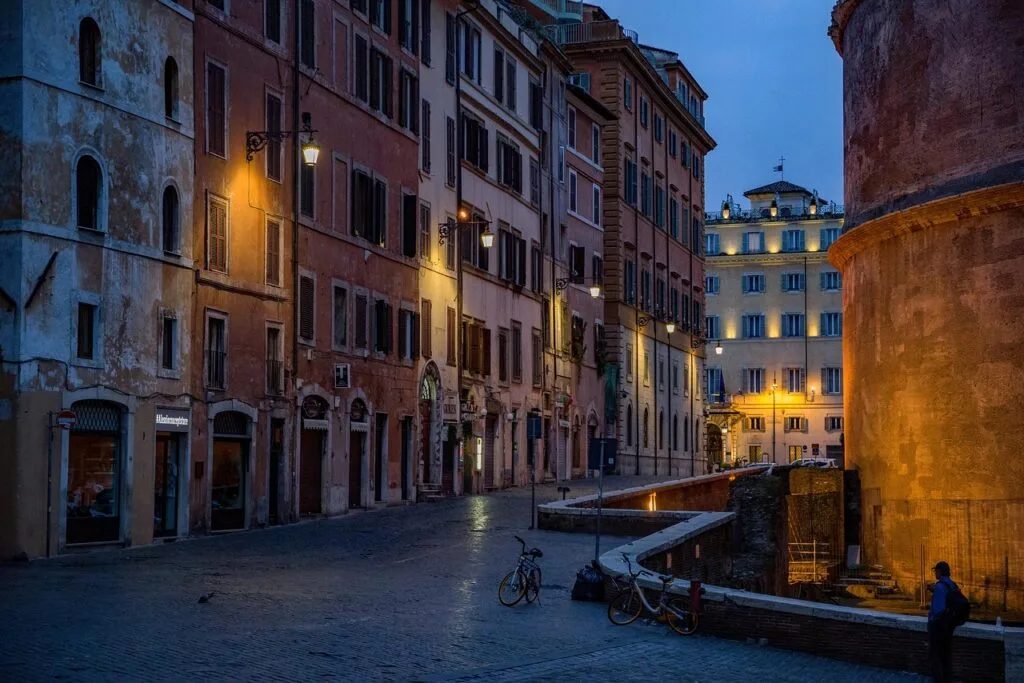
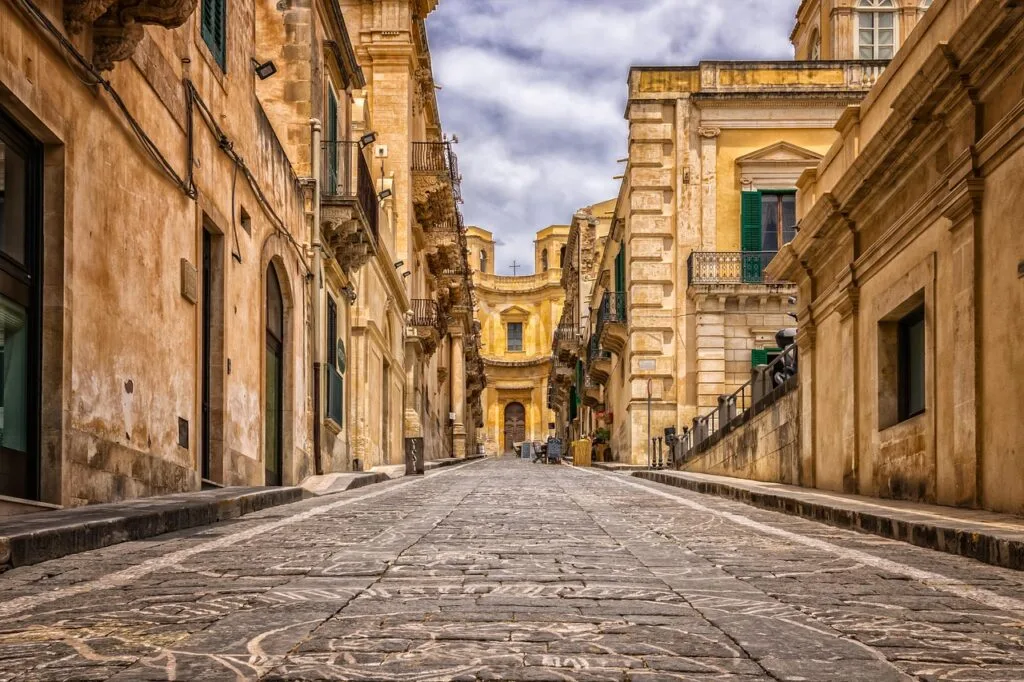
The Giudecca wasn’t a single monolithic block but a network of tight alleys, dead-ends and small squares where clothing, food and religion mixed. To get a tangible sense of the place, start your walk on Via dei Cassari, a historic artery that cuts through the old fabric and was once lined with artisan workshops and Jewish shops. Today Via dei Cassari remains a street of contrasts: contemporary shopfronts sit alongside wooden doorways, Baroque façades and antique dealers’ signs. Reference address: Via dei Cassari, 90134 Palermo (historic sector, main entrance from Piazza Caracciolo).
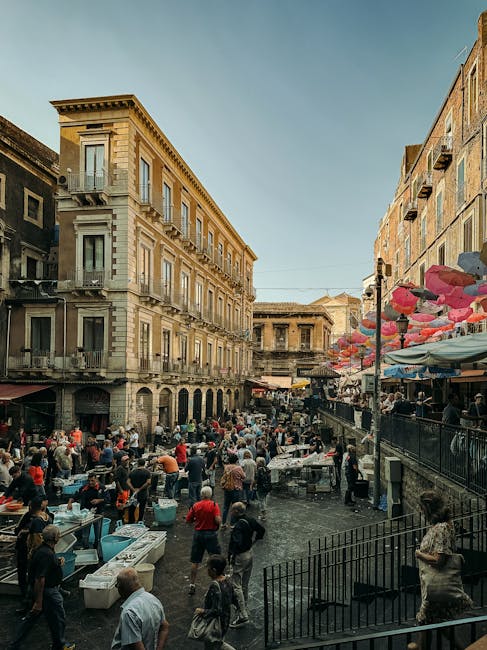
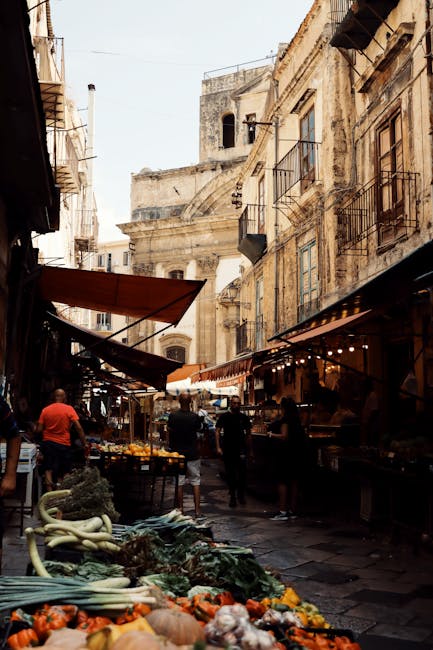
To extend the visit, head toward the Vucciria, the large historic market around Piazza Caracciolo. Vucciria is often linked to the commercial life of the Giudecca: it was one of the main spots where Jewish families came to sell and buy fresh produce. The market is located at Piazza Caracciolo, 90133 Palermo. Current hours: Vucciria begins to stir from 07:00 and the busiest stalls operate until around 14:00–15:00; some bars and restaurants keep activity going until about 23:00. Typical prices: an espresso at the counter nearby costs roughly €1.20–€1.50; a market sandwich (panelle or arancina) runs from about €2.50 to €4.00.
Another key axis is the proximity to Ballarò, the popular market on Via Ballarò. Address: Mercato di Ballarò, Via Ballarò, 90134 Palermo. Ballarò remains a lively, early-morning market where you can easily sense the legacy of multi-community trade. Hours: 06:00–14:00 on weekdays; the market is most vibrant in the morning. Practical tips: visit early to catch the best atmosphere and prices, wear closed shoes because of cobbles and market activity, and keep a small change purse for immediate purchases (cash is still widely used). The lanes between Vucciria and Ballarò are perfect for feeling the urban density of old times — imagine spice stalls, weaving workshops and the sounds of children playing under porticoes.
2) Homes, Households and Domestic Practices: The Giudecca’s Intimacy
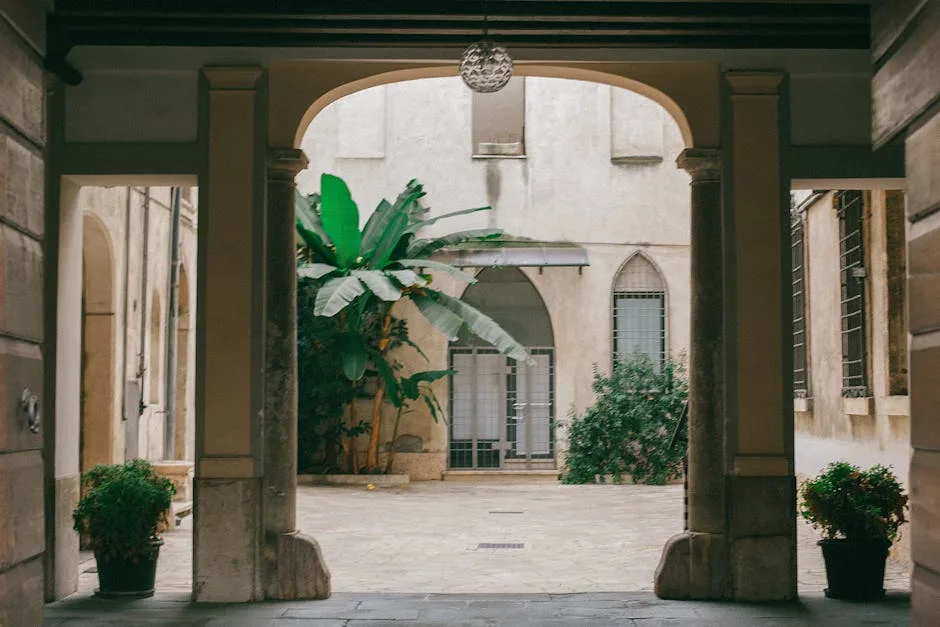
Daily Jewish life in the Giudecca largely unfolded in compact but well-organized domestic spaces. Homes were often built around an inner courtyard, with stacked floors containing bedrooms, workshops and kitchens. Families followed a set rhythm: mornings devoted to market shopping, afternoons to craftwork, and evenings to prayer or study. Many food practices linked to kashrut shaped kitchen organization: separate dishes for meat and dairy, dedicated pantry space for aging or storing food, and small ovens used to make traditional items (cookies, ritual breads).
Today several buildings and residences in the neighborhood still show interesting architectural traces: ornate doorways, modern “mezuzot” affixed to some doors (where people still practice), and modest commemorative plaques. A suggested walk runs from Via dei Cassari to Via dei Benedettini (near Teatro Massimo), taking note of the varying ceiling heights and small artisan workshops. If you want to see a typical inner courtyard, look for the so-called « Cortile dei Biscari » (a generic name in the old town): these small courtyards are often private but can be glimpsed from the street.
Local tips for visiting interiors: most private residences are not open to the public. Respect people’s privacy, ask permission before photographing, and if you want to learn more contact a local urban heritage association such as the Associazione Amici dei Musei di Palermo (address: Via Maqueda, 90019 Palermo — note: check opening hours). Private guided tours in the area typically start at €60 for a half-day (group of 1–4 people) and vary by guide expertise and duration. Public themed walks usually cost between €10 and €20 per person for a 1.5–2 hour route.
3) Trades, Commerce and Markets: The Giudecca’s Economic Network
The Giudecca buzzed with a profusion of economic activity: weavers, dyers, spice merchants, kosher butchers, fishmongers and shoemakers. Palermo’s Jewish community occupied specific economic niches, often related to retail and artisanal production. Workshops were located on ground floors or in small annexes opening onto the street or a courtyard. Direct contact with customers created a highly participatory neighborhood life: transactions carried social weight and involved reputation, credit and long-term interpersonal relationships.
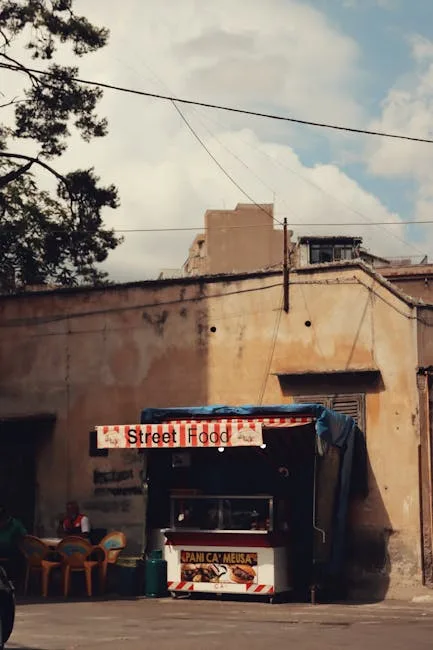
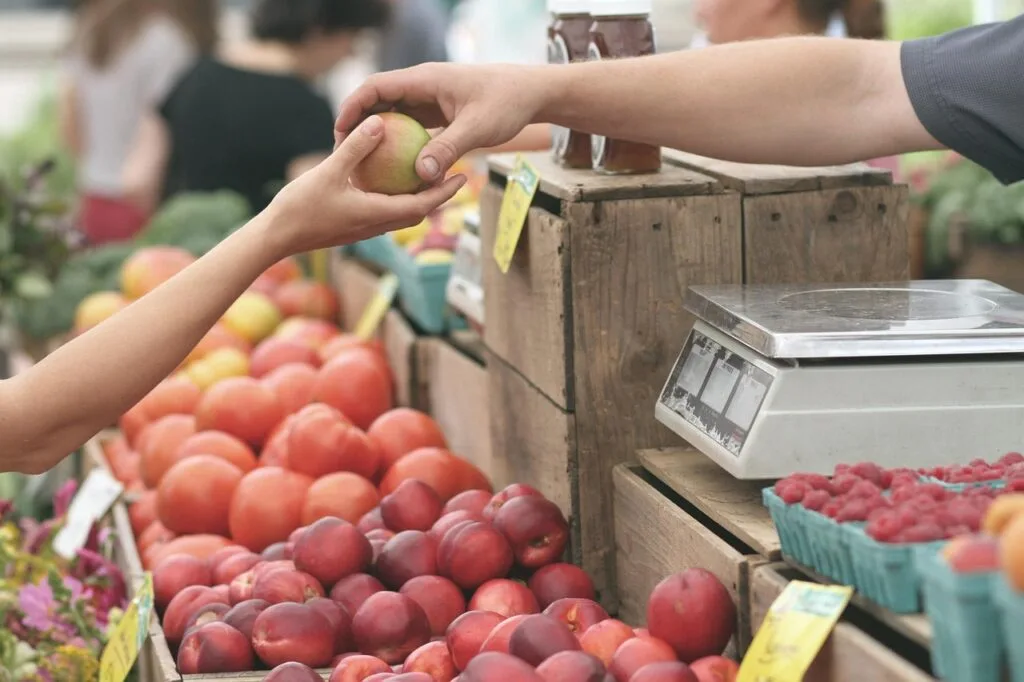
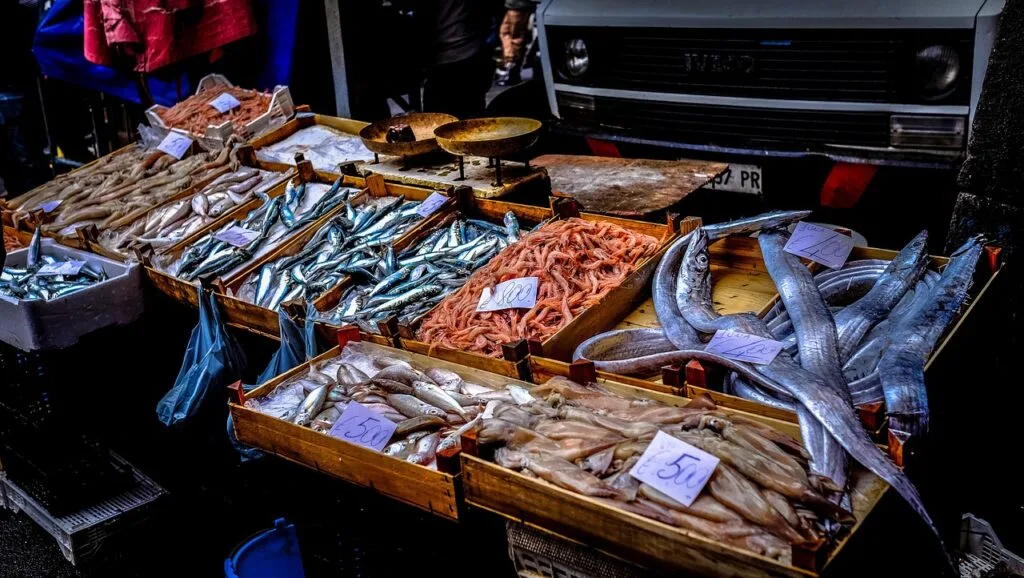
To trace these traces today, start at the Mercato della Vucciria (Piazza Caracciolo, 90133 Palermo). The atmosphere is still commercial: fishmongers, fruit sellers and fried-food stalls dominate. Indicative prices today: a seafood platter for two at a Vucciria stall can cost between €12 and €25; a kilo of tomatoes €1.50–€2.50; a local newspaper €1.00–€1.50. The market opens from 07:00, with a peak between 09:00 and 11:00, and often quiets down after 15:00. The best times to observe trading interactions are early morning and late afternoon when some family-run shops prepare goods for the next day.
Another interesting route runs along Via Roma toward the old port: small food shops and delis still keep traditional spice blends. To understand intercommunity trade, a stop at Ballarò (Mercato di Ballarò, Via Ballarò, 90134 Palermo) is essential. There you can see the culinary layering of cultures: Arab, Mediterranean and Jewish products sold side by side. Historic kosher butchers are rarer now; however, some specialist butcheries that follow older traditions still preserve practices that recall the neighborhood’s culinary heritage.
4) Beliefs, Rituals and Community Life: Spaces of Spirituality
The Giudecca was not only a place of trade and housing; it was also the heart of an organized religious life. Most historic synagogues in Palermo have disappeared or been repurposed, but liturgical memory survives in oral narratives and a few archaeological remnants. Rituals structured the week: morning and evening prayers, festival celebrations (Passover, Yom Kippur), and domestic rites (Shabbat preparations and ritual meal practices). Families gathered for Shabbat meals in small rooms, and Torah readings took place in community spaces that were sometimes improvised.
Practically speaking, there is not an ancient active synagogue in Palermo today comparable to those in Rome or Venice, but the city offers resources for those who want to dig deeper: the Centro Studi Ebraici di Sicilia (check the local address through municipal cultural offices) sometimes organizes lectures and thematic walks. For archives and documents, the Archivio Storico Comunale di Palermo (Piazza Pretoria 1, 90133 Palermo) is a good starting point — usual hours: 09:00–13:00 and 15:00–17:00, Monday to Friday (verify before your visit). Archive consultations may incur reproduction fees, generally €0.20–€0.50 per scanned page.
Respectful behavior tips: when visiting sensitive neighborhoods, adopt a respectful attitude toward places of worship and memorials. Avoid loud conduct in private courtyards, ask permission before photographing protected monuments and check with local cultural centers about commemorations and events that can illuminate your visit.
5) Museums, Contemporary Resources and Practical Tips for Visitors
If you want to complement your field walk with documented resources, Palermo has several useful institutions: the Museo Archeologico Regionale « Antonino Salinas » (Piazza Olivella, 24, 90133 Palermo), which houses collections unearthed from ancient and medieval urban life and sometimes objects linked to city life; the Palazzo Abatellis — Galleria Regionale della Sicilia (Via Alloro, 4, 90133 Palermo), which provides an artistic perspective on the neighborhood’s history. Indicative hours and prices: Museo Salinas, Tuesday–Sunday 09:00–19:00, full ticket €6.00; Palazzo Abatellis, 09:00–19:00 (closing times may vary), full ticket €8.00 (discounts for students and seniors). Always check official sites in advance for unexpected closures.
For a more specialized approach, look for local associations that run themed walks about Jewish history in Sicily. Diocesan archives and university libraries (Università degli Studi di Palermo, Via delle Scienze, 90128 Palermo) hold studies and theses on Jewish presence in Sicily. Private thematic guided tours run by licensed guides typically cost between €80 and €150 for a half-day (group of 1–6 people) and often include on-site stops, a historical introduction and bibliographic recommendations.
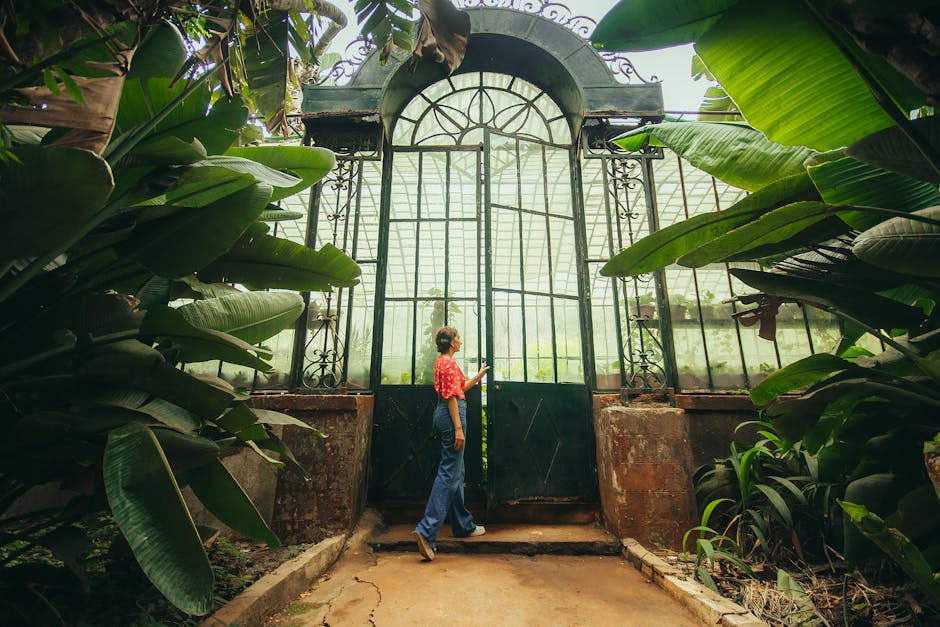
Practical tips to organize your day: start early at Ballarò market (06:00–09:00), walk toward Vucciria for mid-morning, then head to Via dei Cassari to feel the residential space; have lunch near Piazza San Domenico (many trattorie and osterie) where a daily special costs about €9–€15. Late afternoon, visit the Orto Botanico di Palermo (Via Lincoln, 2, 90133 Palermo) for a quiet break — hours: 09:00–18:00 (seasonal), ticket roughly €4.00–€6.00.
Conclusion: A Living Heritage and Ways to Go Further
The Giudecca of Palermo is not merely a frozen memory; its traces still infuse the city’s urban life. Markets, alleys and small shops continue to tell, through their layout and practices, the continuity of a social fabric once organized around Jewish families active in crafts and commerce. For today’s visitor it’s essential to approach these places with curiosity and respect, aiming to understand everyday life rather than consume an exoticized image of the past.
Practically, a successful visit mixes field observation (Ballarò, Vucciria, Via dei Cassari), stops at cultural institutions (Museo Salinas, Palazzo Abatellis), and conversations with local guides or associations to get contextual readings. The practical details given above — market hours, addresses, price references and behavioral recommendations — will help you plan an immersive and respectful day. If you want to go further, seek local publications, consult municipal archives and attend lectures organized by Sicilian study centers.
Finally, remember that reconstructing a community’s daily life means listening to multiple voices: family stories, notarial records, architectural remnants and the oral memory of current residents. The Giudecca came alive through simple gestures — buying a spice, mending a shoe, gathering for a meal — and it’s by rediscovering those gestures, still visible in markets and the way people live the street, that you begin to sense the presence of Palermo’s Jews of the past. To deepen your route, don’t hesitate to contact local guides or academic institutions before your visit; their guidance can turn a walk into a true historical immersion.