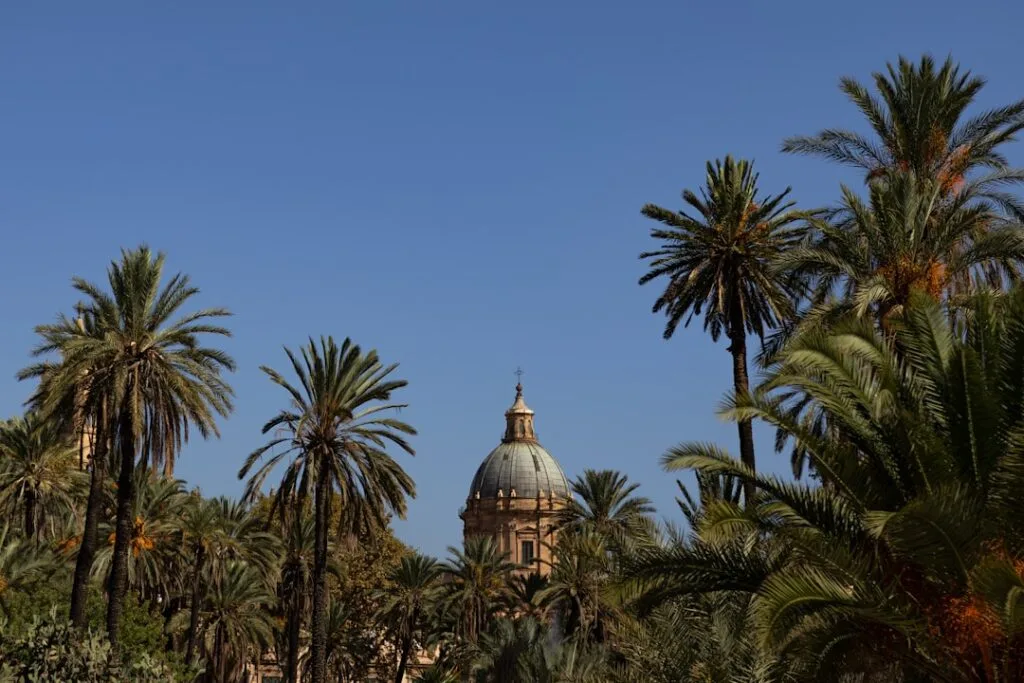





Introduction: Palermo Botanical Garden, a leafy haven in the heart of the city
Hidden along a stroll through Palermo’s historic quarter, the Orto Botanico di Palermo reveals itself as a peaceful refuge where the city exhales a breath of greenery. Managed by the Università degli Studi di Palermo, this green space is far more than a garden: it represents almost two centuries of botanical history, collecting and experimentation. Located a short walk from the historic center — a striking contrast to the hustle and bustle of markets like il Capo or Ballarò — the garden immerses visitors in a full sensory experience: shaded palm avenues, the whisper of water in ponds, and the scents of seasonal blooms.
Officially founded in the early 19th century, the Orto Botanico was designed as a place for study, acclimatization of exotic plants and the conservation of Mediterranean and subtropical species. Its paths, often shaded by majestic specimens of date palms, pines and ficus, tell the story of botanical exchanges between Sicily and the wider Mediterranean basin, as well as connections to North Africa and Asia. For travelers, the experience goes beyond simple sightseeing: you learn, wander, shoot photos, sit on historic benches with a book, and sometimes catch temporary exhibitions or workshops organized by the university.
Orto Botanico di Palermo is also a living testimony to the plant landscapes that have shaped the island: citrus groves downslope, succulents in the dry zones, cactus and tropical plant collections in heated greenhouses. Families find a place where kids can discover biodiversity; students, a study site; photographers, ever-changing subjects through the seasons. Its location, at the crossroads of historic streets and pockets of modernity, makes it the perfect stop for anyone wanting to combine urban culture with nature.
In this article I’ll take you through the Palermo Botanical Garden in detail: how to get there, opening hours, prices, the main botanical areas and monuments you shouldn’t miss, practical tips for your visit, and suggestions for extending the experience nearby. Whether you have an hour or a half-day, this green treasure deserves to be savored with camera in hand and curiosity awake.
History, layout and collections: understanding the garden to better appreciate it
The Orto Botanico di Palermo, officially linked to the Università degli Studi di Palermo, has a rich history that goes back to the early 19th century. Its founding served a dual purpose: training botany students and conducting agronomic research, particularly on Mediterranean and colonial crops. Over the decades the garden expanded, was organized into themed sections and enriched with greenhouses for tropical and desert species. Knowing this history helps visitors recognize the different zones: the Mediterranean collection, the palm groves, the tropical greenhouse, the aromatic plant garden, and the succulent plant collection.
The garden’s present layout is defined by winding paths leading to distinct yet complementary areas. Notable features include:
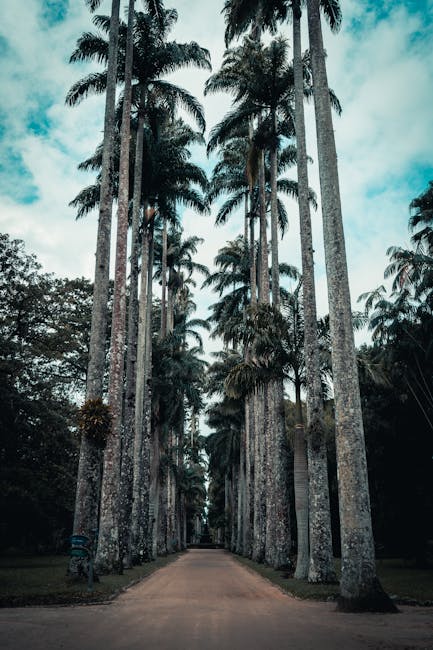
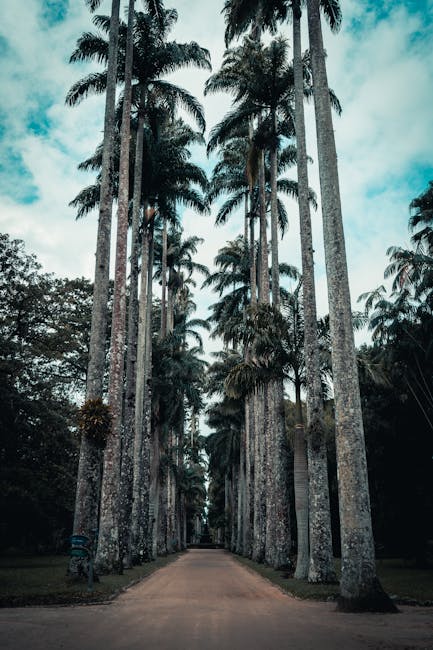
- The Viale delle Palme: an avenue lined with majestic palm trees, a remnant of acclimatization plantings.
- Il Laghetto e il Bosco: small wetlands and groves where bamboo and native trees create a humid microclimate suited to certain species.
- Le Serre Storiche: historic greenhouses sheltering collections of tropical and subtropical plants, including medicinal species, orchids and tree ferns.
- The Educational Collections: plots and information panels for students and the public on life cycles, taxonomy and the ecology of Mediterranean plants.
Among the botanical treasures are century-old trees such as Ficus macrophylla and royal date palms, as well as unique collections of cacti and agaves. Some specimens are classified and protected for their historical and scientific value. The garden also serves as a base for ex situ conservation projects — preserving threatened species outside their natural habitats.
Education remains at the heart of the Orto Botanico: biology and agronomy students carry out practical work there, while thematic guided tours are regularly offered to the public. These activities can address traditional plant uses in Sicily, the importance of island biodiversity, or eco-friendly gardening techniques. Curious visitors can often pick up garden maps at the reception and follow a suggested route to ensure they don’t miss the main collections.
Practical information: address, getting there, opening hours, prices and services
To plan your visit to the Orto Botanico di Palermo with confidence, here’s all the practical information currently available: exact address, opening hours by season, entrance fees and on-site services. These details will help you make the most of your trip to the garden.
Exact address:
- Orto Botanico di Palermo – Università degli Studi di Palermo
- Via Lincoln, 2, 90133 Palermo PA, Italia
Getting there:
- By bus: several urban lines serve the area around the garden (check ACT Palermo lines from your starting point). Recommended stops: « Orto Botanico » or « Via Lincoln ».
- By tram / light rail: get off at « Notarbartolo » then take a local bus or walk (about 20–30 minutes on foot from the center depending on route).
- On foot: from the Centro Storico (Palazzo dei Normanni, Palermo Cathedral), allow 20–30 minutes walking via Via Vittorio Emanuele and Via Maqueda.
- By bike: cycling is recommended to move easily between nearby sights.
Opening hours (subject to seasonal changes, check before you go):
- April – October: 9:00 AM – 7:00 PM (last admission usually 30–45 minutes before closing)
- November – March: 9:00 AM – 4:00 PM / 5:00 PM depending on the day
- Possible closures on public holidays or for university events; consult the Università di Palermo website for confirmation.
Entrance fees (indicative, in euros):
- Full price, adult: €6.00
- Reduced price (students, seniors): €3.00
- Free entry: children under 6
- Group rates or guided tours: available on request, depending on the educational offer
On-site services:
- Reception desk with ticketing and garden maps
- Public restrooms near the main entrance
- Limited Wi‑Fi access in certain administrative areas (not guaranteed across the whole park)
- Guided tours and educational workshops, bookable in advance for school groups or tourist groups
- Accessibility: main paths are stroller-friendly and largely accessible for visitors with reduced mobility, but some historic areas remain uneven — ask at reception for details
Practical tip: buy your ticket in the morning to enjoy the cooler hours, especially in summer, and check the dates of temporary exhibitions on the university’s website. Card payments are generally accepted, but carry some cash if you encounter an external ticket booth with limited hours.
Must-see spots inside the garden and recommended activities
Visiting the Palermo Botanical Garden is like moving through several botanical « chapters, » each with its own atmosphere. Here are the spots and experiences you shouldn’t miss, plus tips to make the most of them.
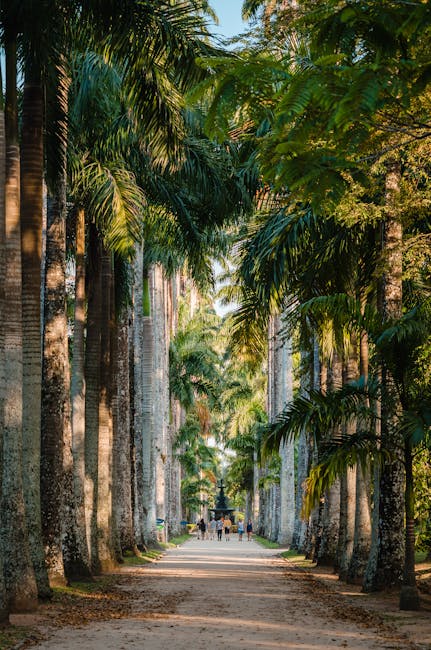
1) The Viale delle Palme and notable trees: start your visit along this iconic avenue, where palms, ficus and eucalyptus form a leafy vault. These ancient specimens create dramatic light-and-shadow patterns perfect for photography and provide an immersive first impression.
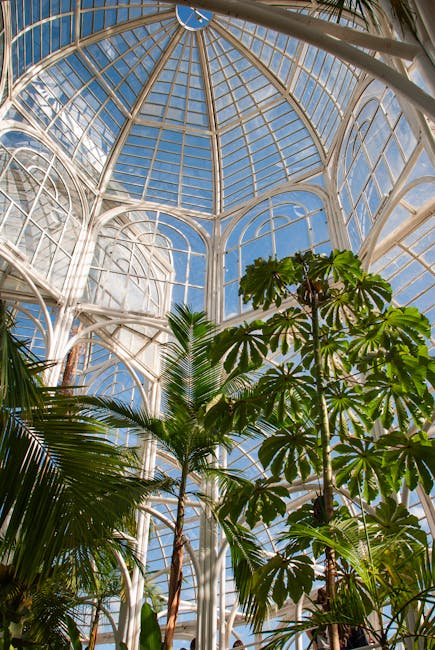
2) The Serre Storiche (historic greenhouses): with metal-and-glass structures, these greenhouses house tropical and subtropical plants, tree ferns and orchid collections. In winter the greenhouse is a warm, colorful refuge; in summer it shields plants from extreme temperatures and lets you observe species that don’t thrive outdoors.
3) The succulent collection and arid garden: this area features cacti, agaves, aloes and other drought-adapted plants. The sculptural shapes of these species create a striking visual contrast with the garden’s shadier zones. Observe their morphological adaptations and the remarkable diversity of succulents.
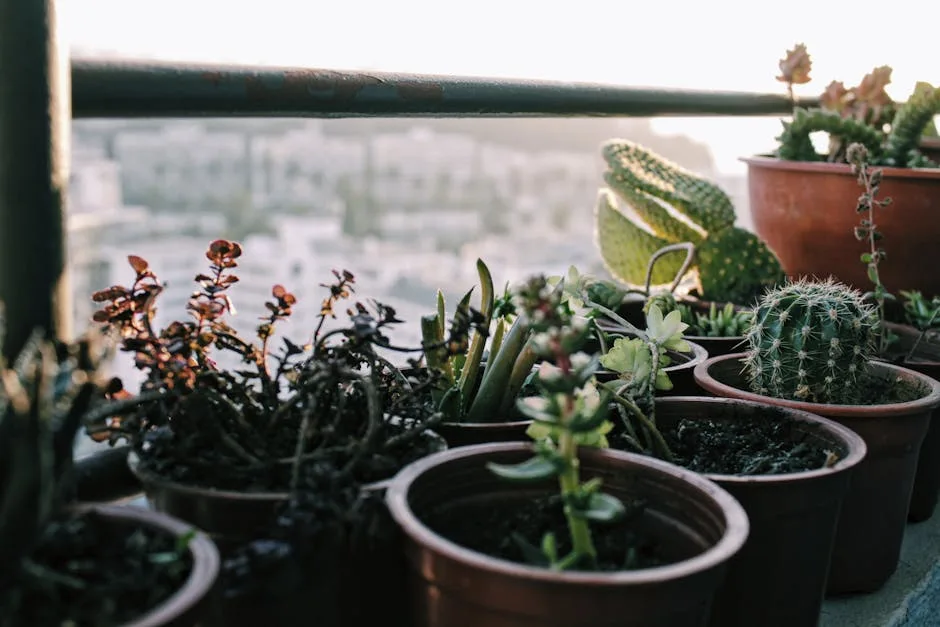
4) The Laghetto and wet zones: small ponds and aquatic vegetation create microhabitats for dragonflies, ducks and moisture-loving plants. These spots are perfect for urban wildlife enthusiasts — bring a field guide to help spot dragonflies and common birds.
5) The educational trails and the aromatic plants garden: interpretive panels, teaching beds and medicinal plants make for an informative visit. The aromatic garden releases fragrances and essences — rosemary, lavender, sage — and is a great place to learn about traditional plant uses in Sicily.
6) Photography and observation: changing light throughout the day transforms the garden’s scenes. Best times for photography are early morning (soft light, fewer visitors) and late afternoon (long shadows, golden atmosphere). Bring a macro lens for floral details and a wide-angle for historic tree alignments.
7) Recommended activities: join a themed guided tour to understand the garden’s scientific logic; attend a workshop on medicinal plants; or simply picnic in designated areas (respect site rules about picnic zones and do not pick plants).
Quick tip: follow signage closely, especially near sensitive collections and greenhouses. Photography is generally allowed, but professional gear (tripod, flash) may require prior authorization.
Extend your visit: suggested walking route and nearby discoveries
The Orto Botanico di Palermo’s location makes it an ideal starting point for exploring other city treasures. After your botanical immersion, here’s a recommended half-day walking route and a few spots for food and culture nearby.
Recommended walking itinerary (half-day):
- Start: Orto Botanico di Palermo, Via Lincoln, 2
- 1st stop (10–15 minutes): Villa Giulia (Piazza Marina/Foro Italico), another historic park with sculptures, old trees and local atmosphere.
- 2nd stop (10 minutes): Piazza Marina and the legendary Ficus magnolioides — wander and soak up neighborhood life.
- 3rd stop (20 minutes): the Kalsa district, with historic streets and the Palazzo Abatellis (Galleria Regionale della Sicilia) for art lovers.
- Possible finish: Teatro Massimo and Via Maqueda for shopping and cafés.
Useful nearby addresses:
- Villa Giulia – Piazza Marina, 90133 Palermo PA, Italy (adjacent historic park).
- Palazzo Abatellis – Piazza Mayda, 9, 90133 Palermo PA, Italy (Galleria Regionale della Sicilia).
- Teatro Massimo – Piazza G. Verdi, 90138 Palermo PA, Italy (major cultural landmark, guided tours available).
Food suggestions after the visit:
- Antica Focacceria San Francesco – Via Alessandro Paternostro, 58, 90133 Palermo (traditional Sicilian specialties, about a 15–20 minute walk).
- Bar Touring – Via Emerico Amari, 26, 90100 Palermo (coffee and Sicilian pastries for a sweet break).
Practical tips for the afternoon:
- Pair the garden visit with a tour of the historic markets (Mercato di Ballarò or Mercato del Capo) for a full sensory immersion: smells, colors and local flavors.
- Carry a water bottle and wear a hat in summer; Sicily can be hot and sunny.
- If short on time, opt for a 60–90 minute guided tour of the garden, followed by a short walk to Teatro Massimo to appreciate the contrast between nature and urban architecture.
Local travel tips, best times to visit and responsible behavior
To get the most out of the Orto Botanico di Palermo, a few local tips and good practices are useful. Here are recommendations based on Palermo’s climate, tourist rhythms and the rules for preserving botanical spaces.
Best times to visit:
- Spring (April – June): abundant blooms, pleasant temperatures (18–25 °C), ideal for photographers and long walks.
- Autumn (September – October): lingering warmth and golden light, with fewer crowds than mid-summer.
- Summer (July – August): very hot; favor early morning or late afternoon visits and avoid midday heat.
- Winter (December – February): mild in Sicily but with shorter opening hours; the greenhouses are particularly interesting.
Responsible behavior:
- Do not pick plants and respect fenced areas: many species are rare or fragile.
- Do not feed local wildlife without guidance: some foods can harm birds and other animals present.
- Follow signage and stay on marked paths to limit impact on scientific collections.
- Use reusable containers and minimize plastic waste during your visit.
Local tips:
- Arrive at opening time to enjoy cooler temperatures and a quieter garden — perfect for photos or quiet reflection.
- Wear comfortable shoes: some historic paths can be cobbled or uneven.
- Ask at reception whether there are guided tours in English or Italian on the day of your visit; themed tours add great value to the experience.
- If traveling with family, check for children’s workshops often organized by the university.
By following these suggestions, your visit will be enjoyable and also support species conservation and the scientific community that cares for this living heritage. The Orto Botanico di Palermo is a meeting place for culture, science and relaxation — treating it with respect helps ensure it remains a green treasure for future generations.
Conclusion: why the Palermo Botanical Garden deserves a spot on your itinerary
The Orto Botanico di Palermo is more than just a public garden: it’s a place of scientific memory, conservation and wonder. Walking its paths and exploring its greenhouses tells the story of plants and the people who studied, acclimatized and preserved them. For the curious traveler it offers a valuable balance between urban culture and nature, a cool refuge in summer, and an outdoor classroom for anyone wanting to understand Mediterranean biodiversity.
Visiting the Orto Botanico also supports an academic institution that carries out research and educational programs. By paying the modest entrance fee (full price around €6.00, reduced €3.00), you contribute to preserving rare species, maintaining the tree heritage and passing on botanical knowledge. Beyond personal benefits — relaxation, photos, learning — your visit helps sustain a living center of knowledge.
Finally, the garden lends itself to many interpretations: a romantic walk under the palms, an educational family outing, a nature photo session, or a reflective pause away from urban noise. As a bonus, its proximity to major Palermo sites — Villa Giulia, Piazza Marina, Palazzo Abatellis and Teatro Massimo — makes it a key element of a rich cultural route. Whether you have a few hours or a whole morning, give this space the time it deserves: you’ll leave refreshed, filled with botanical images and anecdotes to share.
Before you go: check opening hours and events on the Università degli Studi di Palermo official website, bring water and sun protection in summer, and save time afterwards for a Sicilian coffee on a terrace — a typical and delicious way to cap off your green pause in the heart of Palermo.