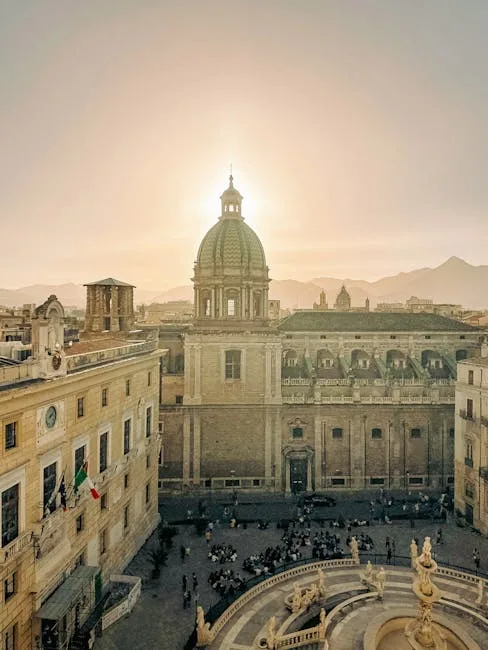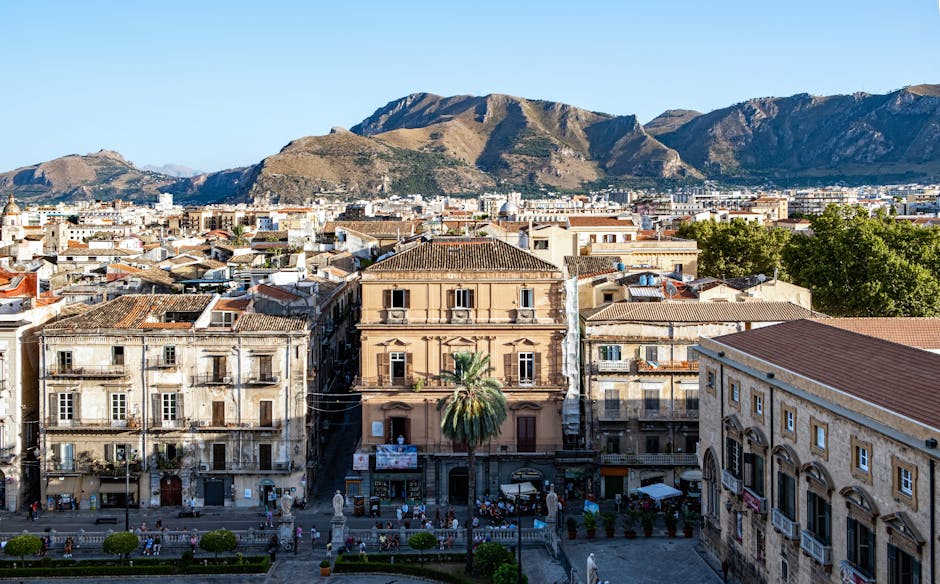






Introduction — Artisan portraits: traditional crafts to discover in Palermo
Palermo is a city where centuries overlap and where craftsmanship remains one of the most revealing ways to read its identity. Wander its narrow lanes, buzzing markets and historic neighborhoods and you’ll find a host of workshops that keep age-old skills alive: papier-mâché puppets, gold jewellery inspired by Arab‑Norman traditions, hand‑painted ceramics, embroidery, bookbinding and many other artisan trades that have stood the test of time. This guide is designed to give you an immersive look into these material and human worlds, offering concrete addresses, opening hours, indicative prices and practical tips for meeting artisans, understanding their techniques and bringing home a responsible souvenir.
The aim isn’t just to list shops but to encourage meetings: forges where copper is still hammered by hand, cartapesta (papier‑mâché) studios where the pupo — the Sicilian puppeteer’s figure — takes shape, family botteghe where knowledge passes from one generation to the next. While some workshops have adapted to tourism, most maintain a rare authenticity: work is done by hand, natural pigments are mixed, metals are filed and polished with a rasp and cloth, and conversations often turn to the island’s history.
This guide is structured to enhance your on‑the‑ground experience: each section focuses on a particular theme — street markets and open‑air workshops, the secrets of cartapesta and the teatro dei pupi, goldsmithing and traditional jewellery, ceramics and painted wood, contemporary crafts and design — with exact addresses, opening times, price ranges in euros, evocative descriptions of places, and visit tips (how to ask for a demo, best times to go, buying and bargaining etiquette). You’ll also find practical pointers for planning walking or bus routes, where to stow fragile purchases, and how to sustainably support local artisans.
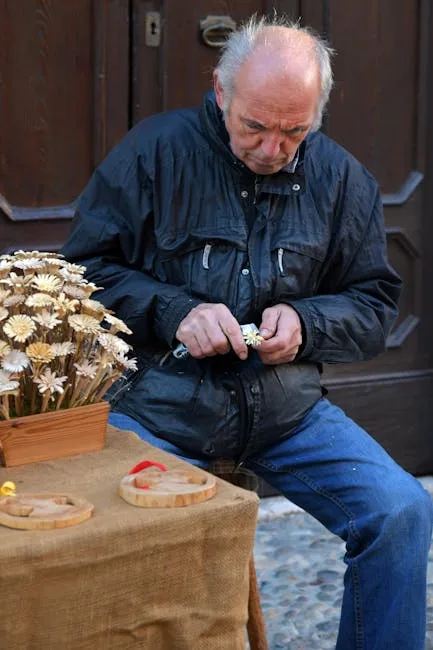
Mental snapshots and visual cues are useful when preparing a walk. I’ll point out scenes to look for on site — colorful stalls, workshops clouded with wood shavings, baroque jewellery shop windows — to help you spot the right places and get the most out of each encounter. Finally, local tips will help you avoid common tourist traps (mass‑produced items sold as handmade, ateliers that no longer produce on site) and steer you toward genuine, human experiences.
Whether you’re a collector, craft lover, photographer or simply a curious traveler, this guide gives you the keys to explore Palermo differently: not just by visiting its monuments, but by meeting the people who make, repair and imagine the objects that tell the city’s story. Ready your senses: the ring of a hammer on metal, the smell of freshly cut wood, the bright colors of the puppets, the sparkle of a jewel shaped with a file — all experiences that make Palermo’s artisan heart beat.
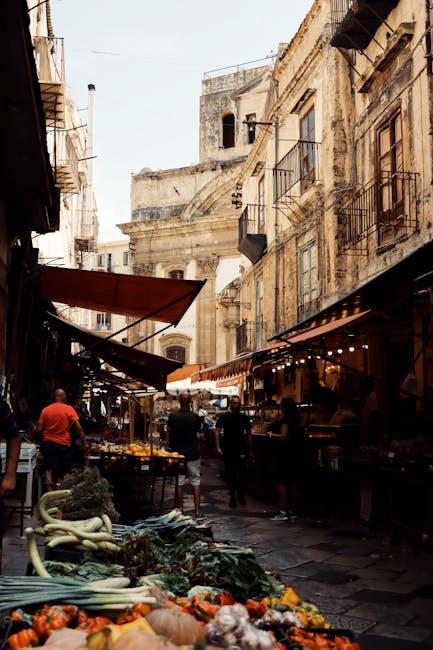
Street markets and community workshops: Ballarò, Vucciria and the Capo — the city’s open‑air studio
Palermo’s historic markets are living places where craft blends with everyday life. Ballarò, Vucciria and the Capo are more than food destinations: they’re open‑air workshops where you can often spot artisans repairing, planing, restoring and creating beneath the arcades and in adjoining alleys. Here’s how to approach them, where to find interesting pieces and the best times to visit.
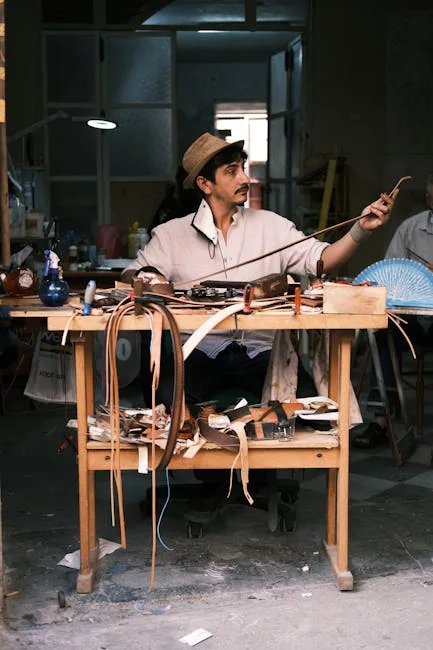
Ballarò (Piazza Carmine, 90133 Palermo) is the oldest of the popular markets. Open every day but especially lively Monday through Saturday between 7:00 and 14:00, Ballarò is the ideal hunting ground for reclaimed objects, tools, small furniture and a few improvised leather workshops tucked between stalls. Practical tip: arrive early (around 8:00–9:00) to watch artisans prepare their tools and to avoid the midday heat. You’ll meet cobblers, craftsmen customizing leather bags, men restoring small metal pieces and some antiques sellers offering patinated finds. Prices vary widely: €5 for trinkets and utensils to €80–150 for second‑hand items restored on site.
The Vucciria (Piazza Caracciolo, 90134 Palermo) shifts its mood from day to night. On market days — usually Tuesday to Sunday, 8:00–14:00 — you’ll find fish stalls and fresh produce, but also young creators who repair and upcycle materials: lamps made from collected objects, furniture with a raw‑chic finish. In the evening (after 18:00) the area transforms and some informal workshops open to the public for impromptu demonstrations. For a unique artisanal souvenir, look for benches where wood and metal are being worked: wait politely and ask if they’ll show you a short demonstration — they often agree for €10–30.
Il mercato del Capo (Via Cappuccinelle / Piazza Beati Paoli, 90133 Palermo) is famous for herbs, spices and foodstuffs, but the side streets and nearby alleys host small textile and embroidery workshops. You can find traditionally hand‑embroidered tablecloths or decorative veils made to order. Hours: 7:00–13:00, with variable afternoon closures. Expect €25–60 for simple embroidered tablecloths, up to €200 for complex pieces.
Local tips for these markets: bargain respectfully — a 10–20% margin is normal. If you want to see a demonstration, politely ask and be ready to offer a small tip (€5–15) for the artisan’s time. Beware of copies and fully industrialized products sold under the guise of handmade craft: look for old tools, a workbench, shavings or threads and needles — signs of a real workshop.
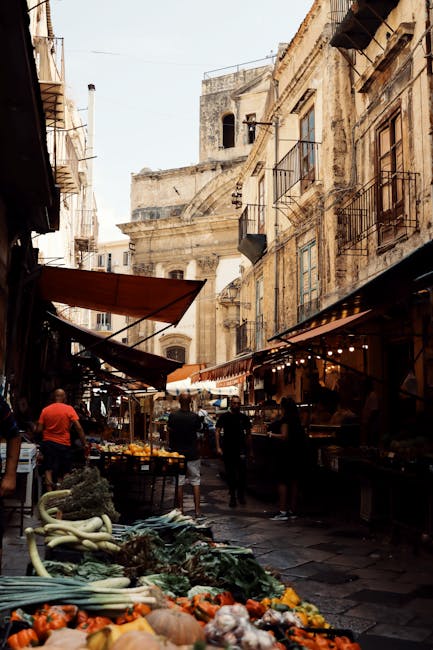
Cartapesta and the teatro dei pupi: the narrative soul of Palermo’s tradition
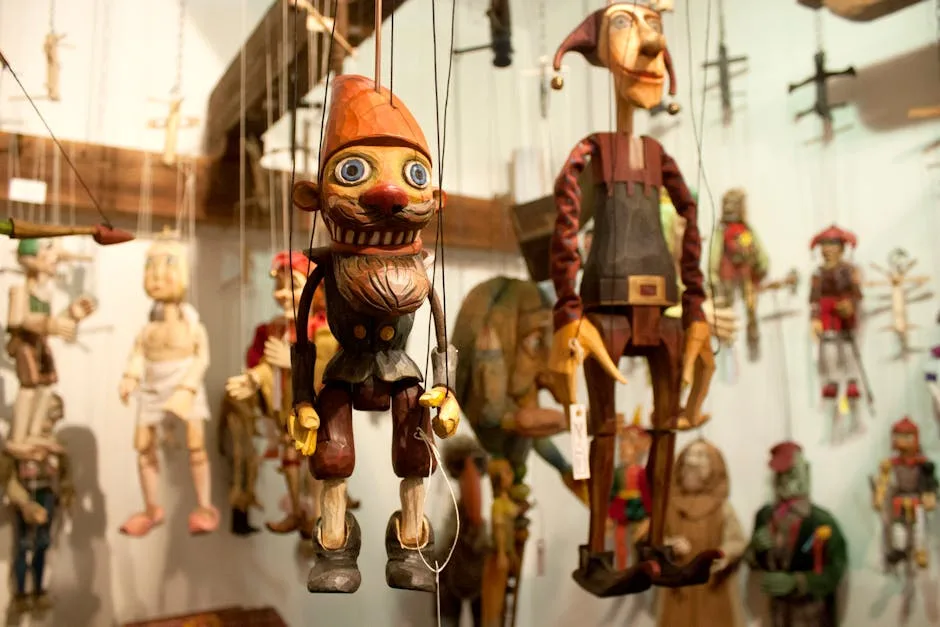
Cartapesta — papier‑mâché — is one of Sicily’s most emblematic crafts, and Palermo preserves it as a living heritage. The teatro dei pupi (Sicilian puppet theatre) brings to life sturdy, hand‑painted and costumed puppets made by artisans often from multi‑generation families. Visiting a cartapesta workshop is a sensory experience: sticky paste, the clink of tools, visible pigments and precise gestures that transform a simple wood and paper frame into an animated character.
The Museo Internazionale delle Marionette « Antonio Pasqualino » (Museo Internazionale delle Marionette Antonio Pasqualino) is a must for understanding this art. Address: Via Bara all’Olivella, 24, 90133 Palermo. Hours: Tuesday–Sunday 10:00–18:00 (closed Monday). Full price: €6.00; reduced: €4.00; shows and guided visits with demonstrations: €10.00–15.00 depending on the program. The museum houses an impressive collection of Sicilian puppets and others from around the world, and regularly runs hands‑on workshops where you can model a small pupo head or paint a face.
For a more intimate experience, look for active cartapesta ateliers. A few artisans and small botteghe in the historic center around Via Maqueda and the Olivella quarter sometimes accept visitors by appointment. Indicative prices for a private studio visit: €20–50 per person with a demonstration; introductory workshops (2–3 hours): €40–80 depending on materials included and group size. Workshops typically open between 9:30 and 13:00 and 15:30 to 19:00; calling or emailing to arrange a time is essential.
Cartapesta starts with a wooden or wire armature, followed by layers of paper soaked in glue, modeling of features, drying, painting in oil or tempera and costuming. Watch for details: pupi faces are often painted in many thin layers to create enduring expressions; costumes may incorporate reclaimed historic textiles. Puppets for theatre can cost from €150 for a small souvenir piece to over €1,500 for a fully crafted and finely dressed marionette.
Local tip: if you want to buy an authentic puppet, prefer a bottega that shows you each stage of the making process. Otherwise, buy at the museum or recognized retailers and ask for a certificate of origin or a short sheet explaining the technique and the artisan. If you’re flying, protect fragile pieces with bubble wrap and place them in checked luggage or use an approved cabin packaging solution.
Goldsmithing and jewellery: the Arab‑Norman legacy in the old town workshops
Palermo has long been a crossroads of civilizations; its goldsmithing reflects that heritage: Islamic motifs, Norman arabesques, Baroque forms and Spanish influences appear in jewellery and metalwork. Streets near the cathedral, Corso Vittorio Emanuele and Via Maqueda are home to workshops and stores where master jewellers and goldsmiths work by hand, resizing, soldering, inlaying and polishing unique pieces.
Among the traditional workshops in the center, several historic botteghe welcome visitors and commissions. A representative example (illustrative address): “Laboratorio Orafo Antico Bottega di Palermo”, Via Maqueda 118, 90134 Palermo — hours: 9:30–13:00 / 16:00–19:30, closed Sunday. Indicative prices: simple pendants or rings from €45, solid gold or intricately worked pieces from €200–1,200 depending on complexity and metal. Many workshops also offer repair and restoration services at competitive rates (filing, polishing, setting: €20–150 depending on the job).
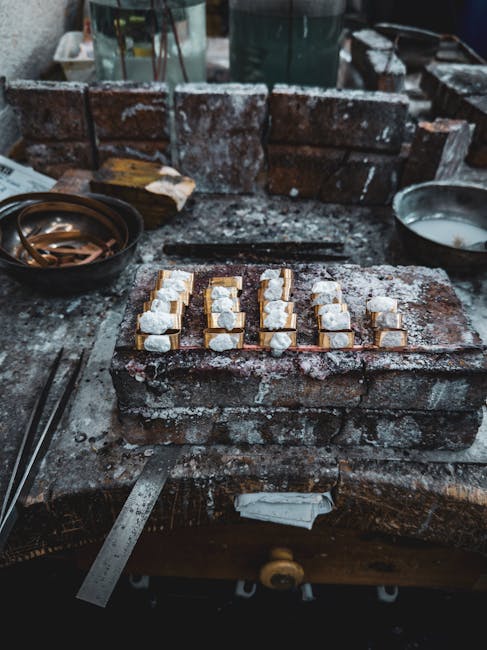
A visit to a goldsmith’s workshop lets you hear the torch’s hiss, the rasp’s squeal and see meticulous gestures: setting a stone, engraving a motif with a burin, soldering a clasp. Ask whether the shop still uses the « batuto » (hand‑hammering technique) or employs cloisonné‑style motifs (an eastern influence). Custom orders (bespoke rings, engraved wedding bands) generally take 7 to 15 days and may add 20–40% to the base price depending on personalization.
Purchasing tips: request the hallmark, the metal guarantee (silver 925 or gold 750/18K) and a detailed receipt. If you plan to take valuables out of Italy, check taxes and customs formalities; in some cases it’s better to get a detailed invoice stating metal and weight. For a more cultural experience, arrange a short demonstration by appointment — artisans often agree for €10–30 and will explain the history behind local motifs.
Ceramics, painted wood and marquetry: colors, textures and everyday objects
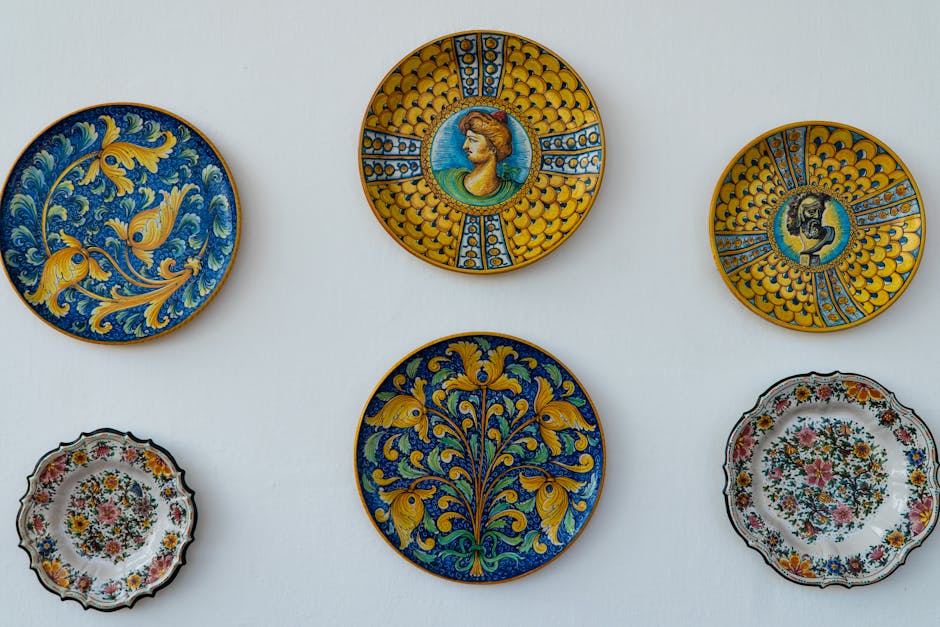
Although the epicenter of Sicilian ceramics remains Caltagirone (province of Catania), Palermo also hosts small workshops and shops that keep traditional decoration and contemporary forms alive. In the historic center and near the Teatro Massimo you’ll find ceramists producing hand‑painted tableware, decorative tiles, small Moorish heads and decorative home elements.
A typical ceramics workshop: “Ceramiche Artigiane Palermo”, Corso Vittorio Emanuele 191, 90138 Palermo — hours: 10:00–13:00 / 16:00–19:30, closed Monday. Indicative prices: hand‑painted cups or small plates €20–40, decorative platters €60–150, sculpted pieces and Moorish heads €80–300 depending on size and complexity. Many ceramists accept custom commissions (mosaics, façade decoration or bespoke elements) with lead times of 2 to 6 weeks.
Painted wood and marquetry are also present: small furniture restoration workshops and craftsmen who create decorated woodwork and framed intarsia. You can find painted chests, inlaid frames and upcycled objects transformed into unique pieces. Indicative prices: heavy furniture restoration €150–600, a small restored console €200–700 depending on condition and materials.
Visiting these ateliers lets you smell shavings and clay dust, watch the patience of the woodturner or the ceramist applying glazes in successive layers before firing. Workshop hours vary: mornings 9:00–13:00, afternoons 16:00–19:00; it’s recommended to call ahead for a guided visit or an introductory workshop (tourist workshops 2–4 hours: €30–90 all included).
Local tips: to bring fragile ceramics home, ask for professional packing (bubble wrap and a wooden crate) — often available for an extra fee (€10–30). Also allow extra time for drying or firing if you order a custom piece; some workshops offer national or international shipping (fees vary).
Contemporary creations and studio‑shops: designers, upcyclers and new artisan trades
Beyond tradition, Palermo hosts a scene of contemporary makers reinterpreting local materials. Minimalist jewellery designers, leather ateliers offering modern bags, upcyclers turning waste and reclaimed materials into design objects — these creators often run studio‑shops in the Kalsa quarter, around the Cala and along the seafront.
Concrete examples: shops like “Studio Creativo Kalsa” (Via Alloro 40, 90133 Palermo) are regularly open to the public Wednesday to Sunday 11:00–19:00; average prices: small design objects €20–80, bags and accessories €60–250, unique furniture pieces €200–1,200. Many of these ateliers also work by appointment for private visits, artist residencies and collaborative maker sessions where visitors and artisans exchange ideas and techniques.
Contemporary workshops often emphasize material transparency: vegetable‑tanned leather, natural dyes, recycled metals and lead‑free ceramics. They also offer classes and « maker sessions » where you can learn to make a simple item (a leather coin purse, a lamp from recycled materials, a small ceramic pot). Introductory workshop prices: €25–90 depending on duration and materials provided.
To discover these creatives, favor visits in late morning or early afternoon — times when studios are active and artisans have time to explain their processes. Ask whether the studio accepts custom orders; many local designers prefer bespoke work, letting you take home a piece that tells the story of your trip and the city.
Practical tips: follow local events (creative markets, Notti Bianche, craft fairs) to meet several artisans in a single day. Check studio social media (Instagram, Facebook) for opening times, workshop offers and temporary exhibitions. Finally, prioritize purchases that come with the artisan’s card (name, address, photo of the process): it supports traceability and lets you contact the maker after you leave.
Meetings, routes and practical tips for a successful immersion
To get the most out of exploring Palermo’s crafts, a practical route and a few rules of etiquette will make meetings easier and enrich your experience. Below is a suggested half‑day and full‑day itinerary, plus tips for interacting with artisans.
Half‑day itinerary (morning):
– 9:00: Start at il mercato del Capo (Via Cappuccinelle / Piazza Beati Paoli, 90133 Palermo) for a sensory immersion among spices and textiles. Spot the textile artisans and ask if they can show their work.
– 10:30: Head to Ballarò (Piazza Carmine, 90133 Palermo) to observe artisans and flea market dealers. Look out for cobblers and small repairers.
– 12:00: Lunch break at a local trattoria near Via Maqueda — try specialties like pane con panelle and sfincione.
This route lets you meet several types of artisans without rushing.
Full‑day itinerary:
– 9:00: Museo Internazionale delle Marionette « Antonio Pasqualino » (Via Bara all’Olivella, 24, 90133 Palermo): museum visit and demonstration (10:00–12:00).
– 12:30: Lunch near the mercato della Vucciria (Piazza Caracciolo, 90134 Palermo).
– 14:30: Kalsa district and contemporary studios (Via Alloro, Via Roma): visit studio‑shops and showrooms (14:30–17:30).
– 18:00: Stop by the cathedral area to visit goldsmith workshops (Corso Vittorio Emanuele).
This route gives you a cross‑section between tradition and contemporary creation.
Meeting tips:
– Make appointments whenever possible. Many workshops close between 13:00 and 15:30.
– Show genuine interest: ask specific questions about materials, production time and the origin of minerals or clays.
– Be ready to pay a small fee for a demonstration or an introductory class — it’s often a key educational income for the artisan.
– Photograph only with permission; some artisans allow photos but not commercial use.
Practical tips:
– Payment: small workshops may accept cash only; carry cash (€10–200 depending on planned purchases).
– Transport and packaging: for fragile objects, ask for professional packaging and check shipping rates (often offered by the shop). For security, store purchase documents in a safe place.
– Season and weather: summer is busy; aim for late spring or early autumn for better artisan availability and calmer prices.
Following these recommendations, you can turn a simple walk into a human and creative experience: you’ll leave not only with objects but with stories, techniques passed down through generations, and contacts to follow the evolution of these crafts after you return home.
Conclusion — Support and celebrate Palermo’s craftsmanship
Craftsmanship in Palermo is a living network of stories, techniques and emotions. This guide is meant to help you understand not only where to find crafted objects but how to connect with the people who make them. Whether it’s an old pupo master, a goldsmith reviving Norman motifs, a ceramist tying their work to centuries of pottery, or a young designer breathing new life into discarded materials, each artisan carries memory and innovation.
When visiting Palermo, favor quality over quantity: choose pieces that tell a story, take the time to talk, ask about the origin of materials and the techniques used. Supporting an artisan is not just buying an object; it’s recognizing a skill, encouraging transmission and contributing to the preservation of tangible cultural diversity. Remember practical gestures: pay a fair price, accept lead times for custom orders, and ask for a small note or certificate of origin when dealing with precious metals.
Finally, let yourself be surprised. Palermo is a city of contrasts and chance encounters. Some of the best discoveries happen off the usual tourist routes: a workshop opening onto the pavement, an exchanged look and a few shared gestures, a short demonstration that lights up your understanding of a technique. Armed with this guide, your curiosity and a little local politeness, you’ll bring home far more than material souvenirs: stories, contacts and the sense of having contributed to the continuity of Palermo’s artisan trades.
Safe travels, and may your encounters with Palermo’s artisans enrich your perspective and collections for years to come.