



Authentic finds: where to hunt for local crafts in Palermo
Introduction
Palermo is a city to be savored in small bites: buzzing markets, baroque façades, the smell of frying food, and artisans who still work by hand. If you want to bring home a real keepsake — not a mass-produced trinket but something with a story — Palermo is a goldmine. Between historic markets, lanes full of botteghe (artisan shops) and family workshops open onto the street, the Sicilian capital is a vault of handmade objects brimming with authenticity. This guide takes you to the heart of where to hunt, haggle and learn how things are made, with precise addresses, price ranges in euros, opening hours and practical tips so you don’t go wrong.
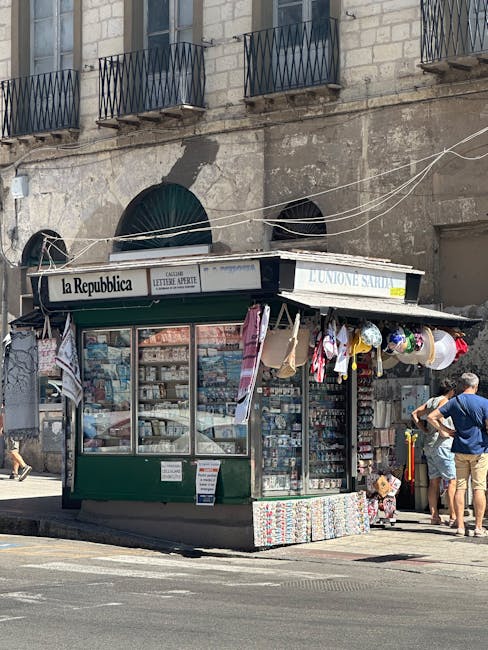
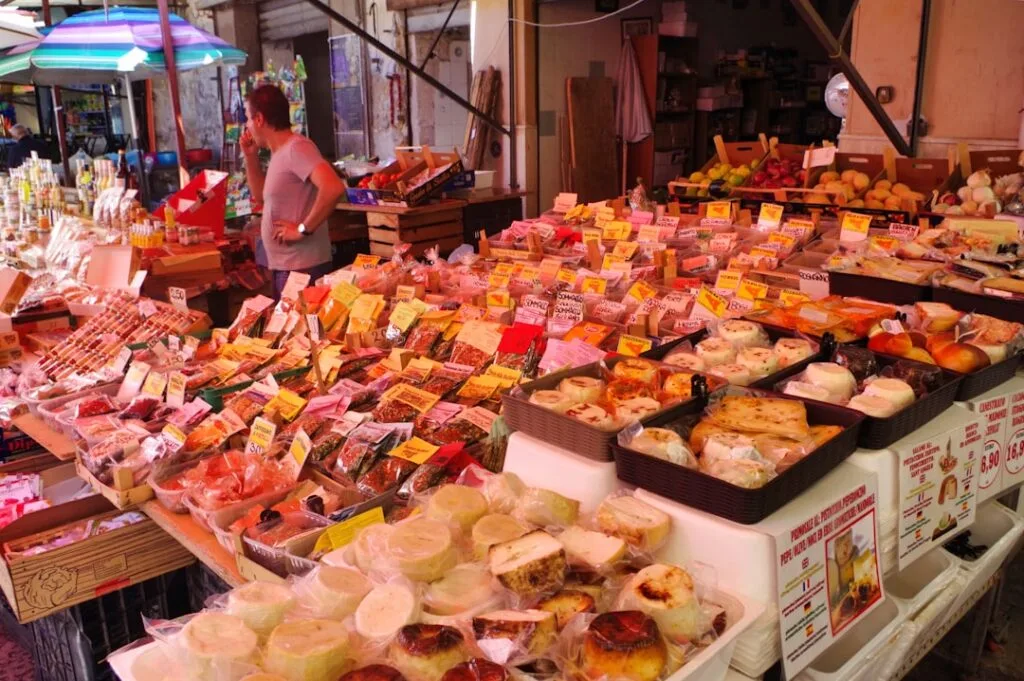
Start your quest at dawn in the food markets where vegetable stalls, fishmongers and bocconì counters line up. At Ballarò, Vucciria and Mercato del Capo, bargaining is part of the ritual, and it’s not unusual to spot local craft stalls among the roast chickens and citrus displays: woven baskets, imitation coral jewelry, traditional pastry molds and small wooden items. These markets are not just places to buy — they’re places to meet people. You’ll chat, taste, and hear the seller’s story — often the best proof of authenticity.
But Palermo isn’t limited to markets: the old town hides ceramic workshops, cartapesta (papier-mâché) studios, shops selling Sicilian marionettes (i pupi), and cabinetmakers restoring furniture with ancestral techniques. If you want a signed ceramic piece, the city has galleries and artisan shops, some located on Via Maqueda, Via Vittorio Emanuele, or near the Teatro Massimo. For the most refined pieces, or to understand the production chain, a short trip to Santo Stefano di Camastra — renowned for its colorful ceramics — can turn a simple purchase into a memorable experience.
In this article you’ll find specific spots (full addresses), typical opening hours, price estimates for different types of souvenirs, and practical advice on payment, packing and shipping. I can’t stress enough the importance of talking, observing and, when appropriate, negotiating: in Sicily the richest stories often unfold around an object and a vendor who takes the time to explain. Be ready to smell, touch, taste — and above all, to bring home souvenirs that actually mean something.
1) Historic markets where to hunt for street crafts
The three emblematic Palermo markets — Mercato di Ballarò, Mercato del Capo and Vucciria — are the most reliable places to find items that are both useful and decorative. Here’s how to approach them and what to buy.
Mercato di Ballarò (Via Ballarò, 90134 Palermo PA) is the oldest market still in operation. Hours: Monday to Saturday, generally 07:00–14:00; some stalls remain open until 18:00. The market sprawls between Via Roma, Piazza Casa Professa and Via Ballarò. You’ll find woven wicker baskets (prices: €10–€40 depending on size), rush laundry hampers (€20–€60), handcrafted silver and coral jewelry (€30–€150), and sometimes traditional glazed tableware from Sicily. Vendors often prefer cash; card payments are rare at market stalls.
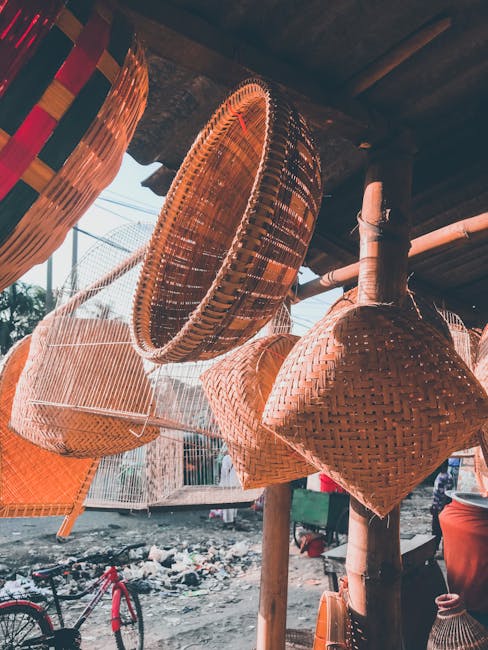
Mercato del Capo (Via Porta Carini, 90134 Palermo PA) is famous for its fish, but it’s also a place where neighborhood life comes alive. Hours: Monday to Saturday 07:00–14:00; closes early on Sunday. In the small side streets look for artisans selling handmade kitchen knives (€20–€80), engraved wooden boards (€15–€50) and hand-dyed fabrics. Sizes and finishes vary; don’t hesitate to ask to see work in progress.
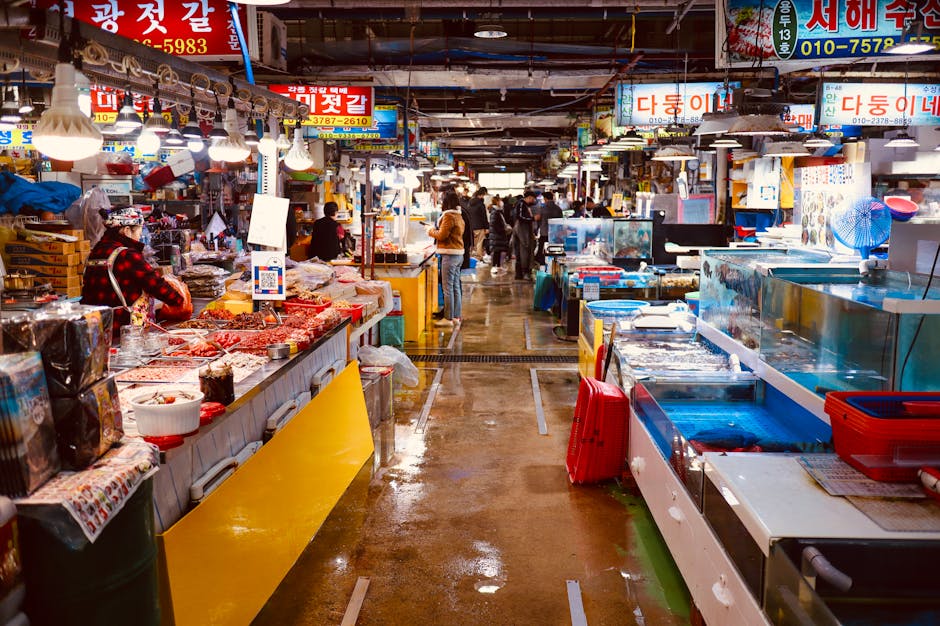
Vucciria (Piazza Caracciolo, 90133 Palermo PA) is best visited late afternoon and evening: the vibe turns electric, with bars and live music. Hours: main market early morning (07:00–13:00); nightlife picks up from 19:00. You’ll find vintage posters, engravings and occasionally patinated brass items (prices: €25–€90). It’s the spot for hunting small mirrors, handcrafted photo frames and ironwork trinkets.
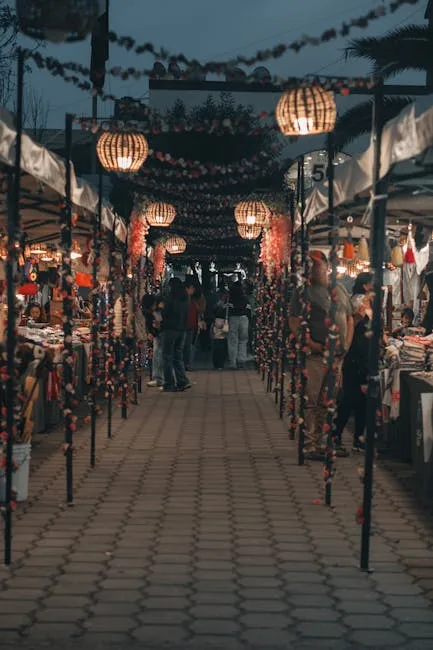
Practical tips for markets: arrive early for the best selection, bring €5, €10 and €20 notes to make transactions easier, check seams and the sturdiness of woven goods, and ask about material origins: local woods (plum, lemon) are more authentic than imported imitations. If you buy something bulky, ask the seller if they can help pack it — many know local transport or shipping services.
2) Botteghe, workshops and historic shops in the city center
Beyond the markets, Palermo has family-run botteghe and artisan workshops often established for generations. These places offer high-quality pieces and the chance to see the maker at work. Here’s a selection of must-visit spots in the historic center.
Officina delle Ceramiche di Giulia Rossi (Via Maqueda 250, 90134 Palermo PA) — while many small shops exist, some studio-galleries stand out for combining production and direct sales. Hours: Tuesday to Saturday 10:00–13:00 and 16:00–19:30; closed Sunday and Monday. Products: hand-painted plates (small €15–€35, large €60–€180), egg cups, mugs and decorative tiles. Here the craftswoman explains pigments and the lustro technique, a traditional finishing method. You can order a custom piece but expect a lead time of 2 to 6 weeks depending on the season.
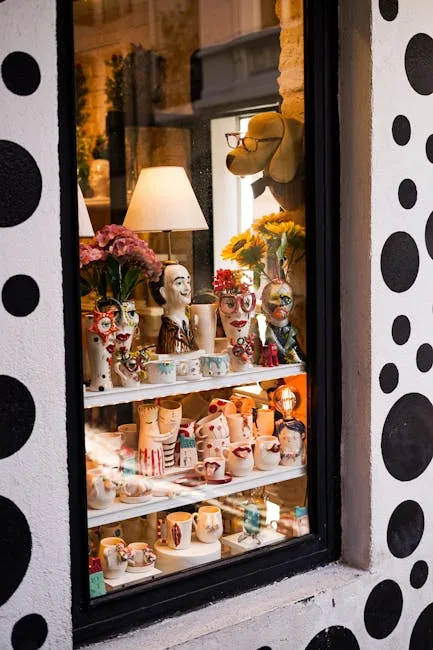
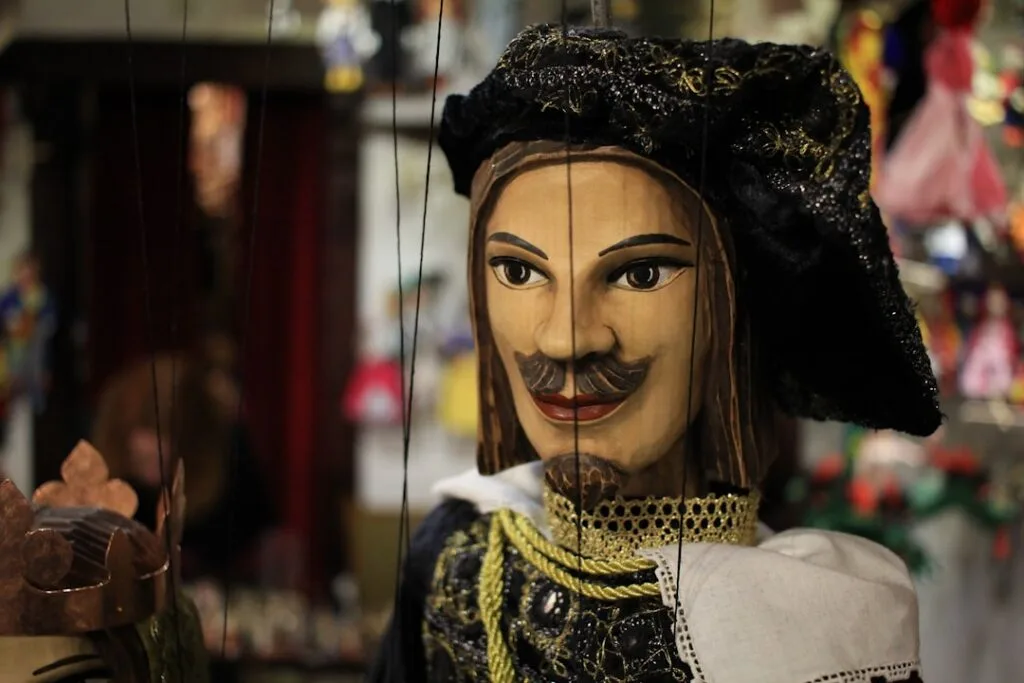
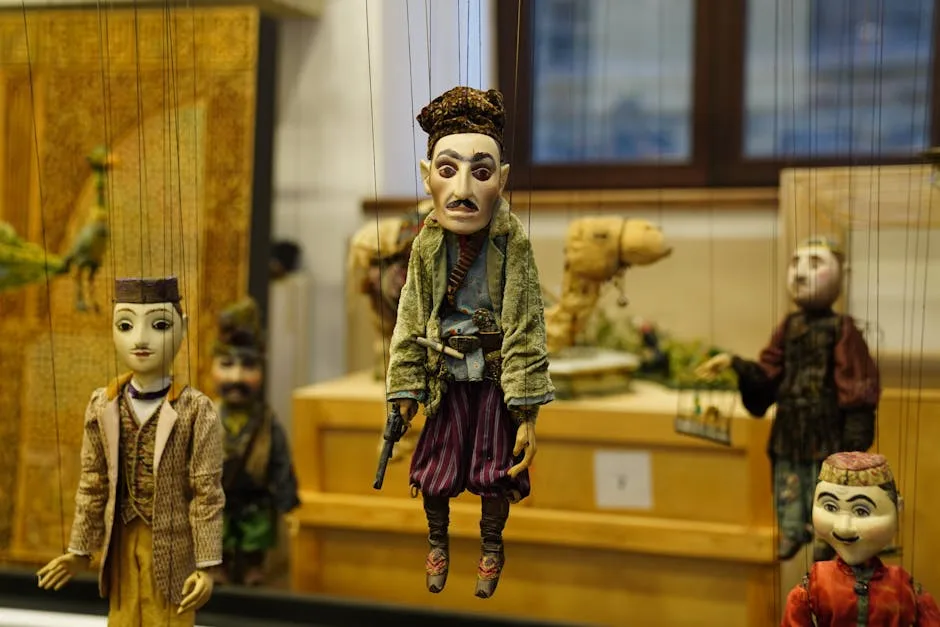
Bottega dei Pupi Siciliani — Antonio e Figli (Via Vittorio Emanuele 369, 90133 Palermo PA) — the go-to place to discover i pupi, the Sicilian marionettes. Hours: Monday to Saturday 09:30–13:00 and 16:00–19:30; Sunday by appointment. Prices: medium-sized marionettes €300–€800, miniature marionettes €50–€150. Large pieces are real works of art — expect high prices when traditional materials (leather, wood, metal) are used. The workshop also offers small cartapesta figurines (papier-mâché) from €25.
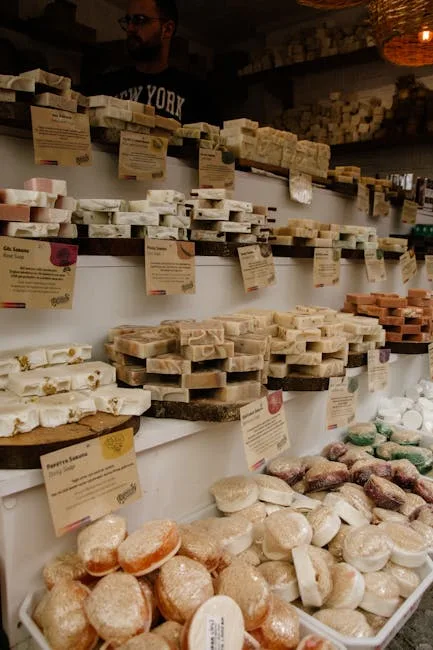
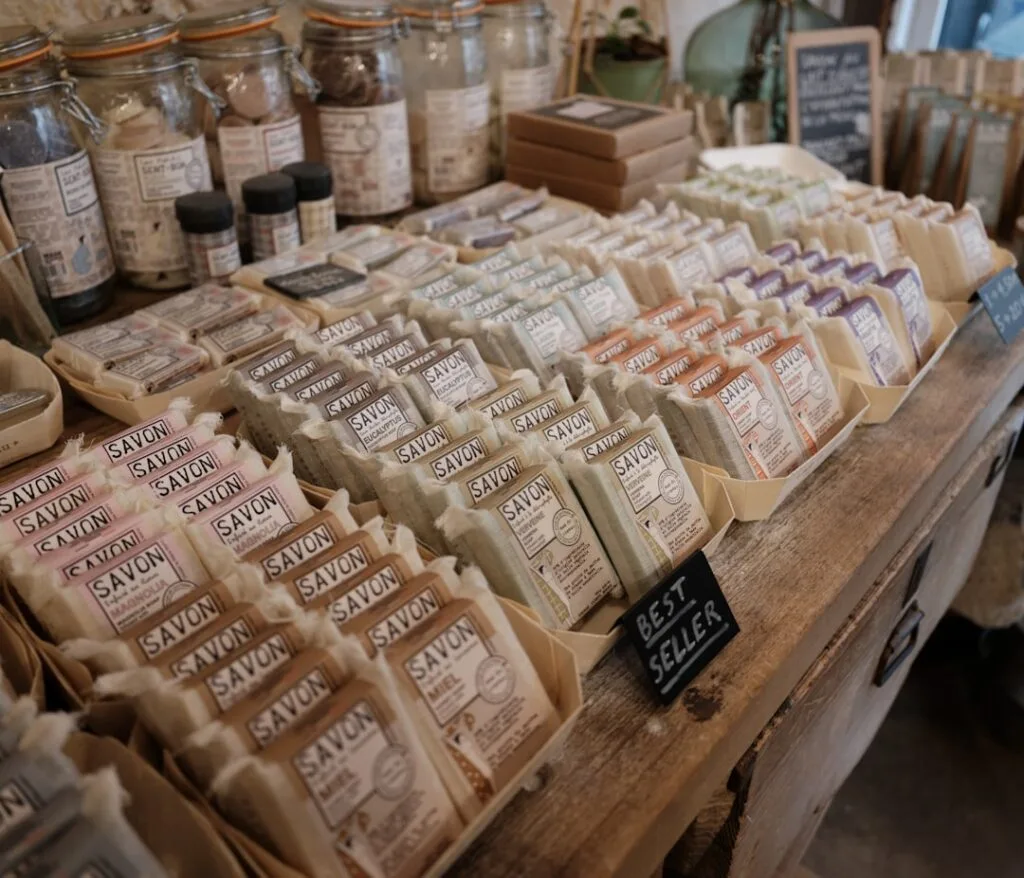
Antica Farmacia e Laboratorio Artigiano — Via Sant’Agostino 12, 90133 Palermo PA — some historic pharmacies still have workshops producing soaps, oils and artisanal liqueurs. Hours: 09:00–13:00 and 16:00–20:00, Tuesday to Saturday. Products: donkey-milk soaps €8–€15, scented oils (50 ml) €12–€30, sachets of scented sea salt €5–€12. These make practical, travel-friendly local gifts.
Practical tip: for higher-value purchases ask for an invoice (ricevuta/fattura). Reputable shops will provide proof of origin and production methods. If you plan to ship abroad, ask the merchant if they offer reinforced packing and a « fragile » label. Many work with SDA, Poste Italiane or international couriers at varying rates (generally €20–€80 depending on weight and destination).

3) Ceramics pilgrimage: Santo Stefano di Camastra and its workshops
For ceramic lovers, a roughly 1h30 trip from Palermo takes you to Santo Stefano di Camastra, a historic town famous for its colorful earthenware. Outside Palermo, this destination is worth a full day if you want an authentic signed piece by a master ceramist.
Santo Stefano di Camastra — workshops and shops (Via Roma 1, 98077 Santo Stefano di Camastra ME). Hours: most workshops open 09:00–13:00 and 16:00–19:30, some shops closed Sunday morning. In Santo Stefano you can visit workshops like « Ceramiche Venezia » (Via F. Crispi 22) or « Laboratorio Mannino » (Via Garibaldi 45) which often allow you to see kilns firing and hand-painted decoration. Prices: hand-painted plate €35–€120, decorative wall centerpiece €80–€400, decorative planters €60–€250 depending on size and complexity. Large ornate pieces, typical of Sicilian tradition, can exceed €400.
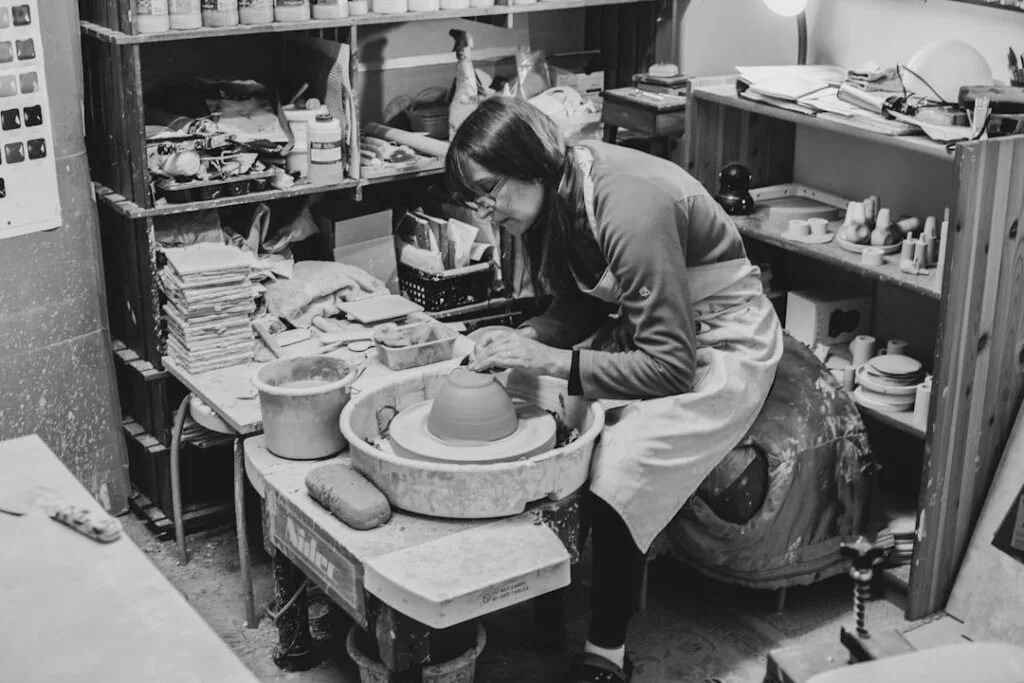
The main benefit of visiting Santo Stefano is the chance to negotiate a signature and a certificate of authenticity. Workshops will explain different clays, slips and firing times. If you’re traveling light, many studios offer international shipping: expect €30–€150 depending on breakage risk and declared value. To save money, bring home flat, lightweight pieces that are easy to bubble-wrap (or ask the workshop to do it).
Visiting tip: combine the trip with the northern coast for a full-day outing — driving is recommended. If you use public transport, double-check train and bus schedules (services are regular but some connections require planning). Bring a cheque or card for higher-value purchases; some workshops don’t accept cards for small items and prefer cash for immediate sales.
4) Hands-on workshops and experiences: learn as you buy
A souvenir becomes twice as meaningful when you helped make it. Palermo offers several workshops where you can try your hand at ceramics, cartapesta or puppet-making. These experiences don’t just give you an object — they give you the story of how you made it, perfect for a meaningful gift.
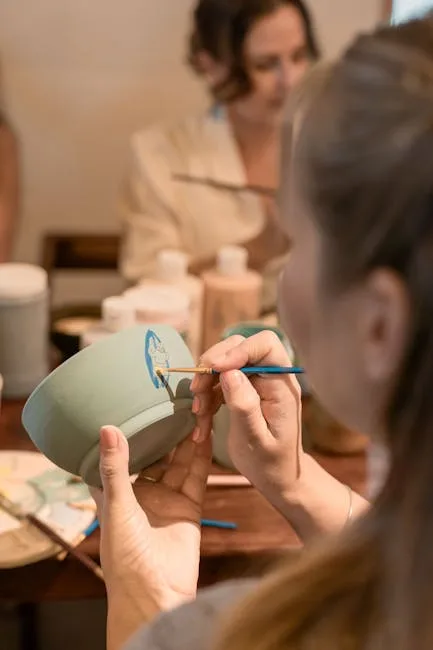
Atelier CreaCeramica Palermo (Via Sant’Agostino 9, 90133 Palermo PA) offers 2–3 hour beginner sessions. Hours: workshops generally run 10:00–13:00 and 15:00–18:00, booking recommended. Price: €45–€75 per person (includes a medium-sized piece to paint; firing and shipping possible for an extra €20–€40). Ideal for painting your own bowl or plate with guidance from a local ceramist.
Laboratorio di Cartapesta — Via Maqueda 181 runs 90-minute workshops on making and decorating papier-mâché figures. Hours: by appointment, usually 10:00–12:00 and 16:00–18:00. Price: session €35–€55; finished figurine (including drying) €25–€60 depending on size. These workshops are perfect for light travel: most pieces can be carried in hand luggage (miniatures) or shipped.
Show & Tour with i Pupi: several artisans offer a short show followed by a workshop, for example at « Antonio e Figli » (see address above). Price: show + short demo €10–€25 per person; puppet-making workshop €60–€120 if you want to create a mini-marionette. These experiences are great for families and fans of Sicilian popular theatre.
Booking tips: reserve in advance during high season (May–Sept), check whether the price includes postal shipping, and wear clothes you don’t mind staining (clay and paint). Workshops are often bilingual or will provide English explanations if you request them when booking.
5) Practical tips for buying, transporting and verifying authenticity
Buying local comes with responsibility and planning. Here are concrete tips to avoid common mistakes and bring your discoveries home safely.
- Keep an eye on authenticity: always ask about the origin of the material and the production method. A certificate of authenticity for a ceramic or an invoice for a puppet will protect you in case of export or mishandling.
- Bargaining: bargaining is normal at markets. Start by offering 10–20% below the listed price, especially if buying several items. In established shops the room to haggle is usually smaller but possible for bulk purchases.
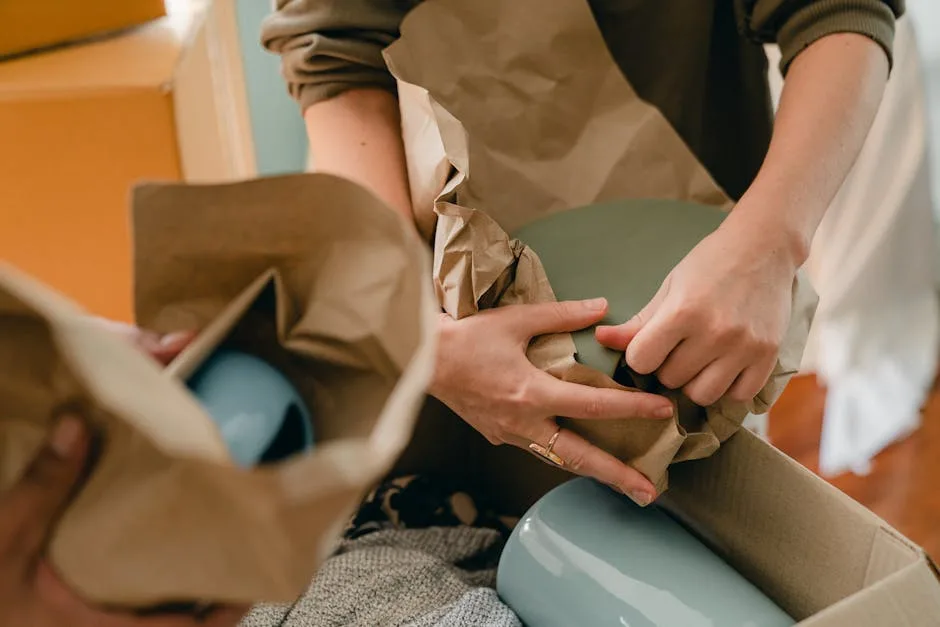
- On-site packing: ask the seller to pack items; workshops and markets often know local techniques to protect goods. Price: €2–€10 for basic packing, more for professional reinforcement.
- Shipping: Poste Italiane and private carriers offer national and international shipping. Expect to pay between €20 and €150, depending on fragility and destination. Check your country’s customs rules for coral, leather or food products.
- Payment: carry cash (especially for markets). Cards are accepted in most shops and workshops but not by all street vendors.
- Respect and sustainability: avoid buying items made from protected species (natural coral, ivory). Favor merchants who use local and sustainable materials.
- Airport transport: if you bring fragile items, check your airline’s rules for fragile luggage and consider buying a hard-case suitcase for checked baggage.
Conclusion
Palermo is a city where every object carries the memory of a gesture, a workshop and a family story. From the stalls of Mercato di Ballarò to the studios on Via Maqueda, through the workshops of Santo Stefano di Camastra and the historic puppet shops, the city offers an endless palette of authentic souvenirs. Bring home a hand-painted plate, a Sicilian marionette, an artisanal soap, or simply a locally woven basket: these items will always take you back to the hum of the markets, the scent of citrus and the warm conversations with artisans.
Before you buy, keep the practical tips in mind: check authenticity, favor sustainable materials, haggle with respect, ask for an invoice for valuable pieces, and arrange packing and shipping. Also take the time to talk — the seller’s story and a demonstration of a craft technique give your souvenir an intangible value that nothing can replace. Finally, if you have time, extend your search beyond Palermo — Santo Stefano di Camastra for ceramics or other Sicilian towns for embroidery and woodwork — for even more unique pieces.
Hunting for treasures in Palermo means allowing yourself to get lost in the alleys, to linger in front of a workshop, to ask questions and sometimes to leave with a larger item than planned — but one that carries the full weight of a craft passed down through generations. Happy shopping and, above all, enjoy the encounters!