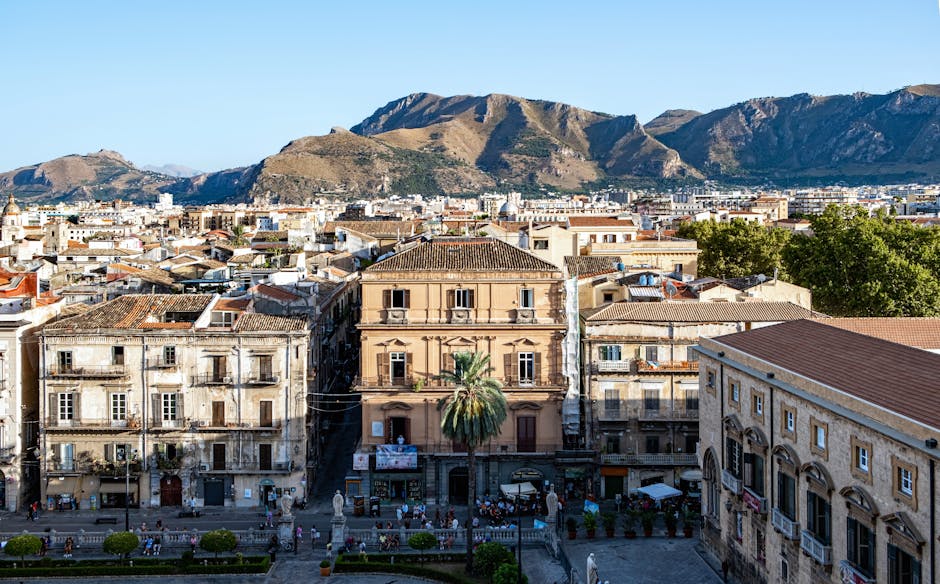






Introduction — History and Scents: a sensory walk through Palermo’s historic gardens
Palermo, the capital of Sicily, is a city where history is written as much in stone as in foliage. Between Norman palaces, Baroque churches and lively markets, the city’s historic gardens offer cool oases of memory and fragrance — places where botanical culture meets the layers of Arab, Norman, Spanish and Italian occupations. Walking through these gardens is a way to sense the city through its aromas: the citrus brightness of orange and lemon trees, the velvety leather scent of magnolias, the resinous note of pines and the musky smell of centuries-old ficus. These scents tell stories of trade routes, elite tastes and the adaptation of eastern species to Mediterranean soils.
This practical, general guide takes you to the heart of Palermo’s main historic gardens, offering useful details (exact addresses, opening hours, prices in euros), immersive descriptions and local tips to make the most of each visit. The gardens presented here are places where history and nature converse: from the Orto Botanico, a scientific conservatory of Mediterranean and exotic flora, to the large royal parks once used for hunting, and the urban garden squares planted to provide shade and conviviality. Each garden has its own olfactory identity: breathe the freshness of a plane-tree–lined avenue, the sweet scent of orange blossom in the morning, and the balsamic hint of pines at dusk.
This route is not just descriptive: it provides practical advice for a successful visit — when to come for the most striking blooms, which spots to avoid under full sun, where to sit and listen to the city, and how to combine these gardens with other heritage sites in Palermo. Addresses and prices are up to date at the time of writing; still, it’s always wise to check local updates (seasonality, special events, closures). Whether you’re a curious traveler, a photographer hunting for unique frames, an amateur naturalist, or simply someone seeking a quiet corner, this guide will help you appreciate the botanical and historical richness of Palermo’s gardens.
Finally, Palermo’s gardens are living spaces, often animated by plant markets, cultural activities or evening concerts. Learning to read how these areas evolve — between heritage conservation and contemporary uses — enriches the experience. Let yourself be led by the scent of jasmine at twilight, the coolness of a shaded basin, and the soft voice of leaves in the Sicilian breeze: this is a historical and sensory dive into Palermo’s historic gardens.
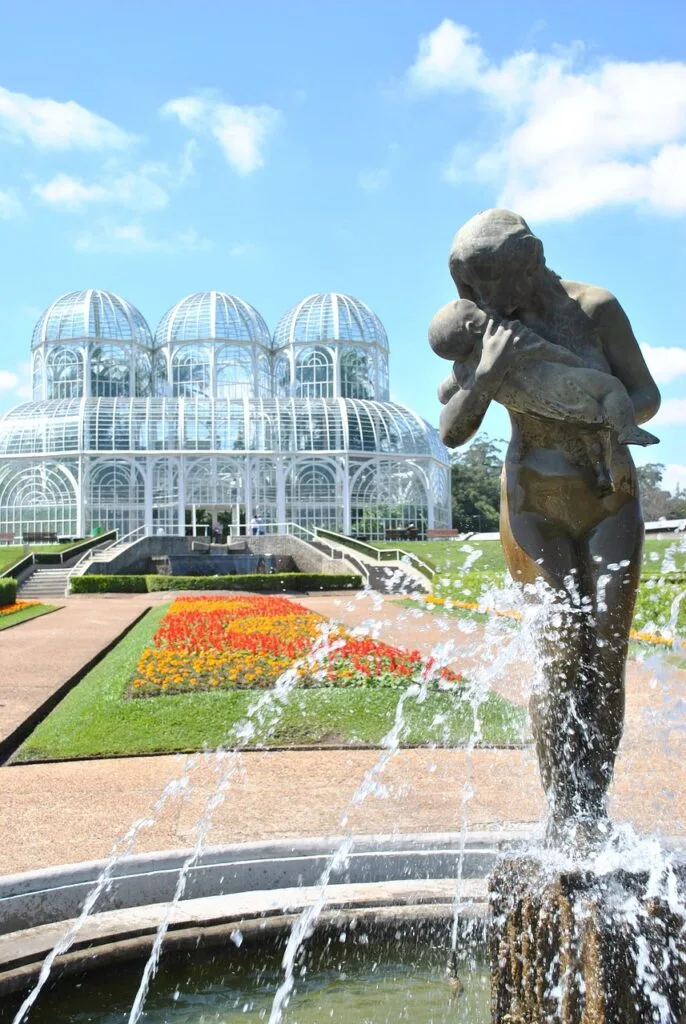
Orto Botanico di Palermo — living scientific collection and a symphony of scents (Via Lincoln, 2)
The Orto Botanico di Palermo, officially Orto Botanico dell’Università di Palermo, is one of Italy’s most important botanical gardens and a true living laboratory of biodiversity. Address: Orto Botanico di Palermo, Via Lincoln 2, 90133 Palermo. The garden is part of the University degli Studi di Palermo and stretches across several hectares, showcasing remarkable collections: palm groves, a carnivorous plant greenhouse, cactus and succulent collections, and a historic arboretum. The paths create plant ‘rooms’ where each sector offers a different olfactory palette — the sweetness of citrus flowers near the citrus collections, the resinous note of conifers, and the dry, mineral aroma of Euphorbiaceae and cacti under the Sicilian sun.
Opening hours and fees (subject to change — check before you go): generally open Tuesday to Sunday; typical hours: 09:00–17:00 (closing times may vary by season, see the official site for extended summer hours). Indicative adult price: €7.00; reduced price (students, seniors): €5.00; free for children under 6. Occasionally there are combined rates or paid guided visits organized by the university. Entry is through the main gate on Via Lincoln. Tickets can be bought at the on-site ticket office; for groups or specialized guided tours, it’s advisable to book in advance via the University website.
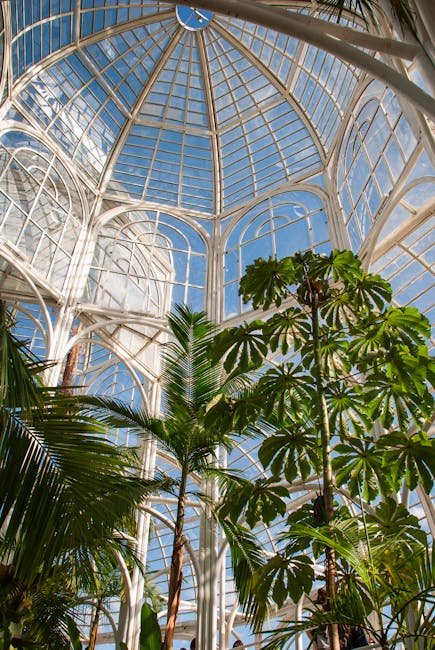
Immersive description: step in and breathe. The plane-tree–lined avenue leads you to the historic greenhouse where glass captures the light and creates a tropical atmosphere: warm, humid air carries the scent of ferns and orchids. The Mediterranean section reveals familiar aromas — rosemary, where planted, lavender, myrtle and orange trees — while the palm collection offers a greener, almost metallic scent created by the mix of broad leaves and warm air. Educational panels explain species’ geographic origins: see how plants from the Old World and the New World coexist under the same Sicilian sky.
Local tips: arrive early to beat the heat and enjoy morning blooms (citrus and jasmine scents are strongest then). Bring water and a hat; some paths are very sunny. For photographers, late-afternoon light filtered through tall trees produces beautiful contrasts. If you’re traveling with family, look for the carnivorous plant greenhouse and the cactus collection to wow the kids. Finally, pair the visit with a stroll in the nearby Foro Italico neighborhood to extend your seaside discoveries of Palermo.
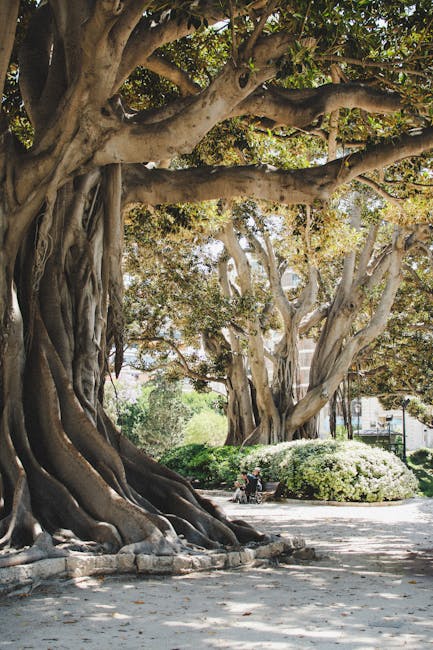
Piazza Marina and Giardino Garibaldi — under the ancient shade of the ficus (Piazza Marina, 90133 Palermo)
Piazza Marina is one of Palermo’s most iconic garden-squares. Address: Piazza Marina, 90133 Palermo. At its center is the Giardino Garibaldi, planted with Ficus macrophylla (giant ficus) imported in the 19th century, some of which are notable for their size and leafy vaults. These trees create a pleasant microclimate: the air is cooler, damper and scented with a green, earthy note mixed with the leaf litter of old trees. Surrounding the garden are historic facades, cafés and palazzi, making Piazza Marina a place where urban history and nature overlap.
Hours and fees: Piazza Marina and Giardino Garibaldi are public spaces open at all times (free access). There’s no ticketing, which makes it a perfect stop for any visitor at any hour. Night lighting and nearby bars and restaurants keep the square lively after dark, but as with any urban space, it’s wise to stay cautious at night.
Immersive description: sit on a bench beneath the ficus canopy and listen as the city quiets: conversations, footsteps, children’s voices and the constant rustle of leaves. Aerial roots and massive trunks form a vegetal cathedral; the shade is deep and the scent of earth and vines sometimes mixes with a sweet, piquant aroma from nearby trattorie. The broad paths invite slow walks, reading and coffee breaks. In summer, small artisan or plant markets may appear, adding scents of freshly repotted soil and aromatic herbs sold by local growers.
Local tips: Piazza Marina is perfect for a break after exploring the historic neighborhood (Palazzo Chiaramonte-Steri and surrounding alleys). Bring a small picnic blanket if you want to enjoy an outdoor lunch, but respect local cleanliness rules. In the morning, near the north benches, the light is crisp and creates great photo opportunities — especially if you want to capture the ficus from trunk to crown. If you’re interested in the trees’ histories, look for commemorative plaques and ask at the tourist information kiosk; these trees often have stories tied to local figures or 19th-century events.
Real Parco della Favorita — royal park and scented trails (Parco della Favorita, Viale Diana / Viale del Fante)
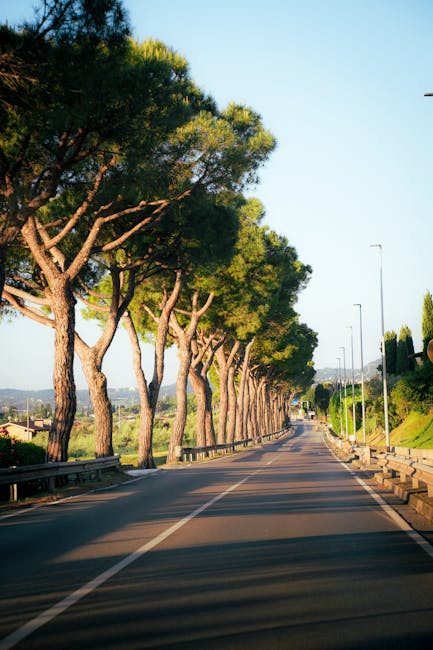
The Real Parco della Favorita (often shortened to Parco della Favorita or La Favorita) is the large historic park linked to the Norman Palace and royal residences. Combining orderly and wild elements, it was designed to offer the court promenades, grazing and hunting grounds — today it’s a vast green lung much loved by Palermitans for jogging, cycling and picnics. Main access points are on Viale Diana and along the avenues bordering the park; commonly used address: Parco della Favorita, Viale Diana, 90139 Palermo (approximate coordinates for main entrance). The park covers several hundred hectares and crosses woodlands dominated by Aleppo pines, oaks and olive trees, which release resinous and sea-scented aromas when winds blow from the nearby gulf.
Hours and fees: the park is generally open year-round, from dawn until dusk; access is free. Certain areas may be temporarily closed for maintenance or events. Note: opening times can change with the seasons and municipal regulations; lighting is limited at night. Organized activities (guided hikes, cultural events) may carry fees and require reservations.
Immersive description: follow paths plunging into masses of pines and breathe the balsamic, resinous perfume typical of Aleppo pines. In olive grove areas, in spring the air carries softer, herbaceous notes mixed with a slight bitterness from olive leaves. La Favorita also offers clearings with wild Mediterranean species and tall grass patches where biodiversity is rich — butterflies and insects feed on summer inflorescences, and the bloom seasons turn the park into an olfactory patchwork. Within the park, remnants of agricultural structures and viewpoints offer views over the Gulf of Palermo; from these spots the marine scent blends with resin — a characteristic regional mix.
Local tips: for a full experience, rent a bike (many rental shops offer half-day options) and explore the avenues at dawn when scents are freshest and the light is golden. Pack insect repellent for late-afternoon summer walks. If you enjoy birdwatching, bring binoculars: La Favorita is a good spot for observing several migratory species. Also pair your visit with nearby Mondello if you want to continue the outing with a beach stop and sea panoramas.
Villa Giulia and central gardens — small plots, big stories (Castellammare district / Piazza Giovanni Gentile)
Villa Giulia is a historic urban garden located in central Palermo, often frequented by locals for daily relaxation. Address commonly given for Villa Giulia: Piazza Giovanni Gentile, 90144 Palermo (check exact access depending on the entrance you choose). This small municipal park is rich in Mediterranean species: citrus, laurels, palms and flowering shrubs. Created in the modern era to offer citizens a leisure spot aligned with urban promenades, Villa Giulia today is a meeting place and a starting point for strolling the commercial avenues and visiting nearby museums.
Hours and fees: Villa Giulia, like many small city-center gardens, is free to enter and stays open during daylight; night access may be restricted by the municipality. No entrance fee applies, though temporary greenhouses or exhibitions may occasionally host paid activities.
Immersive description: a walk through Villa Giulia is a succession of intimate scenes: a central fountain whose water adds a cool, slightly chlorinated note to the air, hedges that release the scent of dried herbs in summer, and shaded benches dominated by palm silhouettes. In the morning, orange blossoms emit a penetrating, sweet aroma, while southern afternoons bring out resinous scents under the sun. Locals often use the park for quiet conversations and a mid-day riposo in the shade. The well-laid paths are stroller- and wheelchair-friendly.
Local tips: Villa Giulia is ideal for a stop between two sightseeing sessions in the historic center. If you’re after a quality coffee, head to the adjacent streets for an espresso and a Sicilian pastry — proximity to bookstores and galleries also makes it a good starting point for a cultural stroll. In summer, favor morning or late-afternoon visits to avoid the heat; in autumn, enjoy late blooms and changing leaf colors.
Conclusion — between vegetal memory and sensory pleasures: planning your visit
Palermo’s historic gardens are more than simple green spaces: they are living witnesses to the city’s political and cultural histories, scientific laboratories, and daily refuges. From the Orto Botanico di Palermo, a high-quality scientific conservatory, to the shaded majesty of Piazza Marina, the wild expanse of Parco della Favorita and intimate gardens like Villa Giulia, each site offers a unique sensory and olfactory palette. Recognizing these scents — citrus, resin, damp earth, aromatic herbs — lets you experience Palermo differently, combining visual observation with an often-overlooked olfactory and tactile dimension.
Before you go, a few practical tips to get the most out of your visits: always check opening times and prices (especially for the Orto Botanico, which may vary by season), favor cooler hours (morning or late afternoon) for clearer olfactory impressions, and carry water, a hat and light luggage. If you plan to photograph, morning and late-afternoon light reveals exceptional textures and contrasts — and consider a macro lens to capture floral details and visiting insects.
Finally, respect these spaces: do not pick plants, avoid leaving litter and familiarize yourself with local rules (restricted-access areas, permitted activities). Engage in responsible discovery: learn about conservation programs and, if possible, join a guided tour organized by local associations or the university. These initiatives help understand the ecological and heritage value of the gardens and support their upkeep.
Palermo reveals its scented history through its gardens: every path, plant and bench tells a piece of the urban story. Whether you love science, history, photography, hiking or simply wandering, the city offers gardens where plant heritage and human memory meet. Take the time to smell, listen and observe — these are precious keys to appreciating the intimate, lasting richness of Palermo’s historic gardens.