





Introduction: A Secret Stroll Through Palermo’s Hidden Gardens
Palermo, the lively capital of Sicily, is often celebrated for its bustling markets, Norman churches and medieval alleyways. But beneath that energetic surface lie pockets of calm — lesser-known gardens and parks that offer unexpected breathing space for those who look. These green corners tell the city’s story: aristocratic palaces turned into lush villas, imported citrus groves, exotic greenhouses and shaded cloisters. They’re refuges for locals, studios for photographers and secret spots for curious walkers. This article will guide you step by step on a secret stroll through Palermo’s hidden gardens, with exact addresses, opening times, admission fees, immersive descriptions and practical tips to help you make the most of each place.
You’ll discover the Orto Botanico di Palermo, a microcosm of Mediterranean and tropical plants tucked behind the university’s imposing palace; Villa Malfitano Whitaker, a booklet-like villa where Art Nouveau meets luxuriant gardens; Giardino Garibaldi at Piazza Marina, hiding surprising botanical and sculptural heritage; the vast Parco della Favorita at the foot of Monte Pellegrino, a sanctuary of tall pines and rolling lawns perfect for a regal picnic; and other small green paradises — private gardens and cloisters accessible via guided visits. Each stop includes practical details — full address, entry price, seasonal hours and local tips — so you can plan a stress-free walk that’s respectful of the sites and rich in discoveries.
As you read on, imagine the gentle warmth of a Sicilian afternoon, the scent of ripe citrus, the chirp of sparrows among shaded paths and the soft trickle of a Renaissance fountain. Palermo’s gardens aren’t just places — they’re sensory experiences. They also reveal the city’s many layers, where Arab, Norman and Baroque influences shaped unique plant landscapes. Whether you’re a photographer chasing the perfect sunrise light, a reader seeking a quiet corner, or a curious traveler wanting to stray off the usual tourist routes, this guide gives you everything you need to explore these hidden green spaces with confidence.
We’ll finish with practical advice (transport, safety, best times, recommended gear), a suggested half-day or full-day route and tips on how to respect and help preserve these fragile places. Bring comfortable shoes, a sun hat and a notebook: Palermo opens its secret gardens to you — are you ready to discover them?
Orto Botanico di Palermo: The City’s Scientific Oasis
Address: Orto Botanico di Palermo, Via Lincoln 2A, 90133 Palermo
Price: Full price around €6.00; reduced for students and seniors €3.00 (indicative — check locally)
Opening hours: Usually open from 9:00 to 17:00 (longer hours in summer), closed on some holidays — consult the Università degli Studi di Palermo website for seasonal updates.
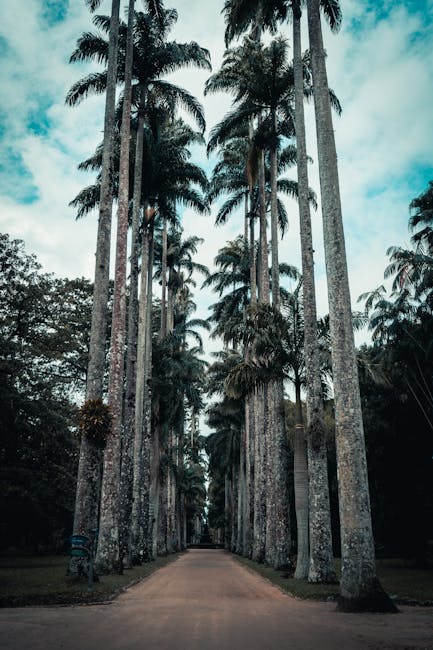
The Orto Botanico di Palermo is one of Italy’s oldest botanical gardens and a living laboratory for plant research. From the moment you step in, the variety is striking: avenues lined with towering palms, Victorian greenhouses housing tropical collections, ponds filled with waterlilies and rows of fragrant citrus trees. Each area is arranged by theme — Mediterranean plants, succulents, exotic trees — with explanatory panels in Italian and often English.
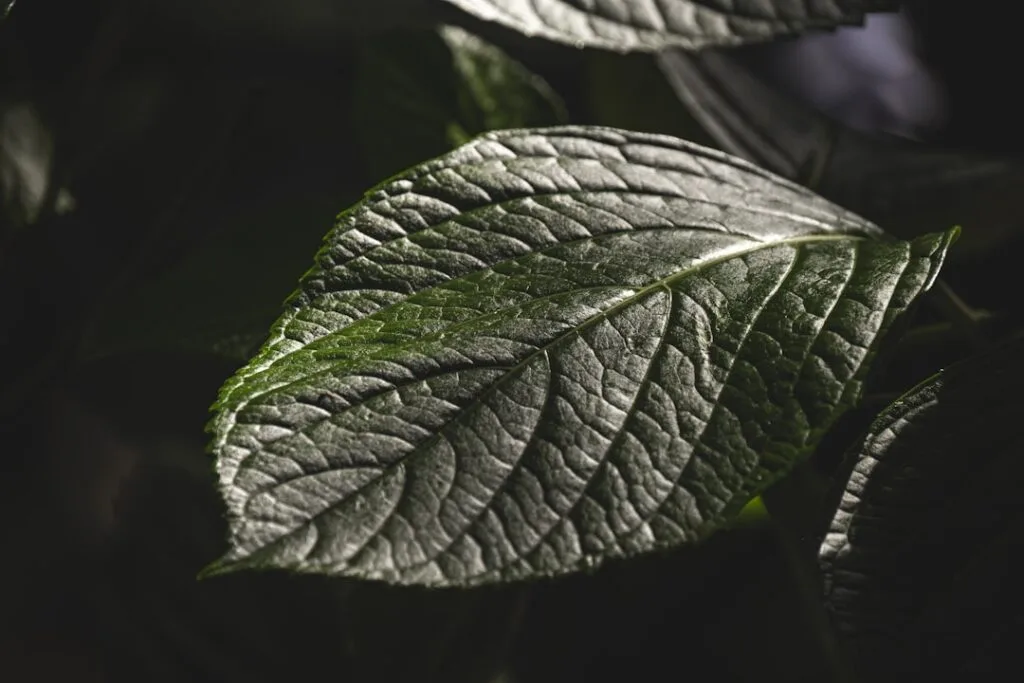
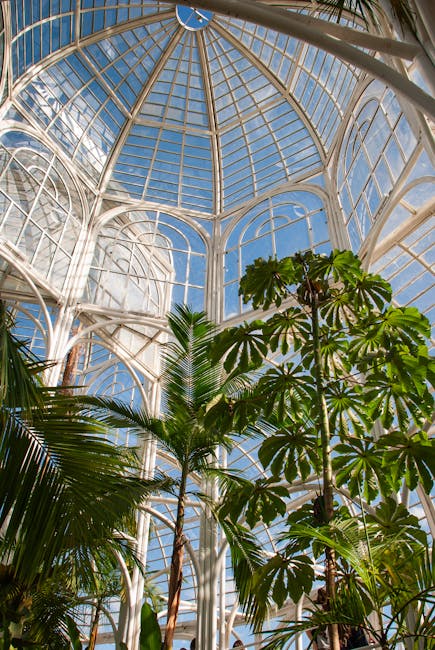
Wander slowly along the main avenue, spot the impressive Ficus magnolioides and the moss-covered cypresses; don’t miss the dome greenhouse, a humid immersion ideal for rare ferns and orchids. The Orto is perfect for botanical photography: textures, backlighting and shadow patterns on leaves provide visual drama at any hour. Botany students sometimes run free or low-cost guided tours — ask at reception.
Practical tips: arrive early to avoid heat and crowds, bring water (not always available on site) and wear closed shoes if you plan to explore the less-trodden paths. The garden is reachable by public transport (city bus; nearby stop: Policlinico/Università) and is a short walk from the central station for train travelers. Photography is allowed for personal use; check rules if you plan commercial shoots. And please obey the signs: picking plants or sitting on sensitive plant areas is prohibited.
 Click here to book your professional photoshoot in Palermo
Villa Malfitano Whitaker: A Private Villa and Exotic Gardens
Address: Villa Malfitano Whitaker, Via Dante Alighieri 167, 90141 Palermo
Price: Guided tours usually cost around €8.00 – €12.00 depending on the event; check the website or visitor center
Opening hours: Variable — often Tuesday to Saturday 9:00–13:00 and 15:00–18:00 for guided visits; closed for private events. Booking recommended.
Villa Malfitano Whitaker is a late 19th-century jewel built for British-Sicilian merchant Joseph Whitaker. Inside, richly decorated Art Nouveau rooms and exhibition halls open out onto a lavish garden: tropical palms, colorful azaleas, ponds and scattered sculptures in cooling clearings. The contrast between the villa’s elegant façade and the garden’s exuberance creates a hushed, almost theatrical atmosphere.
Guided tours, usually in small groups, let you enter private salons and hear anecdotes about the Whitaker family, collectors and patrons of the arts. The garden is an excellent place to spot rare botanical species acclimated during nineteenth-century colonial exchanges. Art history lovers will appreciate the interior frescoes and stained glass highlighted by the guides.
Practical tips: the villa sometimes hosts temporary exhibitions and morning concerts — check the cultural program. Accessibility may be challenging for visitors with reduced mobility; inquire beforehand to arrange assistance. To reach Villa Malfitano: city buses (several lines serve Via Dante), taxi or tram depending on your starting point. Also respect indoor photo rules (often forbidden without permission).
Click here to book a private tour of Palermo’s hidden gems
Giardino Garibaldi (Piazza Marina): Centuries-Old Trees and Norman Shadows
Address: Giardino Garibaldi, Piazza Marina, 90133 Palermo
Price: Free entry
Opening hours: Public park open all day; best visited during daylight hours (avoid the paths late at night for safety reasons)
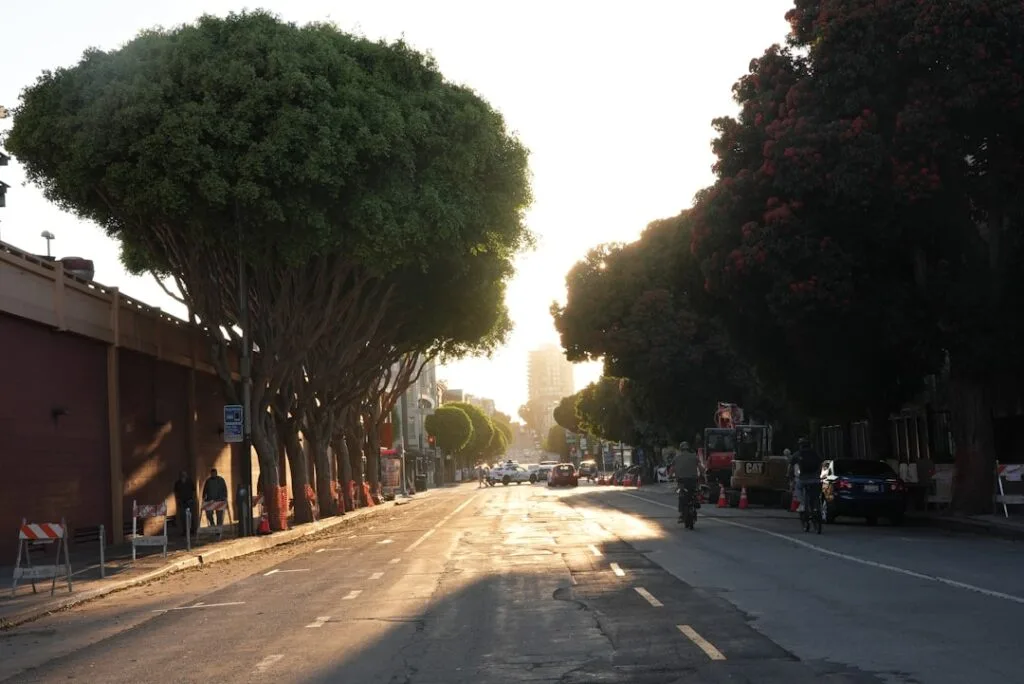
Located behind the splendid Chiesa di Santa Maria dei Miracoli and a short walk from the sea, Giardino Garibaldi (often called Piazza Marina) is a shaded space famous for its centennial ficus trees and paved walkways. This garden is an urban microcosm where statues, vegetation and memory mingle: old tombstones, commemorative plaques and small fountains create a peaceful, slightly melancholic atmosphere.
Mornings are filled with retirees playing cards or reading the paper, while afternoons welcome local families and casual strollers. A visual highlight is the canopy formed by the ficus branches, which creates shafts of light during the golden hours. This garden is perfect for a restful stop after visiting the Ballarò market or for a reading break. You’ll find shaded benches, meditative paths and small seasonal flower beds.
Practical tips: bring coins for nearby drink machines if you want a refreshment, but prefer the historic cafés around Piazza Marina for a quality espresso. The site is walkable from the historic center and a good starting point for exploring the neighboring Kalsa quarter. For safety, avoid displaying valuables and try to visit during the day. Photographers will find perfect angles between shadowed expanses and architectural details of the buildings around the square.
Click here to discover the markets and historic landmarks on foot
Parco della Favorita: Palermo’s Great Natural Exhale
Address: Parco della Favorita (Parco Reale della Favorita), 90149 Palermo (main entrance via Viale del Fante / near Stadio Renzo Barbera)
Price: Free entry
Opening hours: Generally open from sunrise to sunset; hours may vary with seasons and sporting events
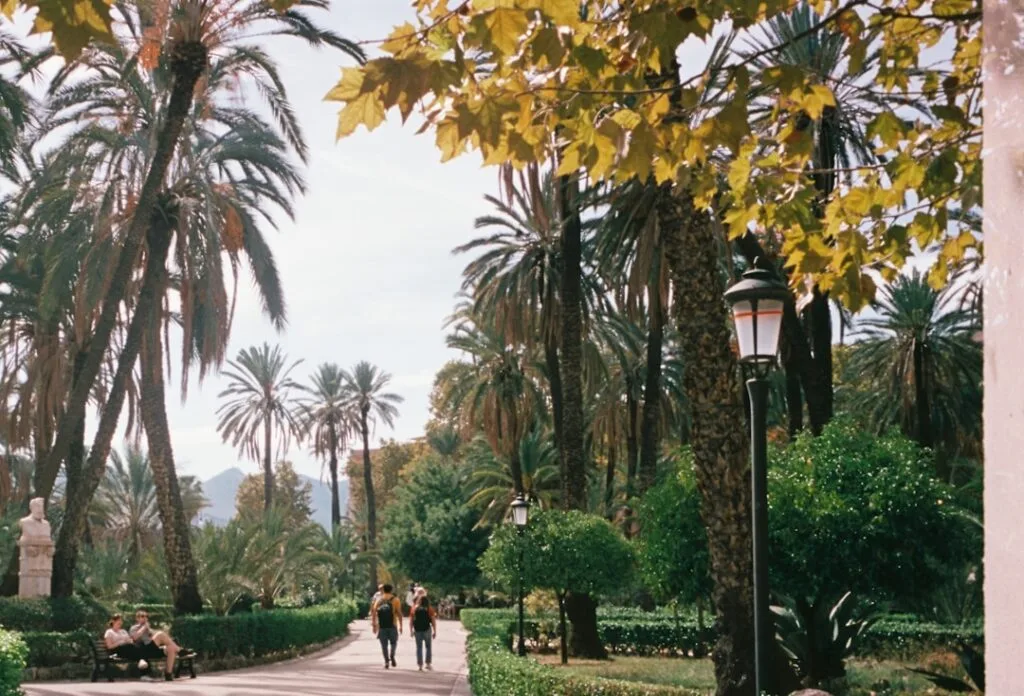
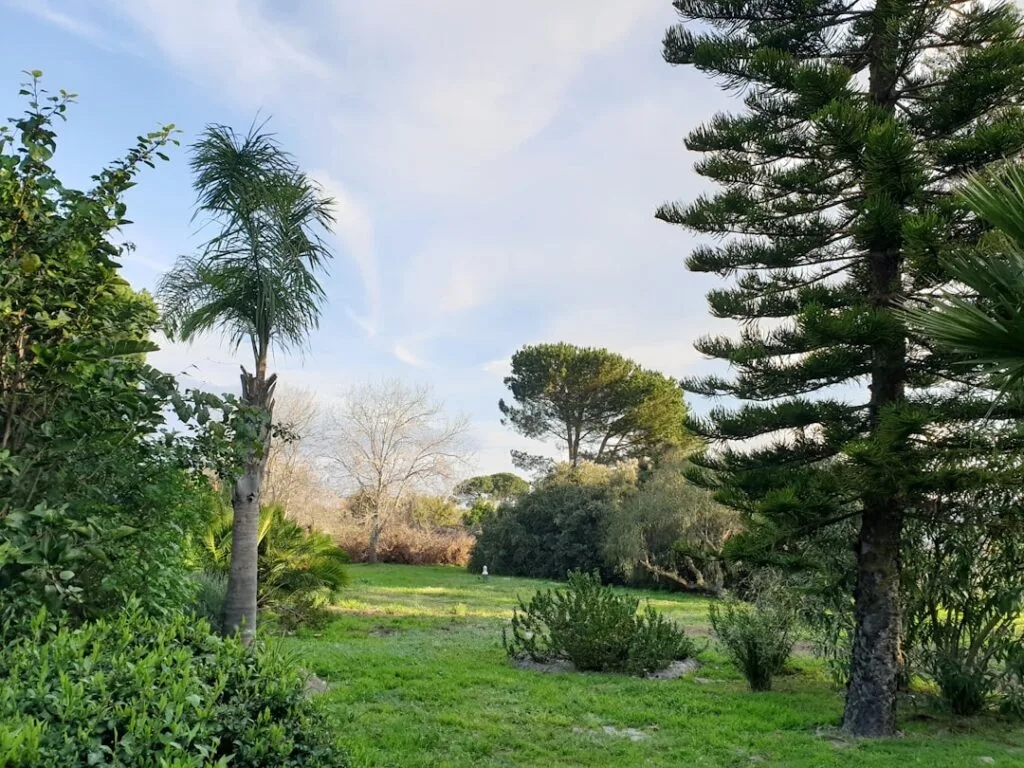
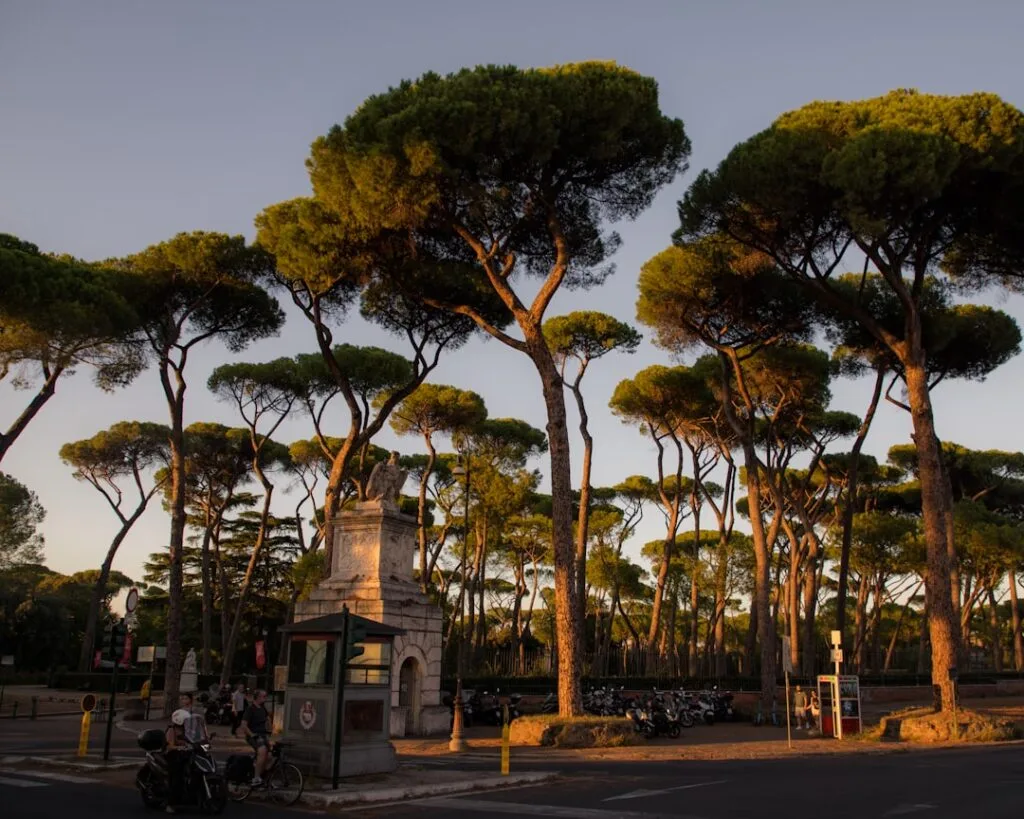
Under the shadow of Monte Pellegrino, Parco della Favorita is Palermo’s largest green area. Once a royal hunting reserve, it stretches across dozens of hectares and offers lawns, groves of umbrella pines, citrus orchards and panoramic views of the bay. It’s the perfect place for a short hike or a break from city chaos: runners, cyclists and families come here to stretch their legs.
The park also preserves traces of its aristocratic past (small residences, straight avenues) and wilder zones ideal for birdwatching. Several paths lead to viewpoints where you can glimpse Palermo’s rooftops and the sea — an excellent spot for sunset watching. For a full visit, bring sturdy walking shoes, water and a map or GPS app: some areas are sparsely signposted.
Practical tips: if you plan to picnic, pick a shaded spot and carry bags for your trash — bins can be scarce in the wilder sections. To get there: city buses serve entrances near the stadium, or take a taxi from the center (10–15 minutes depending on traffic). Botany fans should look for cork oak and eucalyptus groves; families will find playgrounds near the main entrances. Beware of high summer temperatures: avoid midday heat and head out early morning or late afternoon.
Click here to book a private walk through Favorita Park and Mondello
Click here to explore Mount Pellegrino on a guided bike tour
Small Secret Gardens and Cloisters: Spots to Unearth
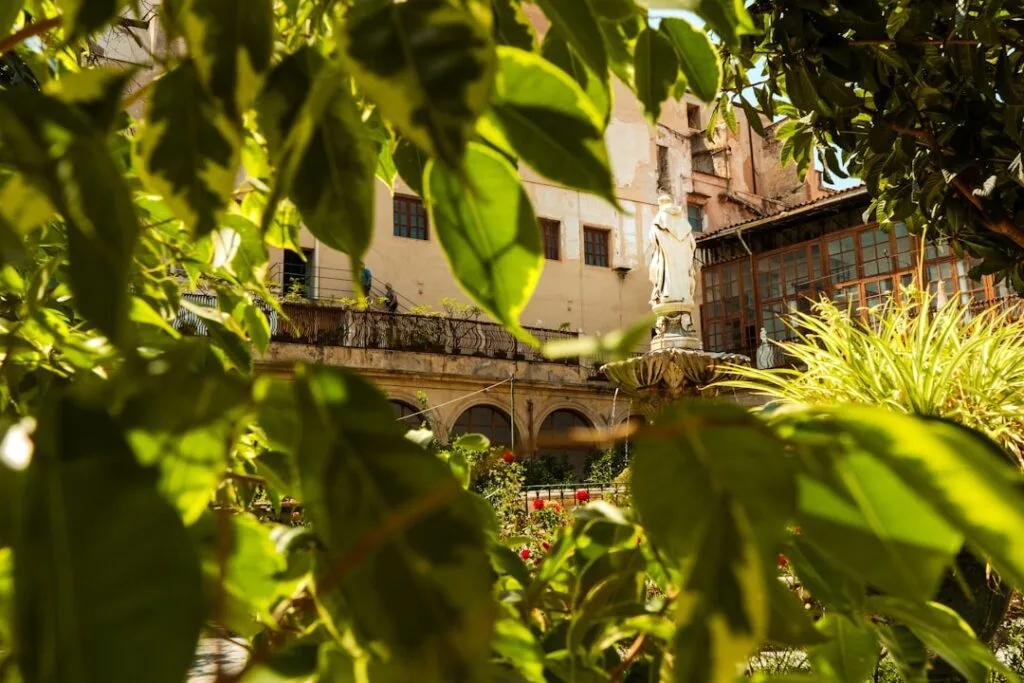
Beyond the major landmarks, Palermo is dotted with little discoveries: private gardens that open on request, convent cloisters turned into oases, hotel patios and inner courtyards of palaces. Here are a few addresses and tips for finding them:
- Chiostro di San Giovanni degli Eremiti — Via dei Benedettini 10: the cloister attached to the church with red domes offers a peaceful inner garden. Access is often included with the church visit. Price varies (museum complex entry around €5–7).
- Villa Giulia — (a small oasis near Via Libertà / check local listings for hours): elegant gardens and sculptures — often free or a nominal fee.
- Private palazzi — Many palaces around Via Vittorio Emanuele and the Cassaro have inner courtyards. Some open during events like “Giornate FAI” or through guided tours; fees vary.
These tiny sites require curiosity and patience: ask permission at the reception when it comes to private palaces, favor guided tours organized by local associations to access gardens closed to the public, and follow the rules (photography inside is often prohibited). Cloisters are perfect for reading or a coffee break — bring a small notebook to jot impressions or sketch. Finally, keep an eye on cultural calendars (Settimana dei Beni Culturali, European Heritage Days) for special openings.
Click here to book a tour of secret terraces and hidden corners
Local Practical Tips for a Great Stroll
To get the most out of Palermo’s hidden gardens, here’s a list of concrete logistical and safety tips:
- Best time to visit: spring (April–May) and autumn (September–October) — pleasant temperatures and peak blooms. Summer can be very hot; favor morning or late afternoon visits.
- Gear: comfortable shoes, sun hat, reusable water bottle, sunglasses and sunscreen. A small folding umbrella can be handy out of season.
- Transport: Palermo is easy to explore on foot in the center, but some parks (Parco della Favorita, Villa Malfitano) are easier to reach by bus or taxi. Buy AMAT bus tickets at tabacchi shops or via the local app.
- Safety: most gardens are safe during the day; avoid poorly lit areas at night. Keep belongings secure and avoid displaying jewelry or expensive gadgets.
- Respect for the environment: take your rubbish with you, don’t pick plants, don’t feed wildlife and respect protected areas and barriers.
- Photography: most gardens allow photography for personal use; ask permission for professional shoots. Morning or late afternoon provide the best light.
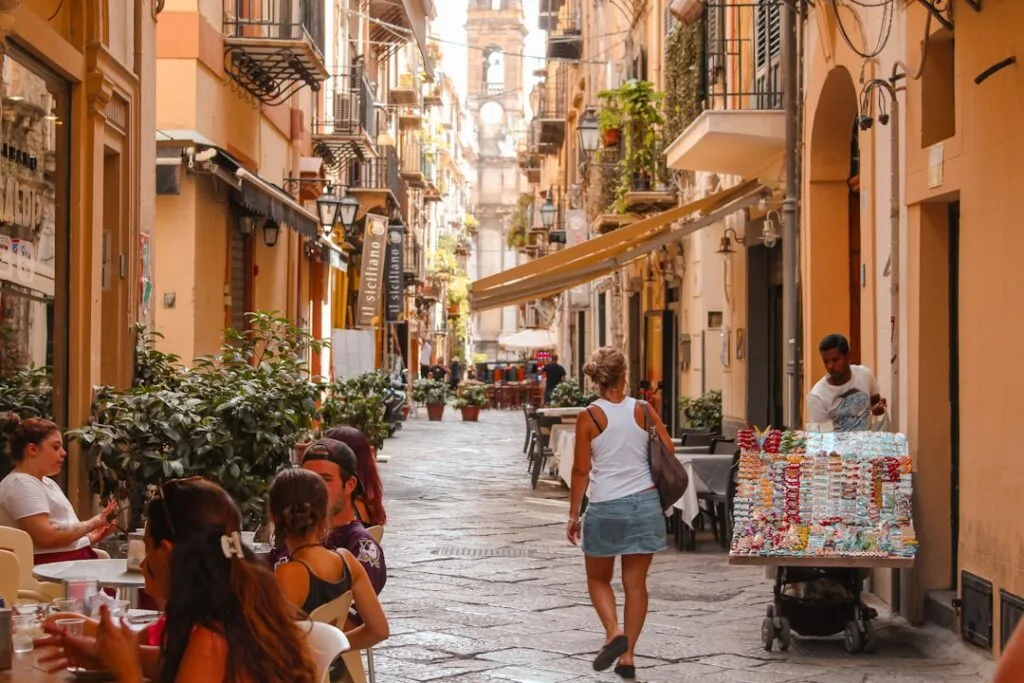
- Food and drink: near the main gardens, favor local cafés (espresso, seasonal granita) and small trattorie where you can taste Sicilian specialties like arancini or pasta con le sarde after your walk.
Suggested Route: A Half-Day of Secret Gardens
Here’s a practical itinerary for a 4–5 hour secret walk, combining easy access from the city center and a variety of landscapes:
- 9:00 – Orto Botanico di Palermo (Via Lincoln 2A): 1h30 exploring the greenhouses and shaded avenues — read the information panels and grab a quick coffee at the exit.
- 11:00 – Giardino Garibaldi, Piazza Marina: 45–60 minutes to wander under the ficus trees and discover the sculptures; ideal for photographing light filtering through the branches.
- 12:30 – Lunch: pick a trattoria in the Kalsa neighborhood or near the Cassaro to sample local specialties.
- 14:00 – Villa Malfitano Whitaker (Via Dante 167): guided tour of the villa and garden (booking recommended) to finish on a cultural and botanical note.
This route blends science, history and relaxation and stays flexible depending on opening times. If you have more time, extend the afternoon with a stop at Parco della Favorita for a spectacular sunset.
Conclusion: Preserve and Savor Palermo’s Gardens
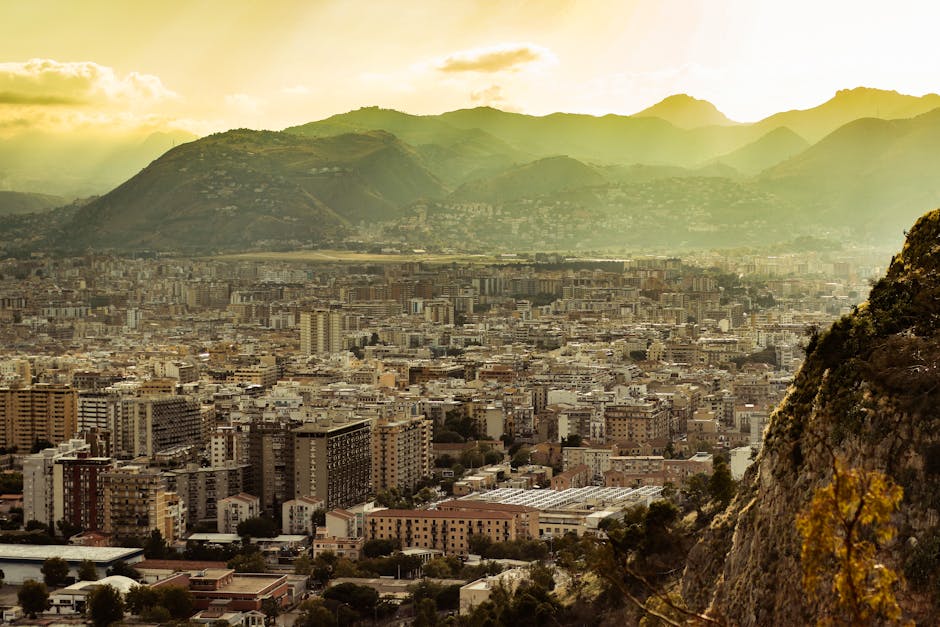
Palermo’s hidden gardens offer a different way of reading the city: away from tourist clichés, they reveal a place with many historical and botanical layers. Whether you wander the Orto Botanico to see rare collections, seek tranquility beneath the century-old branches at Piazza Marina, or are charmed by the aristocratic intimacy of Villa Malfitano Whitaker, each garden deserves mindful attention. The addresses, hours and prices listed help you organize visits with no surprises, but remember some sites adjust opening times for seasons or events — a quick check by phone or on the official site is always wise.
The best approach to these spaces is with slowness and curiosity: get close to the plants, read the plaques, follow the light and the sounds. Gardens are living places for the local community — morning bench companions, children playing, students studying in the shade — embrace these interactions as part of the experience. By following the rules (don’t pick plants, don’t leave litter, respect photo policies) you’ll help preserve a fragile but essential heritage.
Finally, remember Palermo is constantly evolving: municipal initiatives, private restorations and cultural events can open new courtyards and gardens to the public. Stay curious, consult local associations and add a garden visit to your next Palermo getaway — often it’s in these quiet, green corners that you find the true soul of the city.