





Introduction — Hidden viewpoints in Palermo: why stray off the beaten path
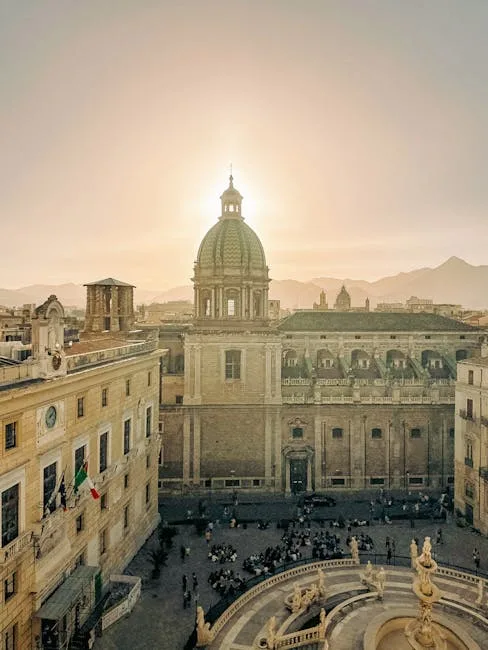
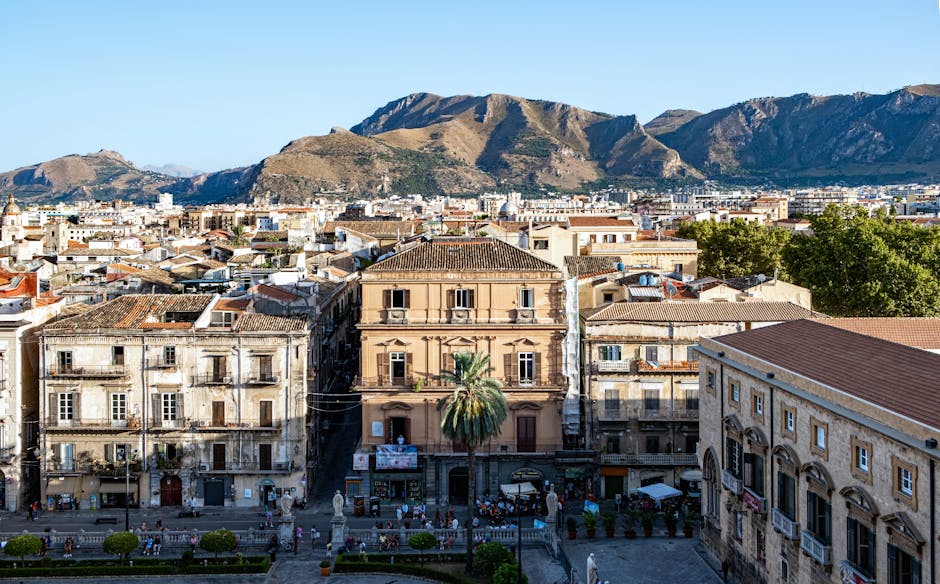
Palermo is a city of striking contrasts: noisy markets and lavish palaces, baroque facades and medieval alleys, azure sea and the rugged mountains that cradle the bay. For a photographer or a curious traveler aiming to capture Palermo’s true spirit, the classic overlooks (Piazza Pretoria, Quattro Canti, the waterfront) certainly yield beautiful images, but they’re often crowded and feel familiar. Hunting down hidden viewpoints—those known mostly to locals or tucked behind a gate—opens up a more intimate and original view of the city: unexpected angles on terracotta roofs, perspective lines that reveal the Arab-Norman imprint, panoramas where sea and hills play off each other.
This practical guide shares tried-and-true vantage points in Palermo, with exact addresses, estimated opening times, prices and local tips to get the most from your shots. You’ll find spots easy to reach by bus or car, private terraces accessible via a café or bar, natural lookouts, and even rooftops opened during guided tours. The aim is twofold: to help you capture unique images and to immerse you in the atmosphere when light transforms the city—the golden morning glow, the blue hour, or sunset over the bay. Each entry includes logistical details (how to get there, best times, potential pitfalls) and photographic framing ideas to refresh your view of Palermo.
Shooting from a hidden viewpoint can take a little effort: a climb, a flight of steps, or buying a coffee to access a terrace. The payoff is big: clear views of church domes, checkerboard alleys, hanging gardens and, beyond them, the Tyrrhenian Sea. This guide favors safe, respectful spots—no risky rooftop stunts—focusing on public sites, historic gardens and commercial terraces open to visitors. You’ll also find gear tips (recommended focal lengths, a lightweight tripod, ND filters for sunsets), suggested visiting hours (to avoid crowds or chase the best light) and etiquette advice (respect residents, be discreet when shooting from inhabited areas).
Get ready to discover Palermo from a different angle: from green heights where birds sing, windy seaside viewpoints, and back terraces that offer a bird’s-eye view of daily life. The photos you come away with won’t just be “pretty”: they’ll tell a story—the story of an ancient, vibrant, multifaceted city. By the end of this guide you’ll have a mental map of Palermo from above, and practical tips to turn every viewpoint into a memorable shot.
Monte Pellegrino and the Santuario di Santa Rosalia — the sacred overlook above the city
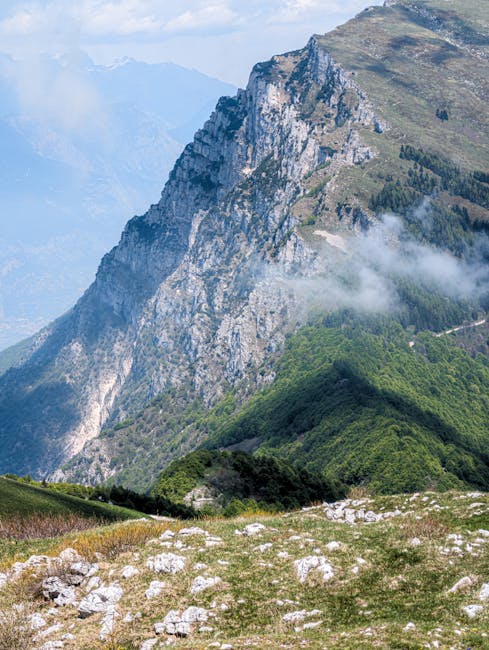
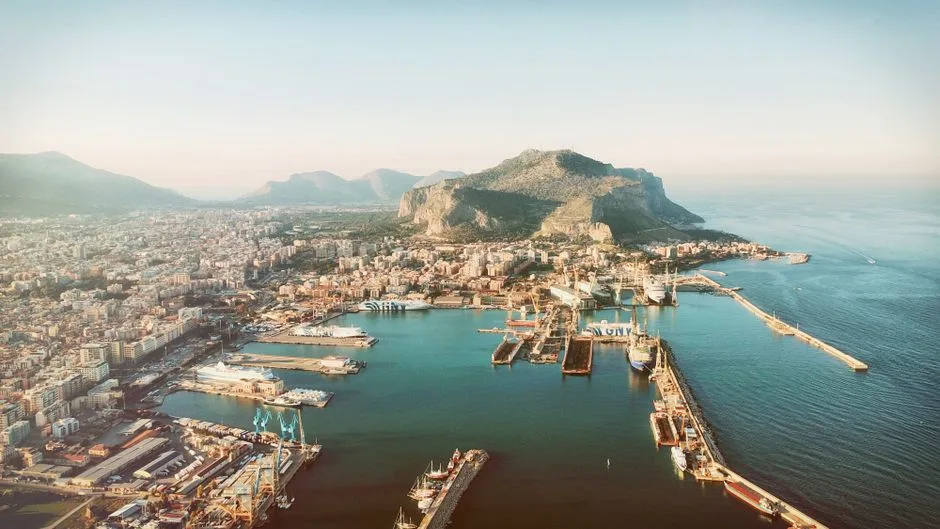
Why go: Monte Pellegrino towers to the west of Palermo and delivers one of the most spectacular panoramas: the bay below, the port and, on clear days, a blue horizon line. The Santuario di Santa Rosalia, perched at 611 meters, is as much a pilgrimage site as it is an unrivaled natural viewpoint for photographers seeking grandeur and solitude.
Address: Santuario di Santa Rosalia, SP21 Monte Pellegrino, 90149 Palermo PA, Italy.
Access: by car (SP21 road), by bus (AMAT seasonal lines from Piazza Marina / Via Maqueda depending on season) or on foot via the historic trail (allow 1h30–2h from the port).
Opening hours: the sanctuary is usually open daily; typical hours 8:00–13:00 and 15:00–18:00 (seasonal variations).
Price: free access to the site; public parking is paid depending on the zone (about €1–3 / hour). No entrance fee for the sanctuary.
Photo tips: arrive early to catch sunrise over the bay (the low-angle light sculpts the relief). Best lenses: 24–70mm for panoramas, 70–200mm to isolate boats in the bay or sanctuary details. Use the terraces and official viewpoints around the sanctuary: low walls and benches make great foregrounds (Mediterranean plants, stone crosses). Late afternoon, the cliff to the west paints the scene in warm, highly photogenic tones.
Local advice: the site is very crowded on July 14–15 during the feast of Santa Rosalia (patronal celebrations)—avoid those dates if you’re after peace and quiet. Bring water and a jacket: the summit can be cooler and windy. Respect the sacred areas and avoid using flash inside the sanctuary.
Foro Italico, Castellammare and the seaside viewpoints — embrace the sea and the city
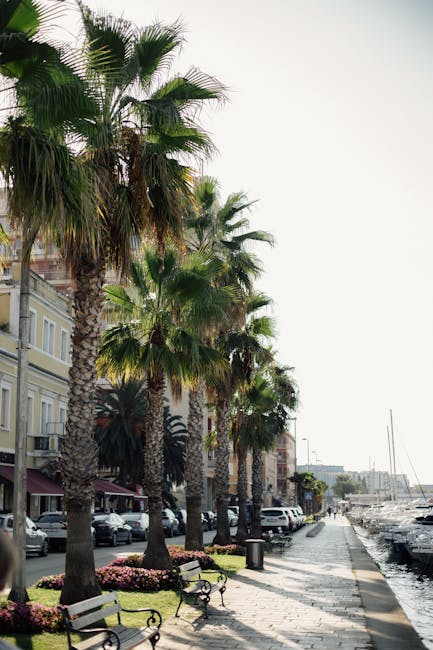
Why go: Palermo’s northern coast connects the city directly to the sea; the Foro Italico Umberto I and the areas around Castello a Mare/Foro (an old bastion) offer wide perspectives over the promenade, yachts and the urban skyline. These spots are ideal for capturing light reflecting on water, palm tree silhouettes and the colorful gables of historic buildings.
Address: Foro Italico Umberto I, Lungomare Cristoforo Colombo, 90133 Palermo PA (the long esplanade between Piazza Giulio Cesare and the port).
Access: walkable from the historic center (20–30 min), reachable by bus (urban lines toward the waterfront) or by taxi.
Opening hours: the promenade is open 24/7; shops and bars along the waterfront have varying hours (cafés typically 08:00–23:00).
Price: free access; nearby museums and attractions (Castello a Mare / Castellammare) may charge entry fees (about €5–8 depending on the site).
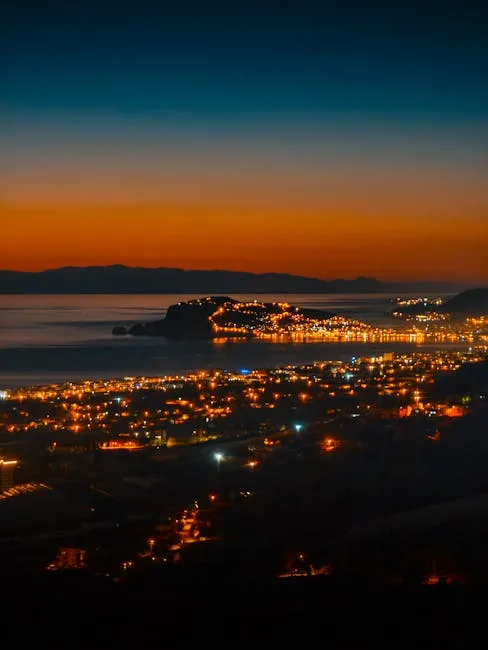
Specific photo spots: the seaside terrace of Castello a Mare (Castello a Mare, via del Mare area near the port) offers graphic compositions with the castle’s arches, while the stretch under Villa Giulia (the Foro Italico edge at Via Lincoln) is great for catching reflections and pedestrian promenades. In the evening, city lights mirror on the sea and create excellent long-exposure possibilities.
Photo tips: bring a tripod for long exposures at sunset; use ND filters and a remote release to smooth the water. A 35–50mm range strikes a good balance between architecture and sea; a wide-angle (16–35mm) helps include palms and the promenade’s perspective. Watch the tide and swell—these change the shoreline’s look.
Villa Giulia, Giardino Inglese and garden viewpoints — greenery and domes in frame
Why go: Palermo’s large historic gardens offer softer, greener vantage points, perfect for isolating architectural elements against nature. Villa Giulia (the Parco della Favorita is larger but faces a different direction) and the Giardino Inglese provide views of domes, statues and tree-lined avenues—great for environmental portraits and contemplative images.
Villa Giulia (Parco Reale) — Address: Viale della Libertà, 90139 Palermo PA. Hours: generally 7:00–19:00 (seasonal variations). Price: free entry. Description: a 19th-century park created for bourgeois promenades; shaded paths, statues and perspectives along Via Libertà. From slightly elevated spots inside the park you can isolate the dome of San Domenico church in the background and play with tree-lined leading lines.
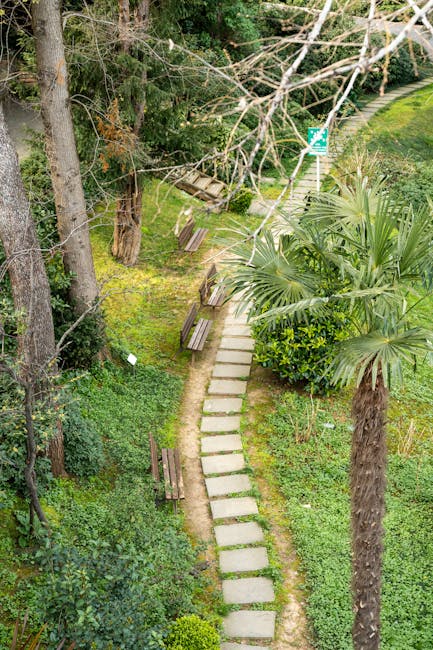
Giardino Inglese — Address: Piazza della Vittoria, 90133 Palermo PA (near the Kalsa and the waterfront). Hours: public park accessible from sunrise to sunset. Price: free access. Description: a small English-style garden, more intimate, where benches, fountains and palms frame daily life scenes, families and locals with a backdrop of roofs and bell towers.
Photo tips: for environmental portraits, use a 50–85mm lens and open up (f/2.8–f/4) to separate the subject from the background while keeping domes recognizable. The park’s long avenues lend themselves to leading-line compositions. In autumn and winter, the contrast between evergreen foliage and the muted tones of buildings creates very painterly images.
Private terraces and accessible rooftops — insider rooftops and practical tips
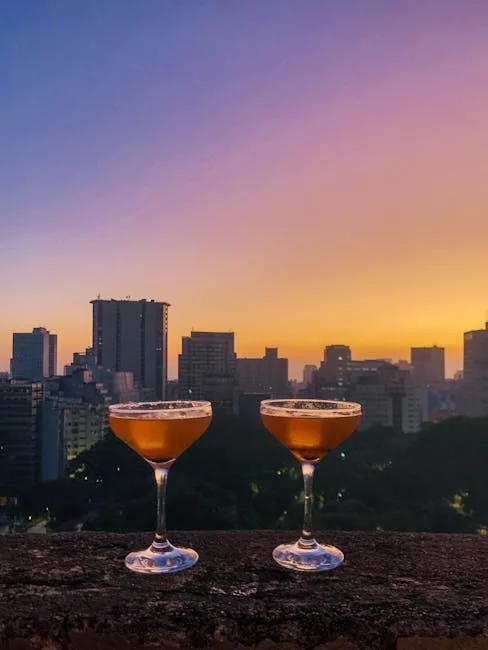
Why go: Palermo has several cafés, hotels and restored palaces with rooftop terraces often unknown to most visitors. These venues combine comfort (a drink or a meal) with exclusive panoramas. They’re perfect for golden-hour sessions or shooting the city lit up at night.
Notable examples: Teatro Massimo (Piazza Verdi, 90138 Palermo PA) offers guided tours and, depending on programming, special access to upper areas; check the Teatro Massimo ticket office (Tel. +39 091 605 51 85) or the official website for tours that include the terrace. Typical guided tour fees: around €10–12 (vary by season and tour type).
Palazzo Butera / Butera 16 (Via Butera 16, 90133 Palermo PA) — some private events and evenings open the historic loggia and terrace to the public; fees and hours vary by program (paid entry for cultural events, typical €10–20). Check local cultural listings.
Access tips: for hotel or bar terraces (often found in the Kalsa, near Piazza Marina / Via Alloro), it’s common to be required to purchase a coffee or cocktail to stay. Cocktail prices can range from €6 to €15. For hotel terraces, book ahead for evening slots, especially in high season (June–September).
Photo tips: favor the moments just before sunset (golden hour) and the blue hour: the light is soft and street lamps start to glow, producing an appealing warm-cool contrast. Bring a small travel tripod and a 24–70mm lens; for night scenes raise ISO gradually but watch noise—prefer a fast lens (f/1.8–f/2.8) if you plan on portraits on the terrace.
Conclusion — turning your shots into a visual story of Palermo
Seeking out hidden viewpoints in Palermo means changing scale: stepping away from the market bustle to height, slowing down to wait for the light, and learning to tell the city’s story through frames that mix sea, hills and stone. This guide offered a range of options—from Monte Pellegrino’s dramatic relief to the seaside terraces of Foro Italico, to historic gardens and private rooftops—along with practical info (addresses, hours and prices) to plan your photo outings.
Taking the time to explore these vantage points will yield different images of Palermo: not the postcard everyone’s seen, but photos that capture mood—the wind in the pines, light cutting a facade, the echo of a bell across the valley. Whether you’re an amateur or a seasoned photographer, follow the local tips: arrive early to avoid crowds, respect sacred and private spaces, pay for your drinks on terraces when required, and always pack water and a windproof layer for exposed viewpoints.
Keep in mind the city is alive and constantly changing: events, construction and opening hours can affect access to certain lookouts. Before each outing, check official hours (websites or local tourist information) and, when possible, contact the venue that manages a terrace to confirm access conditions. With a little prep and an open mind, you’ll come away with fresh, powerful images of Palermo—shots that don’t just illustrate the city but tell its story.