





Introduction — From Monte Pellegrino to Palermo’s rooftops: natural and urban panoramas
Palermo is a city of contrasts: the Mediterranean laps against baroque façades, wooded hills look down on tightly packed tile roofs, and every high point tells a new visual story. Among the most iconic viewpoints, Monte Pellegrino stands out as a sacred peak, home to the Santuario di Santa Rosalia and offering sweeping views that take in the city, the gulf and, on clear days, the distant horizon. But Palermo isn’t only about natural summits: its roofs, cathedral terraces, squares and seaside promenades form a chain of urban frames perfect for photos, aperitivi and quiet moments.
This practical, professional guide will take you from the wooded slopes of Monte Pellegrino to the accessible roofs and terraces around the city. It explains how to reach each spot, gives exact addresses, usual opening hours, prices in euros and the best times to catch the light — plus local tips to make the most of your visit (what to wear, shoes, safety, parking and transport). You’ll also find walking routes, recommended cafés and rooftop bars, and alternatives in case the weather turns.
The goal isn’t just to list places but to immerse you: picture yourself at the Santuario di Santa Rosalia, wind in your ears and the bay of Palermo laid out below; or standing on the terrace of the Cattedrale di Palermo, letting your eyes wander over domes and alleys that radiate like a miniature city. Use this guide to plan a full day or a few half-days depending on your mood — a morning hike up Monte Pellegrino for soft light, lunch around Foro Italico, then a climb up a bell tower or an aperitif on a terrace at sunset.
Practical note: I include precise addresses for each site, typical opening times (always double-check locally as events can change schedules) and prices in euros. Throughout the article you’ll find image markers pointing to the most photogenic scenes (landscapes, rooftops, sea perspectives) to inspire your own shots.
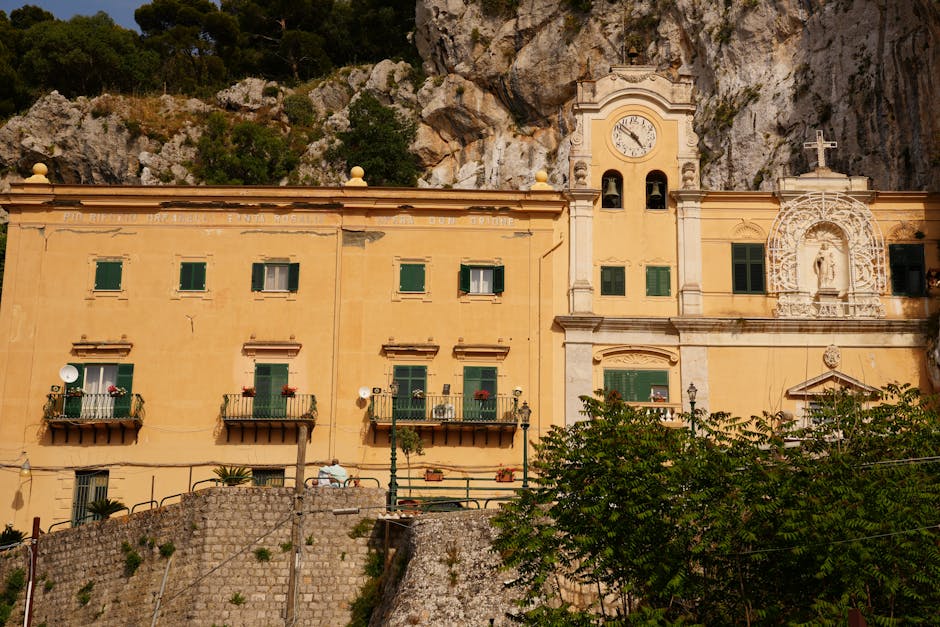
Monte Pellegrino: the sacred viewpoint and nature reserve
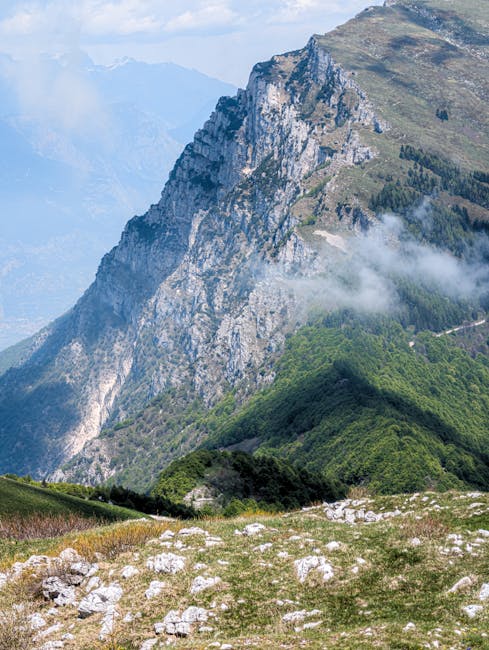
Monte Pellegrino is a limestone cliff rising to about 606 meters above Palermo; its summit and trails are the first natural stop for anyone seeking a commanding view of the city. The most visited site is the Santuario di Santa Rosalia (Santuario di Santa Rosalia, Monte Pellegrino, 90149 Palermo PA, Italy). The sanctuary is usually open from 7:00 to 19:00 (hours vary by season and holidays), entry to the church is free; access to the road, the path and the viewpoint area is unrestricted. The surrounding protected area, the Riserva Naturale Orientata Monte Pellegrino, is a conservation zone and trail access is free.
Getting there: you can drive (parking near the sanctuary is limited), take a taxi from the city center (expect around €15–25 depending on time) or walk the classic trail starting from the northern coast (approximate trailhead: Via Pietro Novelli / Falcone-Borsellino area) — allow 1.5–2 hours for a relaxed ascent. Wear hiking shoes, bring 1–1.5 L of water in summer and a light jacket in autumn/winter as the wind can be chilly.
The views: from the sanctuary forecourt the panorama sweeps across the Gulf of Palermo, the port, the old historic center and, further out, the profile of Sicily’s northern coast. Photo tip: arrive at sunrise for golden light and a quieter atmosphere; sunset is spectacular but very busy. Local tip: to avoid crowds, return via the lesser-known trail toward Capo Gallo or choose a weekday visit.
Sea and coastal panoramas: Capo Gallo and the Foro Italico waterfront
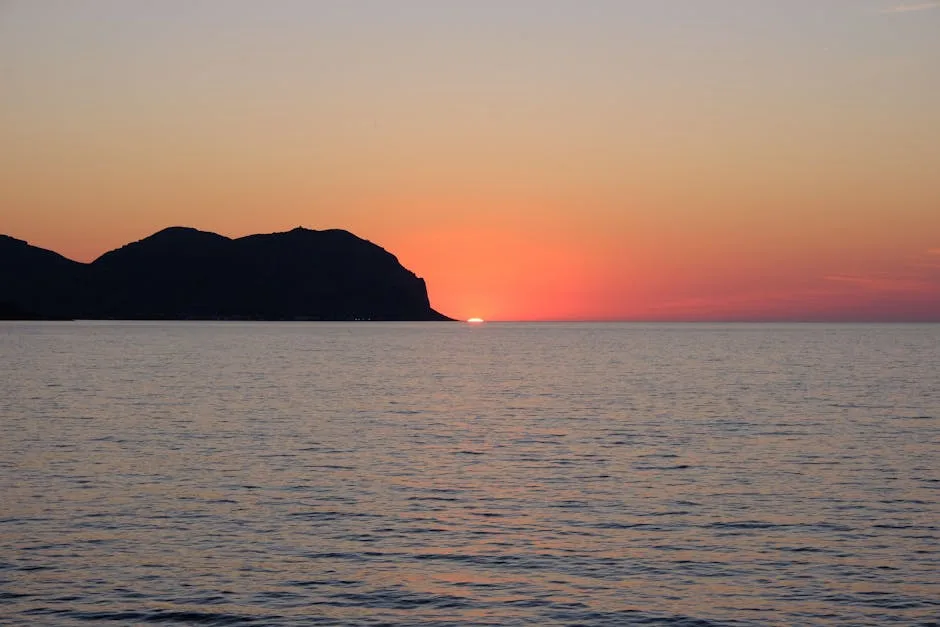
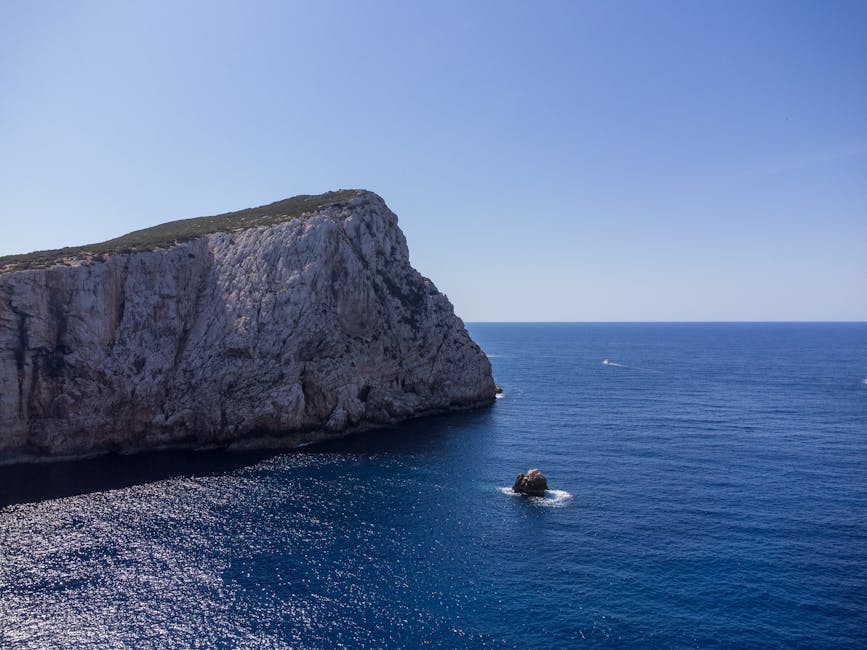
West of Monte Pellegrino, the marine reserve of Capo Gallo (Località Capo Gallo, 90149 Palermo PA, Italy) offers cliffs, small coves and a very different kind of view: here the rocky coast creates bright contours and turquoise waters. Access is free but facilities are minimal; wear closed shoes to reach the viewpoints and, if you plan to swim, arrive early as parking is limited. Morning or late afternoon are the best times for a walk.
For a more urban stroll, head to the Foro Italico Umberto I (Foro Umberto I, 90133 Palermo PA, Italy): this seaside green space is perfect for open views over the bay and for watching maritime traffic and local fishermen. Families and joggers flock here at sunset. The large park is open 24/7, free of charge, and hosts cafés and kiosks usually open from 8:00 to 23:00.
Practical tips: combine Capo Gallo for nature and the Foro Italico for an urban seaside vibe. If you want a tasty stop after your walk, try the stalls at the historic Mercato del Capo (Via Cappuccinelle, 90138 Palermo PA) for arancini and cannoli to go. Parking: favor the public car parks near the Foro Italico or use public transport (buses 101/106 depending on where you come from).
Palermo’s rooftops: cathedrals, terraces and urban vantage points
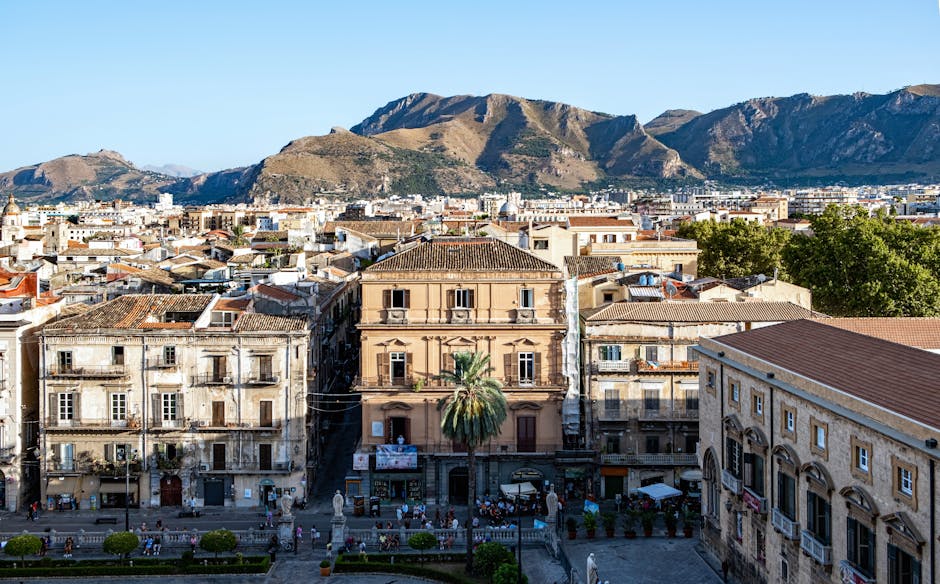
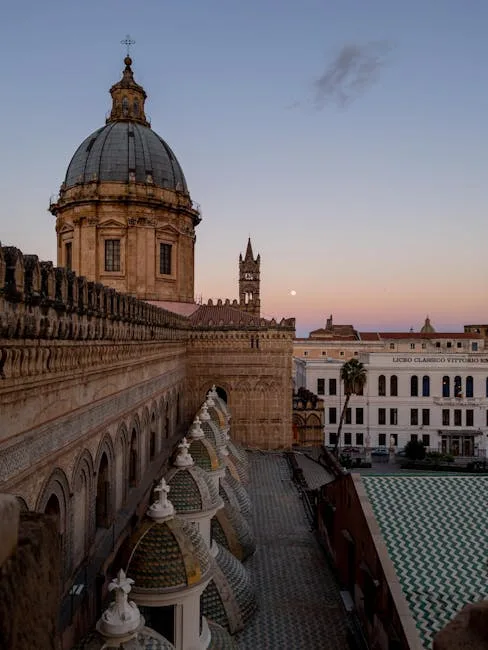
Palermo’s architecture stacks levels on top of each other: inner courtyards, bell towers, flat roofs and terraces. One of the must-see urban viewpoints is the Cattedrale di Palermo (Cattedrale di Palermo, Corso Vittorio Emanuele, 1, 90134 Palermo PA, Italy). The cathedral offers a guided visit to the panoramic terrace, often called the “terrazza della cattedrale.” Typical hours: the cathedral is open 7:00–19:00; terrace access is via guided tours at set times (check on site). Indicative price: around €10 per person for the terrace tour (rates can change, discounts for students/children).
Another cultural spot that provides a striking urban setting is the Teatro Massimo (Piazza Verdi, 90138 Palermo PA, Italy). The theater runs guided tours of the historic building — the full tour (interior, halls and sometimes the roof) costs about €8. Hours: guided tours generally run from 10:00 to 17:00, with variations depending on opera programming and rehearsals. From Piazza Verdi the view toward the Norman Palace and the city front is noteworthy.
For public-access hotel rooftops, look for bars and restaurants on hotel terraces: many offer aperitivi at sunset (cocktails typically ≈ €8–15). Local tip: book a terrace table at least 24 hours in advance during high season — these spots fill up fast. Photography: mid-level roofs are ideal for urban shots at golden hour; aim to include domes, chimneys and hanging laundry for an authentic feel.
Combined routes and practical tips for a panoramic day
To make the most of both natural and urban panoramas, here are two sample itineraries — one for early-rising hikers, one for an urban afternoon — with practical notes on transport, approximate costs and timing.
Itinerary 1 — Early morning to the summit:
- 6:30 — Leave the historic center (e.g. Piazza Pretoria) for Monte Pellegrino by taxi (≈ €20) or by local bus depending on the season.
- 7:00–9:00 — Hike and visit the Santuario di Santa Rosalia. Allow 2 hours including photo stops.
- 9:30 — Descend toward the market for breakfast: Mercato del Capo — arancini ≈ €2–4.
- 11:00 — Visit the Cattedrale di Palermo and climb to the terrace (≈ €10).
Itinerary 2 — Urban afternoon and sunset:
- 15:00 — Walk along the Foro Italico, coffee by the sea (espresso ≈ €1–2).
- 16:30 — Visit the Teatro Massimo (≈ €8) and wander through the centro storico.
- 19:00 — Aperitif on a hotel terrace (cocktail ≈ €10–15) to watch the sun set over the roofs.
- 21:00 — Dinner in a trattoria in the Kalsa neighborhood (main dishes €10–20).
Essential local tips: carry both a card and some cash for small purchases, check the cathedral’s service times as they can affect visits, don’t leave valuables visible in your car, wear proper shoes for trails and follow signage in nature reserves. In hot weather, aim for the cooler hours (morning or late afternoon) and bring sun protection.
Conclusion — Between sea, stone and rooftops: experiencing Palermo through its panoramas
Palermo can be discovered from both the ground and the rooftop sky: Monte Pellegrino gives a sacred, natural reading of the city, Capo Gallo offers a wild coastal perspective, while the Cattedrale, Teatro Massimo and urban terraces reveal the architectural and social angles. This guide supplied the key addresses (Santuario di Santa Rosalia, Monte Pellegrino, 90149 Palermo PA; Cattedrale di Palermo, Corso Vittorio Emanuele, 1, 90134 Palermo PA; Teatro Massimo, Piazza Verdi, 90138 Palermo PA; Foro Italico, Foro Umberto I, 90133 Palermo PA), practical pointers (general hours, indicative prices in euros) and combined routes to plan one or several days of discovery.
From an experiential standpoint, try alternating: a morning in nature where silence and light reveal the scale of the bay, then an urban afternoon where alleys, markets and rooftops tell the living story of the city. Panoramas aren’t just backdrops for photos: they are places to listen (to the wind, bells, waves), to observe (daily life, religious practices, street scenes) and to reflect. Respect the sites — especially sanctuaries and nature reserves — and take the time to stop in a local bar to share a moment with Palermo’s residents: that’s often when the panorama truly comes alive.
Finally, always check hours and prices locally: religious events, Teatro Massimo performances or temporary summer closures can change access to terraces. But with these pointers and tips you’re ready to map your own Palermo panoramas — a route of stone, sea and sky that will leave lasting visual memories.