





Introduction: Traces of Exile — the Giudecca and Jewish Migrations in Sicily (context: Palermo)
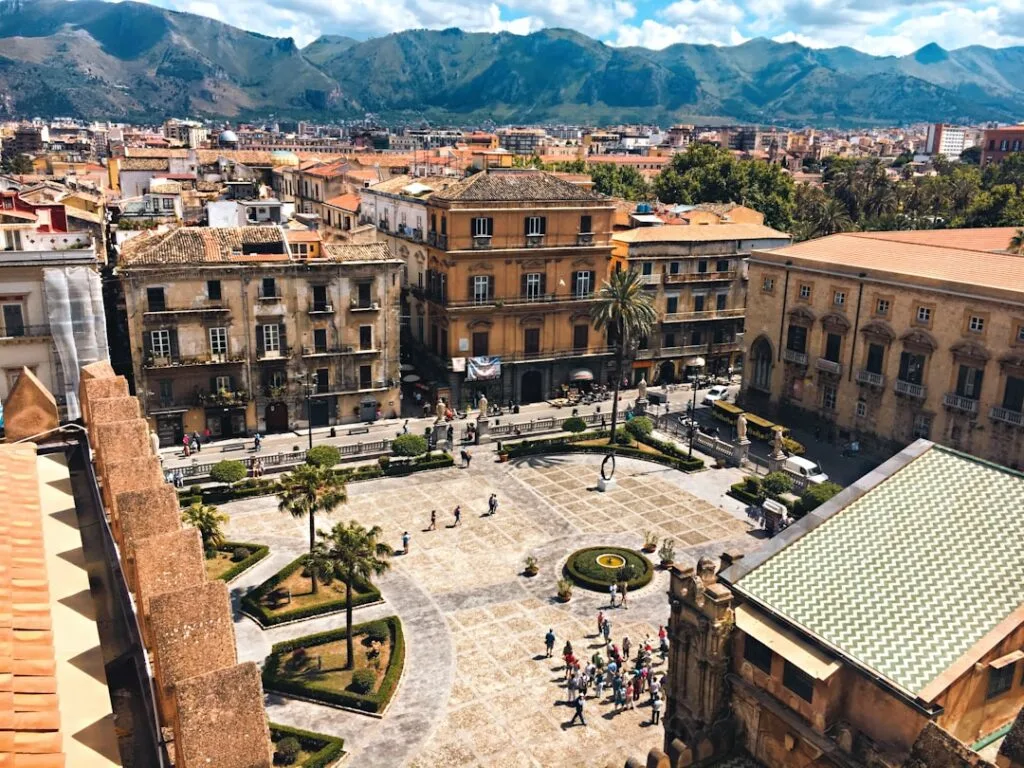
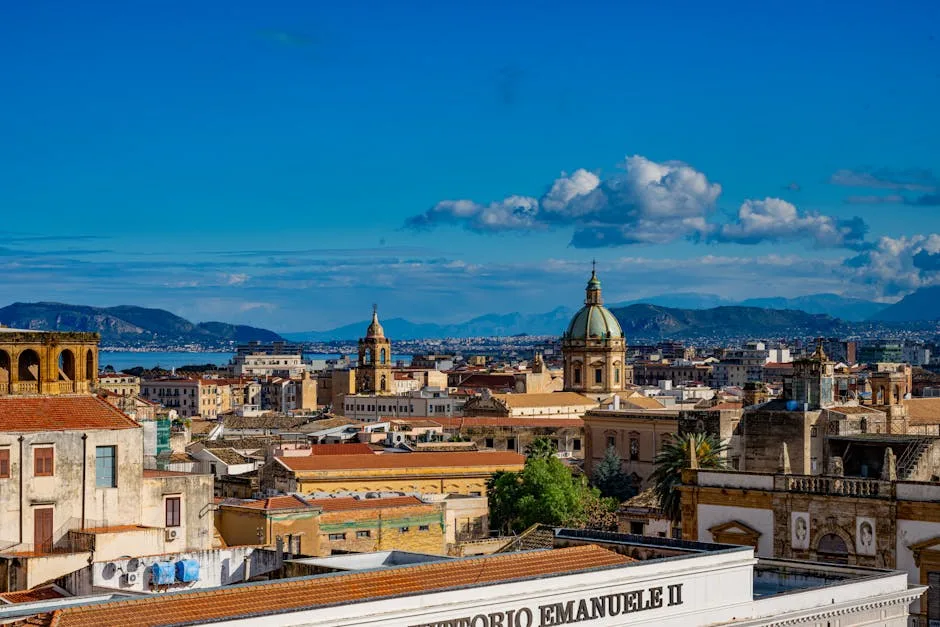
The city of Palermo, the historical heart of Sicily, carries multiple memories both carved into and raised from its streets. Among them, the history of its Jewish communities — often reduced to passing references in mainstream tourist accounts — is essential to understanding the city’s social and cultural map. Palermo’s « Giudecca » isn’t an isolated curiosity: it’s a network of streets, public spaces and neighborhoods (notably within the Kalsa and the Cassaro) where traces of exile, settlement, coexistence and rupture can still be read today. In this practical, professionally minded guide, we offer both a historical and a hands-on exploration: how to spot these traces, which places to visit, addresses to note, and how to sense the layers of migration that have shaped Sicilian identity.
Jewish presence in Sicily stretches back to antiquity and the early Middle Ages, later becoming a major element of urban life until the expulsion of 1492. In Palermo, the Giudecca was above all a lively neighborhood, close to the port and main commercial arteries, where artisans, traders and scholars lived and worked. Today the streets may look ordinary, but they keep clues — micro-toponyms, street names, repurposed arches, architectural fragments — that tell stories of settlement and exile. Our aim here is not to provide an exhaustive academic account, but an immersive guide: concrete addresses to walk, practical hours and prices, and local tips to better perceive the Jewish past woven into Palermo’s present.
This tour is aimed at curious travelers: amateur historians, descendants of emigrants, students, and Palermo residents wanting to rediscover their city. We’ll go into specific sites (squares, museums, markets and buildings), give exact addresses and practical information — entry fees in euros, opening times — and provide immersive descriptions plus local tips to make the most of your visit. Expect to walk, to ask questions of shopkeepers, to take time to study façades, and to follow routes that combine Jewish heritage, Arab-Norman influences and contemporary Palermitan life.
Before you start: pick comfortable shoes (cobbles, narrow lanes), carry a map or a charged smartphone, and be aware that several historic sites are freely accessible but may be closed on certain days (especially Monday). Themed guided tours exist (typical prices: €10–€25), and local associations sometimes run specialized routes. Hours and prices listed below were current at the time of writing; we recommend checking online updates before you go.
1) Finding Your Way: Palermo’s Giudecca — geography, toponymy and first impressions
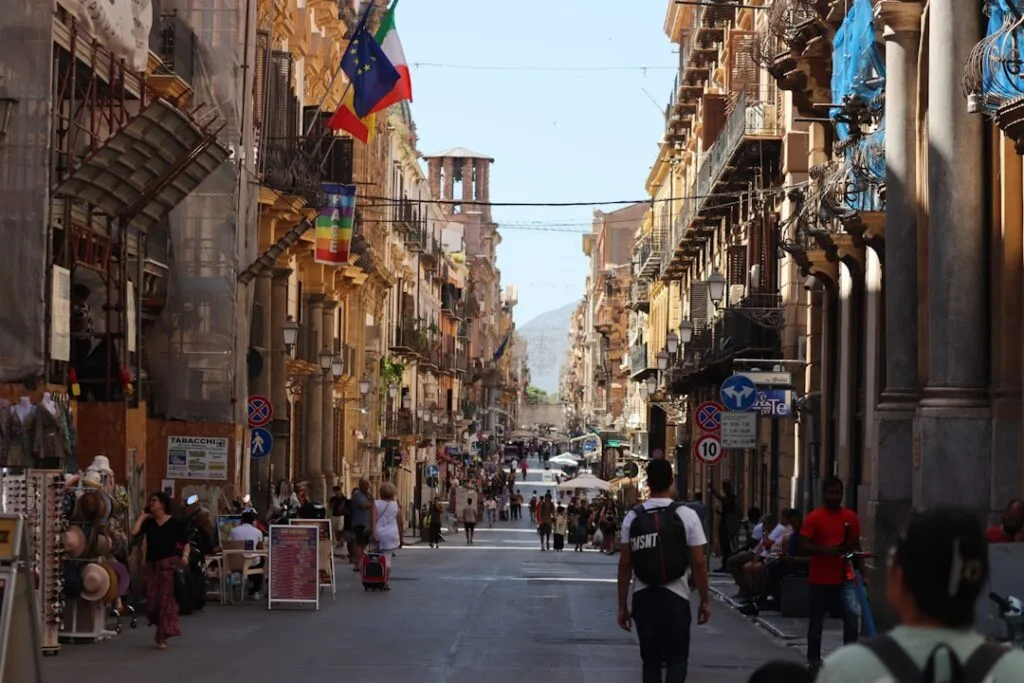
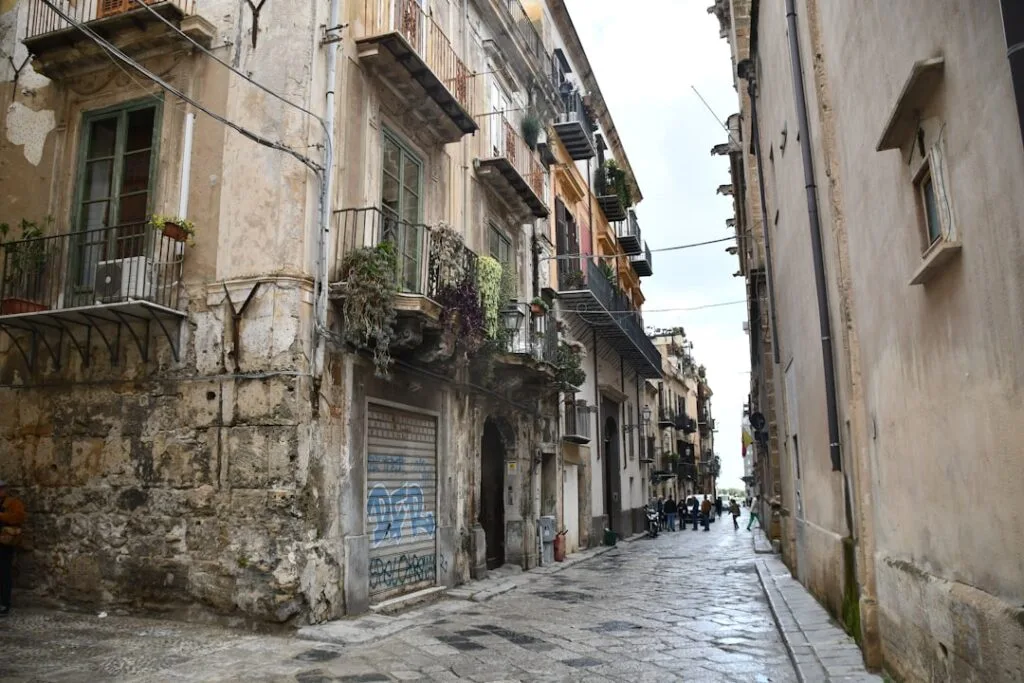
The « Giudecca » in Palermo is not a single island; it’s a collection of sectors mainly located in the Kalsa and the Cassaro (the old Corso Vittorio Emanuele/Maqueda axis). To start orienting yourself, go to Piazza della Kalsa, 90133 Palermo PA, a public square that now serves as an entry point into the historic maze. From there you can head down toward the port or climb up to the Cassaro while watching for street plaques and archaic names — clues to former cohabitations and settlements.
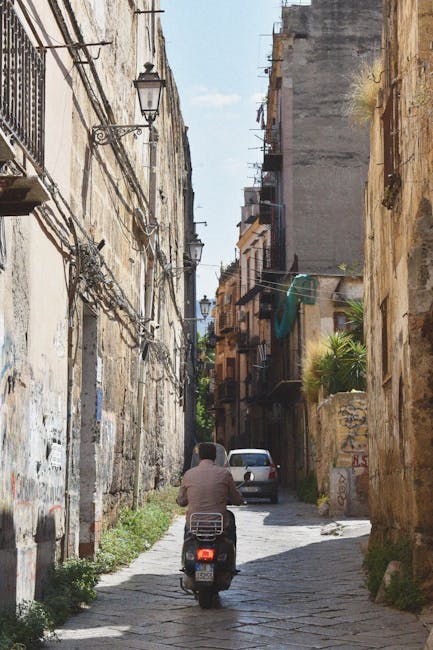
Recommended walk: follow a route from Piazza della Kalsa, 90133 Palermo to Via Giudecca, 2, 90133 Palermo (a symbolic marker of the Giudecca fabric). These narrow streets offer incredible visual density: patinated plaster façades, tiny inner courtyards, discreet stairwells, and occasional arcades that may once have housed shops or workshops. These elements evoke the traditional spatial organization: terraced houses around intimate patios, market lanes leading to open squares.
Practical tips: the area is open throughout the day (public spaces), but for safety and to find open shops plan your visit between 09:30 and 19:00. The best time to explore is spring or autumn, when temperatures are mild and nearby markets (see Ballarò below) are in full swing. Respect residents’ privacy: many apartments are still occupied and some courtyards are private.
2) Must-see Sites and Practical Addresses Linked to Jewish Memory in Palermo
Palermo doesn’t have a large central Jewish museum comparable to those in some other European cities, but many sites help reconstruct the puzzle. Here’s a selection of places with addresses, prices and practical opening times:
- Complesso Monumentale dello Spasimo — Via dello Spasimo 15, 90133 Palermo PA. Hours: Tuesday–Sunday 09:00–18:00 (closed Monday). Entry fee: €6.00 (reduced €4.00). Description: a 15th-century church now used for exhibitions; the site illustrates how buildings were repurposed after the Jewish expulsion and offers an architectural reading of urban transformations.
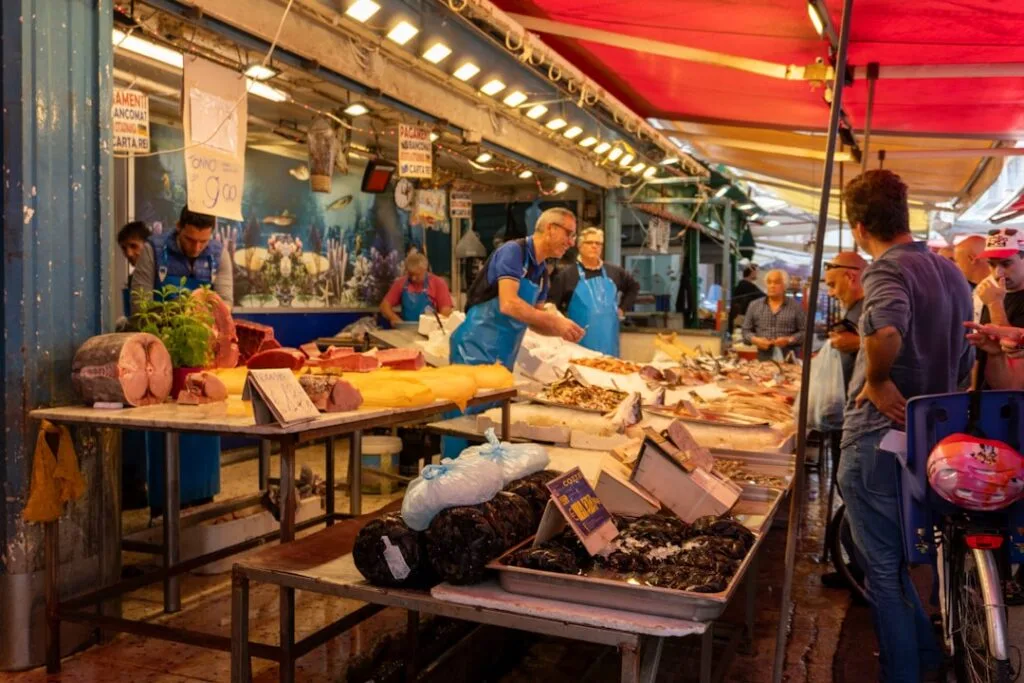
- Mercato di Ballarò — Piazza Carmine, 90134 Palermo PA. Hours: variable, generally 06:00–14:00 most days; some stalls stay open until 18:00. Price: free entry. Description: the large popular market bordering the Giudecca. Wandering Ballarò you can feel the city’s multi-ethnic trading legacy; sights, smells and Mediterranean products mingle with North African influences.
- Teatro Massimo (guided tour) — Piazza Verdi, 90138 Palermo PA. Guided tour hours: 09:30–18:30 (last tour may vary). Price: €10.00–€12.00. Description: though an opera house, its proximity to the historic center helps grasp the relationship between power centers and popular neighborhoods, and to imagine the streams of inhabitants who moved through the city, including Jewish communities.
- Piazza Bologni and the Oratorio di Santa Cita — Piazza Bologni, 90133 Palermo PA / Via Maqueda 100, 90133 Palermo PA. Oratory hours: 10:00–13:00, 15:00–18:00 (variable). Price: €3.00–€5.00. Description: these sites lie near the Giudecca’s layout and show the layering of religious and civic functions.
Local tips: several small cultural associations run “Jewish footsteps” tours — expect €10.00–€25.00 for a specialized 90–120 minute guided walk. Look for notices on the municipal boards at the Palazzo delle Aquile or on official city tourism sites. Many Ballarò vendors know local historical anecdotes — don’t hesitate to strike up a conversation; oral stories often yield precious insights.
3) Jewish Migrations in Sicily: historical flows, expulsions and contemporary echoes
To grasp the Giudecca you need to take in a long history of mobility. Sicily’s Jews experienced multiple waves of migration: arrivals during the Roman and Byzantine empires, growth and prosperity under Arab and Norman rule, and increasing vulnerability in the late Middle Ages. The story reaches a tragic turning point with the 1492 expulsion decree issued by the Catholic Monarchs, which forced thousands of families to leave for the Maghreb, the Ottoman Empire or other Mediterranean regions. In Palermo this rupture brought urban rearrangements: houses bought by others, synagogues turned into chapels or workshops, and street names preserved as linguistic relics.
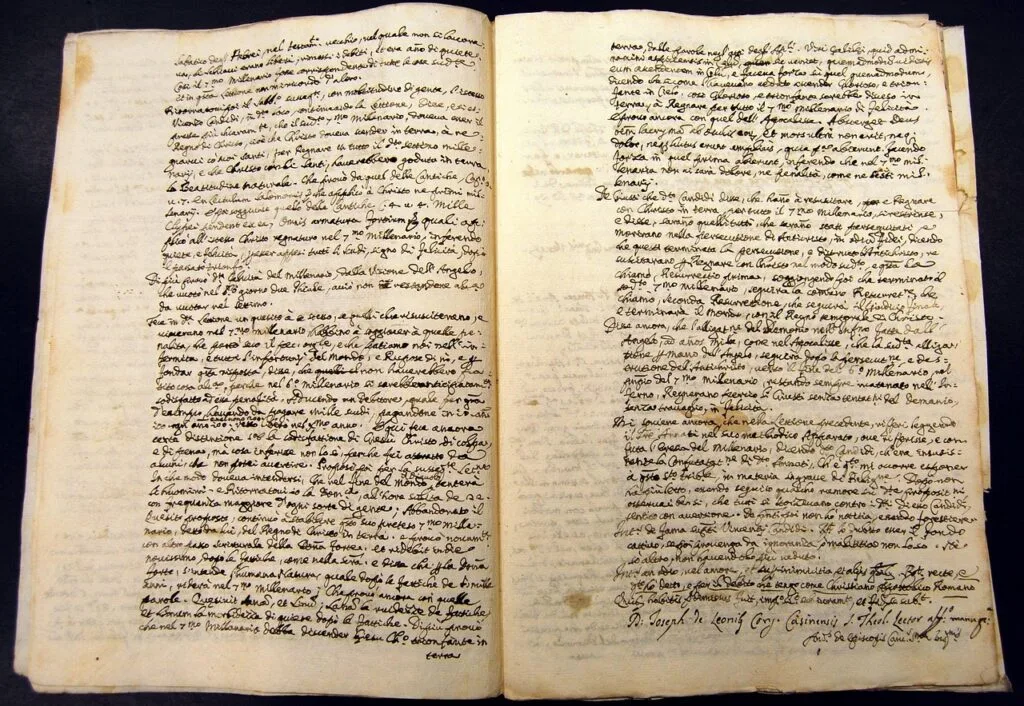
On the ground, these events show up in the fragmentation of urban functions: buildings once associated with Jewish activity were converted into Christian worship spaces (oratories), administrative offices, markets or housing. Examination of notarial archives (kept notably at the Archivio di Stato di Palermo, Via Maqueda 157, 90133 Palermo; hours: Tuesday–Friday 09:00–13:00; access fees: variable, consultation by appointment) helps document these transfers of ownership and use. Temporary exhibitions at the Spasimo or in small local galleries sometimes recontextualize these documents and objects.
It’s important to note that Jewish memory in Sicily also resonates today: since the late 20th century, research initiatives, commemorations and cultural exchanges have been working to reconstruct these missing layers. University projects (Università degli Studi di Palermo, Piazza Marina, 61, 90133 Palermo) and local NGOs organize conferences and educational routes. If you’re interested in an academic immersion, contact the history department or cultural associations that often run public lecture series (usually free or with a suggested donation).
4) Recommended Routes, Practical Recommendations and Local Advice
Here are two practical routes and a few tips to get the most out of exploring the Giudecca and Jewish traces:
- Short route (2 hours): Start at Piazza della Kalsa (90133) → Via Giudecca, 2 (90133) for façade-spotting → Ballarò (Piazza Carmine, 90134) for the market atmosphere → Spasimo (Via dello Spasimo 15, 90133) for a cultural pause (€6.00). Estimated time: 2 hours. Tip: visit Ballarò in the morning to avoid the heat and stalls closing.
- In-depth route (half-day): Piazza della Kalsa → Cassaro (Corso Vittorio Emanuele) → Archivio di Stato di Palermo (Via Maqueda 157, 90133; check hours) → Teatro Massimo (Piazza Verdi, 90138; guided tour €10–12) → coffee break at a traditional café on Via Maqueda. Estimated time: 4 hours. Tip: book the Teatro Massimo tour in advance in high season.
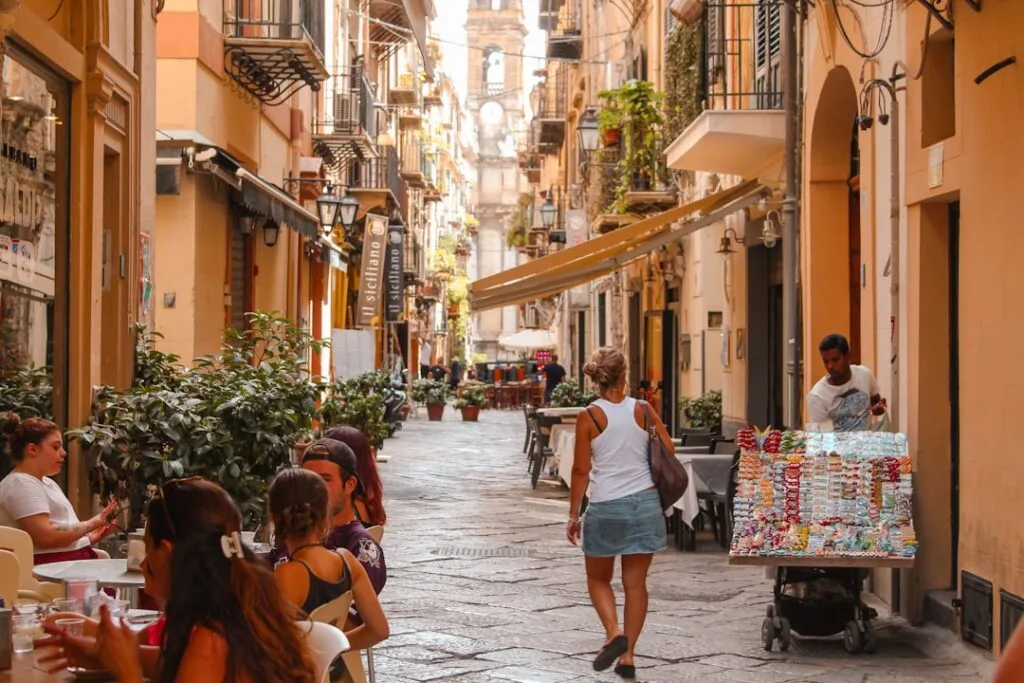
Essential local advice: 1) Respect mass and service times if you enter chapels that were once synagogues; 2) If you’re seeking historical documents, make an appointment at the Archivio di Stato (fees vary); 3) Don’t overlook street vendors: they’re a living memory of centuries of commercial exchange; 4) Themed guided tours are often bilingual (Italian/English) and cost €10–€25 — excellent for context.
Conclusion: Memory, Recognition and Perspectives — why visit the Giudecca today
Visiting Palermo’s Giudecca means confronting a memory that’s often left in the margins: places where you won’t always find explanatory plaques, but where history can be read in the urban fabric. Jewish migrations shaped Sicily for centuries, and the 1492 expulsion left invisible traces that require a careful eye to reconstruct. Palermo, as a Mediterranean crossroads, remains a living laboratory of intertwined histories — Arab, Norman, Jewish, Christian and later European — and the Giudecca is an ideal microcosm to understand these dynamics.
Practically speaking, visitors today have concrete tools to dig deeper: marked routes, guided tours, municipal archives and temporary exhibitions. The addresses listed in this guide — Piazza della Kalsa (90133 Palermo), Via Giudecca 2 (90133 Palermo), Mercato di Ballarò (Piazza Carmine, 90134 Palermo), Complesso Monumentale dello Spasimo (Via dello Spasimo 15, 90133 Palermo), Teatro Massimo (Piazza Verdi, 90138 Palermo) — provide tangible entry points into a complex history. The fees and opening times supplied make planning easier, but stay alert: museums and sites may change their schedules for seasonal reasons or special events.
Finally, visiting the Giudecca can be enriching not just for the tourist but for the engaged citizen: it raises questions about the recognition of minority heritage, the recovery of memory, and how a city integrates (or forgets) its former residents. When you leave Palermo, take a moment to note small details — a street plaque, an arch, a carved motif — that helped you read, for an afternoon, the traces of exile and perhaps sketch a path toward reconciling past and present.