





Introduction
Palermo, the capital of Sicily, is a place where fashion is woven into history, craftsmanship and street life. Far from international runways, Palermo’s Sicilian style is defined by the authenticity of independent designers, a generous use of traditional fabrics, and an attention to detail inherited from centuries of Arab, Norman and Baroque influences. In Palermo, fashion reveals itself in hidden workshops behind crumbling façades as much as in bustling markets, neighborhood boutiques and showrooms that open onto jasmine-scented courtyards. This artisanal landscape springs from a local culture that values handmade work, personalization and a direct relationship between maker and customer.
Away from ubiquitous logos, Palermo’s independent designers often work in very small teams or alone, creating one-off pieces or micro-collections. You’ll find hand embroidery, prints inspired by majolica tiles, botanical motifs borrowed from Arabic gardens, and silhouettes that blend tradition with modernity. These designers rely on local suppliers — Sicilian weavers, artisan leather workshops and regional dyers — which gives every garment a tangible authenticity. Shopping in Palermo isn’t just about buying clothes: it’s about bringing home a piece of history, a human encounter and often a conversation about materials and techniques.
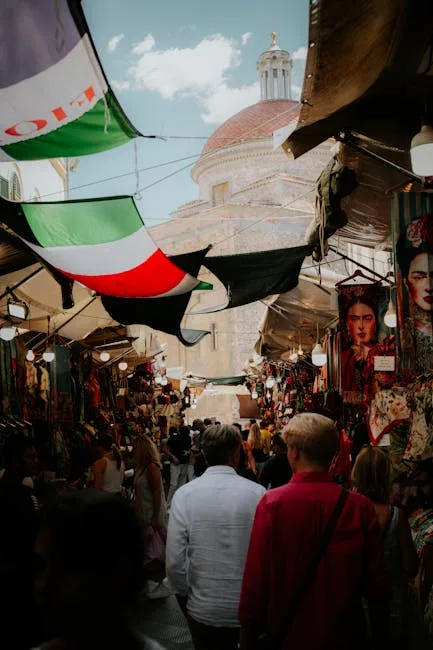
From a tourist perspective, Palermo offers a full experience for fashion-minded visitors: markets like Ballarò and Vucciria, where you can study fabrics, trims and leather goods, to the elegant lanes of Via Libertà where contemporary showrooms sit alongside age-old ateliers. Landmarks such as Teatro Massimo, Palermo Cathedral and the Palazzo dei Normanni aren’t only cultural highlights but visual inspirations for local designers. As you wander, you’ll see heavily embroidered dresses, leather bags tanned on-site and coral or filigree jewelry that tell the island’s story.
In this guide we’ll dive into that scene: neighborhood-by-neighborhood, market-by-market and workshop-by-workshop. You’ll find practical addresses, opening hours, indicative prices and tips for meeting designers, commissioning bespoke pieces or hunting down that unique find that truly speaks. Whether you’re into slow fashion, a photographer after photogenic backdrops, or a curious traveler wanting a truly Palermitan souvenir, this article will guide you step by step through a fashion culture deeply rooted in contemporary Sicily.
Neighborhoods and markets where Palermo’s fashion is born
To understand fashion in Palermo, start by exploring its markets and shopping streets. Mercato di Ballarò, located at Piazza Ballarò, is a lively spot where fabrics, trims, buttons and leather goods are sold by vendors who know the needs of local dressmakers. Address: Piazza Ballarò, 90134 Palermo PA. Opening hours: Monday to Saturday, typically 06:00–14:00 (varies by stall). Practical tip: arrive early to see the best fabric selection and avoid the midday heat. 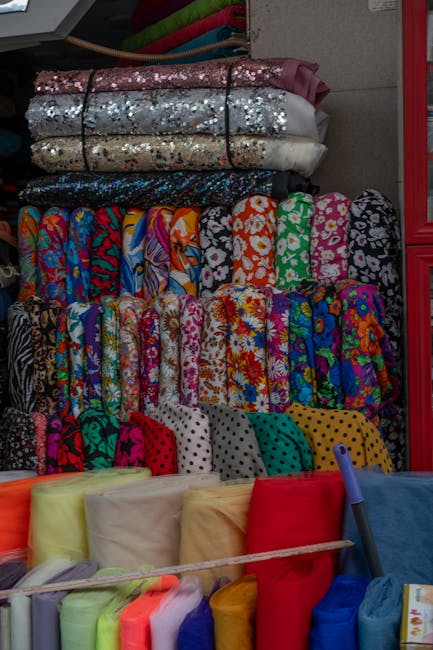
Mercato del Capo (Via Sant’Agostino, 90133 Palermo PA) is another key spot for materials and accessories. Open Tuesday to Sunday, 07:00–14:00, it offers stalls with accessories, scarves, haberdashery and sometimes small local designers showcasing pieces in improvised kiosks. It’s ideal for finding hand-painted silk scarves or embroidered trims. 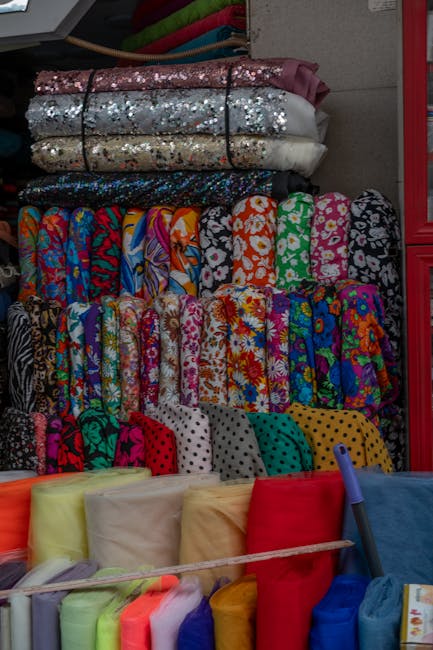
La Vucciria, a historic square known for its nightlife, presents a more contemporary side of Palermo’s culture. Head to Piazza Caracciolo, 90133 Palermo PA: the market runs during the day (06:00–14:00) and then transforms at night as bars and food trucks mingle with small concept shops — a great place to discover artisan accessories and jewelry. Also worth exploring are Via Maqueda and Via Roma, busy commercial arteries alternating ready-to-wear stores and workshop-boutiques. The more upscale Via Libertà hosts showrooms and emerging designer shops, typically open 09:30–13:00 and 16:00–20:00 on weekdays. 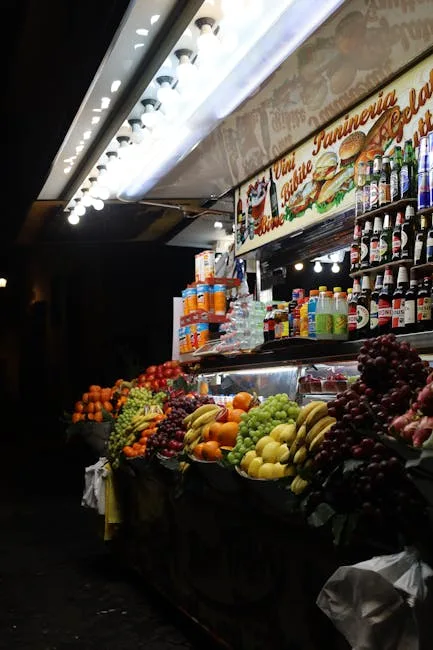
For a more heritage-rich atmosphere, stroll around Teatro Massimo (Piazza Verdi, 90138 Palermo PA) and the Palazzo dei Normanni (Piazza Indipendenza, 1, 90129 Palermo PA). These spectacular sites inspire many local collections; several designers stage pop-ups during peak tourist periods near these landmarks. Teatro Massimo sometimes hosts costume exhibitions and guided tours (variable hours, tickets around €10). The Palazzo dei Normanni is usually open from 08:15 to 17:30 and the palace entrance is roughly €12 (check current times and prices before you go). 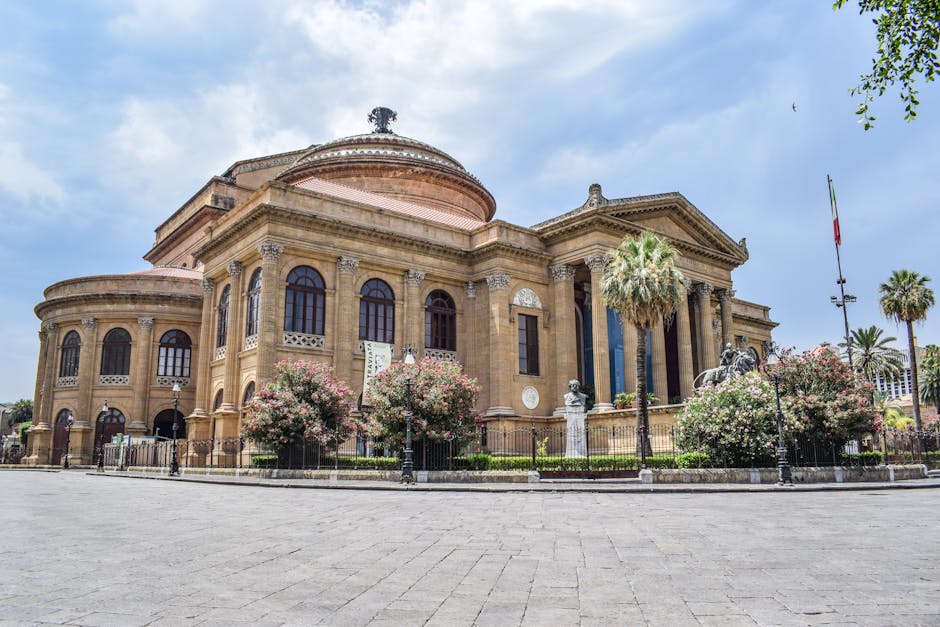
Not-to-miss workshops and independent designers
Palermo’s designer scene is eclectic: you’ll find sculptural womenswear, handcrafted leather goods and jewelers using age-old methods. Some ateliers welcome visitors by appointment, others have storefronts open to the public. Below is a representative selection — names and addresses are provided to help with visits and contact.
Atelier “La Bottega del Ricamo” (Via Maqueda 225, 90133 Palermo PA): specialized in traditional embroidery and custom work on dresses and home linens. Opening hours: by appointment, Tuesday to Saturday, 10:00–13:00 and 15:30–19:00. Prices: small alterations from €20, personalized embroideries from €80 depending on complexity. A visit to the workshop lets you see embroidery frames, locally dyed threads and chat about Sicilian motifs. 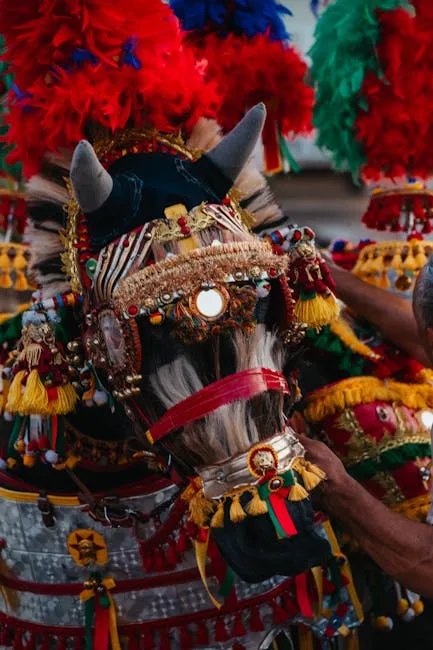
Leather workshop “Officina del Cuoio Palermo” (Via Vittorio Emanuele 302, 90134 Palermo PA): artisan leather goods offering handmade bags, belts and shoes. Opening hours: 09:30–13:00 / 16:00–20:00, closed on Monday. Prices: coin purses from €45, handbags €120–€650 depending on leather and finishing. Here you can watch light tanning processes, hand stitching and request personalized engraving. 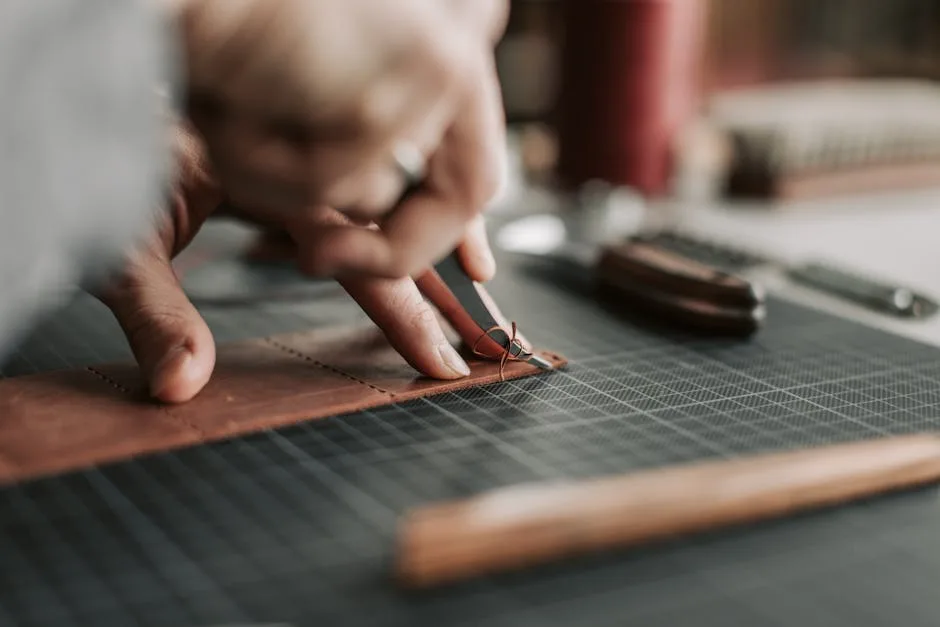
Jewelry shop “Filigrana Antica” (Via Libertà 47, 90143 Palermo PA): specialist in filigree and silver jewelry inspired by medieval and Baroque motifs. Opening hours: 10:00–13:00 / 16:00–19:30, closed Sunday. Prices: pendants from €30, bespoke rings from €80. Filigree work is often done under magnification, and the workshop welcomes visitors interested in a demonstration. 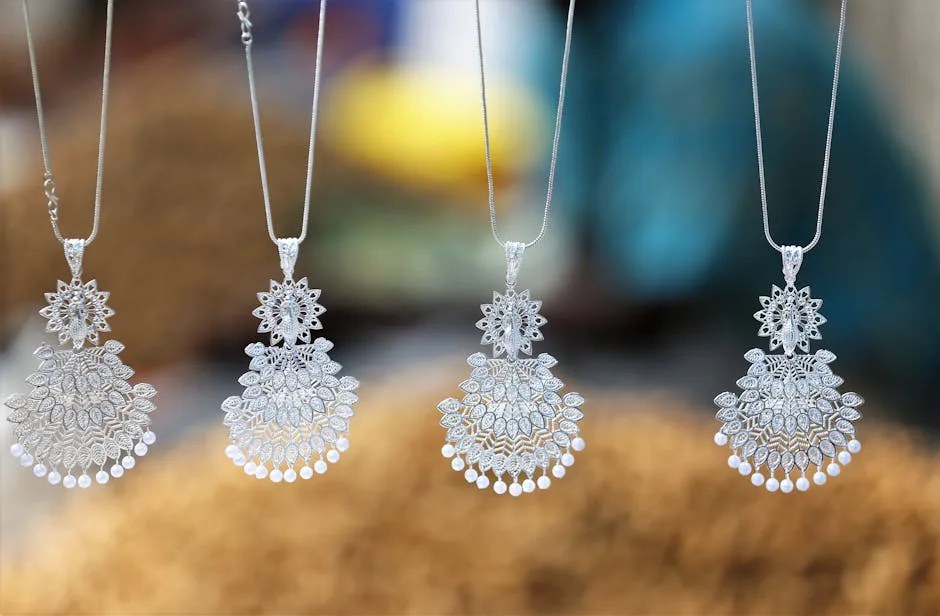
Contemporary designers and showrooms: several young labels cluster around the Kalsa district (Via Alloro and nearby streets), hosting openings and trunk shows. These events typically happen on Friday evenings (18:00–22:00). Designer prices vary widely: evening gowns €250–€1,200, structured jackets €180–€600. Look for pop-ups promoted on local social media and in neighborhood cafés. 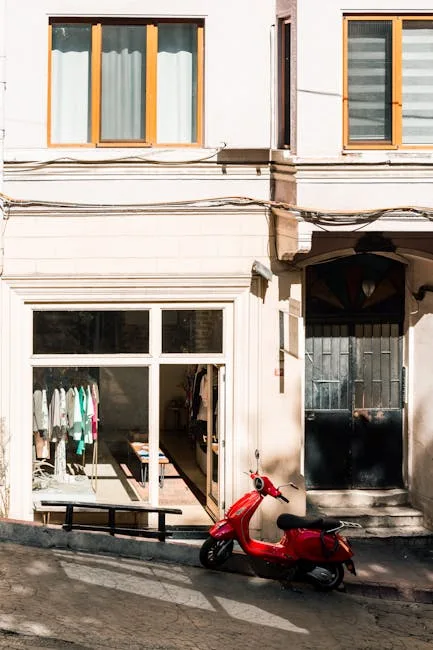
Responsible shopping, local materials and craftsmanship
An important aspect of Sicilian fashion is the emphasis on sustainability and the use of local materials. Palermo designers frequently work with Sicilian linen, organic cotton, leather tanned in small tanneries and natural dyes derived from bark, cochineal or local plants. Buying locally made pieces often means supporting short supply chains: less transport, more direct pay for artisans and clearer traceability of materials.
Concrete examples: workshops offering natural dye sessions — usually by appointment — and educational classes priced €30–€60 per session; leather repair and refurbishment shops charging around €40–€150 depending on the work. For jewelry, refurbishment (polishing, prong reinforcement) runs about €15–€50. These services extend the life of items and support the local circular economy.
Tips for responsible shopping: favor designers who disclose the origin of materials, ask about working conditions and future repair options; request certificates or label mentions (for example “organic cotton”, “vegetable-tanned leather”). Prices often reflect quality and ethics: expect to pay more for handmade items (for example a one-off jacket €300–€800) but benefit from greater durability and uniqueness not offered by mass production. 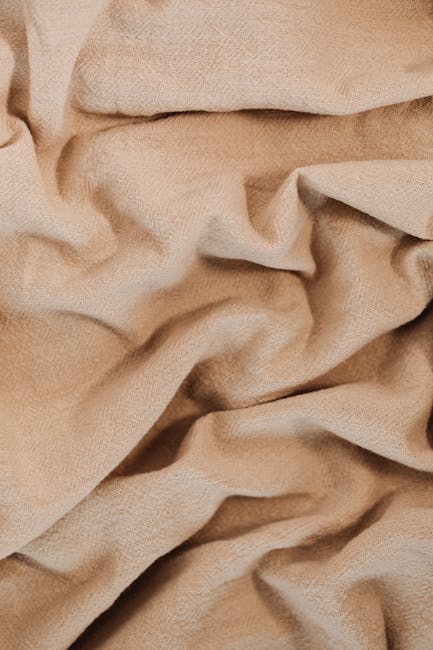
If you want to learn, several workshops offer short courses (2–4 hours) in sewing, embroidery or dyeing: budget €35–€90 depending on the activity, including materials and a small take-home keepsake. These experiences are often listed at local tourist offices or on the workshops’ Instagram pages. Finally, mind the seasons: high tourist season (May–September) means busy workshops; prefer April, October or November for a quieter approach and better designer availability. 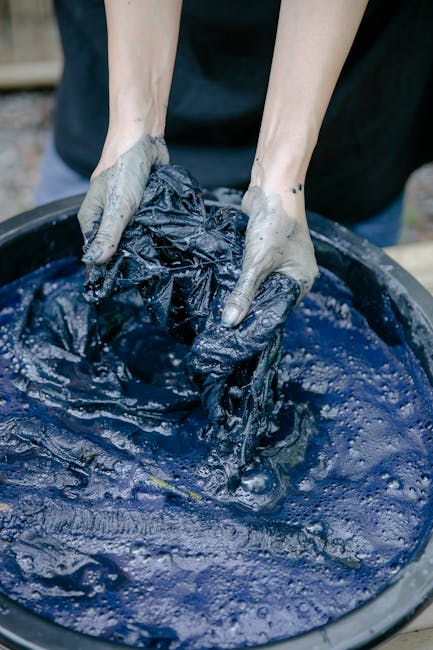
Practical tips for visiting workshops and shopping in Palermo
Planning visits: many workshops in Palermo welcome visitors by appointment. Before you go, call or send a message (WhatsApp is widely used in Sicily) to check availability, opening hours and languages spoken. Typical small shop hours: mornings 09:30–13:00 and afternoons 16:00–20:00; some close for a long lunch break (13:00–16:00). For markets, the best window is early morning (06:00–10:30) when stalls are most stocked.
Payment methods: many workshops accept cards, but some small vendors and artisans prefer cash. Carry some euro notes for small purchases. Bargaining: light haggling is possible at markets (about 5–15%), whereas workshop prices are usually fixed because they reflect handcrafted labor and material costs. 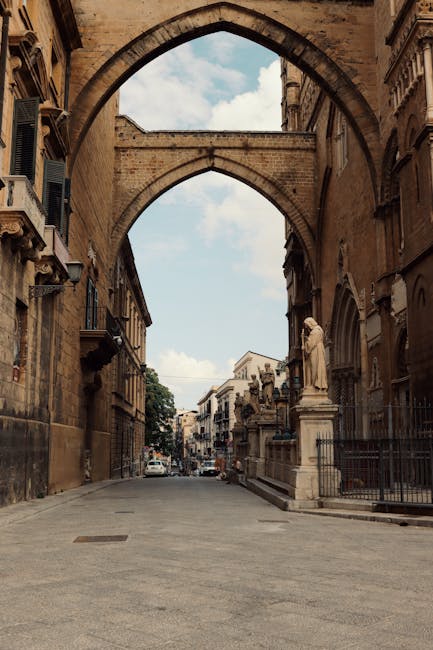
Transport and mobility: the historic center is very walkable; however, to reach dispersed workshops, consider taking a taxi or renting a scooter. Major taxi ranks are near Piazza Politeama and Piazza Verdi. If you rent a car, park in pay-and-display garages (e.g. Parcheggio Centro 2000 near Via Maqueda) to avoid ZTL zones (limited traffic areas). Safety: Palermo is generally safe for visitors, but stay mindful of your belongings in markets and at night. 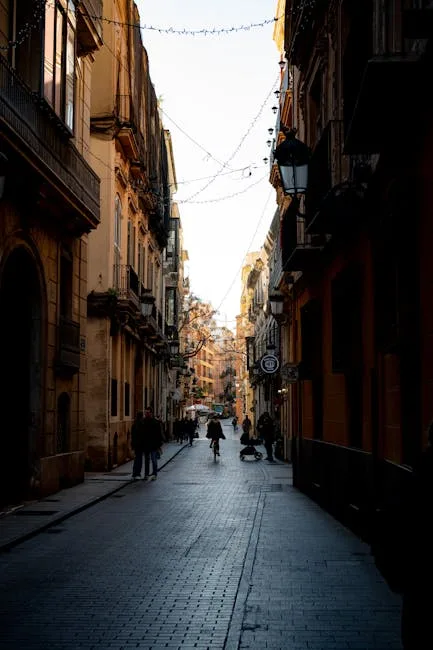
Language and communication: a few words of Italian go a long way — a simple “Buongiorno”, “Vorrei vedere” or “Posso avere il prezzo?” is appreciated. Designers welcome compliments about their work and will often be happy to explain techniques and inspirations. Don’t hesitate to ask for adjustments: most workshops offer local alterations (a few tens of euros) for a perfect fit.
Conclusion
Sicilian fashion in Palermo is a full sensory experience — colors, textures, workshop smells and the voices of artisans come together to create a world where every piece tells a story. By exploring popular markets like Mercato di Ballarò (Piazza Ballarò, 90134 Palermo PA) and Mercato del Capo (Via Sant’Agostino, 90133 Palermo PA), then stepping into workshops and small shops on Via Maqueda, Via Libertà or in the Kalsa neighborhood, you’ll discover a fashion scene that doesn’t sacrifice identity for standardization. The addresses and hours given — from early-morning market stalls to showrooms with split hours — will help you plan your route.
Shopping in Palermo means supporting a network of artisans and small businesses that pass down techniques often centuries old: embroidery, filigree, leather tanning and natural dyeing. Prices reflect this commitment — budget accordingly (from small finds starting around €20 up to bespoke pieces costing several hundreds) — but each purchase is often accompanied by the maker’s story and the option for future repair or alteration, which brings longevity and meaning to your buys.
Finally, remember the practical tips: arrange appointments, carry cash for some vendors, haggle respectfully at markets and savor the personal encounters. Whether you’re looking for a hand-embroidered dress, a patinated leather bag or a filigree jewel, Palermo offers a palette of talents and atmospheres to explore. Take home more than an object: a slice of Sicily shaped by expert hands and a culture that celebrates the beauty of the handmade. Safe travels and enjoy discovering Palermo’s Sicilian fashion!