





Introduction — Panorama and perspectives around the Palazzo dei Normanni
The Palazzo dei Normanni (Royal Palace of Palermo) is undoubtedly one of Palermo’s most iconic sites — prized not only for its historical and artistic value but also for its central location, which makes it a natural lookout over the city. Built and reshaped by Byzantines, Arabs, Normans and Aragonese rulers, the palace stands in a strategic spot near the historic center, and the surrounding spaces deliver a string of panoramas that reveal the city’s urban morphology, the relationship between land and sea, and the layers of architectural styles that define Sicily. This article is a comprehensive guide for anyone who loves wide views: where to go up, when to visit, how much it costs, and how to make the most of each stop for photos, quiet contemplation, or photographic scouting.
In this practical yet well-researched guide you’ll find not just detailed descriptions of the best viewpoints around the palace, but precise addresses, prices in euros, opening times and local tips to avoid crowds, capture the best light and combine monument visits with tasty breaks. The approach is immersive: for each spot I explain what you’ll see (roofs, bell towers, coastline lines, the silhouette of Monte Pellegrino), how to position yourself for the best composition and which hours to prioritize depending on weather and season.
Palermo is a city of contrasts: red-tiled roofs, baroque domes, campaniles, decorated squares and narrow streets that open toward sea-facing promontories. Around the Palazzo dei Normanni, these elements are within walking distance and reveal themselves from urban belvederes and terraces often overlooked by hurried visitors. This guide is also pragmatic: I provide practical details (full addresses, prices in euros, approximate opening hours regularly updated by local authorities) as well as local tricks (ideal light times, where to grab a coffee, risks of hard shadows in summer, accessibility for people with reduced mobility).
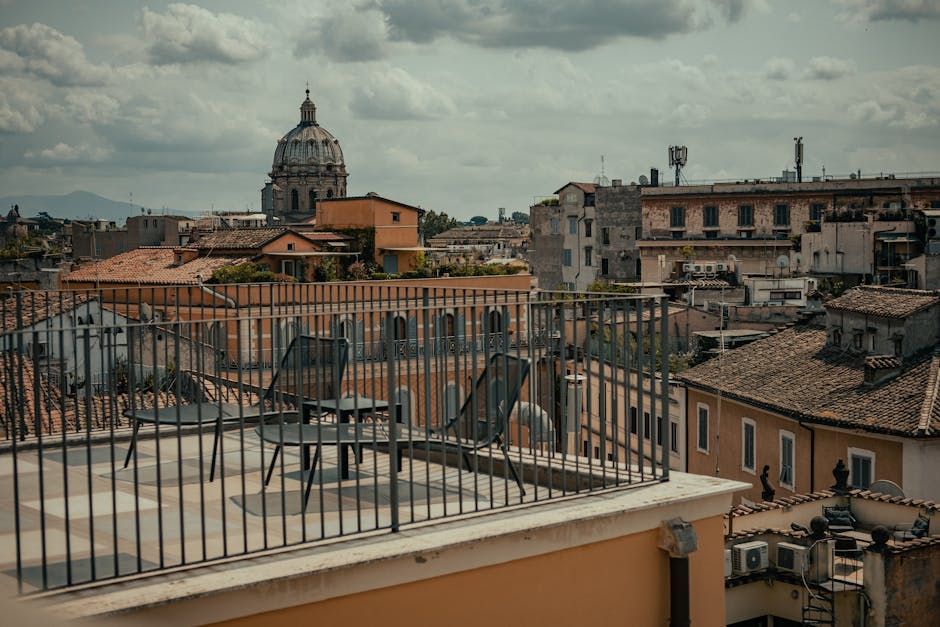
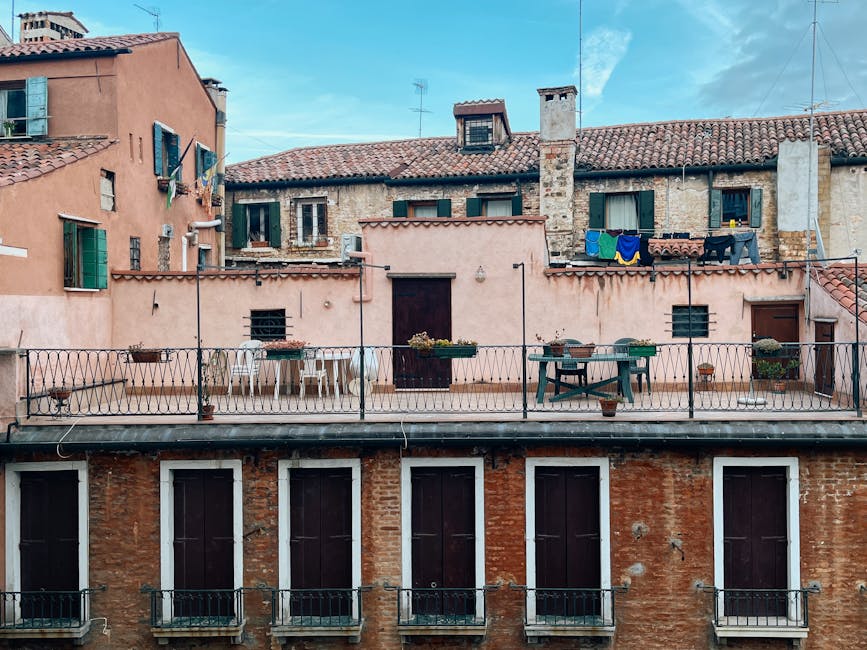
Finally, this piece respects the photographic immersion approach and integrates visual markers in the text to help you quickly spot the best scenes to photograph. The markers <img width="488" height="650" src="https://ue.is/wp-content/uploads/sites/32/2026/06/palermo-palazzo-dei-normanni-rooftop-terrace-view.jpg" class="aligncenter" alt="Palazzo dei Normanni rooftop terrace view » loading= »lazy » /> point to specific subjects — for example the “Palazzo dei Normanni rooftop terrace view” — so you can easily search for images or prepare your travel journal. Whether you’re an amateur photographer, curious traveler, itinerary planner or a contemplative soul, this guide helps you explore the panoramic viewpoints around the Palazzo dei Normanni and leave with a deeper understanding of the perspectives offered by Palermo’s historic core.
1. The Palazzo dei Normanni terraces and façades — Piazza del Parlamento, 1
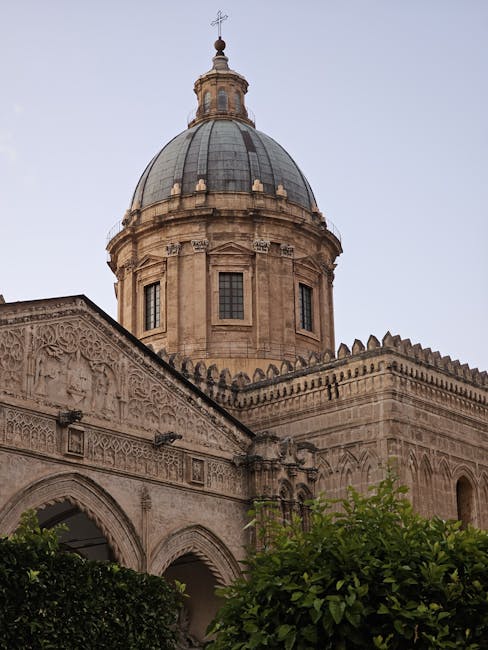
The Palazzo dei Normanni (Royal Palace of Palermo), located at Piazza del Parlamento, 1, 90129 Palermo PA, Italia, is a viewing platform in its own right. Access to the roofs isn’t always freely open, but the exterior spaces and the immediate area around the palace already provide noteworthy views of the ancient street layout and the dome silhouette of the Cathedral. Official address: Palazzo dei Normanni, Piazza del Parlamento, 1, 90129 Palermo PA, Italia. Opening hours (indicative): the complex — including the Palatine Chapel and the royal museums — typically opens from 8:15 to 18:30 (closing times vary with season and public holidays). Entrance fee (indicative): combined Palatine Chapel + museum ticket around €12.00 for an adult; discounts for students/young people and occasional free admissions may apply (check the official site). The view from the square and the steps gives you a first panorama along the historic axis of Corso Vittorio Emanuele toward the distant sea.
Immersive description: from the palace steps you can clearly read the layers of urban islands, the domes of baroque churches and the Tyrrhenian Sea in the background — especially on a clear morning or late afternoon when the light grazes the facades. The palace’s massive silhouette — its towers, battlements and windows — also makes a strong frontal compositional element for photos. If you manage to visit the Palatine Chapel, take the chance to compare the precious gilded interior with the fortress-like simplicity of the outer façades: the contrast between ornate interiors and sweeping urban panoramas strengthens the historical reading of the site.
Practical tips: arrive early (or late afternoon) to avoid crowds and enjoy softer light. Security checks can be thorough before entering public rooms, so allow an extra 20–30 minutes. The palace has restricted-access areas; ask at the ticket office about rooftop access. In summer bring a hat and water — shade is limited on exterior terraces. Accessibility: the main entrance has areas that are not easily accessible; contact the palace administration in advance to arrange a suitable visit.
2. View from Palermo Cathedral — Corso Vittorio Emanuele, 1
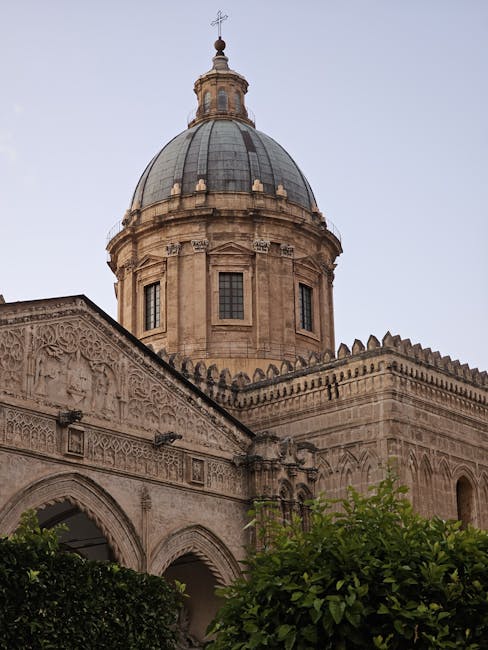
Palermo Cathedral (Cattedrale di Palermo) stands at Corso Vittorio Emanuele, 1, 90134 Palermo PA, Italia. It’s one of the best civic viewpoints close to the Palazzo dei Normanni, roughly an 8–12 minute walk depending on your pace. Address: Cattedrale di Palermo, Corso Vittorio Emanuele, 1, 90134 Palermo PA, Italia. General hours: the cathedral is normally open to the public every day from 7:00 to 19:00 (times can change for religious services). Access to the panoramic roof: guided tours or free access depending on the season; terrace visiting times are generally from 9:00 to 17:00. Roof access fee (indicative): about €10.00 per person for terrace visits (rates can change; combined tickets with other cathedral areas are sometimes offered).
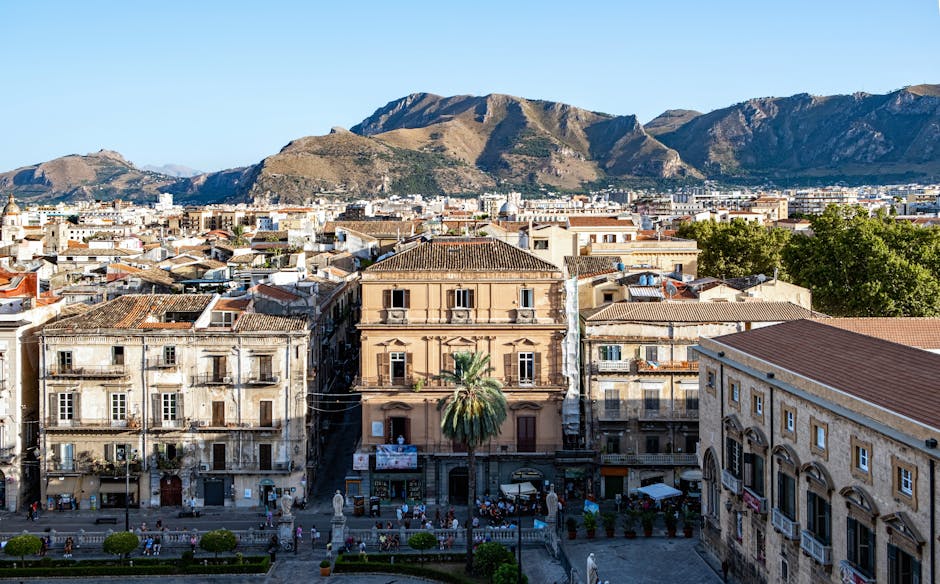
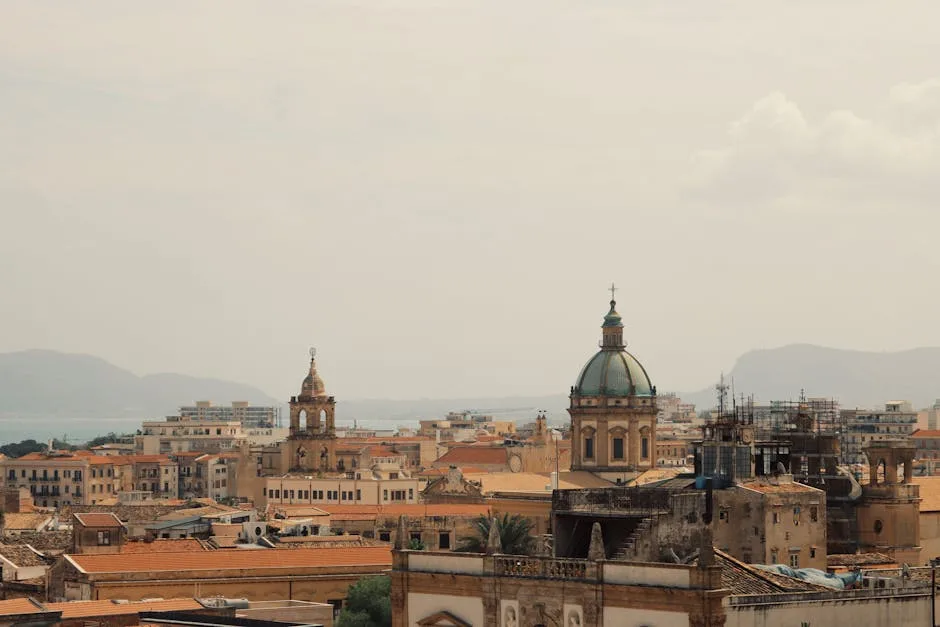
Immersive description: climbing onto the cathedral terraces gives you both near and far perspectives: you’re above the roofs, facing civic and religious bell towers and can read the built density of the historic center. The view toward the Palazzo dei Normanni highlights the symmetrical layout of Piazza del Parlamento and the visual relationship between religious and civil power. From the cathedral heights you can also trace the line running toward the port and the Gulf of Palermo, with Monte Pellegrino massing on the horizon, dominating the bay.
Local tips: the climb often involves narrow staircases and isn’t recommended for those with significant mobility limitations. The best time for photography is the evening golden hour, when the cathedral’s pale stone warms to a honeyed tone and the historic center’s shadows lengthen. If the weather is misty, favor morning visits when the light can break through marine haze and create photogenic atmospheric layers. Near the cathedral you’ll find several cafés and gelaterias along Corso Vittorio Emanuele to round off your visit with a tasty break.
3. The Foro Italico Umberto I promenade and seaside belvedere
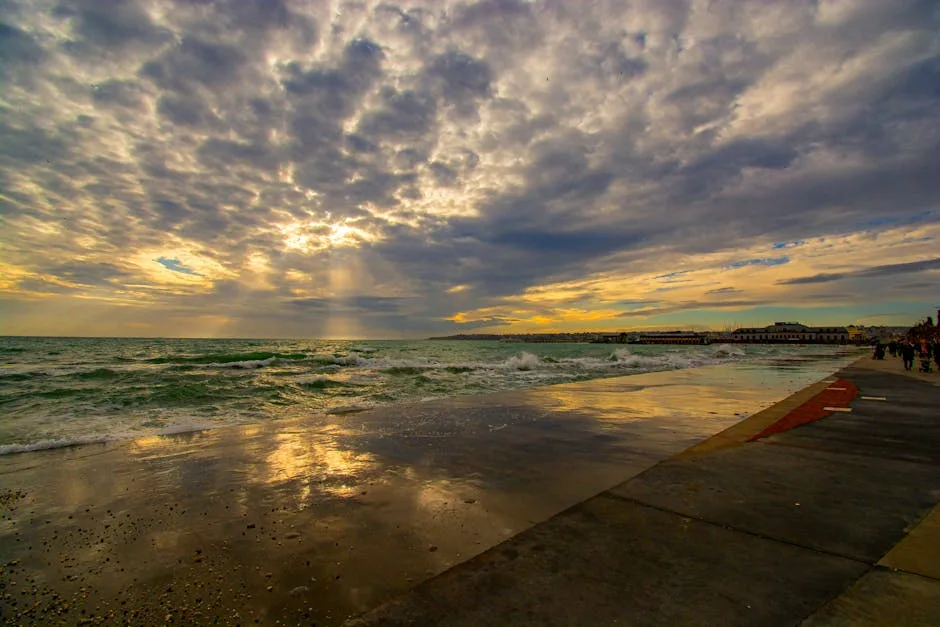
The Foro Italico Umberto I is the large seafront promenade north of the historic center, easily reachable on foot from the Palazzo dei Normanni (about 15–20 minutes depending on route). Address: Foro Italico Umberto I, Lungomare, 90133 Palermo PA, Italia (landmark: near Teatro Politeama and the gardens). Hours: the promenade is a public space open 24/7; services and facilities (cafés, seasonal sunloungers) depend on local vendors and the time of year. Price: free — access to the belvedere and promenade is unrestricted. If you want a drink at a terrace bar expect to pay around €3.00–8.00 for a coffee or aperitif.
Immersive description: the Foro Italico offers an unobstructed view of the Tyrrhenian Sea and the coastline line, with a sideways glance over the center’s roofs toward which the eye naturally drifts. Wide promenades, trees and benches let you settle in and watch the changing light and maritime traffic. From some viewpoints you’ll see pleasure boats and sometimes ferries heading to the Egadi Islands. The contrast between the palace’s solemnity and the horizontal expanse of the shoreline gives a rounded reading of Palermo as a city perched between land and sea.
Practical advice: prioritize sunset for a dramatic panorama over sea and city; these hours attract joggers and families — arrive 30 minutes before golden hour to claim your spot. If you stroll along the promenade, head toward the Cala and the port for more maritime views, or turn west to catch Teatro Massimo in the distance. Safety: the promenade is generally safe, but keep an eye on personal belongings at night. Accessibility: most of the Foro Italico is accessible for people with reduced mobility.
4. The Vucciria neighborhood and its terraces — Piazza Caracciolo
The Vucciria is one of Palermo’s most famous markets, located between Piazza Caracciolo and Via Roma, just a short walk from the Palazzo dei Normanni. General address: Vucciria, Piazza Caracciolo, 90133 Palermo PA, Italia. Hours: the market buzzes mainly in the morning and early afternoon (around 7:00–14:00); bars and restaurants come to life from about 18:00 and stay open late. Price: market access is free; a drink on a terrace costs between €3.00 and €6.50; street food (arancini, panelle) runs roughly €2.00–6.00.
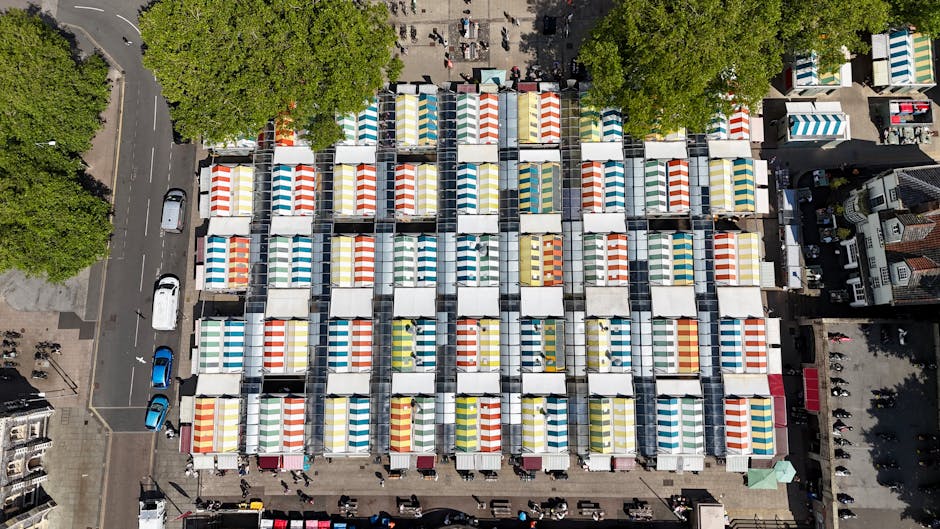
Immersive description: the Vucciria provides a set of micro-level panoramas — from some upper floors and small terraces you can watch market life below: colorful stalls, butchers, fishmongers and the bustling crowds. These close-in vantage points are ideal for lively street photography, with weathered façades as backgrounds and glimpses of sky between the alleys. Some small hotels and bars have rooftop or mezzanine terraces overlooking unexpected perspectives toward the Palazzo dei Normanni and nearby bell towers.
Local tips: explore the Vucciria in the morning for the full energy of the stalls, then climb to a terrace for a bird’s-eye view and a coffee. By night the neighborhood transforms: look for bars with rooftops or mezzanines for friendly evenings and urban night views. Photography: use a medium focal length (35–50 mm) to capture human density and stall details; a medium aperture (f/5.6–f/8) will keep the scene sharp. Caution: as in any busy market area, keep valuables secure.
5. Monte Pellegrino and the Santuario di Santa Rosalia — Via Monte Pellegrino
For a nature-dominated panorama that towers over the whole city and bay, Monte Pellegrino is unmissable. The Sanctuary of Saint Rosalia (Santuario di Santa Rosalia) sits at Via Monte Pellegrino, 90149 Palermo PA, Italia. Address: Santuario di Santa Rosalia, Via Monte Pellegrino, 90149 Palermo PA, Italia. Hours: the sanctuary is generally open to the public from 9:00 to 18:00; times vary with season and religious celebrations. Access: there’s parking at the start of the scenic road or access by hiking trails. Price: the viewpoint is free; tourist shuttles or local buses cost a few euros (around €2.00–4.00 depending on line and season).
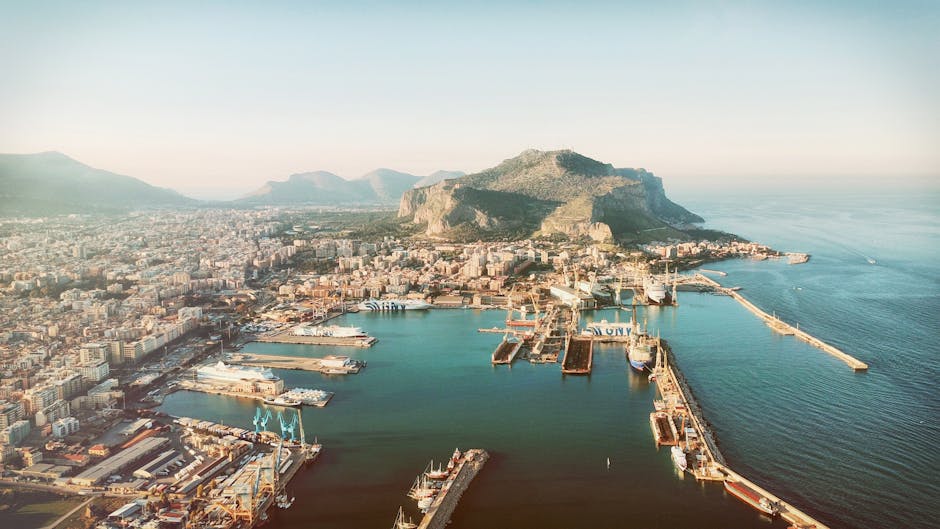
Immersive description: Monte Pellegrino rises sharply to the northeast of Palermo and offers 360-degree views over the city, the port, the coastline and the open sea. From the belvederes around the sanctuary you can clearly read the city’s tangled neighborhoods, the coastline line and, on clear days, the deep blue of the sea. It’s an emotional experience: for centuries the promontory has been a pilgrimage and observation point, and its position makes the city seem small when seen from the mountain. Limestone rocks and Mediterranean vegetation create a natural frame for striking panoramic photos.
Practical tips: for the best experience visit at sunrise or late afternoon for warm light on the bay. Driving is possible but roads are winding; go slowly and plan stops to enjoy different views. Hikers will find well-marked paths; bring sturdy shoes and water. Wind can be strong along the ridges — bring a windproof jacket even in summer. If you take the local bus, check timetables: some lines run less frequently on Sundays.
6. Small terraces and belvederes in the Kalsa district and the port side of the Foro Italico
The Kalsa district, east of the Palazzo dei Normanni, is full of little squares, gardens and terraces offering close-up views of the historic urban fabric and the port. Key spots: Piazza Marina (Giardino Garibaldi), Piazza Marina — address: Piazza Marina, 90133 Palermo PA, Italia — and the belvederes along the port near the Cala (Via Cala, 90133 Palermo). Hours and access: public gardens and squares are open continuously (free). For some museums and cafés with rooftops (in the Kalsa or along the Cala) opening times vary — expect hours between 9:00–23:00 depending on the business.
Immersive description: from Kalsa’s terraces or the benches of Piazza Marina you’ll enjoy intimate views of wrought-iron balconies, historic façades and everyday neighborhood life, contrasting with the broader perspectives of the Foro Italico. Closer to the Cala and the port the scene becomes more maritime: boats, cranes and port facilities create an industrial-picturesque landscape that complements the reading of Palermo’s panorama. The proximity of museums (like the Regional Archaeological Museum) and baroque churches makes it easy to alternate between urban observation and cultural visits.
Local tips: walk through the Kalsa in late afternoon to catch the light on the façades and the cafés’ terraces. Lesser-known viewpoints (small stairways leading to patios) are often empty of tourists and make for authentic shots. For night photography head toward the Cala for reflections on the water and an interesting contrast between public lighting and shadow.
Conclusion — Planning your exploration of panoramas around the Palazzo dei Normanni
Exploring viewpoints around the Palazzo dei Normanni is a journey through a variety of perspectives — from the palace’s monumental terrace to the natural ridges of Monte Pellegrino, via the bustling roofs of the Vucciria, the cathedral’s sacred terraces and the wide seascape of the Foro Italico. Each spot offers a different angle on Palermo: historical, religious, popular, maritime and natural. To plan your route, start at the Palazzo dei Normanni and the cathedral for architectural and historical context; then head to the Vucciria and the Kalsa for street-level views and scenes of daily life; finish at the Foro Italico and Monte Pellegrino for open sea panoramas. This progression takes you from details to wide-angle views — an ideal way to get to know the city.
Precautions and practical recommendations: always check official opening hours and access availability (monument terraces, guided tours) before you go; these can change due to seasons, restorations and public holidays. Be prepared to walk: many viewpoints are within walking distance but some involve climbs or stairs. In summer avoid the hottest hours for uphill walks and favor mornings or evenings. Bring water, sun protection and suitable photo gear (versatile lenses, spare battery, polarizing filters for sea shots).
Finally, take your time: Palermo’s beauty lies as much in its panoramas as in its details. Climb a roof, sit on a bench at the Foro Italico, taste a local specialty (arancini, panelle, sfincione) while watching the city, and let each viewpoint tell you a piece of Palermo’s story. Whether you’re after dramatic images, contemplative walks or reference points to understand the city, the panoramas around the Palazzo dei Normanni offer a rich — accessible, diverse and deeply memorable — palette.