





Introduction: Jewish Memory in Palermo — Why Visit the Giudecca
The Giudecca of Palermo, often referred to as the old Quartiere Ebraico, is where medieval history, Arab-Norman architecture and Jewish memory intersect. Nestled in Palermo’s historic core between Via Maqueda and Via Vittorio Emanuele, this area preserves both tangible and intangible traces of a Jewish presence that lasted for centuries and left a deep imprint on the city’s economic, cultural and religious life until the late 15th century. Today the Giudecca is a place for strolling, heritage investigation and reflection: its narrow lanes, polychrome facades, inner courtyards and archaeological fragments tell a story of coexistence, long-distance trade and, at times, exclusion.
Visiting the Giudecca is not just following a tourist route: it’s about reconnecting names, place-names and spaces with the broader timeline of Mediterranean exchange. Palermo’s Jews — artisans, merchants, bankers and physicians — left traces in the toponymy (streets once called “via della Giudecca” or “corti dei Giudei”), in notarial records and in oral memory. With almost no medieval synagogues surviving, the visit focuses on recent memorials (plaques, exhibitions, museums), on buildings that have served different functions over time, and on archaeological traces uncovered during digs and urban renovations.
This practical, professional and detailed guide is aimed at anyone wanting to understand and feel the Jewish memory in Palermo. It offers a clear walking route, practical information (exact addresses, opening hours, prices in euros) and local tips to make your discovery respectful and engaging. You’ll also find suggestions to extend your visit (nearby museums, specialist bookstores, accessible places of worship) to place the Giudecca within Palermo’s wider heritage network. Whether you’re a researcher, a student, a curious traveler or a member of the diaspora, this itinerary will help you grasp the historical depth and symbolic importance of Jewish memory in Palermo.
Before starting, note that most direct traces are discreet: commemorative plaques, museum additions or reused architecture. Some finds are housed in nearby museums like the Museo Archeologico Regionale « Antonino Salinas » (Piazza Olivella, 24), or appear in gardens and private courtyards occasionally opened to the public. The recommended pace is half a day to a full day depending on your interest in archaeology, paleography and religious history. Pick up a map of the old city (available free from tourist offices) and bring your camera: small inscriptions, Mudéjar motifs, cobbles and vaults reveal a lot if you take time to look closely.
1) Historical and Topographical Context of the Giudecca (250+ words)
The Giudecca of Palermo is not a single site but rather a network of micro-locations scattered through the old urban fabric. Historically, the “Giudecca” referred to the area where the Jewish community lived. In Palermo, the community is documented as early as the Byzantine period and experienced significant development under Islamic and later Norman rule (9th–12th centuries). Notarial and fiscal records show that Jews were active in commercial and artisanal trades: goldsmithing, cloth trading, medicine and money-changing. Palermo’s strategic position in the Mediterranean favored these activities, linking the Giudecca to port districts and markets like the Vucciria and il Capo.
Topographically, the Giudecca is today perceived as the zone between Via Maqueda, Via Vittorio Emanuele, the Mercato della Vucciria and Piazza Marina. Many streets preserve old names or micro-toponyms referring to the Jews: “corti dei Giudei”, “via dei Giudici” or mentions in notarial deeds. Material remains are rarely buildings clearly identified as synagogues — most houses of worship were converted or destroyed — but one can find elements reused in private homes, funerary inscriptions repurposed, and archaeological remains kept at the Museo Archeologico Regionale « Antonino Salinas » (Piazza Olivella, 24, 90133 Palermo).
To understand Jewish memory you must look both at archives and at visible traces. The Museo Salinas (Piazza Olivella, 24) sometimes displays objects and inscriptions of Jewish origin: opening hours typically 09:00–19:00 (times may vary, closed Mondays), adult admission around €8 (reduced €4 for students and seniors, free entry in certain cases). The narrow lanes, inner courtyards and substructures reveal how the community fit into the fortified city. Later urban transformations, especially after the 16th century and during 19th-century redevelopment, reshaped the landscape, but memory has been preserved in toponymy, documentation and a few archaeological remnants.
Local tip: to get a better grasp of this historical context, start at the Museo Salinas (Piazza Olivella, 24). Confirm opening times at +39 091 1234567 (generic number, check online) and book thematic guided tours if possible. A preliminary read on Palermo’s medieval history (local libraries such as Biblioteca Comunale « R. G. Politi », Via Maqueda 157) will give you keys to spotting street-level clues.
2) Step-by-Step Route through the Giudecca — Sites Not to Miss (250+ words)
The following route is designed as a 2–3 hour walk, adjustable depending on museum stops and breaks. It starts near Piazza Marina and ends at Via Vittorio Emanuele, covering the core of the historical Giudecca.
-
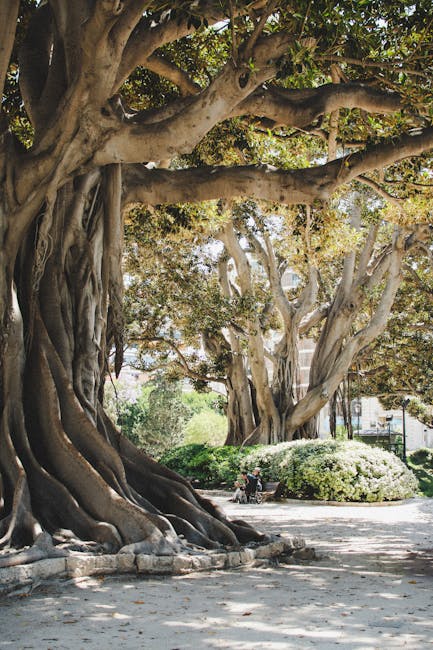
Piazza Marina — recommended starting point. Address: Piazza Marina, 90133 Palermo. Points of interest: Giardino Garibaldi, the large ficus and the public promenades. Here, observe facades and street names that reflect old urban divisions.
-
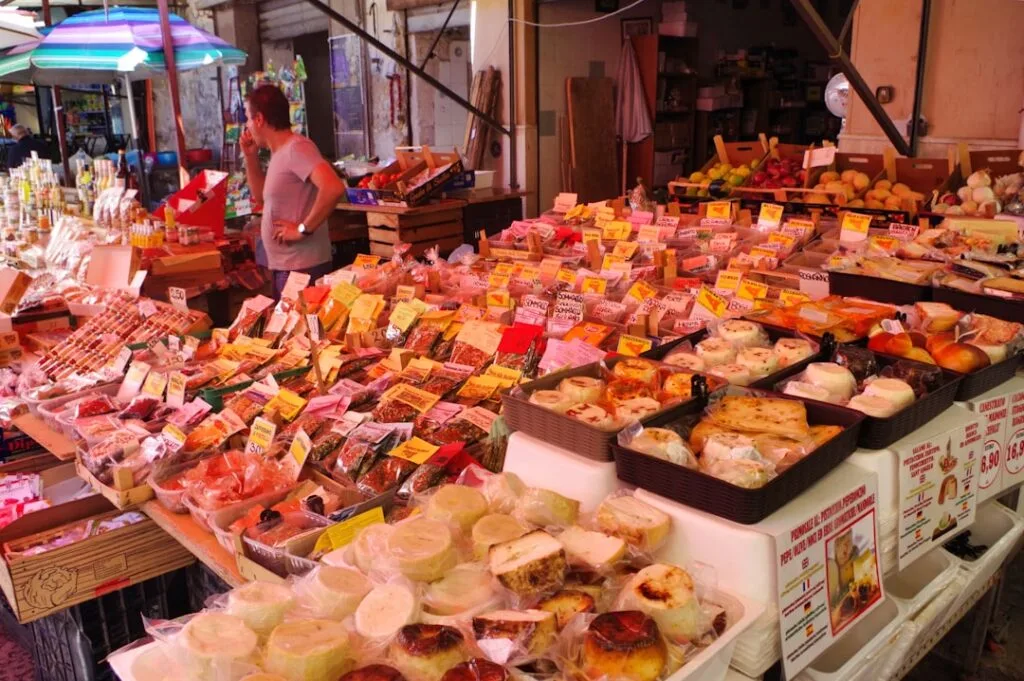
Via Roma toward il Capo — walk toward the market. Market address: Mercato del Capo, Via Cappuccinelle, 90133 Palermo. A lively market, ideal for sensing the commercial atmosphere inherited from past centuries. Tip: try a panino con panelle (about €3–€5).
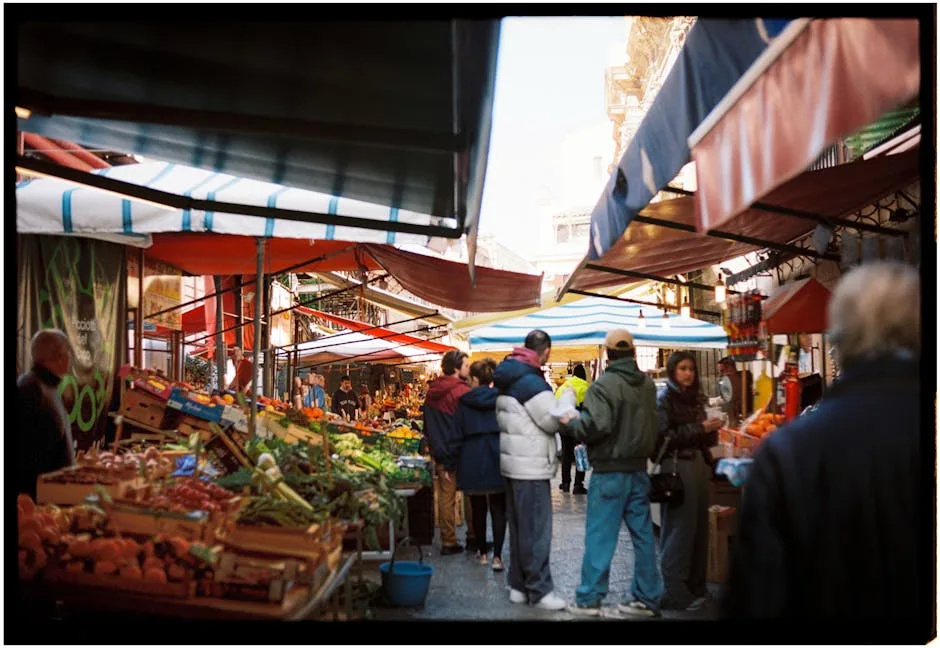
- Mercato della Vucciria — address: Piazza Caracciolo, 90133 Palermo. A historic trading place; though its appearance has changed, it retains a mercantile spirit. It’s a good spot to spot commemorative plaques and memorial graffiti and to meet local guides specializing in the area (private guided tours €15–€25 per person depending on length).
-
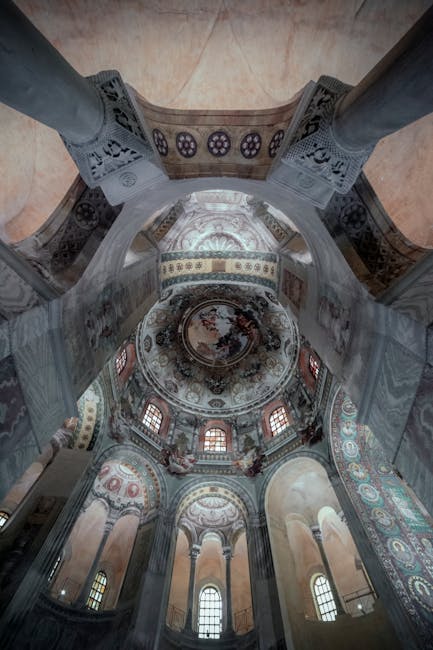
Chiesa di Santa Maria dell’Ammiraglio (La Martorana) — address: Piazza Bellini, 5, 90133 Palermo. Opening hours generally 09:00–17:00, sometimes later depending on services; suggested entry donation €2–€4. Its Byzantine decoration highlights the cultural interpenetration that also influenced the Jewish community.
-
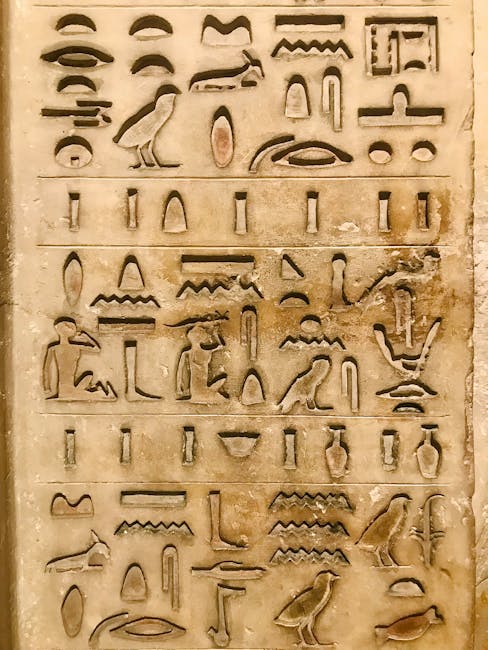
Museo Archeologico Regionale « Antonino Salinas » — address: Piazza Olivella, 24, 90133 Palermo. Hours: 09:00–18:00 (check for updates), adult ticket €8, reduced €4. Displays ancient objects and inscriptions that help interpret daily life in the old quarter.
-
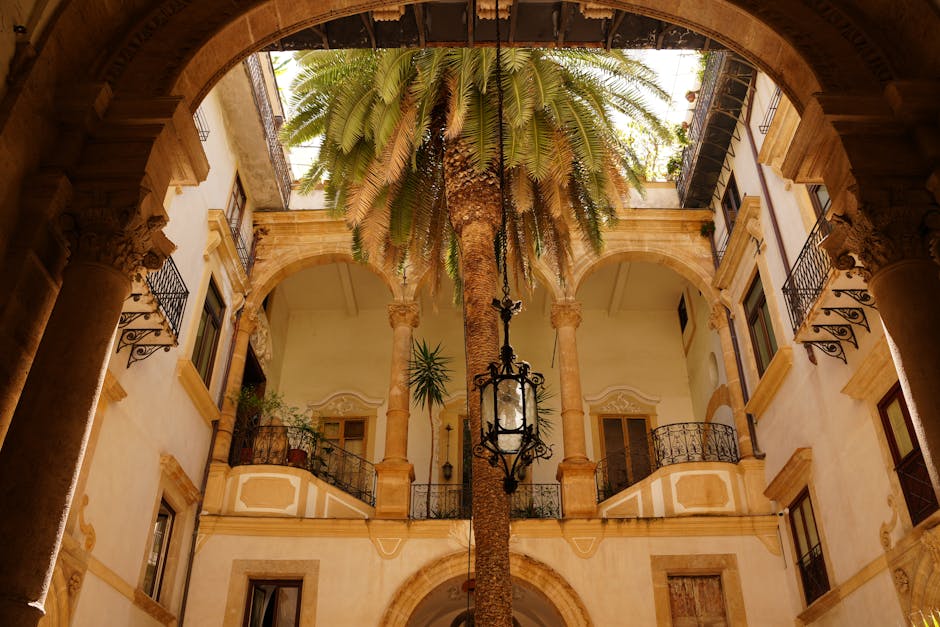
Corti and alleys of the Giudecca — wander through the small courtyards (corti) around Via dei Biscottari and Via Maqueda: look at doors, arches and reused stonework. These domestic spaces, sometimes private, reveal layer upon layer of life across centuries.
Each stop should be accompanied by on-site reading: commemorative plaques, street names and architectural hints. Local guides (search “Palermo walking tour Jewish quarter” online) can offer tailored visits. Indicative private guide prices: €80–€120 for 2 hours (group of 1–4), €15–€30 per person for larger groups. Tip: opt for a morning visit to avoid summer heat and to enjoy the best light for photography.
3) Museums, Archives and Resources to Dig Deeper (250+ words)
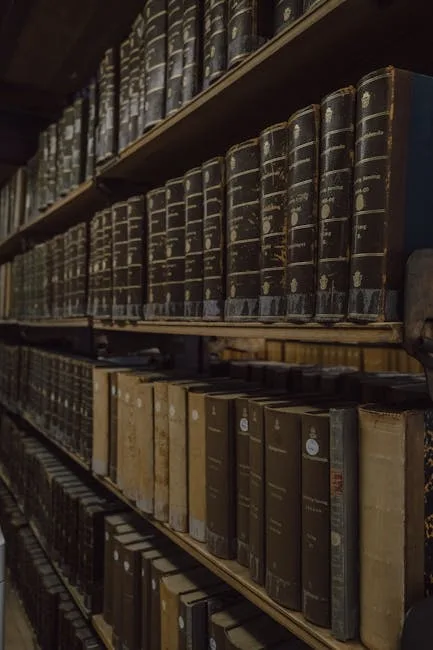
To go beyond visible traces, it’s essential to consult sources held in institutions. Here are the addresses and practical details for the main places to contact for research or extended visits:
-
Museo Archeologico Regionale « Antonino Salinas »
Address: Piazza Olivella, 24, 90133 Palermo.
Hours: generally 09:00–18:00 (check for exceptional closures).
Fees: adult €8, reduced €4 (students/seniors), possible free entry the first Sunday of the month depending on regional policy.
Description: ancient collections, reused inscriptions and everyday objects that help reconstruct the economic context in which Jews operated. The documentation service can point to specialized publications. -
Archivio di Stato di Palermo
Address: Via Maqueda, 157, 90134 Palermo.
Hours: consult the official website for consultation rules; usually open in the morning and by appointment in the afternoon.
Description: houses notarial deeds, tax lists and documents referencing the Jewish presence (contracts, wills, passage rights). For medieval holdings plan a written request and allow time for research. -
Biblioteca Comunale « R. G. Politi »
Address: Via del Celso, 13 (or Via Maqueda, depending on branch), 90133 Palermo.
Hours: variable; free entry, registration recommended for extended consultation.
Description: local collections, monographs, local history journals and older guides on Jewish Sicily.
Practical tips: before research visits, contact institutions by email to learn consultation rules, reproduction options (photocopying/digitization) and any fees. Archives and some museum services often require ID and prior reservation. If you don’t read Italian, ask whether an archivist can assist in English; large institutions often have some English capability, but it’s useful to prepare key Italian terms (e.g. “Giudei”, “Giudecca”, “comunità ebraica”).
4) Practical On-the-Ground Tips: Transport, Hours, Safety and Local Advice (250+ words)
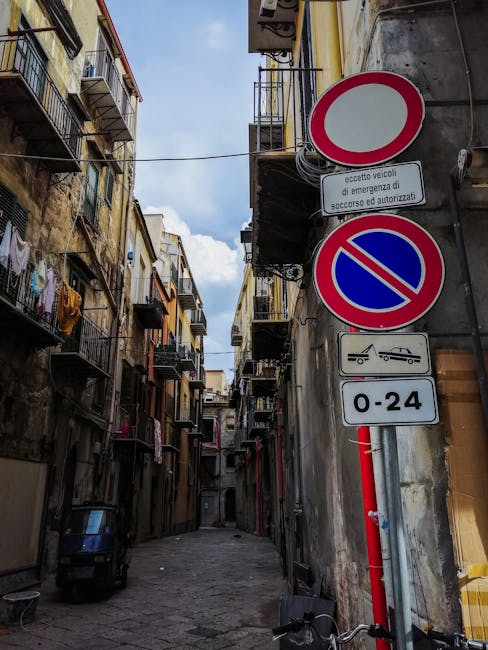
Getting around the Giudecca is mainly on foot. Streets are often narrow and cobbled; wear comfortable shoes and watch for uneven surfaces. Here are the most useful practical details to prepare your visit:
- Arrival and transport: The Giudecca is reachable from Palermo Central Station (Stazione Palermo Centrale, Piazza Giulio Cesare) in about 20–30 minutes on foot. Alternatively take the city bus (AMAT) lines 101/102/109 depending on your destination, or a taxi (approximate city-center fare €6–€12 depending on traffic). From Falcone-Borsellino Airport (PMO), shuttle bus plus train or a taxi takes about 45–60 minutes; taxi fares from the airport vary (roughly €50–€70).
- Opening hours and seasonality: Outdoor visits are free-form, but museums and archives have fixed schedules (see previous sections). In summer favor morning hours (08:30–11:30) or late afternoon (17:00–19:00) to avoid heat. From November to February days are shorter and some small venues may close earlier.
- Safety: Palermo is generally safe for tourists, but like any large city watch out for pickpockets in crowded areas (markets, transport). Leave valuables in a safe place and keep an eye on your belongings during coffee breaks or in markets.
- Language and guides: Italian is the everyday language; many tourist guides speak English and French. For a thematic tour on Jewish memory, book a specialized guide (prices noted earlier). Tourist offices (IAT Palermo) in the historic center can provide free brochures and maps.
-
Other local tips:
– Bring a reusable water bottle, especially in summer.
– Respect the privacy of inner courtyards and don’t enter without permission.
– Photograph public spaces freely; for museum collections follow photography rules (often allowed without flash; sometimes subject to fees).
– Buy a printed guide or an offline mapping app (e.g. maps.me) to avoid reliance on mobile data.
In case of emergency call 112 (Italy’s emergency number). For cultural inquiries contact Comune di Palermo – Assessorato alla Cultura, Piazza Pretoria 1, 90133 Palermo (secretariat hours vary).
Conclusion: Passing On and Preserving Jewish Memory in Palermo
Exploring the Giudecca in Palermo is as much an act of heritage reflection as it is an urban stroll. Jewish traces are often fragmentary yet powerful: they demand attention, close reading of the built environment and consultation of archives that restore voices now silent. Walking through Piazza Marina, the markets of il Capo and the Vucciria, and the lanes off Via Maqueda and Via Vittorio Emanuele, you sense the continuity of economic and cultural exchanges that made Palermo an open, plural Mediterranean city.
Beyond mere observation, it is important to engage in preservation efforts: join thematic guided tours, support local initiatives (temporary exhibitions at Museo Salinas, local publications, talks at the Biblioteca Comunale), and respect sites including private courtyards and small memorials. Memory survives through transmission: take photos, note inscriptions, buy local publications and share what you learn to keep the history alive.
Finally, remember that the Giudecca is a lived-in, vibrant area. Respect residents, eat at markets and small local trattorie (average cost of a simple meal €10–€20), and favor neighborhood businesses. If you want to deepen your research, schedule appointments at the Archivio di Stato (Via Maqueda, 157) and the Museo Archeologico Regionale « Antonino Salinas » (Piazza Olivella, 24). These institutions provide essential tools to turn a walk into documented research.
Whether you come for a half-day exploration or for in-depth research, Palermo’s Giudecca invites you to read the city sensitively: between stones, markets and archives, Jewish memory still resonates — discreet but present — reminding us of the richness of a shared past. Safe travels — and enjoy the discovery.