




Introduction — Why Learn to Make Arancini in Palermo
If you’ve ever wandered Palermo’s warm alleys, threaded your way through the lively chorus of the Ballarò market, or smelled frying oil and ragù escaping from a rosticceria, you know arancini here are more than a snack: they’re slices of history, family life and street culture. Learning to make arancini like they do in Palermo means diving into a Sicilian culinary tradition shaped by Arab, Spanish and Italian influences — and understanding the soul of a city that turns the humblest ingredients into dishes that feel deeply rooted.
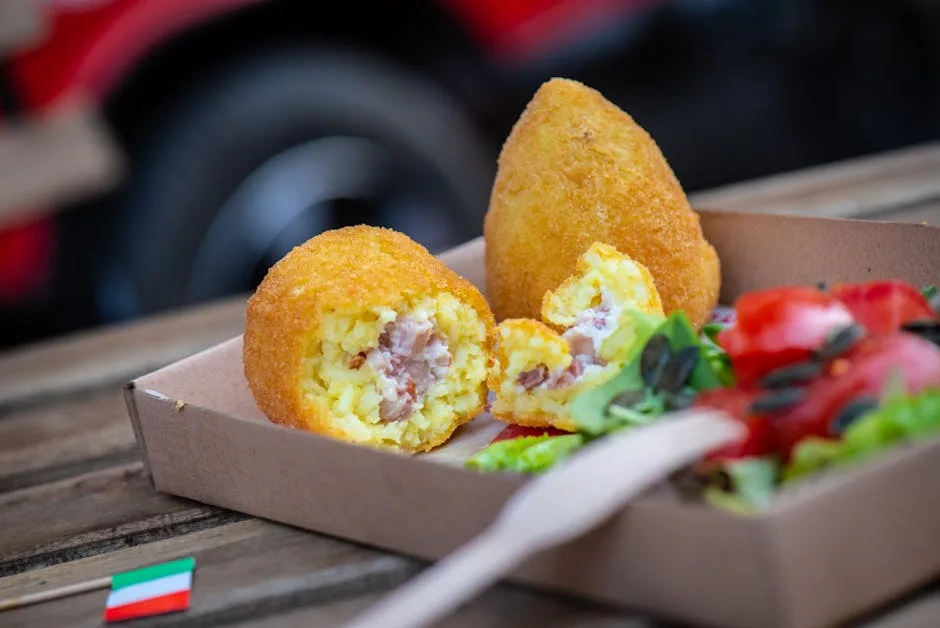
Picture this: dawn in the Kalsa neighborhood, the cobbles still warm, the coffee aroma blending with saffron-scented rice. Arancini — rice balls stuffed, breaded and fried — have evolved here into as many variations as there are families. In Palermo you’ll find the classic arancino al ragù (beef, tomato, peas), butter-and-cheese versions (al burro), pistachio versions, and even contemporary gourmet takes like foie gras-filled arancini in some modern eateries.
This post is part travel guide, part hands-on manual. I’ll point you to the best spots to buy ingredients locally — think Mercato del Capo or the Pescheria di Ballarò — give precise addresses where you can learn from local masters, detail approximate prices in euros and provide the usual opening hours for markets and cooking schools. You’ll also get practical tips for achieving perfect breading, cooking rice to the right “all’onda” texture (creamy but with a bite), and frying Sicilian-style without soaking up too much oil.
As we go, I’ll take you to must-see places: from Antica Focacceria San Francesco (where tradition is readable in every bite) to small family-run cooking workshops in the historic center, plus logistical tips for fitting a class into your trip. You’ll also learn how to reproduce what you learn in Palermo back home, with measured ingredient lists, clear step-by-step instructions and chef tricks to vary fillings. Finally, I’ll include practical recommendations on times, costs and transport, so your hands-on experience runs as smoothly as possible.
 Click here to discover the Ballarò and Vucciria markets
Ingredients and the Markets: Where to Buy in Palermo and How Much It Costs
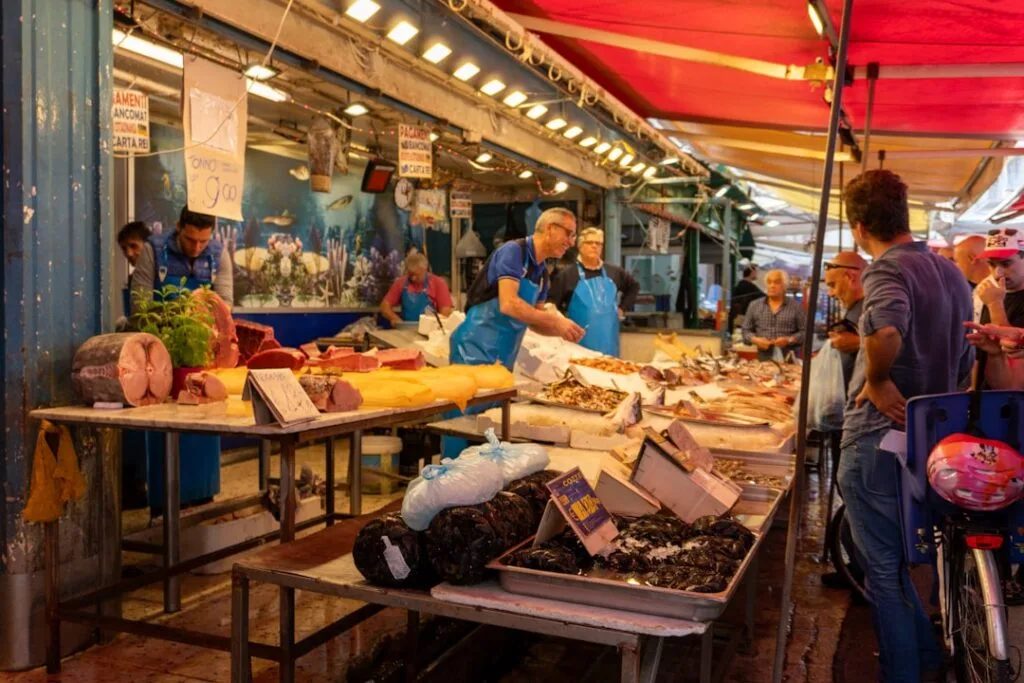
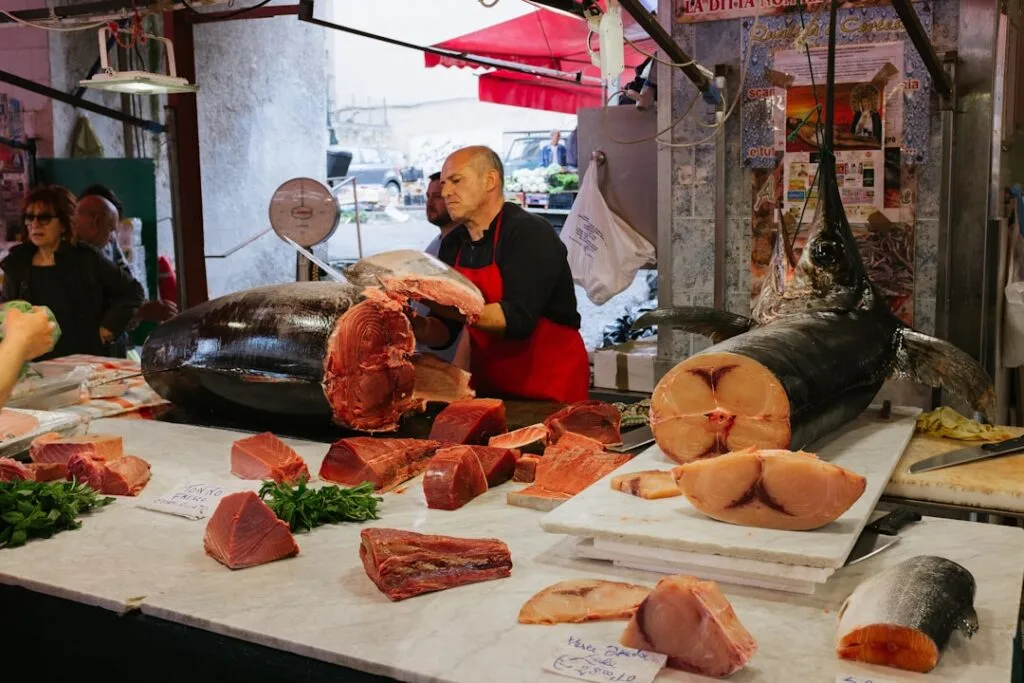
The quality of arancini starts at the market. In Palermo two markets stand out for sourcing: Mercato di Ballarò (Piazza Ballarò, 90134 Palermo PA) and Mercato del Capo (Via Porta Carini, 90133 Palermo PA). Ballarò usually opens from 06:00 to 14:00 Monday to Saturday, while Mercato del Capo is often active from 06:00 to 13:30. Prices fluctuate by season, but here’s a practical estimate in euros for the basic ingredients:
- Carnaroli or Arborio rice: 1 kg ≈ €2.50 – €4.00 at local greengrocers.
- Saffron or turmeric (to color the rice): small jar ≈ €2.50 – €6.00 depending on origin.
- Minced beef: 500 g ≈ €4.00 – €6.50 at the meat stalls.
- Frozen peas: 400 g ≈ €1.50 – €2.50.
- Caciocavallo or mozzarella: 250 g ≈ €2.50 – €4.00.
- Breadcrumbs (pangrattato): 200 g ≈ €1.00 – €2.00.
- Local olive oil and frying oil: 1 L bottle ≈ €4.00 – €10.00.
Stroll Ballarò or Capo’s aisles to sniff out San Marzano tomatoes, fresh herbs and local cheeses. Don’t be shy about asking vendors for advice: they’ll point you to the best rice grade and the ideal cut of meat for a Sicilian ragù. For seafood (if you want to try arancini alla pescatora), visit the Pescheria del Capo near Via Puglia where fresh fish arrives every morning: hours are usually 06:00 to 13:00. Expect around €8 – €12 per kilo for local fish fillets depending on the season.
Practical tips: bring reusable bags, arrive early to get the best produce, and be ready to haggle a little, especially if you’re buying in quantity. If you’re planning a cooking class, inform the school in advance about allergens or dietary preferences; many workshops will accommodate alterations for a small extra fee (≈ €5 – €10).
Where to Learn: Top Schools, Workshops and Masters in Palermo
Palermo is full of workshops to learn arancini — from tourist-friendly cooking schools to private lessons with local cooks. Here’s a curated list of reputable spots, with addresses, typical hours and price ranges:
- Cooking Class Palermo – Casa del Brodo
Address: Via Maqueda 289, 90134 Palermo PA. Hours: classes 10:00–14:00 and 16:00–20:00, advance booking required. Price: ≈ €55 – €70 per person for a 3–4 hour workshop including tasting. Description: interactive small-group classes focusing on risotto-style rice, ragù preparation and Sicilian breading techniques. - Lezioni di Cucina con Mamma Lucia
Address: Via Vittorio Emanuele 312, 90133 Palermo PA (home-based workshops). Hours: workshops by reservation, often 09:00–13:00 or 16:00–20:00. Price: ≈ €45 – €60. Description: an immersive experience in a Palermo « mamma »’s kitchen, small groups, homey explanations and secret tips passed down through generations. - Antica Focacceria San Francesco
Address: Via Alessandro Paternostro 58, 90133 Palermo PA. Hours: 09:00 – 24:00 (seasonal variations). Price: takeaway arancini ≈ €2.50 – €4.00 depending on the filling; they sometimes run demonstrations (contact the venue for dates and prices). Description: a historic institution founded in 1834 — perfect for watching experts at work and comparing the traditional version. - Mercato Cooking Experiences
Meeting point: Piazza della Rivoluzione, entrance to Mercato del Capo. Hours: morning classes 08:30–12:30. Price: ≈ €50 – €65 including a guided market tour and hands-on workshop. Description: combines a market exploration with a practical class, ideal for understanding where ingredients come from and how to choose them.
Booking tips: reserve at least a week ahead in high season (May–September). Opt for morning workshops so you can use ultra-fresh market products. Ask whether the class provides aprons, printed recipes and drinks; many include a small breakfast or a tasting lunch. If you’re in a group, negotiate a group rate — often a 10% discount is possible for four people or more.
Click here to book the Arancine and Panelle masterclass in Palermo
Click here to book a five-hour market and cooking class
Step-by-Step Technique and Palermo-Style Variations for Perfect Arancini
Making a true Palermitan arancino stands on three pillars: the rice, the filling and the frying. Here’s a detailed method, followed by typical Palermo variations and local chef tips.
Rice: cooking and texture
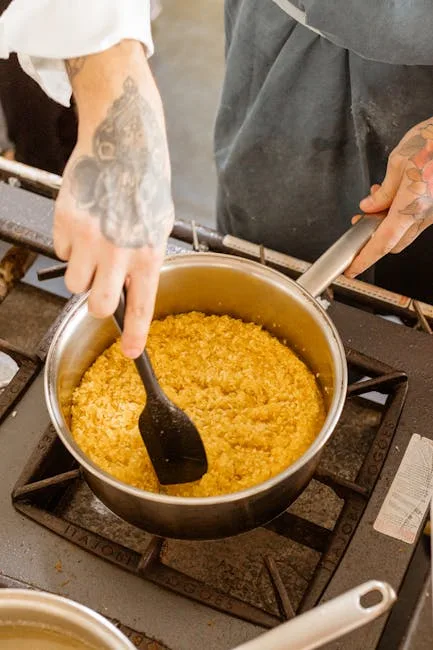
Use Arborio or Carnaroli rice. For 4 people, plan on 400 g of rice, 1.2 L of water or stock, 50 g of butter and 50 g grated Parmesan. Flavor the liquid with a pinch of saffron or turmeric for that characteristic yellow hue. Cook the rice like a risotto, adding hot liquid gradually until you reach a creamy texture but still slightly firm in the center (al dente). Spread the rice on a tray to cool and stop the cooking.
Classic filling and variations
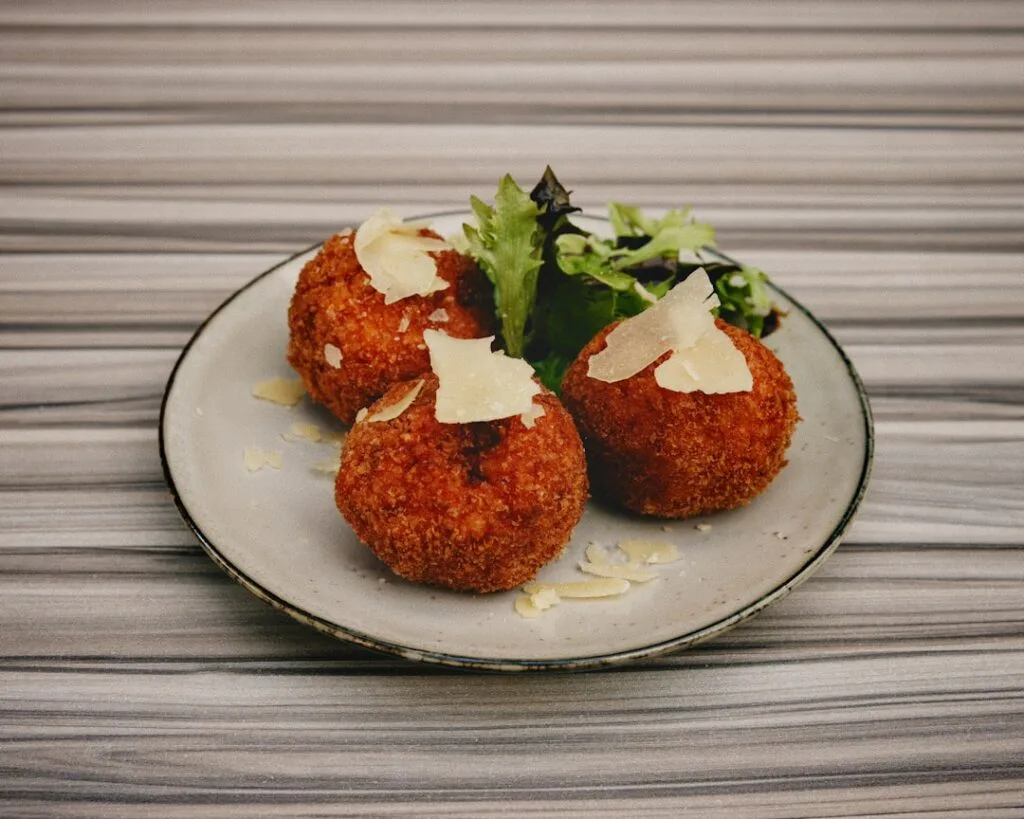
The most authentic filling is ragù: minced beef, onion, tomato, small carrots, celery and peas. Let it simmer slowly to concentrate the flavors. For 400 g of rice, prepare about 200 g of ragù. Add a cube of mozzarella or a piece of caciocavallo in the center for a melty surprise. Palermo variations: arancino al burro (butter and cheese), arancino con pistacchio (crushed pistachios, typical in some Sicilian bakeries), arancino alla Norma (with eggplant and salted ricotta). For a common street version expect €2.50–€4.00 each at local rosticcerie.
Shaping, breading and frying
Moisten your hands and shape the rice into a cone or a ball (shape varies by local tradition). Add a spoonful of filling and close it up. Dredge in flour, then beaten egg, then breadcrumbs. For frying use a neutral vegetable oil heated to 170–180 °C. Fry in small batches to avoid dropping the oil temperature. Drain on paper towels and serve hot. Chef’s tip: slightly freeze the arancini before frying if making large quantities — it firms up the filling and reduces cheese loss during cooking.
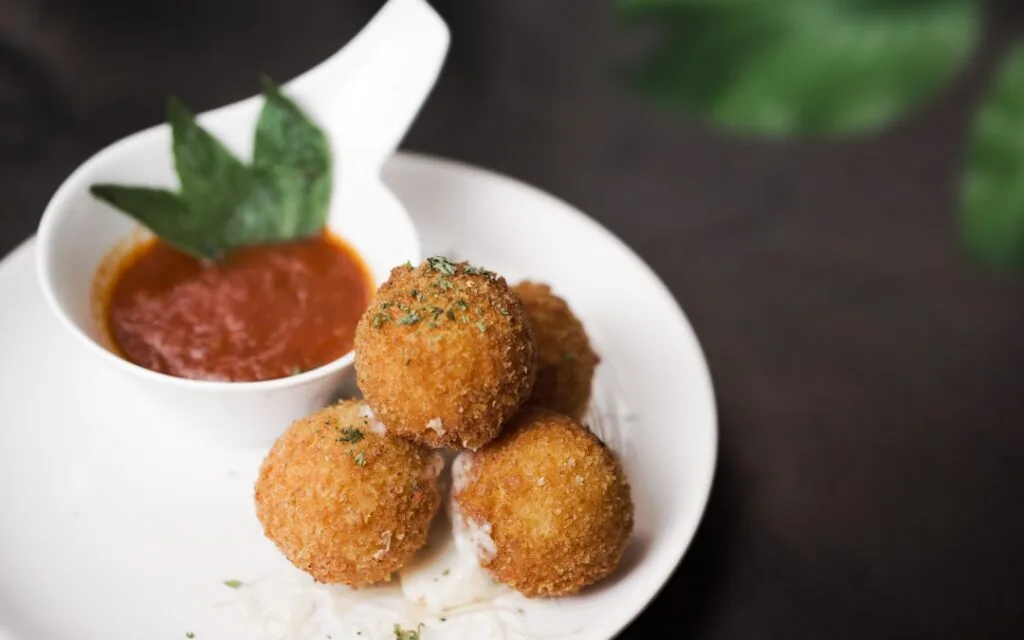
Final tips: to honor tradition pair arancini with a glass of Sicilian Nero d’Avola or a local beer. If you want to bring arancini home as a souvenir, choose the butter-filled version over ragù (less moisture). And always keep a kitchen thermometer for frying — the difference between 160 °C and 180 °C makes all the difference.
Conclusion — Making the Culinary Experience Part of Your Trip to Palermo
Learning to make arancini like they do in Palermo is more than memorizing a recipe: it’s an immersion into the city’s rhythm, a lesson in patience and generosity. Visiting markets like Ballarò and Mercato del Capo, talking with vendors and cooks, you’ll see why each arancino bears its own signature and how geography, history and seasonality shape the flavors. The workshops and classes I’ve mentioned will help you master the technique and understand the hands-on gestures passed down from one generation to the next — the kind of tips you only discover when your hands are in the rice.
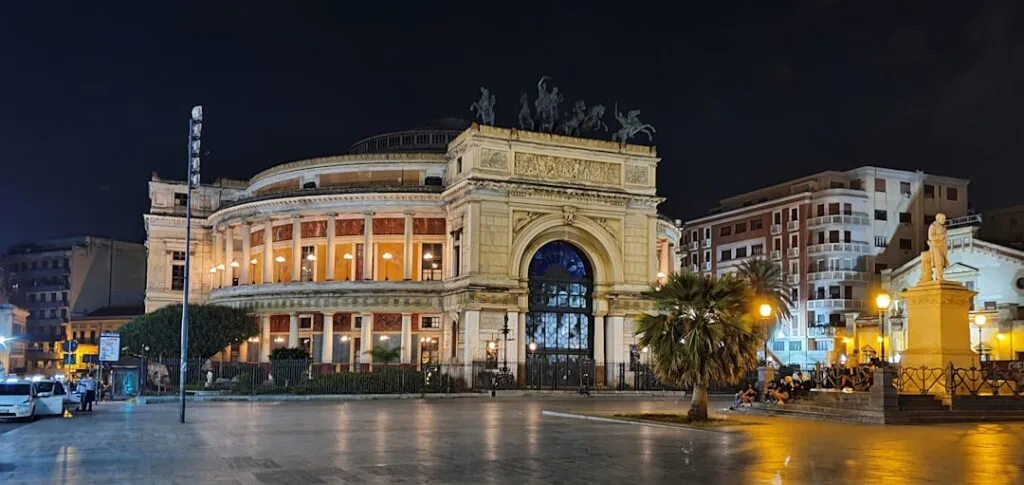
Practically speaking, plan your learning: buy local ingredients early in the morning, book your workshop in advance (especially in high season), and choose a class that includes a market visit if you want to understand ingredient provenance. Prices in Sicily remain affordable; for ≈ €45 – €70 you can enjoy a full experience with tasting and take-home recipes. And if you don’t have time for a class, simply watch the masters in a rosticceria like Antica Focacceria San Francesco (Via Alessandro Paternostro 58) and grab an arancino to enjoy by the Teatro Massimo (Piazza Verdi, 90138 Palermo PA) or on the steps of Palermo Cathedral (Corso Vittorio Emanuele, 90040 Palermo PA) — perfect spots to appreciate the tradition in context.
Finally, remember that the art of arancini keeps evolving: modern chefs experiment with gourmet fillings and alternative cooking methods, but the fundamentals remain the same. Bringing the technique home preserves a little piece of Palermo in your kitchen — share with family and friends the rich, comforting taste of an island that knows how to turn simplicity into splendor. Safe travels and enjoy your meal!