





Italian pizza and focaccia workshop in Palermo: a sensory dive into Sicilian tradition
Introduction
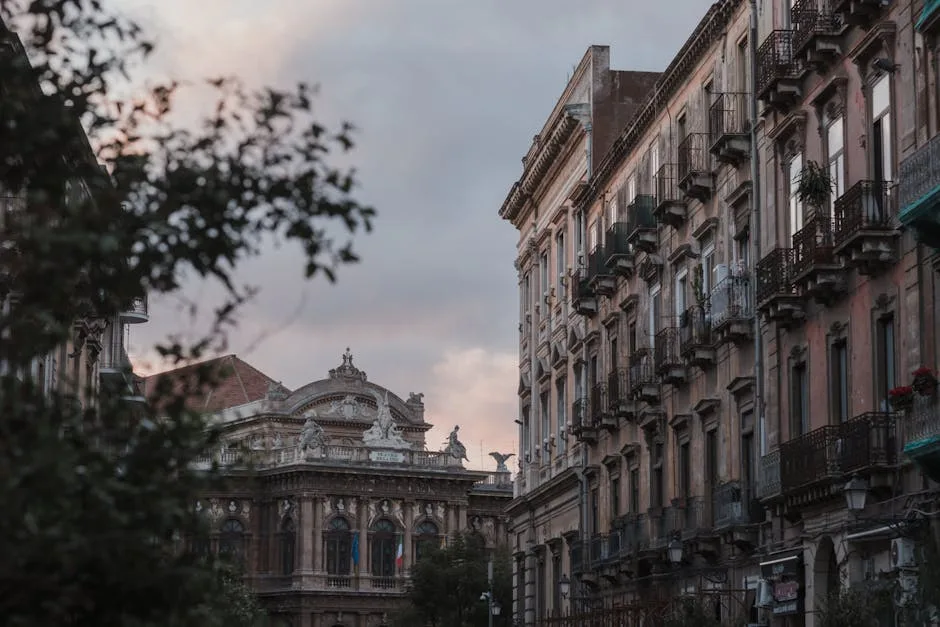
Palermo, the pulsing capital of Sicily, is where cultures, aromas and bold flavors converge. Between colorful street markets, baroque facades and alleys filled with the smell of fried street food mingled with citrus, the city invites you to explore its culinary soul. Among the most authentic and rewarding food experiences are the Italian-style pizza and focaccia workshops: they blend technique, history, conviviality and local ingredients. This guide covers everything you need to join a workshop in Palermo — whether you’re a curious hobbyist, a discerning foodie, or switching careers — you’ll find addresses, schedules, prices, detailed descriptions and local tips to make the most of your day.
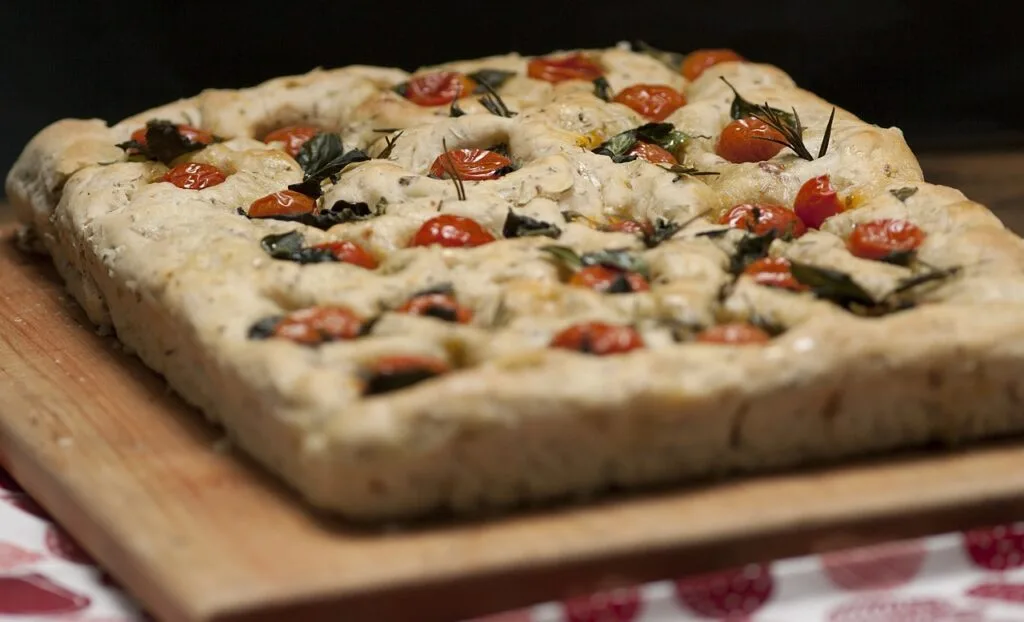
A pizza and focaccia workshop in Palermo is more than a cooking class: it’s an immersion. You’ll learn about the right flour, the role of different yeasts, the patience required for dough resting, and the precise movements to stretch, top and bake to perfection. In Sicily, focaccia comes in family and market variations — often softer, sometimes enriched with Sicilian olive oil and wild herbs — while the local pizza draws on Neapolitan traditions and island adaptations (toppings like sardines, capers, grilled eggplant or ricotta salata). Workshops will expose you to these specificities, teaching you how to manage oven temperatures (home or professional), slow fermentation methods, and the finishing touches that make the difference.
Beyond the techniques, these workshops are human experiences: meeting master pizzaioli, chatting about extra virgin olive oil (olio extravergine d’oliva), tasting straight from the wood-fired oven, and sometimes taking a market stroll beforehand to pick ingredients and inspiration. Typical sessions last between two and four hours, with half-day or full-day options that include a meal and a market visit. Prices generally range from €45 to €120 depending on duration, group size, and whether it’s private. Some workshops also provide certificates of participation and recipe sheets to recreate the techniques at home.
This guide lists several workshop options in Palermo, with precise descriptions of venues, exact addresses, opening times and prices, as well as practical advice on how to get there, what to bring, and how to get the most out of your learning. You’ll also find local recommendations — which bread or focaccia to try on the street, the best time to visit markets for top-quality produce, and how to combine your workshop with cultural sights. Get ready to tie on an apron, feel flour between your fingers and listen to the crackle of the oven: Sicily can be tasted through its breads and pizzas, and Palermo is one of the best places to learn.
1) « La Bottega della Pizza & Focaccia » — historic center: Neapolitan method with Sicilian twists
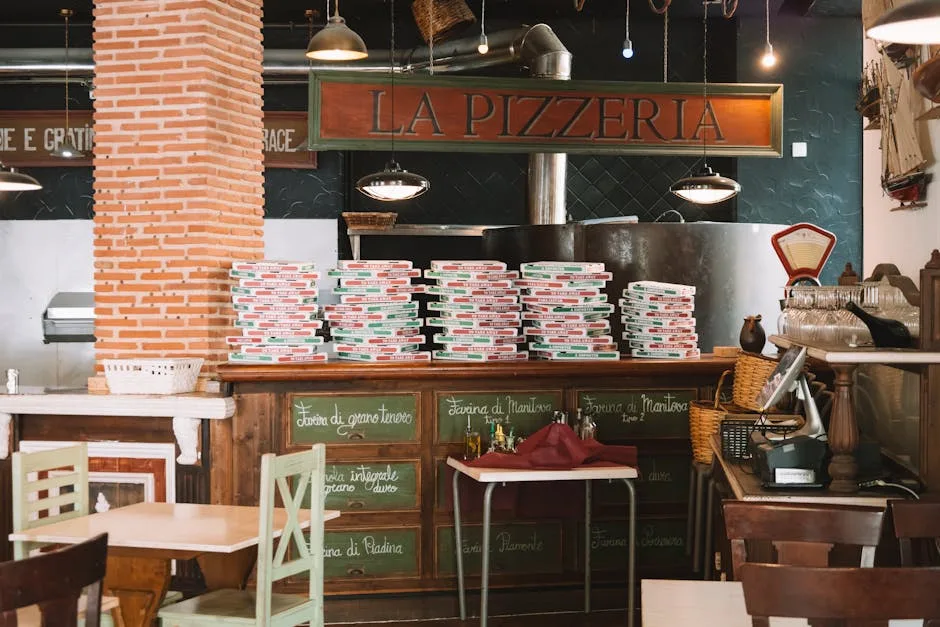
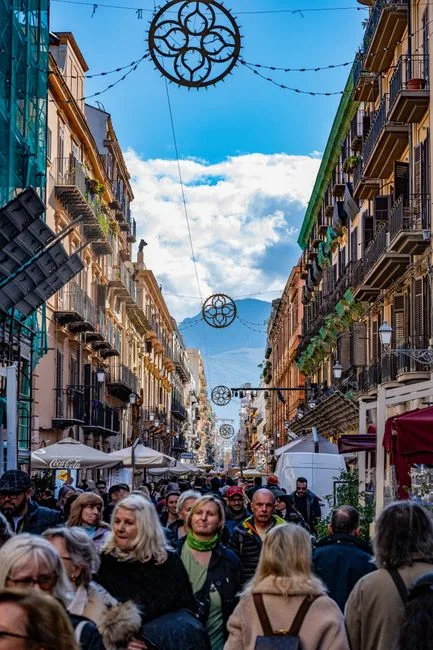
La Bottega della Pizza & Focaccia sits in the heart of the historic center, an easy stop after a walk along Via Maqueda. Address: Via Maqueda 212, 90133 Palermo PA. The workshop takes place in a cozy space with a wood-fired oven and traditional fixtures. Sessions run Tuesday to Sunday, with the following schedule: hours — Tuesday to Friday 10:00–13:00 and 17:00–20:00; Saturday and Sunday 09:30–13:30 and 16:00–19:00. Closed on Mondays.
Price: €55 per person for the standard class (2h30) including dough prep, topping, baking and on-site tasting. Private option (up to 6 people): €220 (2h30). Full-day « pizza & focaccia » workshop (4h): €95 per person, including a short visit to Ballarò market and a lunch paired with Sicilian wines.
La Bottega’s teaching focuses on two main techniques: Neapolitan dough (high hydration, minimal handling, very hot wood-fired baking) and Italian focaccia (firmer dough, generous olive oil, often with olives, rosemary or peeled tomatoes). Classes frequently start with a pizzaiolo demonstration — hand-stretching dough, fermentation cues, and using the wooden peel (pala) to slide pizzas into the oven. Participants then make their own dough (or work with a pre-proofed dough prepared by the chef depending on the option), learn to portion sauce (San Marzano or seasonal datterini tomatoes), and explore local variants like sfincione — a Palermitan focaccia topped with anchovies, breadcrumbs and tomato — a street-food staple.
Practical tips: arrive 15 minutes early to pick your ingredients. Bring an apron if you prefer, though La Bottega provides all equipment. If you need a gluten-free option, notify them at booking: a €10 supplement applies for alternative flours. Groups are capped at 12 people, allowing for personal attention. La Bottega also runs a shop selling type 00 flours, DOP Val di Mazara olive oil and handcrafted wooden peels.
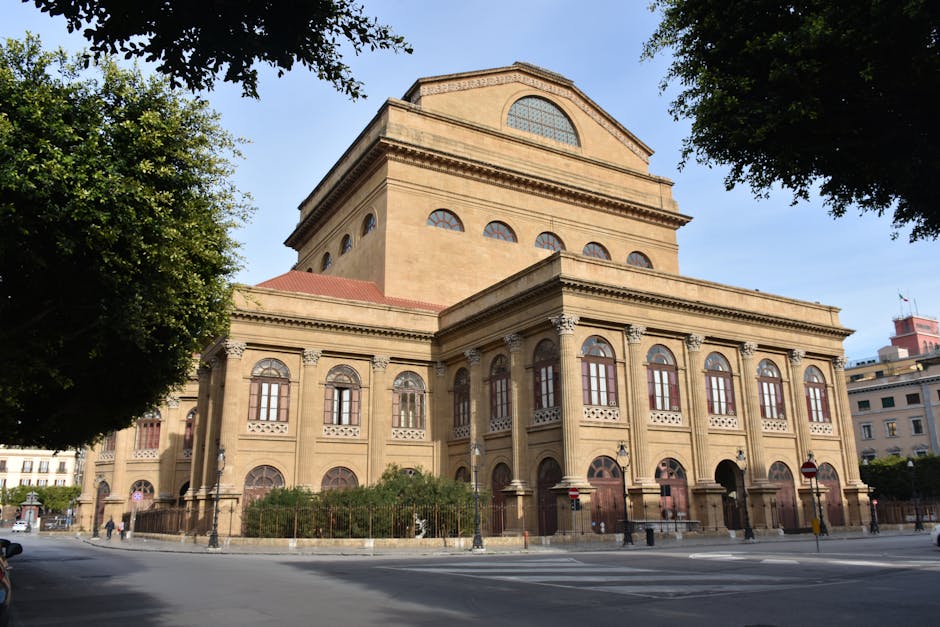
2) « Forno Antico » near Teatro Massimo — traditional techniques and wood-fired oven
Forno Antico is just steps from Teatro Massimo, tucked on a lively street. Address: Via Maqueda 81, 90133 Palermo PA. The venue is a small bakery-lab with an old wood-fired oven, offering a very traditional workshop atmosphere. Class times: morning classes 09:00–12:00 (Tuesday, Thursday, Saturday); evening classes 18:00–21:00 (Wednesday, Friday). Special Sunday morning family workshops (10:00–14:00).
Price: €65 per person (3h) including a welcome coffee, hands-on session, and bread and focaccia to take home. For the full « Masterclass Forno Antico » (5h) covering Sicilian flours, long fermentation and wood-fire baking techniques, the price is €120; masterclasses are limited to 8 participants.
Forno Antico’s core focus is wood-fired baking: heating the oven, managing the flame and rotating doughs are all taught in detail. The chef explains how to read the fire, when to bake a pizza or focaccia, and how to adjust baking so the crust is crisp while the crumb stays soft. Classes often include a bit of history: how oven techniques evolved in Sicily, Arab and Spanish influences on island breads, and the importance of local grains in the final texture.
The course also covers typical Palermitan toppings: finocchietto (wild fennel), Palermitan-style grilled eggplant, Pantelleria capers, and Sciacca anchovies. Participants leave with clear tips on storing dough, reusing a poolish (liquid pre-ferment) and setting up a home kneading routine.
Local tip: after the workshop, stroll to Teatro Massimo or stop by Pasticceria Cappello (Via Colonna Rotta 18, 90133 Palermo) for a cornetto. Forno Antico sometimes offers private sunrise sessions — great for photographing the wood-fired oven in full action — so book these well in advance.
3) « Mercato & Dough »: market visit + hands-on workshop (an immersive experience)
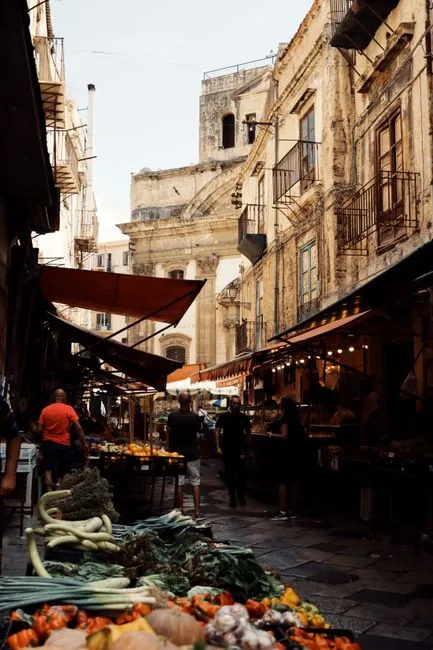
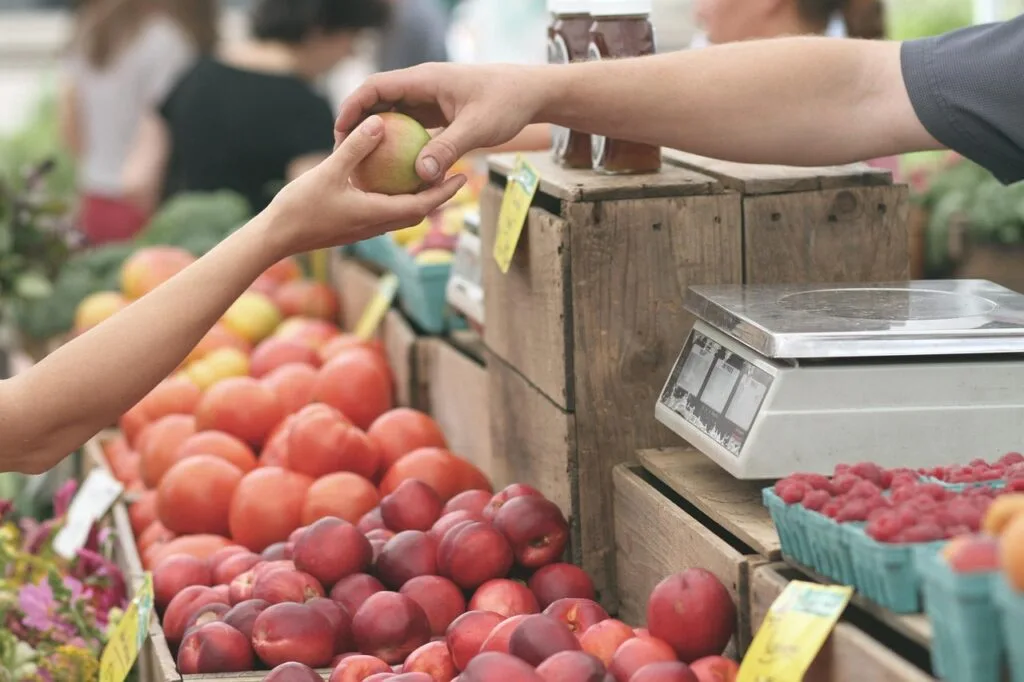
Mercato & Dough combines a market tour with a kitchen workshop. The meeting point is the famous Ballarò market: Piazza Ballarò, 90134 Palermo PA. Sessions begin with a guided market visit (60–90 minutes), followed by a hands-on workshop (2–3 hours) in a nearby lab. This package is perfect for understanding where ingredients come from and selecting fresh produce before transforming it.
Hours: tours run Tuesday to Sunday; meet at 08:30 for the morning market visit, then workshop 10:00–13:00. For the alternative Vucciria market tour the meet-up starts at 09:00, followed by a workshop from 11:00–14:00. Price: €85 per person (market tour + workshop), including shared market purchases (producers explain their products), drinks and tasting. A reduced option without the market tour: €50 (workshop only).
Mercato & Dough’s added value is educational: learning to pick a ripe tomato, spot a quality DOP olive oil, choose Sicilian cheeses (Pecorino Siciliano, Ricotta Salata) and select the best olives. The market tour is led by a local who knows the seasons and family-run stalls. Back in the kitchen, the dough is tailored to the ingredients collected: a focaccia with morning-picked datterini cherry tomatoes, a white pizza with Giarratana sweet onions, or a local-inspired take on « pane ca meusa » adapted for vegetarians.
The course also stresses respect for local producers: which fishmonger to buy from, how to bargain politely in a Sicilian market, and how to store vegetables and herbs correctly. You’ll learn to prepare a biga (pre-ferment) for slow fermentation and how to use local flours — durum wheat or mixes of 00 and semola — to give character to the focaccia.
Practical tips: wear comfortable shoes for the market visit. Bring a reusable bag if you plan to take products home. The best stalls often offer small tastings (oil, cheese), but save room for the workshop’s final tasting. Book online or by phone; places fill up quickly in high season (May–Sept).
4) « Casa del Pane Siciliano » — traditional focaccia and Palermitan street breads
Located near the central station, Casa del Pane Siciliano specializes in focaccia and Palermo’s street breads. Address: Via Roma 56, 90139 Palermo PA. Workshop times: Monday, Wednesday, Friday 10:00–13:00; Saturday brunch-workshops 11:00–14:30. Price: €48 per person for a 2-hour class (classic focaccia, topping and baking). Combined « pane ca meusa adaptation » workshop (3h): €75.
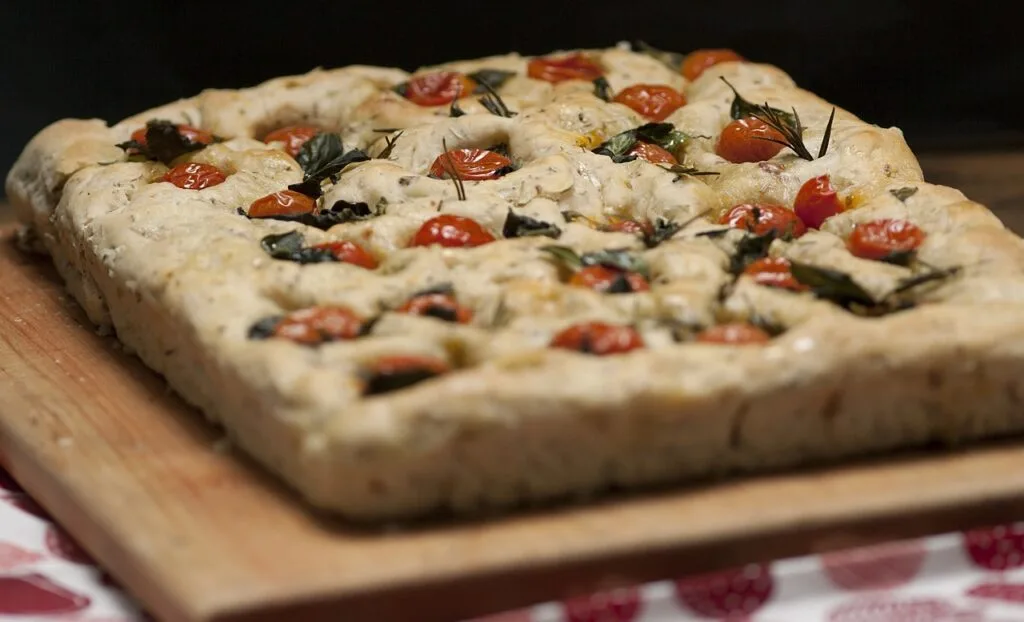
Casa del Pane favors a popular, family-style approach: techniques for an airy focaccia, how much olive oil to use, secrets for an open crumb and keeping the crust crisp. Recipes include variations: rosemary and sea salt focaccia, focaccia with cherry tomatoes and olives, and the classic Palermitan sfincione — a market queen made with breadcrumbs, onion, tomato and anchovy. Classes explain how to adapt these preparations for home ovens and include tips for reheating and storing breads.
Teaching is hands-on: each participant shapes their dough ball, learns to flavor olive oil (with orange peel, dried chili or local herbs) and prepares a typical topping. Casa del Pane also offers modules on flours: demonstrations using semola rimacinata, durum wheat flour and blends with type 00 to obtain different textures.
Local and logistics tips: Via Roma is well served by buses and trams (Central Station stop). If you stay in the centro storico, it’s a 15–20 minute walk. Casa del Pane also sells small bottles of olive oil and artisanal grissini after class. For families, Saturday workshops include a kids’ corner with playful recipes (mini-pizzette).
Practical tips for choosing and enjoying a workshop in Palermo
- Booking: reserve at least 48–72 hours in advance during high season (May–Sept). For private or early-morning sessions, book one to two weeks ahead.
- Language: many workshops offer classes in English and Italian; ask about the language when you book. Some provide an interpreter or notes in French.
- Allergies and diets: report any food allergies (gluten, lactose, tree nuts) when booking: most workshops can adapt with a supplement for special flours.
- Transport: use the AMAT trams and buses; alternatively, walk around the centro storico to enjoy nearby sights.
- What to bring: an apron if you want, a container for taking food home, and a camera to capture steps and results. Ingredients are provided by the workshop.
- Duration and intensity: opt for 3-hour workshops for a full experience (making, baking, tasting). Masterclasses (4–5h) let you dive deeper into fermentation and flours.
Conclusion
Joining a pizza and focaccia workshop in Palermo is more than a class: it’s a plunge into Sicily’s culinary heart. Between traditional forni, lively markets like Ballarò and Vucciria, and passionate bakers and pizzaioli, each workshop offers a mix of technique, history and sensory pleasure. The venues presented — La Bottega della Pizza & Focaccia (Via Maqueda 212), Forno Antico (Via Maqueda 81), Mercato & Dough (meeting at Piazza Ballarò) and Casa del Pane Siciliano (Via Roma 56) — cover a range of approaches: from wood-fire focused classes to immersive market-plus-workshop experiences and focaccia-specialized sessions. Prices vary by formula (€48 to €120) and schedules follow local rhythms: market mornings, evening sessions and weekend masterclasses.
Beyond technical skills (kneading, fermentation, baking), these workshops teach you how to select ingredients, understand the regional role of olive oil, flours and toppings, and return home with not just a recipe but a craft. The practical tips here — early booking, noting dietary needs, choosing the right format for your time — will help you plan a smooth and rewarding experience.
Finally, don’t treat the workshop as a standalone activity. Combine it with a cultural stroll (Teatro Massimo, Quattro Canti, Palermo Cathedral), street-food tastings (arancini, panelle, sfincione) and, if time allows, a visit to an olive oil producer. That way your pizza and focaccia lessons become part of a wider culinary story — an island where every loaf carries the imprint of a terroir and its past. Tie on your apron, let the artisans guide you, and leave with the warmth of an oven, the scent of olive oil and the pride of having shaped your own piece of Sicily.