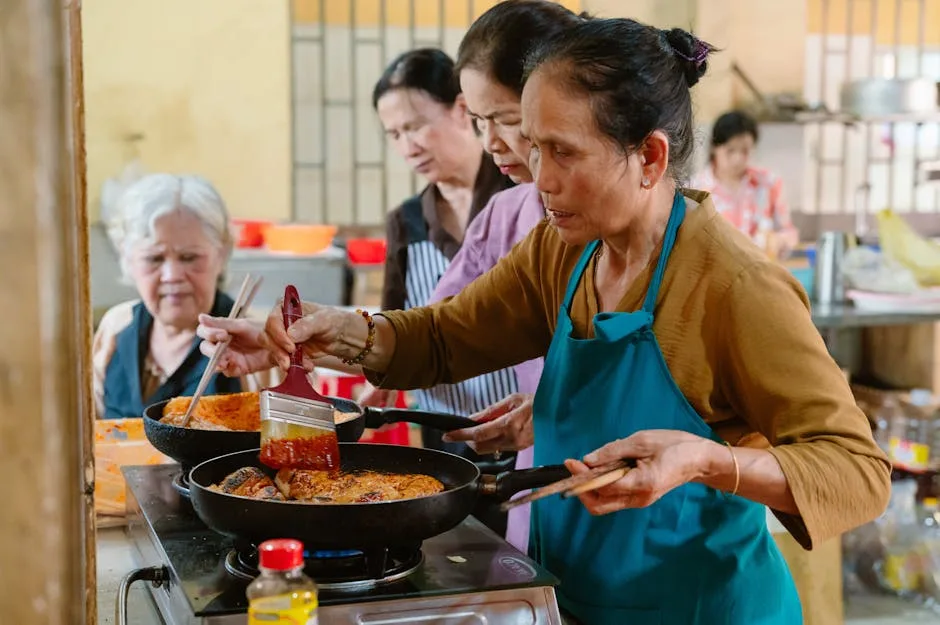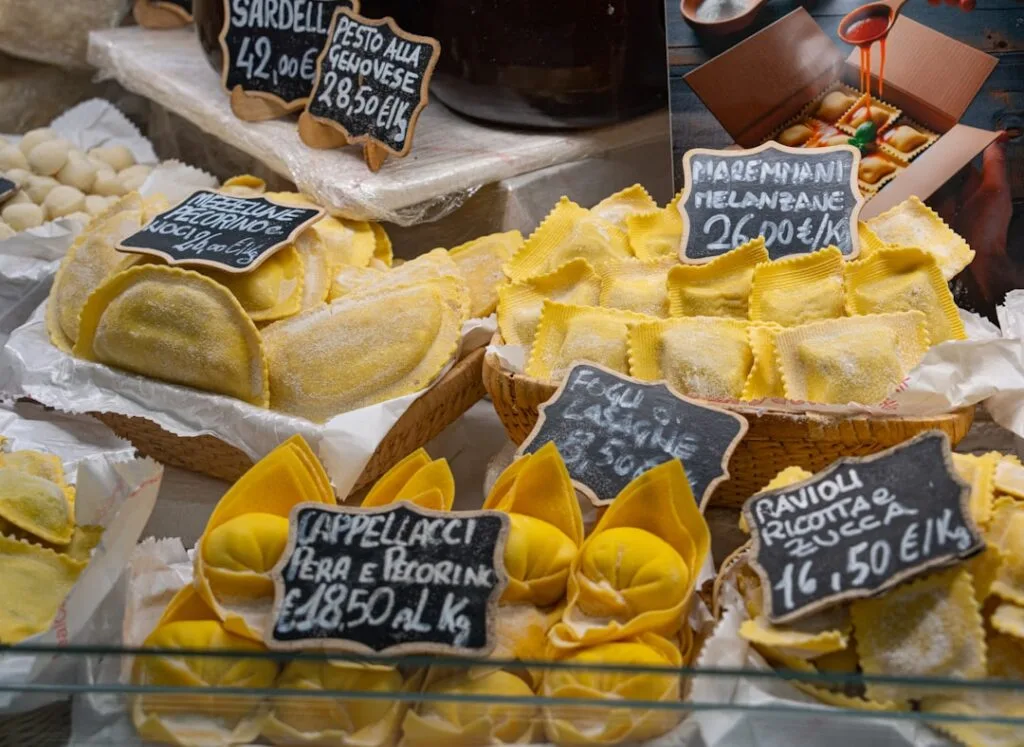






Introduction: Get Your Hands Doughy in the Heart of Palermo
Palermo, the capital of Sicily, is a sensory patchwork where Arab-Norman history blends with the scents of street food, the bustling tides of market crowds, and narrow streets that seem to whisper centuries of culinary know-how. Joining a fresh pasta class in a Sicilian kitchen here isn’t just about learning to knead semolina and eggs: it’s a gateway into a culture, a taste of recipes passed down through generations, and an understanding of how geography, climate, and history shaped every shape and filling. You don’t merely watch; you touch the dough, catch the warm scent of perfectly toasted flour, and hear a Sicilian teacher gently but firmly correcting your technique.
Picture a pasta workshop in Palermo: a sunlit kitchen with original tiles, wooden shelves lined with jars of extra-virgin olive oil, sun-dried tomatoes and capers, and the local radio playing Sicilian tunes in the background. Recipes differ from family to family: ricotta-and-mint ravioli, hand-rolled maccheroni alla chitarra, reimagined fregola, or the classic busiate tossed in Trapani-style pesto. Each workshop is a sensory journey: learning textures, ritual gestures with a rolling pin or hand-cranked pasta machine, shaping techniques, plus small seasoning secrets and food-and-wine pairing tips.
This in-depth guide takes you through the full experience: where to book, what to expect, how much it costs, how to get to the venues, typical schedules, and practical tips to make the most of your day. We’ll also highlight emblematic addresses where these classes often take place — neighborhoods like Kalsa, Vucciria and Quattro Canti — including full meeting-point addresses, transport notes, price ranges and suggested add-on activities for a full Palermo immersion. Whether you’re a total beginner or a home cook aiming to refine a technique, these workshops give you a window into Sicily’s culinary soul.
Cooking in Palermo is deeply tied to the market: many classes include a trip to Ballarò or Mercato del Capo to pick ingredients. You’ll learn how to choose a good ricotta, spot tomatoes ready for sauce, and sniff out top-quality olive oil. We’ll also cover practical matters like local etiquette (punctuality, tipping), typical class length (often 3–4 hours), and what you’ll take home (printed recipes, photos, sometimes a small jar of olive oil). Beyond technique, it’s a social moment: sharing a table, tasting together and asking your chef a thousand questions — all of which shape an authentic, lively and warm Palermo memory.
 Click here to book a home-hosted pasta workshop
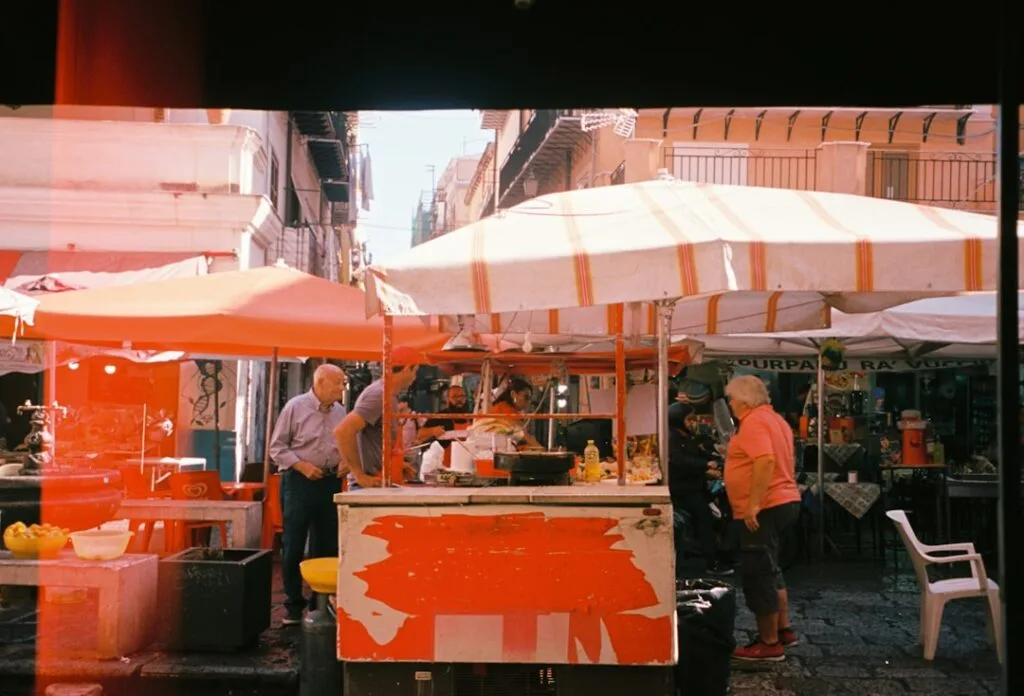
Where to Take a Fresh Pasta Class in Palermo: Recommended Venues, Addresses & Practical Info
In Palermo, fresh pasta classes happen in a wide range of venues: professional cooking schools, intimate workshops set in historic homes, and family kitchens opened to visitors. Below are several reliable and popular options, with full info to help you book and plan.
1) Accademia di Cucina Siciliana – Scuola di Cucina Palazzo Butera
Address: Palazzo Butera, Via Butera 4, 90133 Palermo PA, Italy.
Hours: classes typically scheduled Tuesday–Saturday, 09:30–13:30 or 15:00–19:00 (by reservation).
Price: fresh pasta class (3-hour workshop) from €60 per person; combined market visit and lunch from €95 per person.
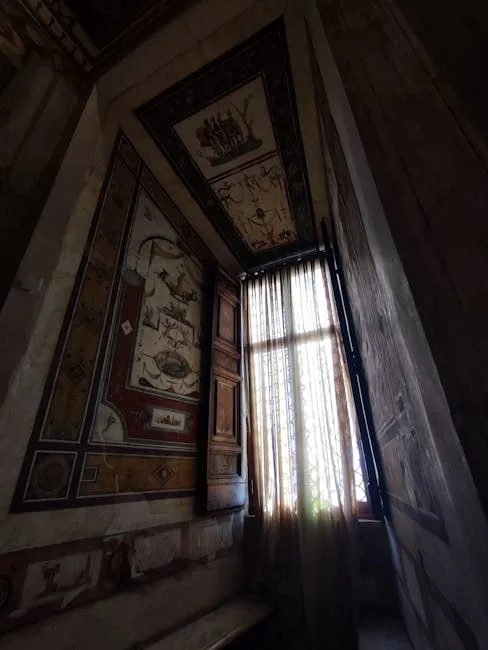
Description: Housed in a restored palace in the historic center, the Accademia di Cucina Siciliana runs structured workshops led by certified chefs and regional tradition specialists. The fresh pasta class can include an optional visit to Mercato di Ballarò (meeting on-site), demonstrations of basic techniques (kneading, rolling, cutting) and the preparation of two types of fresh pasta (for example lemon ravioli and maccheroni alla chitarra). The setting — painted ceilings and antique tableware — makes the experience especially immersive.
2) Cucina di Nonna Maria – Family Workshop in the Kalsa Neighborhood
Address: Via Alloro 18, Kalsa, 90133 Palermo PA, Italy (meeting point Piazza Marina, Via Vittorio Emanuele 4).
Hours: morning workshops 10:00–13:30 or late-afternoon 16:30–19:30; available Tuesday, Thursday and Saturday by reservation.
Price: €50 per person for a 3-hour workshop (tasting included); group rate (4+ people) €45 per person.
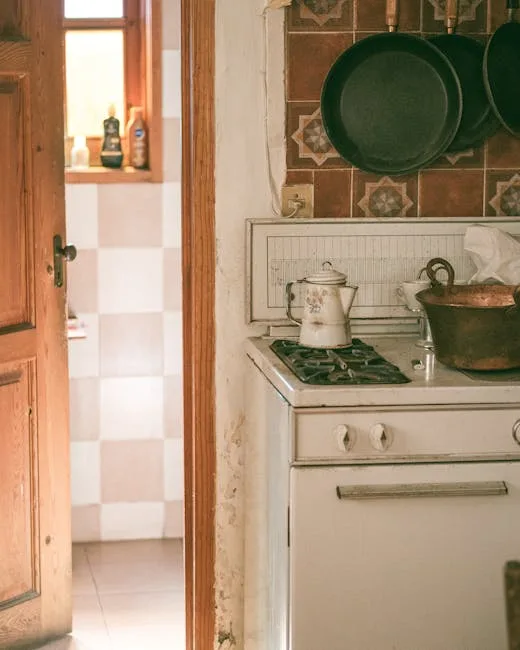
Description: Nonna Maria welcomes guests into a typical home kitchen. The charm of this workshop lies in its authenticity: family recipes, tips for ricotta-based fillings, and practical advice on buying ingredients at the market. Classes are small (max 8 people) to ensure personal attention. Participants make fresh pasta by hand and also learn how to prepare homemade sugo di pomodoro and set a Sicilian-style table.
3) Palermo Cooking School – Centro Culturale San Francesco
Address: Centro Culturale San Francesco, Via Matteo Bonello 17, 90134 Palermo PA, Italy.
Hours: weekly workshops on Wednesdays and Fridays 11:00–14:30; private sessions on request.
Price: €75 per person for an intensive workshop (4 hours), including an aperitif, printed recipe and tasting with local wines; family class (2 adults + 2 children) €200.
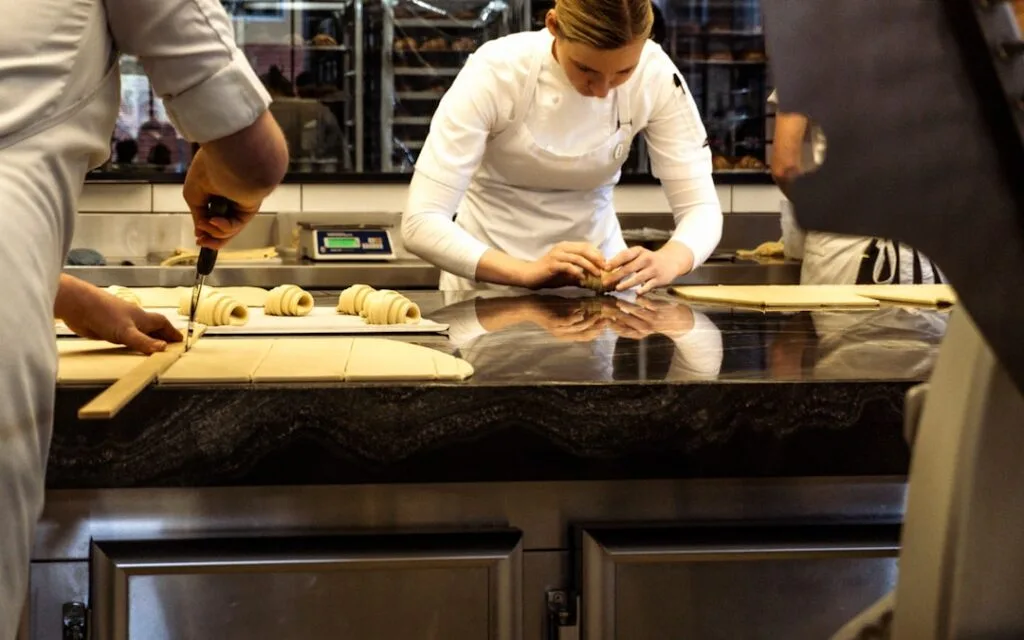
Description: With a pedagogical approach, this school emphasizes technique and culinary history. The fresh pasta program includes using a pasta machine, preparing filled pastas (ravioli, Sicilian-style tortellini) and an introduction to traditional sauces like Bronte pistachio sauce. Classes also include a mini-lecture on ingredient origins (re-milled semolina, Sicilian wheat) and a demo on pasta storage.
Practical tips for choosing your class: favor small-group workshops (max 8–10 people) if you want lots of hands-on time; book at least a week ahead during high season (May–September); inform the organizer of any dietary restrictions. Most schools accept card and cash payments; some require a €20–30 deposit to secure the booking.
Click here to book the market & cooking class in Palermo
Typical Flow of a Fresh Pasta Class: From Market Visit to Friendly Tasting
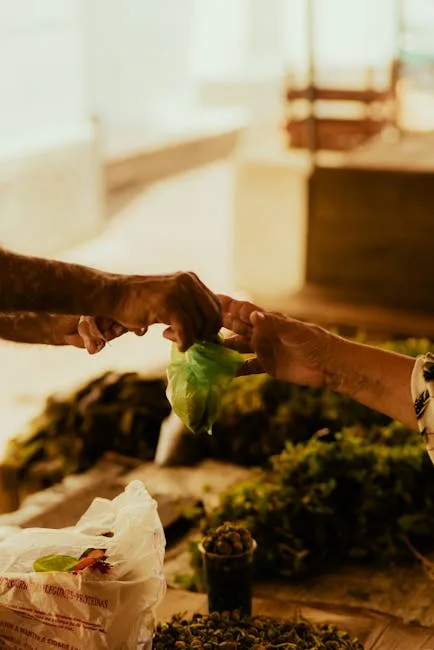
A typical workshop in Palermo often starts with an immersion in a local market to select ingredients. Classes that include this experience begin around 09:00–09:30, meeting at Mercato di Ballarò (Piazza Carmelo, 90133 Palermo PA) or Mercato del Capo (Via Porta Carini, 90134 Palermo PA). On-site, the chef shows you how to pick ripe tomatoes, fresh ricotta and fragrant basil — and introduces you to the local vendors. This stroll usually lasts 30–45 minutes.
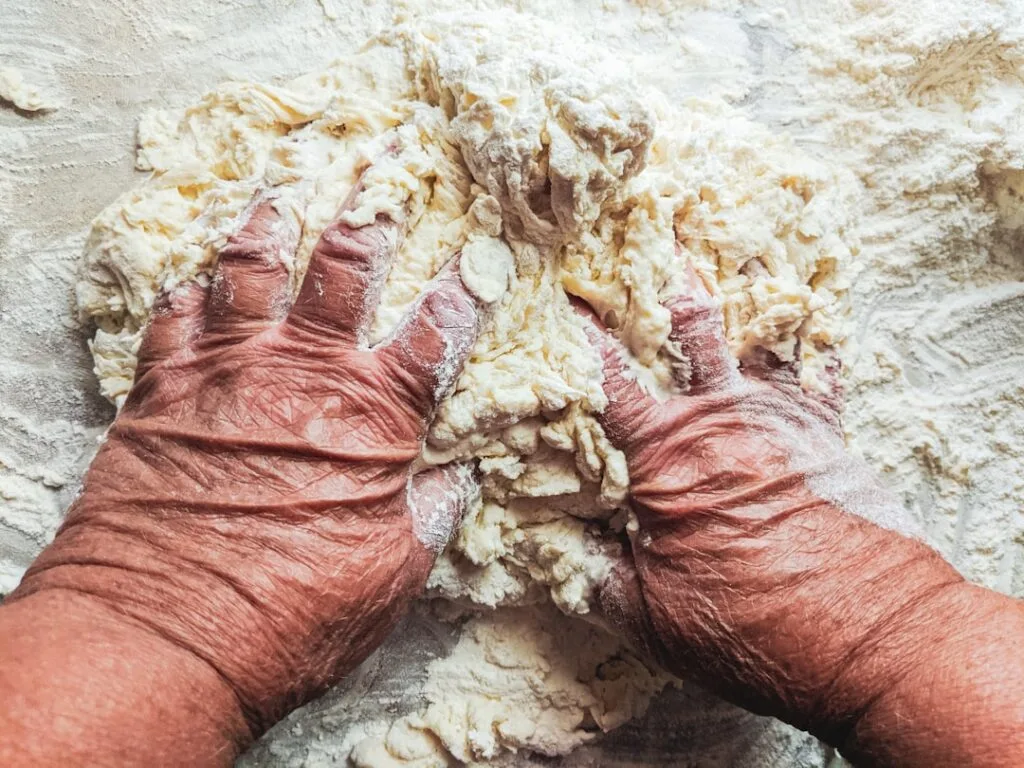
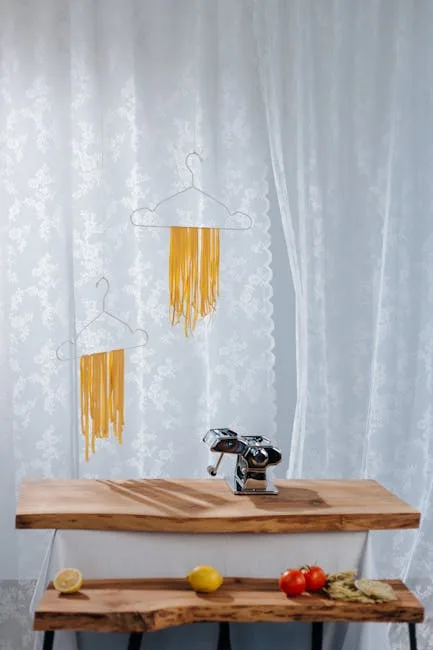
Back in the kitchen (whether a palace, a school or a private home), the class is divided into stages: ingredient introduction, chef demonstration, hands-on practice and partner work. Workshops start with dough preparation: mixing type 00 flour or semolina, fresh eggs, a pinch of salt and sometimes a drizzle of olive oil. Kneading is key: the chef will explain how to feel the ideal texture — neither too dry nor too sticky — and how long to let the dough rest. Rolling is then done with either a rolling pin or a hand-cranked machine; explanations focus on the right thickness for each pasta type.
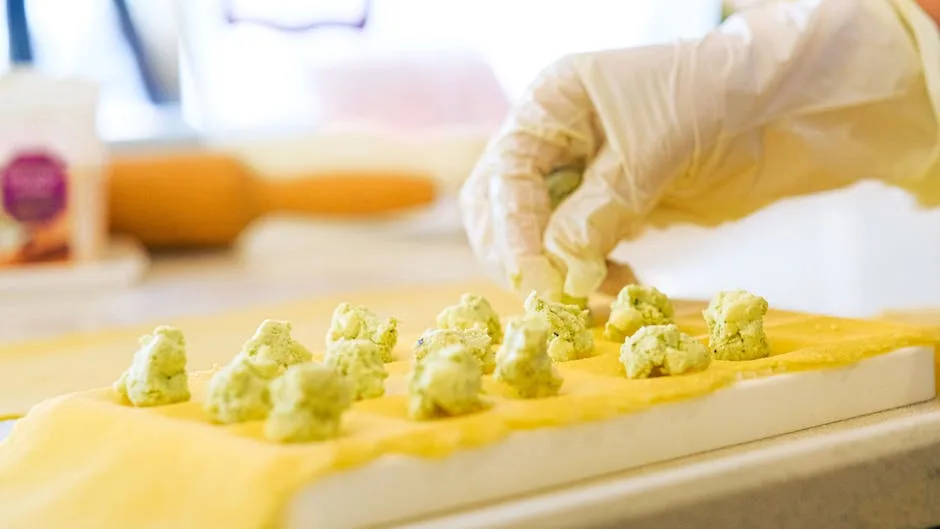
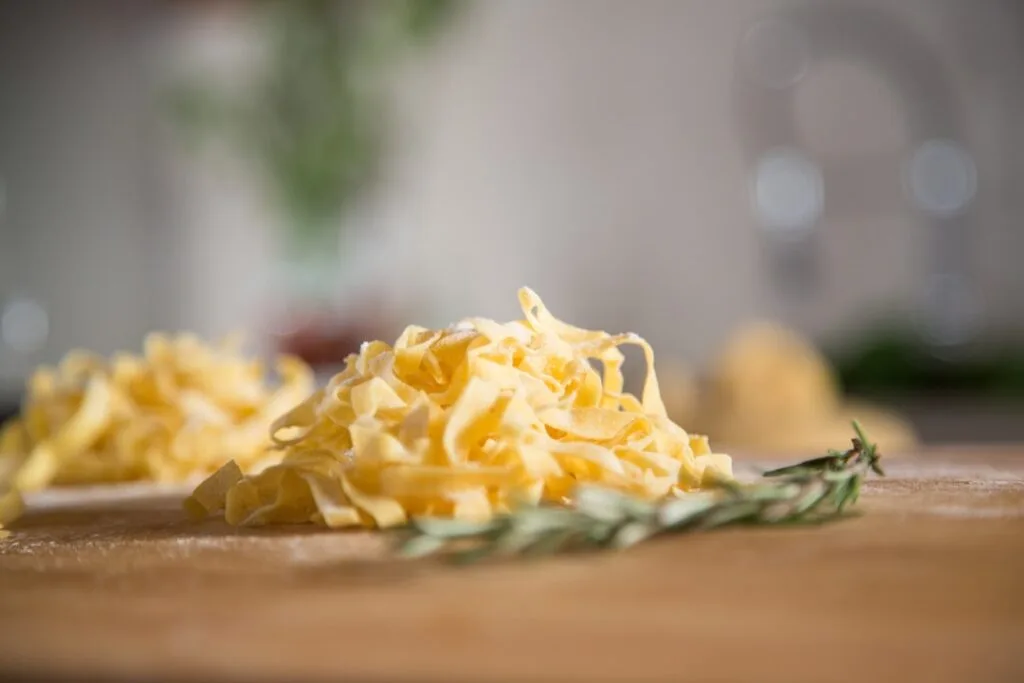
Next come cutting and shaping: making tagliatelle, cutting with a ferro or chitarra for rustic spaghettoni, or shaping ravioli and cappelletti. Sicilian classes often show how to fold typical ingredients into the filling — ricotta, lemon zest, mint, Bronte pistachios, roasted eggplant or primo sale cheese. Once the pasta is ready, participants learn cooking techniques: plenty of salted water, timing for perfect al dente, and finishing sauces in the pan to coat the pasta.
The final phase is the tasting: a convivial table, glasses of local wine (Nero d’Avola, Grillo or a dry Inzolia), wood-fired bread if available, and a light dessert like a mini cassata or cannolo. Chefs take time to explain pairings, common mistakes to avoid at home, and hand out printed recipes. Plan on 3–4 hours total for a full session (with market) or 2.5–3 hours if the market portion is excluded. The best classes leave time for individual questions and a group photo.
Local Tips to Get the Most from Your Class and Extend the Culinary Experience in Palermo
Taking a fresh pasta class in Palermo is a great entry point, but to squeeze every drop of value, here are practical tips and local tricks that will help you live the experience like a resident.
- Book early and confirm by message: High season (May–September) brings strong demand. Confirm your booking 48 hours in advance and leave a local phone number if possible. Many workshops use WhatsApp for coordination.
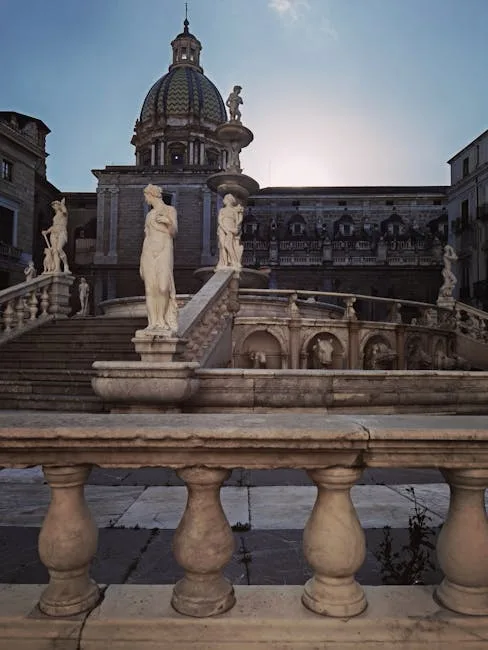
- Arrive on time at the meeting point: Some markets close on certain days or reduce stalls early in the morning. For workshops that include a market visit (Ballarò or Mercato del Capo), be at the meeting point (e.g. Piazza Pretoria, 90133 Palermo) 10 minutes before departure.
- Dress practically: Wear comfortable, washable clothes; an apron is often provided, but bring something you’re not worried about staining. Closed-toe shoes are recommended in professional kitchens.
- Allergies and diets: Tell the organizer at booking if you’re vegetarian, vegan, or have allergies (gluten, lactose). Some workshops offer alternatives (egg-free pasta, vegetable fillings).
- Tipping and participation: Tipping isn’t mandatory but is appreciated: €5–10 per participant if you particularly enjoyed the experience. The best way to thank hosts is a detailed online review to help the small operation grow.
- Transport: Palermo’s historic center is walkable, but for venues a bit farther out use AMAT buses or taxis (typical city center -> Kalsa taxi: €6–10 depending on time). Park in authorized zones; narrow streets often make taxi drop-offs the easiest option.
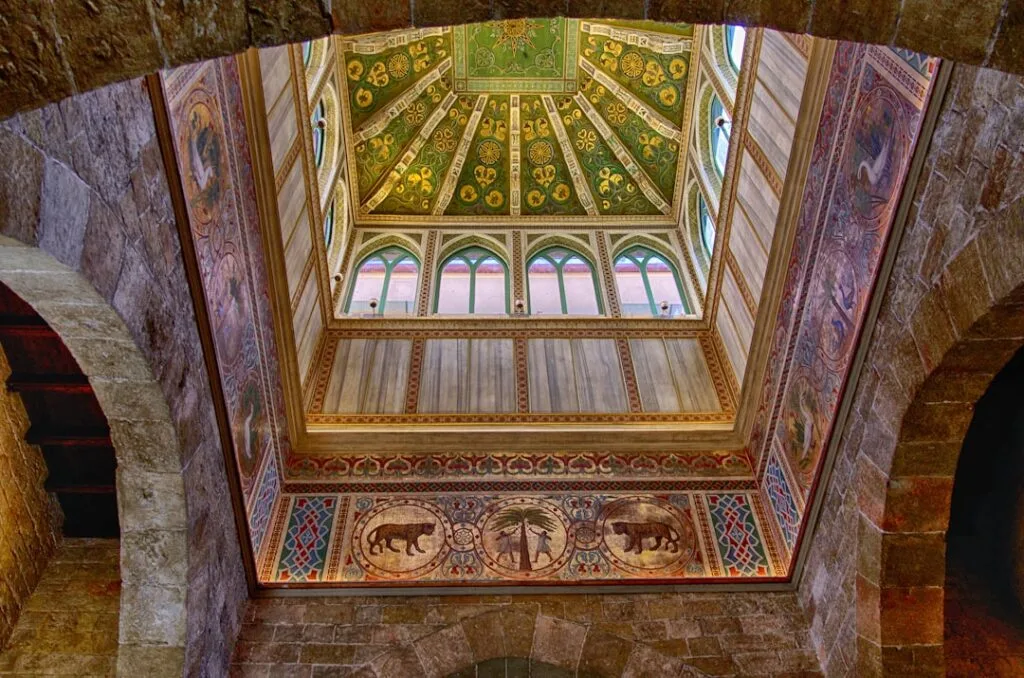
- Extend the experience: After class, visit the Palazzo dei Normanni (Piazza della Vittoria, 1, 90134 Palermo PA) for history, or treat yourself to a coffee-granita and Sicilian brioche at Caffè del Kassaro (Piazza Castello, 90134 Palermo).
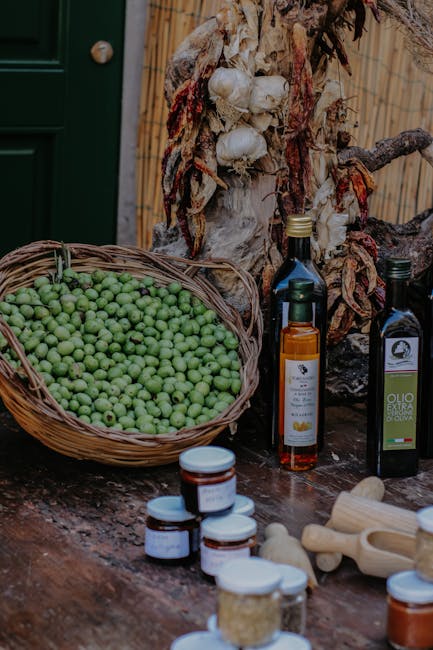
For ingredients to bring home: look for extra-virgin olive oil labeled DOP Sicilia (specialty shops like Olio e Sapori, Via Maqueda 285, 90133 Palermo; hours: Mon–Sat 10:00–19:00; price: €8–20 a bottle depending on quality), or Bronte pistachios (about €12–25 /250 g depending on quality). Local knives and utensils can be found in traditional kitchen shops around Via Roma and Via Maqueda.
Finally, to continue learning after the class: practice at home by revisiting your notes and repeating one recipe at a time. Use re-milled semolina if you want a more rustic pasta, and experiment with Sicilian fillings (ricotta, mint, lemon zest, pistachios). Store fresh dough wrapped in cling film in the fridge up to 48 hours, or freeze uncooked pasta on a tray before transferring it to a freezer bag to preserve texture when cooking later.
Complementary Experiences: Excursions, Markets and Tastings Around Fresh Pasta
A fresh pasta class can kick off a full gastronomic weekend in Palermo. Here are nearby activities to enrich your culinary stay.
Guided Visit to Mercato di Ballarò
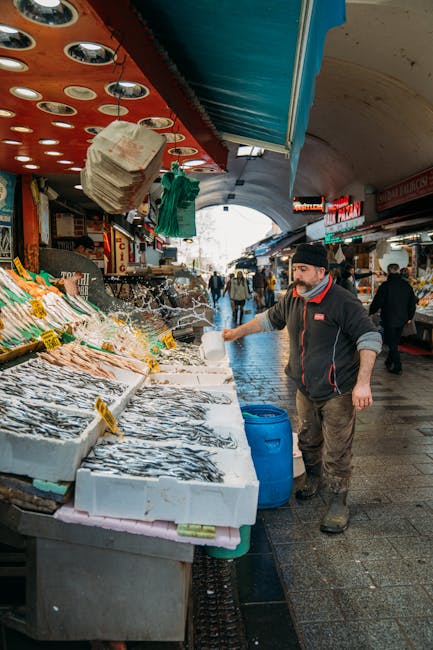
Address: Mercato di Ballarò, Via Ballarò, 90134 Palermo PA. Hours: market active Monday–Saturday, 08:00–14:00 (the liveliest scenes are in the morning). Price: private guided tour €25–40 per person (1.5 hours) depending on the guide. Description: blending among fishmongers, butchers and fruit vendors is a sensory experience. Class chefs often take students here to show how to pick fresh ricotta, spot quality capers and bargain for local products.
Click here to book a culinary tour of the two markets
Wine Tasting and Pasta Pairing
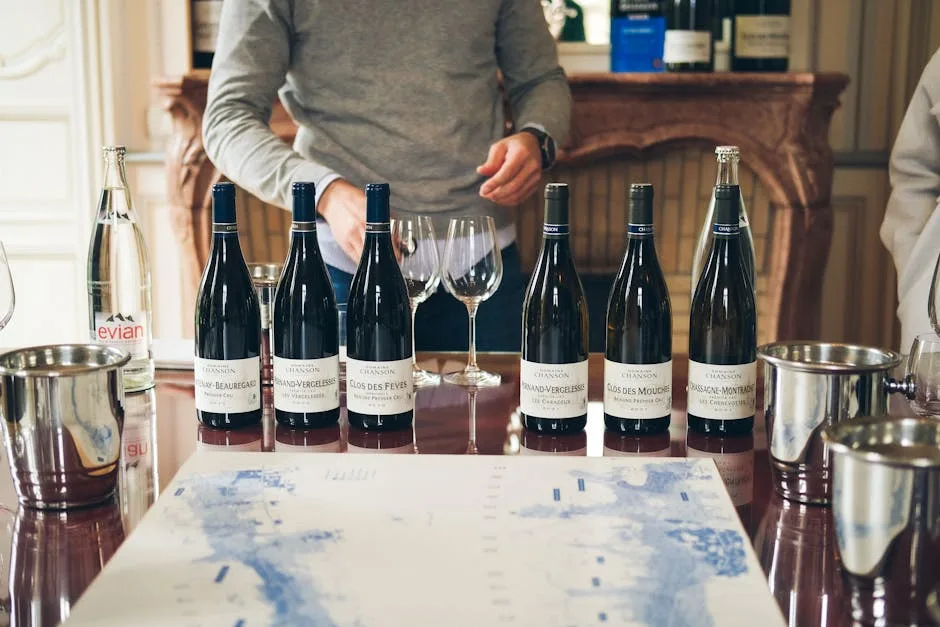
Venue: Enoteca Regionale Sicilia, Via Maqueda 68, 90133 Palermo PA. Hours: Mon–Sat 10:00–20:00. Price: guided tasting €20–35 per person for four wines. Description: learn to pair a pesto alla trapanese pasta with a glass of Grillo or balance a lemony pasta with a crisp white. Small enotecas offer bites to accompany the tasting.
Sicilian Dessert Workshop
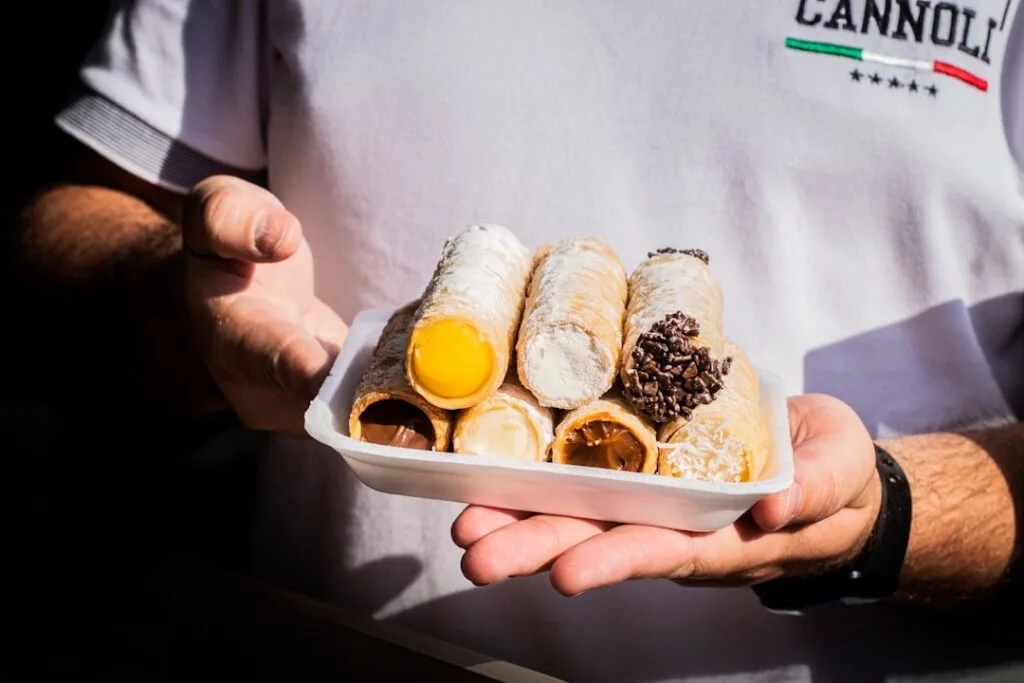
Venue: Pasticceria Maria Grammatico (workshop on request), Via Roma 256, 90133 Palermo PA. Hours: pastry workshop 10:00–13:00 on Saturday. Price: €60–80 per person. Description: round out your Sicilian culinary education by learning to make cannoli and cassata — the classic after-course that often follows a fresh pasta meal.
Suggested one-day food itinerary: morning at the market (Ballarò), fresh pasta workshop 10:30–13:30, tasting lunch during the class, afternoon visit to Palazzo dei Normanni (Piazza Indipendenza 1, 90134 Palermo; hours: 09:00–17:00; admission €12–15 depending on the tour), and an evening in a local trattoria to compare your new skills with a professional version.
Conclusion: Why a Fresh Pasta Class in Palermo Is a Memorable Investment
A fresh pasta class in a Sicilian kitchen in Palermo goes beyond teaching technical gestures: it plunges you into a living culture, connects you directly with family and market traditions, and places hands-on skills in your grasp that are best appreciated when shared. The sensations — the texture of well-kneaded dough, the smell of a simmering sauce, the satisfaction of tasting something you made with your own hands — create a lasting, tangible memory. Moreover, these workshops are a springboard to discover other sides of Sicily: markets, wines, pastries and historic palaces.
Practically speaking, Palermo’s classes suit all skill levels. You’ll leave with printed recipes, tips for storing and cooking, and often an unspoken invite to make these dishes for your family back home. Costs remain reasonable: on average €50–95 per person depending on the format (simple workshop, market + class, or intensive workshop with tasting and wine), offering great value compared with many tourist activities. Small family-run schools like Nonna Maria’s provide an intimate, authentic experience, while institutions like the Accademia di Cucina Siciliana offer a more academic, historical setting.
Finally, if you want to deepen the experience, Palermo is full of opportunities: guided market tours, tastings of DOP Sicilian oils, pastry workshops to master cannoli and cassata, and walks through historic neighborhoods to better understand Arab, Norman and Spanish influences on ingredients and techniques. Take the time to chat with your chef, ask about recipe histories and ask for local recommendations for the rest of your stay. By signing up for a fresh pasta class here, you don’t just learn to make pasta: you become a temporary ambassador for Sicilian cuisine, able to share and tell an authentic piece of Palermo when you return home.