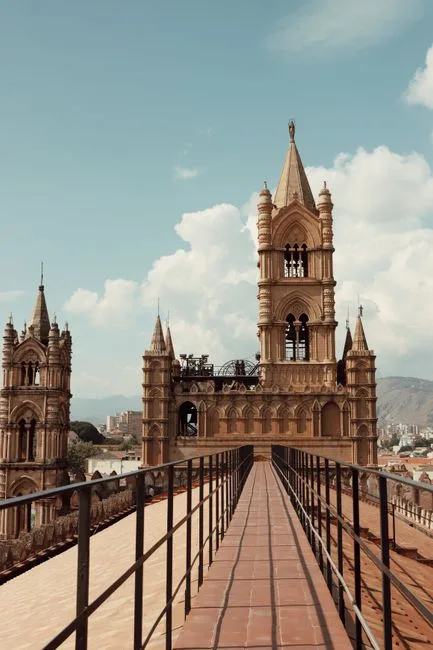






Introduction: The Normans in Palermo — a primer on royal power in Sicily
When people think of Palermo, Sicily’s capital, they often picture raucous markets, unbeatable street food, and sun-drenched beaches. But tucked into the city’s core is a quieter yet decisive legacy: the Norman imprint. Arriving in Sicily at the end of the 11th century, the Normans brought more than military control; they built a model of centralized, multi-ethnic royal rule that reshaped the island’s architecture, administration, and religious life. Understanding the Normans in Palermo means reading a key chapter of Mediterranean history where Byzantine, Arab and Western influences mingle — visible in stone, mosaic and the city’s layout.
This guide aims to be a complete, practical introduction to that pivotal era. We’ll cover the main sites that express Norman royal power in Palermo — the Palazzo dei Normanni and its famed Cappella Palatina, Palermo Cathedral and its royal tombs, smaller churches and residences like La Martorana, La Zisa and San Giovanni degli Eremiti — as well as the museums that safeguard objects illustrating the kingdom’s cultural complexity. Each site includes exact addresses, opening hours, admission hints and immersive descriptions to help you feel the scale and hierarchy of Norman royal authority.
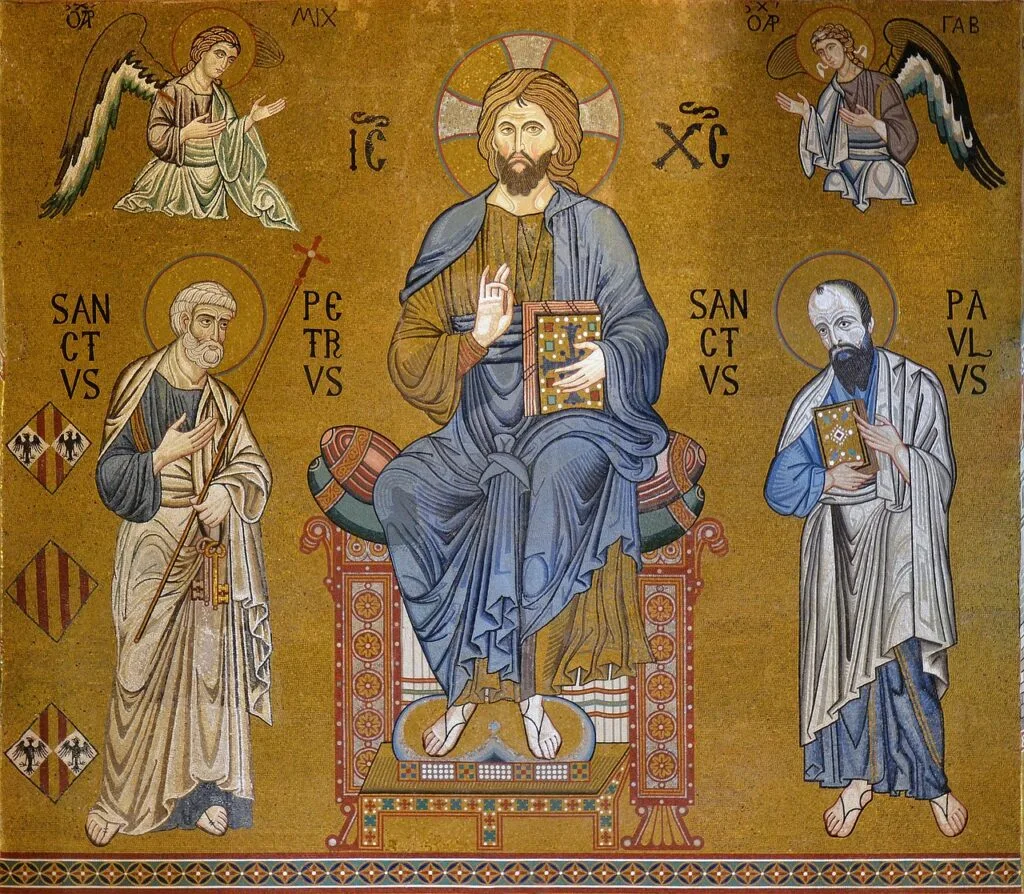
Seeing Palermo through a Norman lens means following traces of a power that asserted itself through exquisite decoration as much as through structured administration. The gilded mosaics of the Cappella Palatina, for example, are more than artistic masterpieces: they’re a visual proclamation of authority where Byzantine iconography meets royal symbolism. Similarly, palaces and churches reflect the coexistence of different religious and linguistic communities — Greeks, Latins, Arabs, Jews — who fueled the kingdom’s vitality. Beyond practical info, this guide offers local tips (best times to avoid crowds, walking routes, how to consult archives or specific collections) and themed itineraries to deepen your historical reading of the city.
Whether you’re an amateur historian, a curious traveler, or a guide planning a route, this text will give you the keys to approach Palermo through its architecture, royal spaces and objects used to legitimize Norman rule. Visual markers will illustrate sections to help you recognize sites on the ground and spark your imagination before you arrive. Get ready to hear the whisper of mosaics, look up at vaults where political theater plays out, and read Palermo as a capital shaped by cultural encounters and Norman royal will.
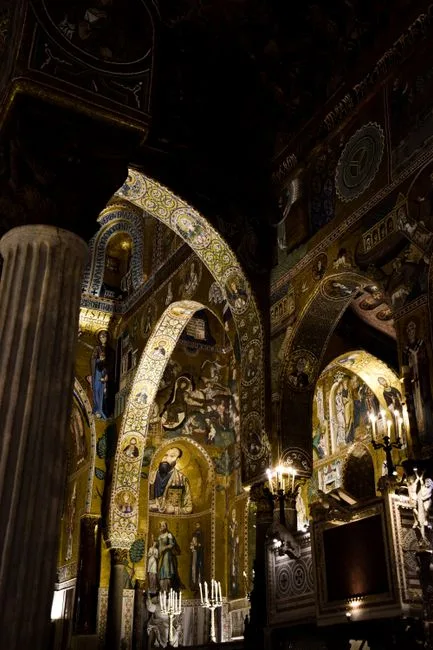
Palazzo dei Normanni and the Cappella Palatina: the heart of royal power
At the top of any must-see list and at the symbolic center of Norman rule in Sicily stands the Palazzo dei Normanni, also known as the Palazzo Reale. Perched on a hill overlooking the old town, it has served as a visual and administrative control point since the Middle Ages. The palace you see today combines Arab, Byzantine and Norman features, the result of successive transformations. The Cappella Palatina — the palace’s palatine chapel — is arguably the most spectacular testimony to the cultural synthesis the Normans achieved.
Address: Palazzo dei Normanni (Palazzo Reale), Piazza Indipendenza, 1, 90129 Palermo PA, Italy.
Opening hours (subject to change — check the official site before you go): Palazzo dei Normanni and Cappella Palatina — Monday to Saturday 8:15–17:40; Sunday 8:15–13:30 (reduced visiting hours during religious services or official events).
Indicative prices: Cappella Palatina + Palazzo dei Normanni — Full price €12, reduced €6 (youth, students and seniors with ID), free entry for some residents and under-18s according to Italian cultural rules. Certified guides and audio guides available on site, prices vary (approx. €3–€5).
Immersive description: Passing through the palace gates, you leave the city’s bustle and enter a space where hierarchy is made visible through architecture: sovereign courtyards, audience halls and sculpted heraldic devices. The Cappella Palatina dazzles with its golden mosaics, finely carved wooden ceilings (Islamic-style craftsmanship) and the way royal imagery blends with religious scenes. Byzantine mosaics, executed by eastern artists, depict biblical narratives while also framing decorative registers that celebrate the Norman prince’s majesty: power is asserted there through theology and iconography.
Practical tips: Allow at least 90 minutes for a full visit (palace + chapel + royal apartments). Arrive early, before 10:00, to enjoy gentler light on the mosaics and to beat the crowds. Guided tours in English and Italian are often scheduled — book ahead in high season. Photography without flash is generally allowed; check signage. If you want a deeper dive, ask about the Palatine apartments, where you can read the successive transformations of the royal decor.
Palermo Cathedral and the royal tombs: dynastic memory
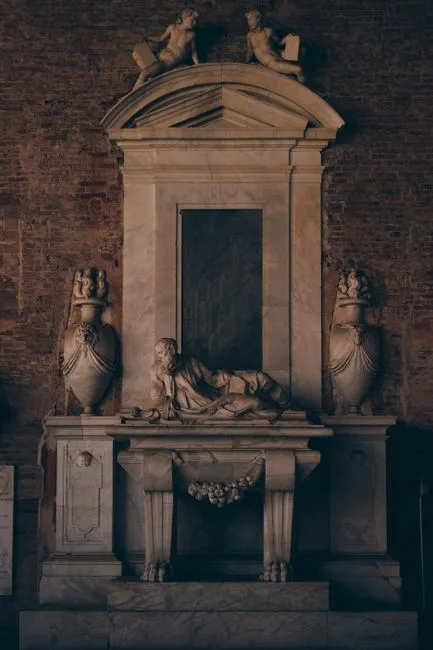
Palermo Cathedral sits at the center of the Normans’ political memory. Built and altered across centuries, the cathedral is an architectural palimpsest mixing Norman, Gothic, Baroque and neoclassical elements. It also holds several royal tombs that tell the story of Sicily’s dynastic succession: Normans, the Hohenstaufen, Angevins and Bourbons all left funerary and symbolic traces within the building.
Address: Cattedrale di Palermo, Corso Vittorio Emanuele, 1, 90134 Palermo PA, Italy.
Opening hours: Open for worship every day; tourist visiting hours generally 7:00–18:00 (hours vary during liturgical celebrations). Rooftop access: 9:00–17:00 (last ascent varies with season).
Prices: General admission (access to rooftop, treasury and archaeology) — about €8–€10; reduced €4–€6; entry to the cathedral for worship is often free. Elevator/rooftop visit: supplement approx. €5–€8 depending on guided option.
Immersive description: On entering, you first feel the Gothic verticality and the play of light through stained glass. Side chapels house altars, statues and tombs, but it’s by climbing the terraces that you grasp the site’s strategic and symbolic importance: wide views over the city, the old royal quarters and the bay. Royal tombs embedded in the nave and chapels are tangible proof of continuity and the sacralization of power. Look for Roger II’s tomb and those of other sovereigns to follow a funerary route that maps dynastic alliances.
Local tips: Visit the roof at golden hour (late afternoon) for spectacular photos over the old town. The adjoining cloister is a peaceful haven — perfect for a break after touring. Note that staircases to the terraces can be narrow: wear comfortable shoes. If you attend a service, respect the liturgical setting; history buffs should check the cathedral shop for locally produced publications useful for tracing royal genealogy.
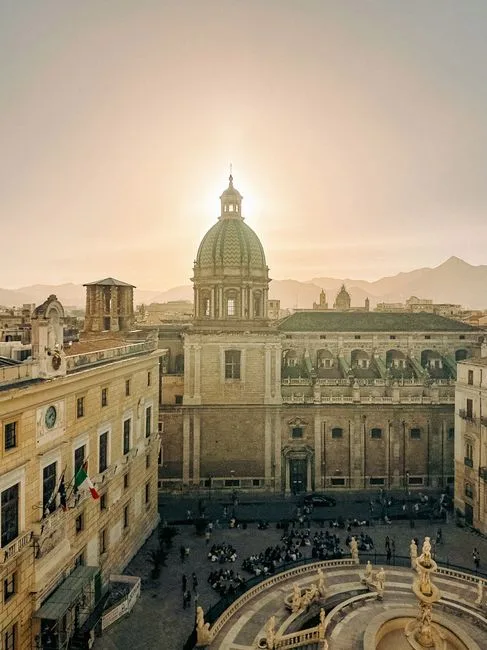
Secondary churches and palaces: La Martorana, San Giovanni degli Eremiti and La Zisa
Beyond the main hubs, Palermo hides smaller gems — essential for understanding how Norman style spread and how adaptable it was. Three must-stops: La Martorana (Chiesa di Santa Maria dell’Ammiraglio), San Giovanni degli Eremiti and La Zisa. Each monument highlights a different facet of Norman rule: Byzantine liturgy, architecture of conquest and royal villas inspired by the Arab East.
La Martorana — Address: Chiesa di Santa Maria dell’Ammiraglio (La Martorana), Piazza Bellini, 2, 90133 Palermo PA, Italy.
Opening hours: Generally open 9:00–17:00; may close during services. Admission: around €4–€6 (varies with temporary exhibitions).
Description: Make a point of pausing on entry: gleaming Byzantine mosaics, Eastern iconography and well-preserved Byzantine ornamentation. La Martorana was founded under Byzantine influence and later enriched by the Normans; its atmosphere is more intimate than the Cappella Palatina’s, but equally eloquent about cultural coexistence.
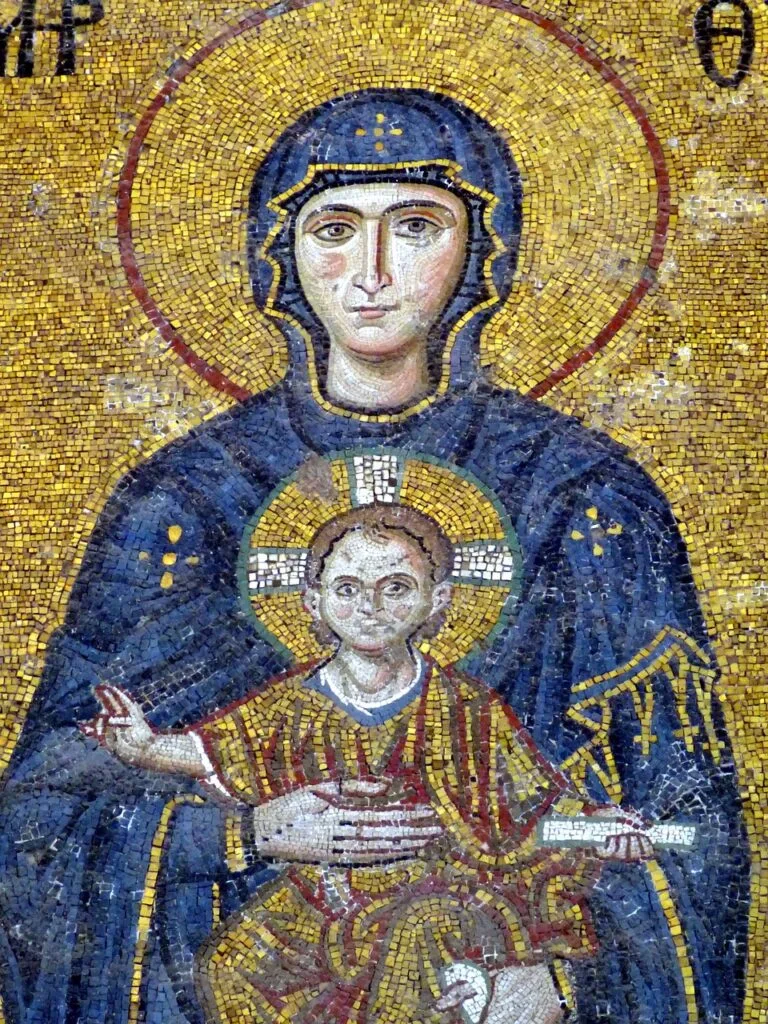
San Giovanni degli Eremiti — Address: Chiesa di San Giovanni degli Eremiti, Via dei Benedettini, 9, 90134 Palermo PA, Italy.
Opening hours: 9:00–13:00 and 15:00–18:00 (indicative times, check locally). Admission: around €3–€5.
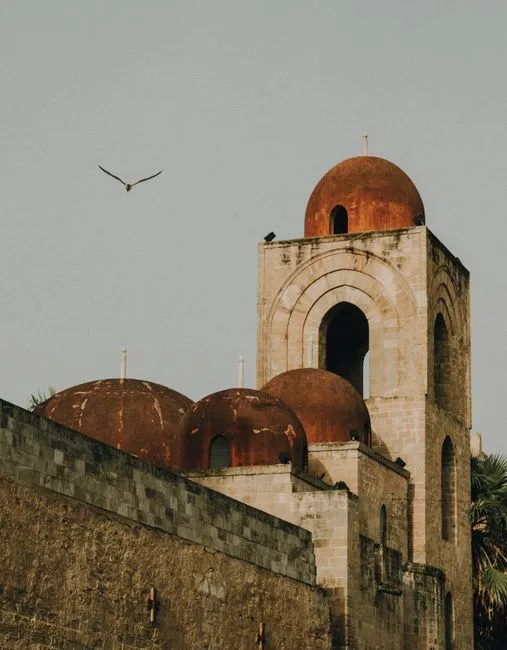
Description: With its distinctive red domes, San Giovanni degli Eremiti preserves traces of an architecture that fuses the Cluniac Christian plan with Arab elements. The inner garden, the simplicity of volumes and the quality of light create a contemplative atmosphere, ideal for imagining monastic life under Norman rule.
La Zisa — Address: La Zisa, Piazza Zisa, 1, 90135 Palermo PA, Italy.
Opening hours: 9:00–19:00 (museum and park, hours vary by season). Admission: museum and park ~€6–€8; discounts available.
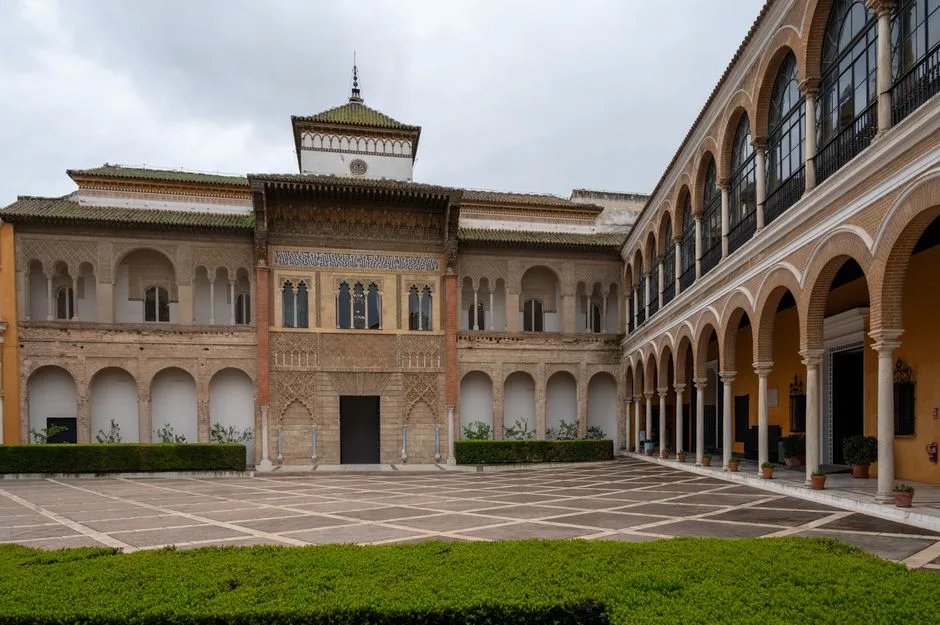
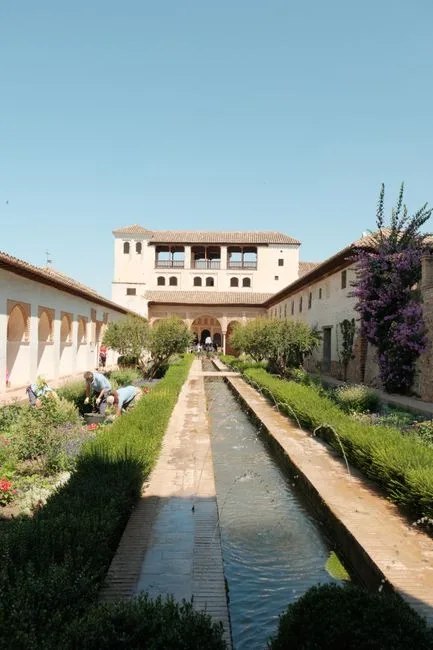
Description: La Zisa is a royal residence inspired by Eastern palaces, laid out as a pleasure villa for the court. Its plan, hydraulic features and ornamentation reveal the importance the Normans placed on princely leisure and on demonstrating wealth through landscape architecture. Decorated rooms, classical loggias and the surrounding park invite a stroll that explains how royalty staged itself away from official ceremonies.
Tips: Buy combined tickets if available (Martorana + Cappella Palatina are sometimes offered as a package by local operators). Schedule photoshoots early morning or late afternoon to avoid harsh light on mosaics. The gardens at San Giovanni are especially pleasant for a quiet break away from the nearby markets.
Museums and archives: filling in the historical picture
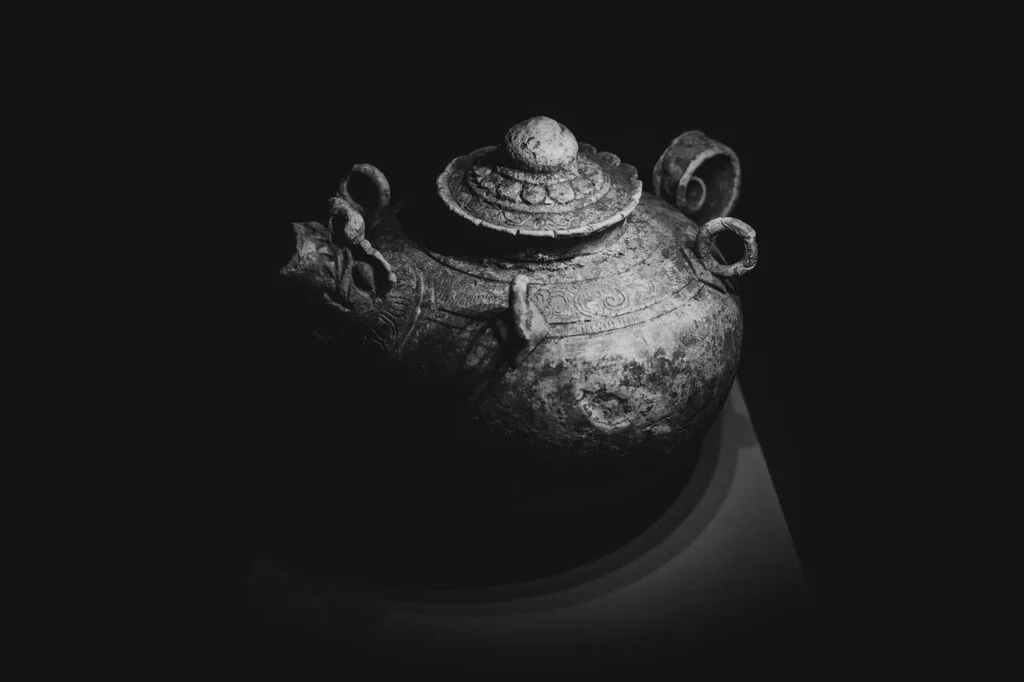
To deepen your understanding of Norman rule in Palermo, visiting museums that hold objects of power — seals, manuscripts, weapons and architectural fragments — is essential. Two institutions stand out: the Museo Archeologico Regionale « Antonino Salinas » and the collections within the Palazzo dei Normanni. They help connect the architecture you see on site to the artifacts used to govern and represent power.
Museo Archeologico Regionale « Antonino Salinas » — Address: Via Bara all’Olivella, 24, 90133 Palermo PA, Italy.
Opening hours: Generally 9:00–19:00, closed Monday (check for holidays). Admission: full ticket ~€6; reduced ~€3 (youth, students). Collections: a wide selection of objects from Greek, Punic and Roman periods, as well as items that contextualize Sicilian economy and society before and after the Norman conquest. Temporary exhibitions sometimes explore the Mediterranean networks that explain the circulation of ideas and goods.
Palazzo dei Normanni collections: beyond the chapel, the museum section occasionally hosts temporary exhibitions on manuscripts and the royal chancery. Check the Regione Siciliana cultural program for temporary exhibitions and archival documents open to the public.
Practical tips: Museums provide documentation — catalogues, maps and info sheets — useful for preparing a critical reading of the monuments. If you’re a researcher, contact the archives to arrange appointments and consult online inventories (the Archivio di Stato in Palermo holds interesting diplomatic collections). Buy skip-the-line tickets online to avoid long waits in high season.
Recommended routes and practical advice for visitors
Exploring Palermo from a Norman perspective requires planning to make the most of your time and visits. Here are two sample routes — a half-day and a full-day — plus logistical tips to optimize your experience.
Half-day itinerary (morning): Start at 9:00 at the Palazzo dei Normanni (visit Cappella Palatina: 9:00–10:30) → walk (15 min) to Palermo Cathedral (visit 11:00–12:00) → coffee break at Piazza Bellini, near La Martorana. This route covers symbolic sites and leaves the afternoon free to explore other neighborhoods.
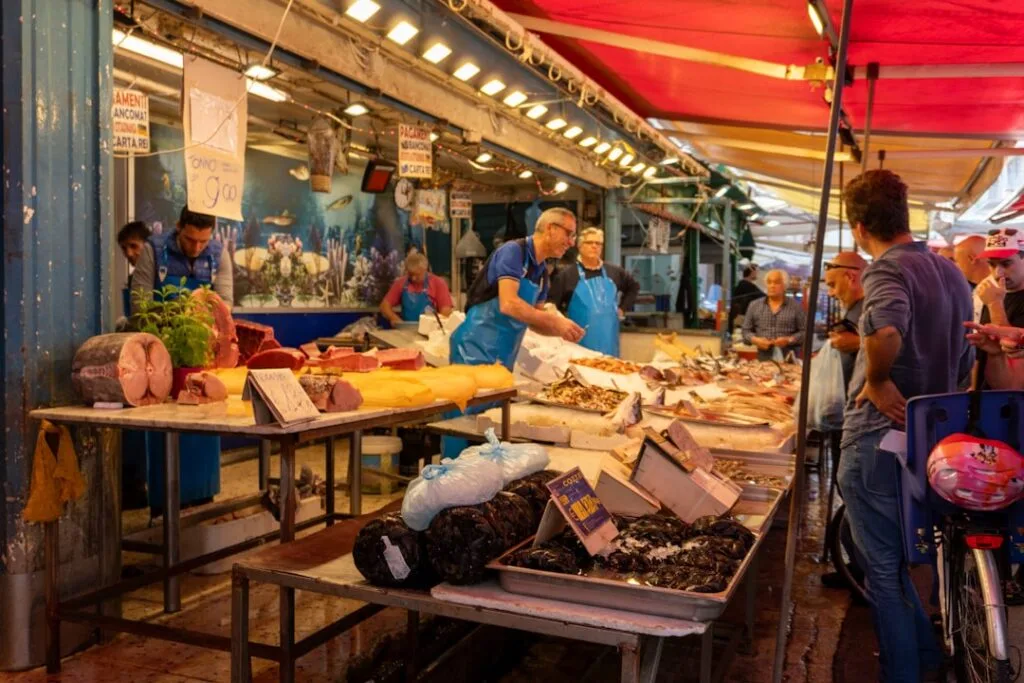
Full-day itinerary: 9:00 Palazzo dei Normanni and Cappella Palatina (1h30) → 11:00 Palermo Cathedral and rooftop visit (1h) → 12:30 lunch in the markets quarter (Pescheria/Capo) → 14:30 La Martorana and Piazza Bellini (45 min) → 15:30 San Giovanni degli Eremiti (45 min) → 16:30 La Zisa (park and palace visit, 1h). End the day at the Museo Archeologico Regionale if opening hours allow (check times).
Logistical tips: Bring sturdy shoes (cobblestones and stairs), water and a hat in summer. Sites require respectful dress (shoulders covered in places of worship). Combined tickets and guided tours save time. For photographers, favor morning light for interiors and late afternoon for panoramas. Finally, negotiate politely with unofficial guides: many are knowledgeable but make sure they’re accredited.
Conclusion: reading Palermo through the Norman legacy
The Normans in Palermo were more than a brief conquering force; they embodied a royal policy that integrated multiple traditions to forge a lasting state. Through the Palazzo dei Normanni and its Cappella Palatina, the Cathedral, La Martorana, San Giovanni degli Eremiti, La Zisa and the city’s museums, you can reconstruct this complex history. Mosaics, tombs, palace plans and museum objects form a political narrative where the sovereign’s image, liturgy and administration combine to legitimize power.
Practically speaking, Palermo offers walkable routes that let you move from one monument to another following the logic of royal power: from audience hall to sanctuary, from palace to pleasure villa. Addresses, hours and prices in this guide will help plan your visits, but keep in mind that details can change — always check the monuments’ official websites before you travel. For academic deepening, favor the Museo Archeologico Regionale « Antonino Salinas » collections and local archival holdings, which document the Norman kingdom’s administrative and diplomatic structure.
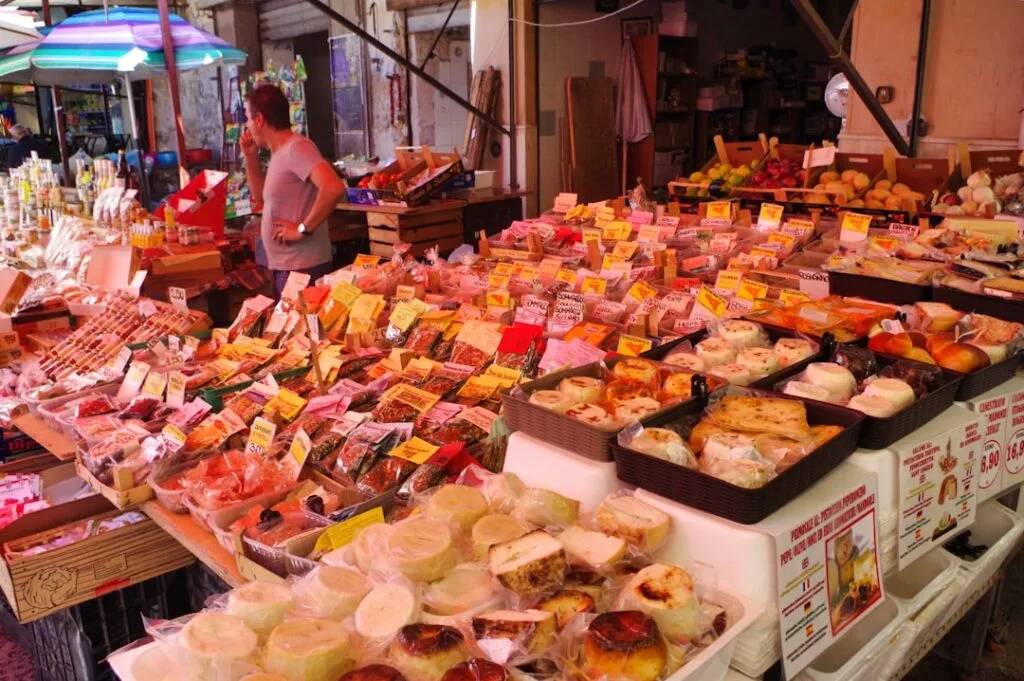
Finally, soak up Palermo’s atmosphere: the city is not a static museum, but a living place where the Norman legacy coexists with contemporary life. Wander the markets, taste the street food (arancini, panelle, sfincione) and watch how the memory of royal power blends with everyday life. It is in that contrast — between the monumental and the ordinary — that you truly understand the Normans’ role in Sicily: they left not only monuments of power but an urban culture that still thrives today.
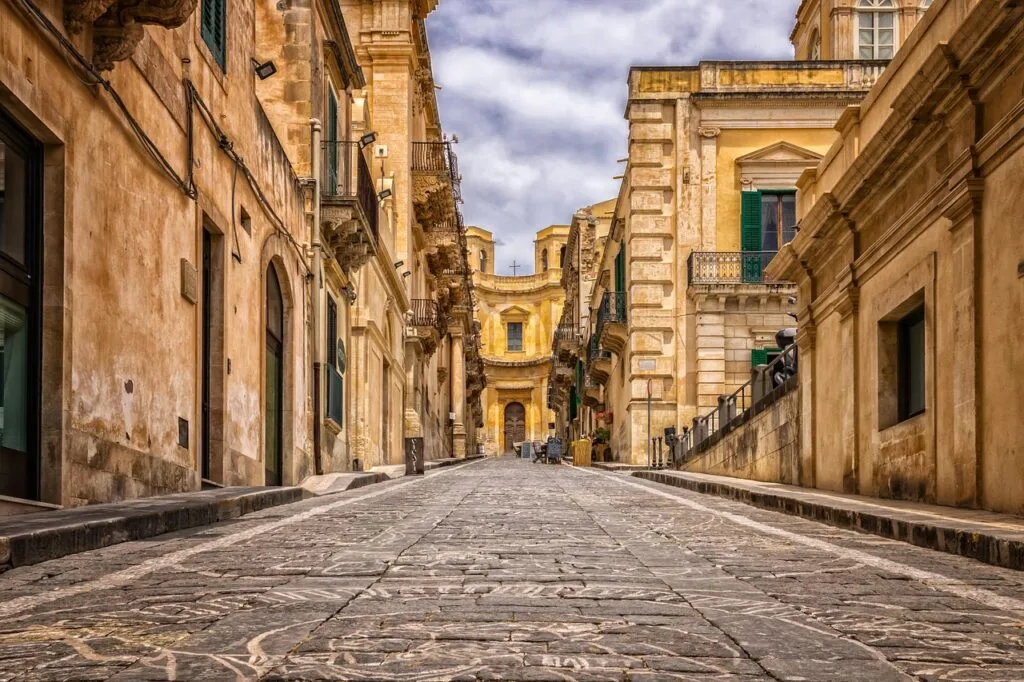
Final notes: For special visits (access to closed royal apartments, archival requests, guided tours in rare languages), contact the Regione Siciliana cultural services or Palermo tourist offices (IAT Palermo, Piazza Vittorio Emanuele, 90134 Palermo — check opening hours and phone details on the official site). Enjoy your historical journey through Palermo: walking here is reading centuries of power and exchange across the Mediterranean.