





Introduction — Picture-Perfect Palermo: when green becomes the subject
Palermo is often known for its noisy markets, baroque churches and the turquoise sea that frames the city. But for photographers — whether hobbyists or pros — it hides another treasure: a patchwork of green spaces where Sicilian light sculpts foliage, facades mirror in ponds, and tree-lined paths invite composed shots. This guide focuses on those « green spots » whose variety offers backdrops for portraits, urban landscapes, botanical close-ups and calm street photography.
Here you’ll find a curated list of public gardens, historic parks, greenhouses and landscaped areas that make up Palermo’s green lungs. For each spot I give exact addresses, typical opening hours, entrance fees or practical notes — when tickets are required — along with an immersive description to help plan your shoots: recommended angles, best times for light, detail subjects (leaves, fountains, statues), and local tips (walking routes, equipment access, safety and etiquette).
Whether you’re out for a half-day with a smartphone or working a series with multiple lenses, this guide will help you structure a photographic route through Palermo’s greens. Some places are peaceful havens where Mediterranean plants meet Arab and baroque influences; others offer wide views of the sea and the city skyline. The contrasts — palms against blue sky, marble statues and lichen-covered walls, water reflections — are all elements you can compose with.
I recommend preparing your sessions by checking seasonal opening times (many gardens close earlier in winter), packing a small kit to clean optics if you’ll be near the sea, and checking for restrictions (drones, tripods, etc.). Finally, remember these spaces are used by locals too: a little patience and friendly interaction will often get you more authentic images.
Orto Botanico di Palermo — the historic greenhouse and exotic collections
Address: Orto Botanico di Palermo, Via Lincoln 2, 90133 Palermo, Italy.
Opening hours (seasonal): generally open Tuesday to Sunday from 9:00 to 17:00 (closed Monday); extended hours in summer (9:00–19:00). Check the official site before your visit.
Price: adult entry around €6.00; reduced rate (students, seniors) €3.00; free for very young children and sometimes on special cultural days. Rates may change.
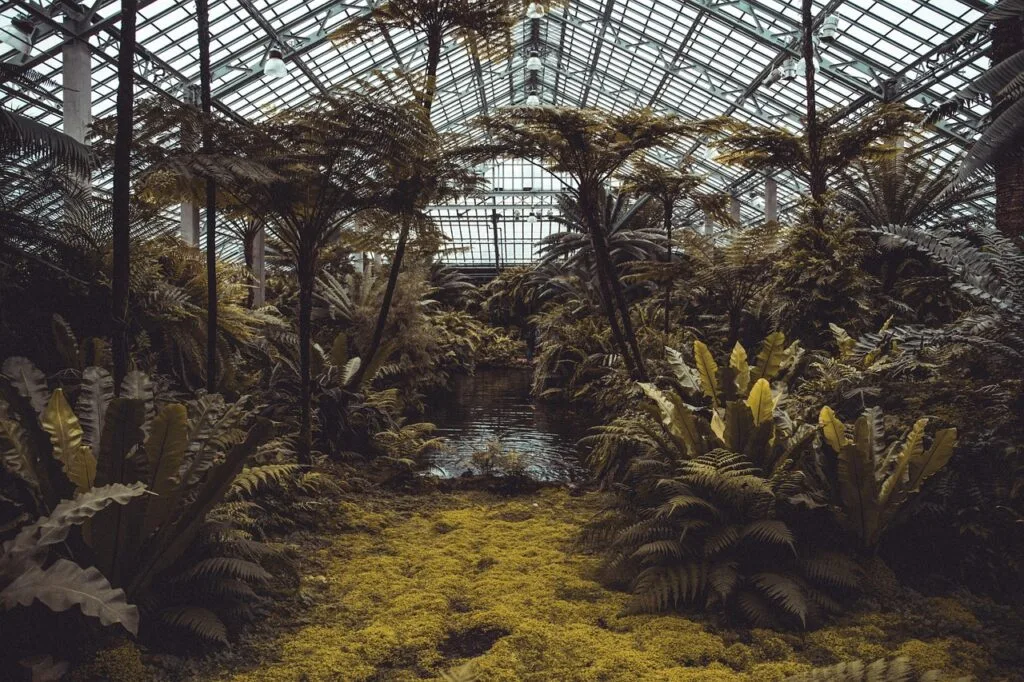
The Orto Botanico di Palermo is a must for any series focused on Mediterranean and tropical vegetation. Founded in the 18th century, it covers several hectares and combines shaded alleys, palm collections, towering cypresses, bamboo groves and large Victorian greenhouses. The glasshouses — with their panes and metal structures — create soft, diffused light ideal for portraits and macro shots (water droplets, leaf veins, textures). Outside, winding paths let you play with perspective: a long path lined with exotic plants draws the eye to a vanishing point, perfect for a dynamic portrait or a symmetrical frame.
Photo tips: arrive early for the soft morning « golden hour » filtering through the leaves. A macro lens (60–100 mm) will reveal exotic flower details; a wide-angle (24–35 mm) is useful for capturing the greenhouses and tree groups. Benches and fountains provide natural frames for lifestyle portraits. The shade also helps avoid blown highlights on leaves at midday.
Practical tips: tripods are allowed in outdoor areas but check the policy for the greenhouses. Paths can be damp — bring sturdy shoes and a cloth for your optics. A small water bottle and a notebook are handy if you’re documenting botanical names for a project.
Giardino Garibaldi (Piazza Marina) and Villa Giulia — two historic city atmospheres
Giardino Garibaldi address: Piazza Marina, 90133 Palermo, Italy.
Villa Giulia address: Villa Giulia, Via Libertà / Viale Strasburgo (near Foro Italico), 90139 Palermo, Italy. (Villa Giulia sits at the end of Via Libertà; check the main entrance depending on your route.)
Hours: Giardino Garibaldi is a public garden generally open 24/7 (free access); Villa Giulia has variable hours and is often included in city routes; usually open during daytime, with variable hours for events and exhibitions. Price: Giardino Garibaldi free; Villa Giulia free to enter the park, some exhibitions may charge (€5–8).
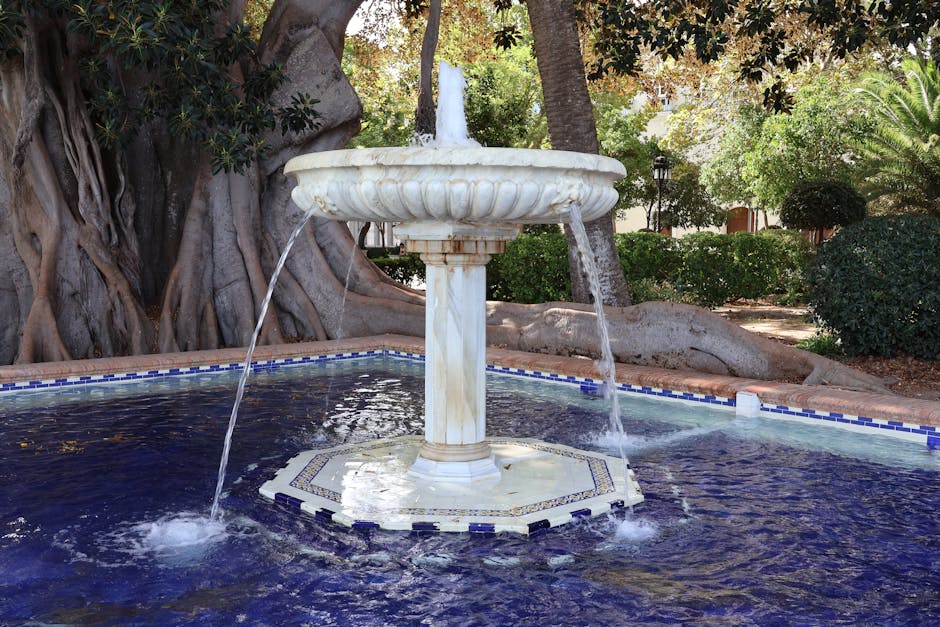
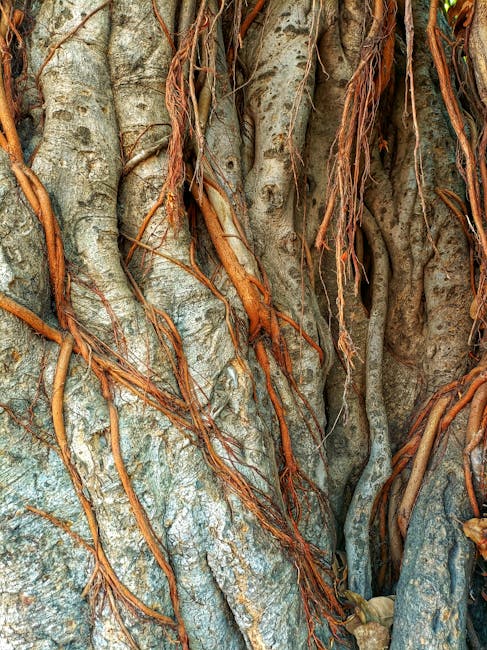
Giardino Garibaldi, set on the large Piazza Marina, is famous for its row of ancient ficus trees and historic statues and fountains. It’s a highly photogenic meeting place where tree shade creates graphic halos on stone. Benches and historic columns frame ideal settings for posed portraits or more documentary street scenes: a woman reading, a passing couple, kids playing among the aerial roots.
Villa Giulia, on the other hand, feels more structured: lawns, flowerbeds and small geometric paths. It contrasts nicely with the wild character of Piazza Marina. It’s excellent for experimenting with depth of field: use a wide aperture to isolate a subject against clipped hedges, or stop down for extended sharpness when capturing beds in perspective.
Photo tips: for Giardino Garibaldi favor low-angle light in the morning or late afternoon to bring out trunk textures. For Villa Giulia, midday can work if you want saturated colors from the beds. Scout benches and sculptures for rule-of-thirds compositions; look for shadow patterns cast by foliage.
Local tips: Giardino Garibaldi sometimes hosts antique markets on Sunday mornings (check the schedule), which are great reportage opportunities. Avoid peak busy times if you want frames without people. Also respect residents’ peace and avoid intrusive flash near homes.
Parco della Favorita and Parco della Zisa — pines, panoramas and sea horizons
Parco della Favorita address: main entrance via Favorita / Viale del Fante (multiple entrances) — 90146 Palermo, Italy.
Parco della Zisa address: Parco della Zisa, Via della Zisa, 90138 Palermo, Italy (near Villa Zisa and Castello della Zisa).
Hours: Parco della Favorita and Parco della Zisa are public parks open during the day; generally from dawn to dusk. Price: free access.
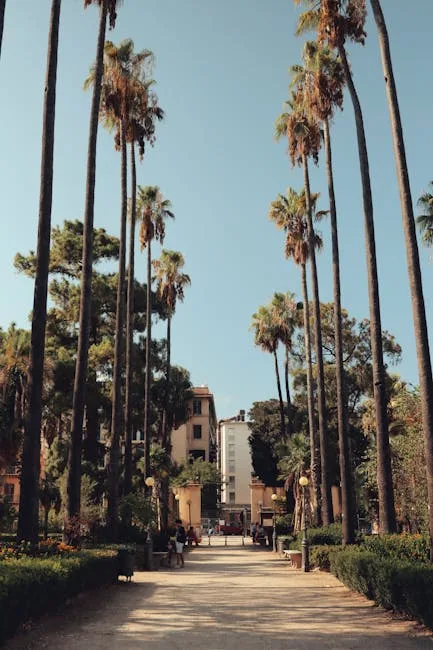
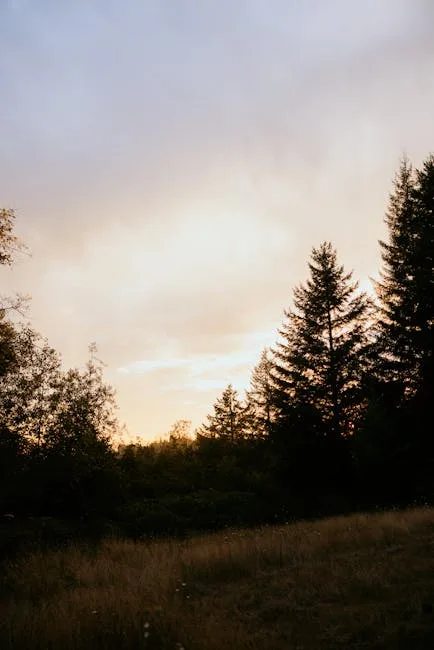
Parco della Favorita is one of Palermo’s largest green spaces, with umbrella pines, meadows and wide views over the city and, from some vantage points, the coast. It’s ideal for wide-angle shots and compositions that include the sky — perfect for silhouette shots at sunset. Long avenues and clearings provide backdrops for fashion shoots, outdoor sports or natural-light portraits. The park also hosts historical remains and is used by locals for jogging and picnics, adding life to your everyday images.
Parco della Zisa (around Villa Zisa and Castello della Zisa) offers a more architectural contrast: Italian-style gardens, channels and views of the Zisa’s Moorish facade. It’s a great spot if you want to combine vegetation with Islamic/Arab architectural details found in Palermo. The nearby ponds let you play with reflections and symmetry.
Photo tips: bring a medium telephoto (70–200 mm) to isolate subjects in vegetation without being intrusive. For landscapes in Parco della Favorita, use a wide-angle and consider an ND filter if you want to smooth clouds with a long exposure. In the evening, the pines make striking silhouettes; try controlled underexposure to preserve sky colors.
Local tips: some areas can be windy and salty toward the sea; secure your gear. Parking can be scattered: expect a short walk. Respect private zones and sports facilities, and avoid disturbing walkers and pets.
Foro Italico and the seafront promenades — lines, sea air and light
Address: Foro Italico Umberto I, Lungomare Marchese di Rudinì / Foro Italico, 90133 Palermo, Italy (along the city’s northern coast).
Hours: public promenade accessible 24/7; public lighting at night (check safety by sector).
Price: free.
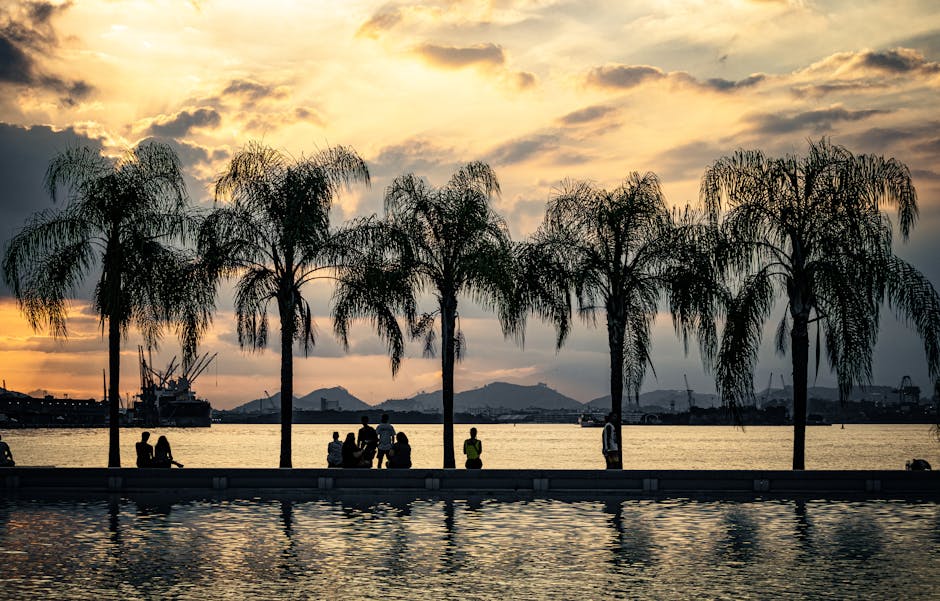
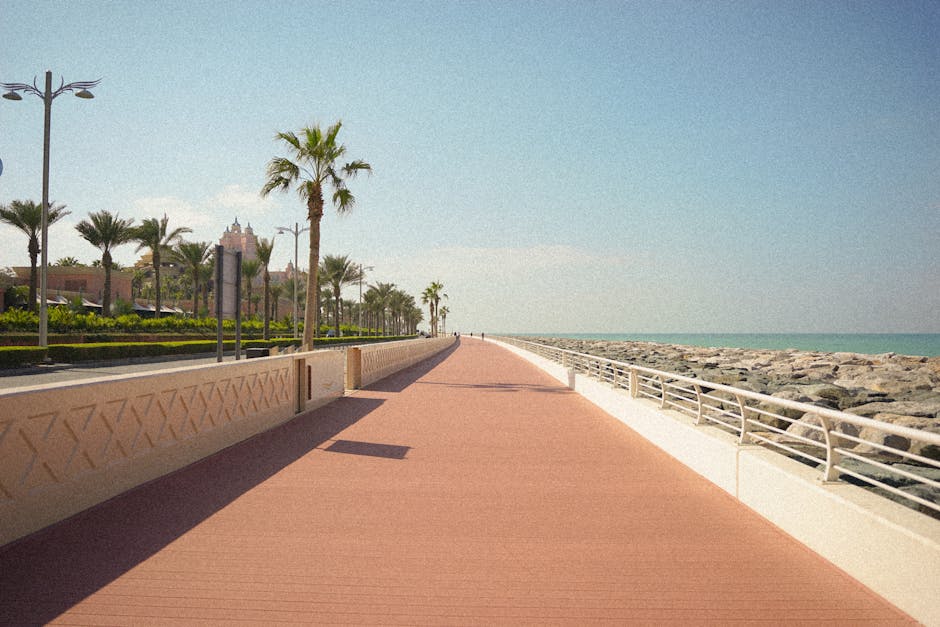
The Foro Italico is a vast seaside esplanade combining lawns, walkways, sculptures and open views of Palermo Bay. For photographers this spot offers many opportunities: silhouettes against the sea, reflections on wet paving, and graphic compositions with canonical palm trees. The light is often cleaner here thanks to the sea; the air can boost image clarity at sunrise and sunset.
The waterfront stretches for hundreds of meters, letting you vary your framing: get close to benches for intimate portraits, use the promenade’s leading lines for minimalist urban shots, or climb a slight elevation to include the bay and city. Waves and seabirds add motion to compositions, and runners give a cinematic rhythm.
Photo tips: a polarizing filter helps saturate the blues of sea and sky; dramatic clouds can turn a bland scene into something powerful. For long exposures at dusk bring a tripod and remote release. At night, be mindful of your equipment and stick to well-lit, populated areas.
Local tips: the promenade is popular for morning workouts — use those dynamic silhouettes. Don’t leave gear visible in parked cars; also check drone regulations over the bay.
Conclusion — Composing with green: tips for a cohesive Palermo portfolio
Putting together a photogenic Palermo portfolio takes curiosity and method. The places covered — Orto Botanico di Palermo, Giardino Garibaldi (Piazza Marina), Villa Giulia, Parco della Favorita, Parco della Zisa and the Foro Italico — give you the full palette: from botanical close-ups to marine panoramas and historic atmospheres. For a cohesive series, pick a clear visual intention: textures (bark, stone, water), colors (deep greens and marine blues), or a narrative (daily life in the parks).
Plan sessions around golden and blue hours: Palermo’s light enhances foliage and ancient stone. Think about lens variety: macro for details, wide-angle for scenes, telephoto to isolate and compress space. Watch practical conditions: some parks have temporary restrictions, check hours (especially off-season), plan for parking and gear security, and respect public spaces and other users.
Finally, leave room for the unexpected. The most successful shots often come from patience — a beam of light through a branch, a laughing child, a fisherman on the jetty — and catching the moment. Palermo, with its blend of history, sea and nature, is a playground for those who know how to look. Bring your observational eye, your essentials (batteries, memory cards, rain protection) and, above all, some patience. You’ll leave with images that tell not only of landscapes but of the living soul of the city.