





Introduction — Palermo seafood: fillets and Sicilian sauces
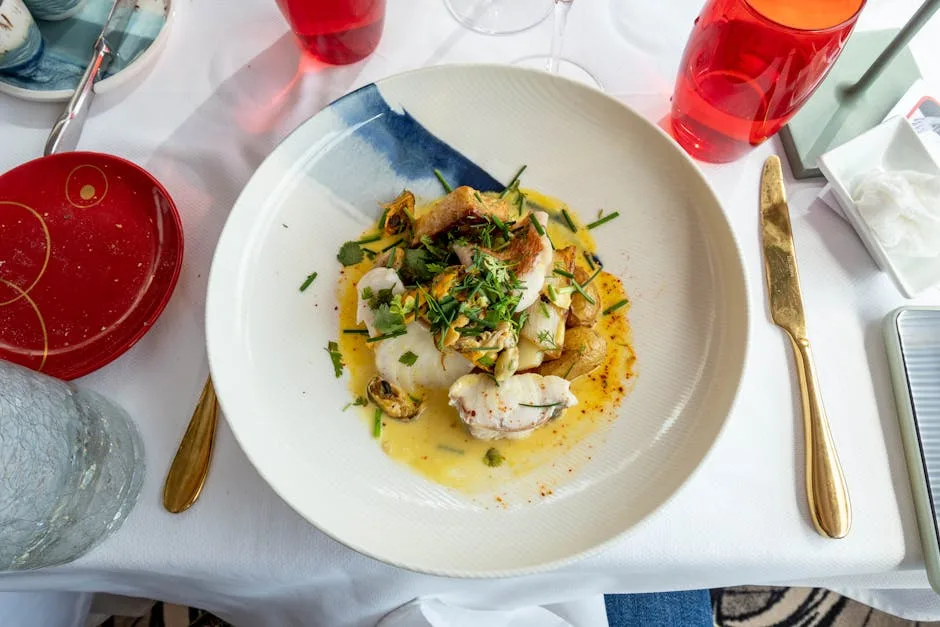
Palermo is a city where the sea quite literally ends up on your plate. Sitting at the crossroads of the Mediterranean, the Sicilian capital has developed a rich fishing and culinary tradition: freshly landed fish, fillets prepared with care, and inventive sauces that blend tomatoes, capers, olives, citrus and aromatic herbs. Seafood in Palermo isn’t just about ingredients — it’s a reflection of the island’s layered history: Phoenicians, Greeks, Arabs, Normans and Spaniards all left techniques and flavors behind.
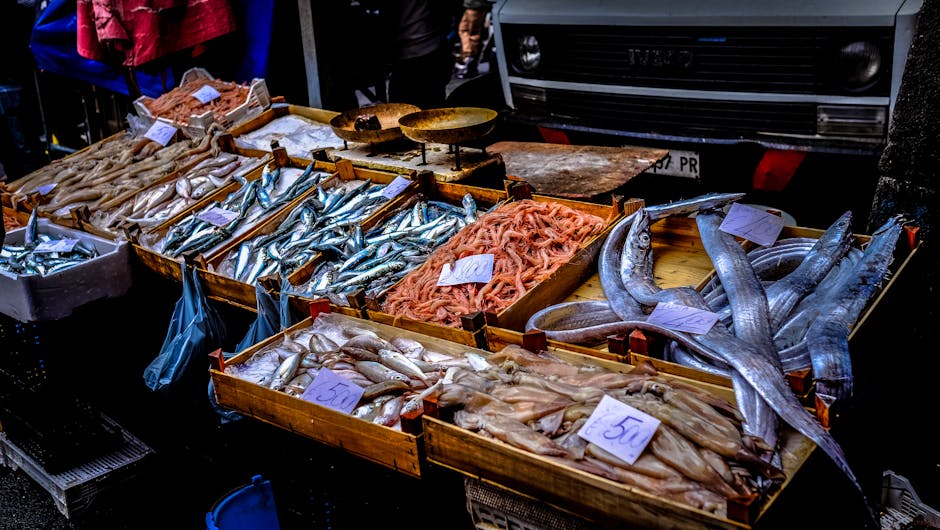
Strolling through Palermo’s markets — Ballarò, il Capo, and the Vucciria — you’ll see stalls where freshness shows in the scales: gilt-head bream (orata), sea bass (spigola), amberjack (ricciola), mullet, sardines, anchovies, squid and octopus. Fishmongers fillet, clean and remove bones from fish right in front of you, using precise gestures passed down through generations. Those fillets are the basis for signature dishes: involtini di pesce (fish rolls), pesce alla ghiotta, pesce spada alla siciliana (Sicilian swordfish), or more rustic plates like sarde a beccafico.
In this Palermo-focused guide we’ll cover where to buy the best fish, how to select and prep fillets, which Sicilian sauces to favor, and where to taste these dishes at reliable spots. You’ll find practical details: full addresses, opening hours, indicative prices in euros, and local tips to make the most of your culinary experience. Whether you’re an enthusiastic home cook wanting to recreate an authentic Sicilian sauce, or a traveler eager to taste perfectly prepared fillets in the heart of Palermo, this guide will give you concrete, immersive pointers.
Before we start: put seasonality first (sardines and anchovies in spring, tuna in summer, octopus in autumn), haggle politely at the market if you’re buying in quantity, and always ask “quando è stato pescato?” to check freshness. Prices vary by size, season and market: expect to pay between €8 and €25 per kilo for most coastal fish, and up to €40–50/kg for rarer species or fresh tuna. This guide also includes price benchmarks and suggested addresses so you can see, learn and taste fillets and Sicilian sauces in Palermo.
Markets and sourcing: where to buy fish in Palermo
The first step to mastering Sicilian seafood is sourcing. In Palermo three markets stand out for the quality and variety of fish: il Mercato di Ballarò, il Mercato del Capo and the Vucciria. Each has its own vibe and opening hours to note.
- Mercato di Ballarò — Address: Via Ballarò, 90134 Palermo PA. Hours: generally open Monday–Saturday, 06:00–14:00; some stalls close in the early afternoon. Description: Ballarò is the most authentic, lively market. Fishmongers (pescivendoli) offer gilt-head bream (orata) at about €12–18/kg, fresh sardines €8–12/kg, calamari €10–16/kg depending on size. Tip: arrive early (between 07:00 and 09:00) for the best selection and ask the fishmonger to fillet the fish (levare i filetti) on the spot; for 2–3 fillets the service is often free or charged €1–3.
- Mercato del Capo — Address: Via Cappuccinelli / Via Porta Carini, 90133 Palermo PA. Hours: open Monday–Saturday, 07:00–14:00. Description: smaller than Ballarò, il Capo offers seafood at competitive prices: small octopus €10–20/kg, whiting €9–14/kg. Local tip: try the marinated fish (carpione) found at some stalls to taste vinegar-and-spice preparations.
- La Vucciria — Address: Piazza Caracciolo, 90133 Palermo PA (historic area). Hours: mainly 06:00–14:00; some nearby restaurants open in the evening. Description: Vucciria is more touristy but remains a great spot for traditional products and street specialties. You’ll often find flatfish fillets and rockfish. Prices vary, but expect €10–20/kg for common species.
Practical tips: bring insulated bags if you’re buying fish in summer, ask for ice for transport (most fishmongers will provide it free if you buy), and check the smell: fresh fish has a mild marine scent, not a sharp odor. If you plan cooking classes or tastings, talk to vendors the day before — they sometimes reserve special specimens.
Filleting techniques and local recipes: how to work the fillets
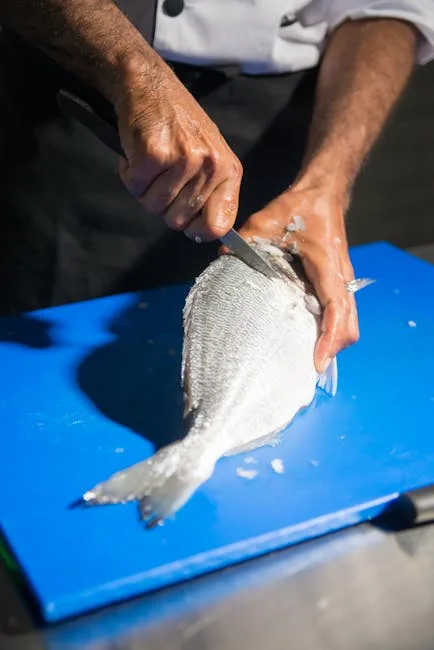
A great seafood dish starts with a flawless fillet. In Palermo, knife skills are prized: “levare i filetti” means removing bones and skin cleanly while respecting the fish’s texture. Here are techniques and Sicilian recipes where fillets play a central role.
Basic technique: use a long flexible fillet knife (coltello da pesce). Lay the fish flat, make a cut behind the head down to the dorsal bone, then follow the bone, sliding the blade to separate the flesh from the bones. To remove skin, grab the tail and slide the blade between skin and flesh at a low angle. For small sardines, they’re opened butterfly-style (a libbra): remove head and guts, press flat and take out the central bone.
Typical recipes:
- Sarde a beccafico — stuffed sardines: sardine fillets with breadcrumbs, raisins, pine nuts, parsley and lemon zest. Indicative price if bought ready: €8–12 per portion in a trattoria. Tip: soak the raisins in Marsala or white wine for extra depth.
- Spigola alla siciliana — sea bass with tomatoes: sea bass fillets cooked quickly with San Marzano tomatoes, capers, Nocellara del Belice olives and basil. Price: a restaurant dish €18–28. Tip: favor extra virgin olive oil from Trapani to perfume the sauce.
- Involtini di pesce — fillet rolls: small fillets (whiting, sole) stuffed with a breadcrumb, garlic, parsley and lemon zest filling, baked or pan-seared. In osterie a portion often costs €12–16.
Where to learn these techniques in Palermo: several schools and chefs offer hands-on workshops. For example, private classes (Cooking Class Palermo) are often held in the Kalsa neighborhood — indicative price: €60–€120 per person for a 3-hour workshop including market visit and tasting. Typical meeting point: Cooking Class Palermo (book online), sometimes gathering at Mercato di Ballarò at 08:00 to pick ingredients. Always confirm times and prices at booking.
Sicilian sauces for fish: flavor profiles and basic recipes
Sicilian sauces reveal the island’s soul: they marry salty (capers, olives), sweet (raisins, ripe tomatoes), bitter (citrus zest) and aromatic notes (basil, parsley, mint). Here are the most common sauces for fillets and how to make them at home.
- Sauce alla ghiotta: typically used for fish and rabbit, it combines peeled tomatoes (400 g), a small sliced onion, pitted olives (50 g), capers (1 tbsp), raisins (20 g rehydrated), white wine (100 ml) and olive oil (2 tbsp). Cooking time: 20–30 minutes. Local tip: add a touch of orange zest for a bright contrast. This sauce is ideal with hake or monkfish fillets.
- Salsa al limone and citrus sauce: a simple sauce of freshly squeezed lemon juice (2 lemons), olive oil, crushed garlic, chopped parsley, salt and pepper. Perfect for grilled fillets (spigola, orata). Tip: use Sicilia I.G.P. lemons when possible. Approximate home cost: €1–2 per portion in ingredients.
- Pesto di finocchietto selvatico: a pesto made from wild fennel, pine nuts, oil, garlic and pecorino (or ricotta for a milder version). Used to accompany grilled squid or pan-fried fillets. The aniseed aroma of the fennel gently lifts the white flesh.
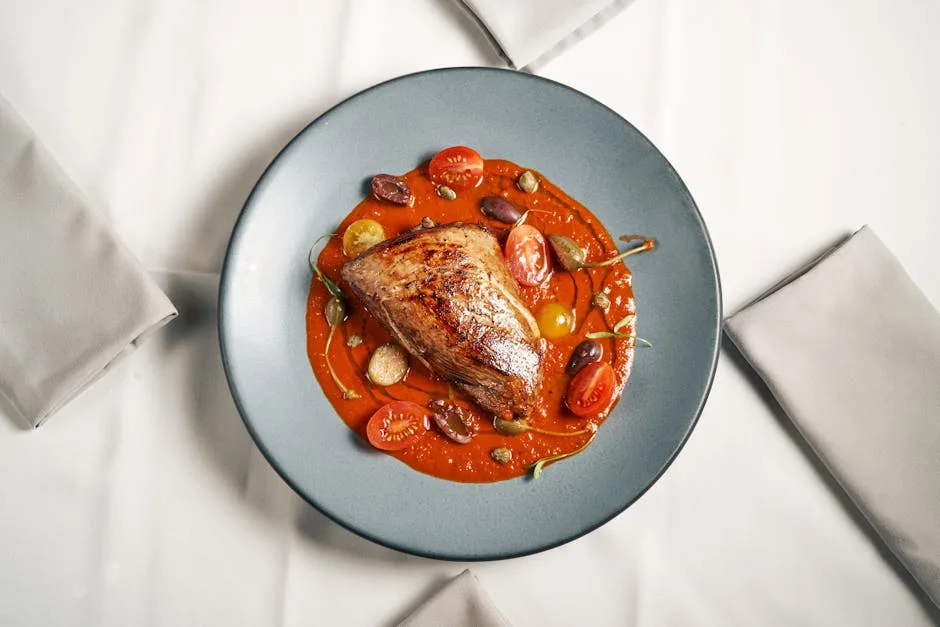
- Sugo di pomodoro con olive e capperi: a tomato sauce with olives and capers, very versatile; ideal for oven dishes like spigola alla mediterranea. In a restaurant, a portion of sauce might range €2–6 depending on preparation and ingredients.
Pairing tips: acidic sauces (lemon, tomato) wake up moderately fatty fish; sweet-and-salty combinations (raisins, capers) suit milder-tasting fish; herb-based sauces suit delicate fish. When ordering in a restaurant, always ask “come viene servito il pesce?” to know the sauce and accompaniment — this helps you choose a matching drink: a Sicilian Grillo or Vermentino pairs well with most fish.
Recommended spots to taste and learn: restaurants, osterie and schools
Palermo offers options for every budget, from market caterers to refined osterie. Here’s an immersive selection with addresses, hours and indicative prices.
- Antica Focacceria San Francesco — Via Alessandro Paternostro, 58, 90133 Palermo PA. Hours: open daily 10:00–23:00. Description: a Palermo institution where you’ll also find simple but well-made fish dishes; grilled fillets and traditional plates. Price: fish dishes €10–€18. Tip: sample the seafood antipasti for a varied starter.
- Osteria dei Vespri — Piazza Croce dei Vespri, 6, 90133 Palermo PA. Hours: Tuesday–Sunday 12:30–15:00 and 19:30–23:00 (closed Monday). Description: refined cooking in a historic setting, showcasing local products and Sicilian sauces. Price: main courses €20–€35. Reservation recommended.
- Mercato di Ballarò stalls & street food — Via Ballarò, 90134 Palermo PA. Hours: 06:00–14:00. Description: for a street-food experience, step into a rosticceria at the market and order fish arancine, tuna panini or fried sardines. Price: snacks €2–€6.
- Cooking Class Palermo (market + cooking workshop) — meeting point often at Mercato di Ballarò, online booking recommended. Hours: workshops typically 08:00–13:00 or 15:00–19:00. Price: €60–€120 per person depending on duration and inclusions. Description: perfect to learn filleting and prepare traditional sauces with a local chef.
Final tips for visiting these places: arrive between 12:00 and 13:00 for lunch if you want the local rhythm, or book dinner in advance (especially at Osteria dei Vespri). At the market, bring small change and be ready to discuss prices — good humor makes bargaining easier in Palermo. Lastly, respect seasonality and always ask about the fish’s origin: “pescato oggi?” (caught today?) is the key question.
Conclusion — Take Palermo home on your plate
Seafood in Palermo is an invitation to discovery: fillets lifted with care, complex sauces where salty, sweet, sour and bitter meet, and markets that breathe Mediterranean life. By visiting markets like il Mercato di Ballarò (Via Ballarò, 90134 Palermo PA, open 06:00–14:00), il Mercato del Capo (Via Cappuccinelli / Via Porta Carini, 90133 Palermo PA, 07:00–14:00) and the Vucciria (Piazza Caracciolo, 90133 Palermo PA, 06:00–14:00), you’ll get a hands-on sense of freshness and see the filleting techniques that make the city famous.
Learning to fillet, mastering a sauce alla ghiotta or a wild-fennel pesto not only improves your culinary skills but also helps you understand why each Sicilian bite is so strongly tied to place. For the full experience combine a market visit, a cooking workshop (indicative €60–€120) and dinner in a recognized osteria like Osteria dei Vespri (Piazza Croce dei Vespri, 6, 90133 Palermo PA) or a local institution such as Antica Focacceria San Francesco (Via Alessandro Paternostro, 58, 90133 Palermo PA).
Finally, a few practical tips: travel light but bring an insulated bag in summer, learn a few basic Italian phrases (pesce, filetto, fresco, quando è stato pescato), and respect seasonal availability. Sicily will reward you with seafood that tells the story of the Mediterranean, and Palermo, with its markets and cooks, will give you the keys to bring those flavors home. Buon viaggio e buona cucina!