





Introduction — From Market to Workshop: Palermo’s Neighborhood Food Crafts
Palermo is a city where food tells its story on the street long before it reaches your plate. Neighborhood markets, living legacies of Mediterranean cultural exchanges, are the first stage of that story: stalls piled high with citrus, freshly caught fish, aromatic herbs and leisurely pastries that condense centuries of culinary practice. But the tale doesn’t stop at the stall: it continues inside small workshops where butchers, bakers, pastry chefs and preservers apply precise techniques often passed down through families. This guide aims to take you step by step along the path that runs « from market to workshop » in Palermo’s lively neighborhoods.
I’ll lead you through the emblematic markets — Ballarò, Vucciria, Capo — before pushing open the doors of the workshops where arancine, pani câ meusa, cannoli and homemade jams are made. For each spot I give exact addresses, typical opening hours, price ranges in euros, a sensory description and practical tips for watching, tasting and, when possible, taking part. This guide is designed for the curious traveler: you’ll find not only addresses but also how to talk with butchers, how to spot fresh fish, how to identify a good cannolo shell and how to choose a workshop session suited to your skill level.
As you wander Palermo you’ll quickly see that food craft works like a circuit: the fishmonger at the market supplies the local caterer, the olive oil producer sells to the neighborhood cooperative, and the pastry chef buys fresh eggs from the same corner where cheese is sold. Understanding that network will help you buy better, eat better and, above all, experience the city differently. I’ll also share practical recommendations — best times to visit, cultural faux pas to avoid, and respectful bargaining tips — all aimed at guaranteeing an authentic immersion that honors local players.
This guide is for visitors who want more than Instagram snapshots: it’s meant to help you feel Palermo, through concrete places, precise hours and realistic prices so you can plan your trip. By the end you’ll have addresses to jot down and practical markers to turn a market stroll into a taste-maker’s experience. Prepare your senses: Palermo is loud, fragrant, colorful and generous — and its neighborhood food craft scene is the best school for understanding it.
1. Mercato di Ballarò: the neighborhood heartbeat, between stalls and small workshops
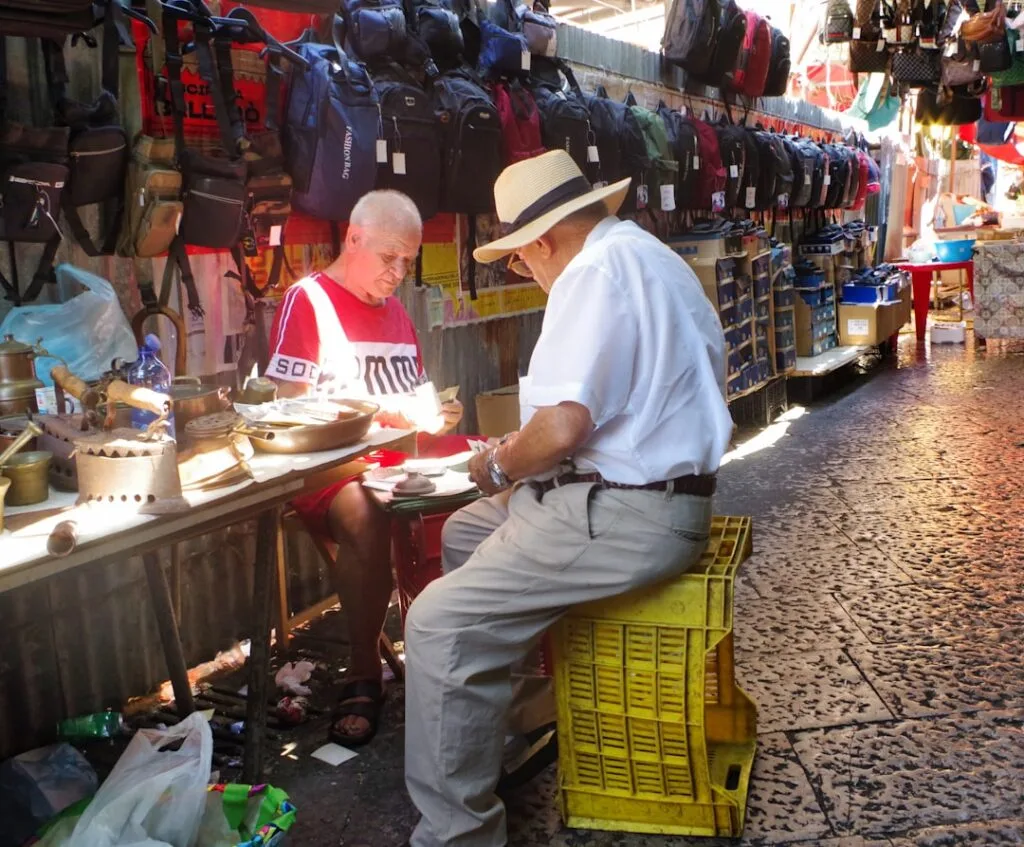
Mercato di Ballarò, stretching along Via Ballarò and around Piazza Alfonso La Marmora, 90134 Palermo PA, is the liveliest market to start your immersion. Hours: Monday–Saturday 06:00–14:00; on Sundays activity is reduced but many vendors remain open in the morning (06:00–11:00). Here you’ll find fruit and vegetable stands, fish, meat and small eateries serving up quick bites. Price guide: a kilo of Sicilian oranges €1.50–3.00; a fresh arancina portion €2.00–4.00; local fish fillet (seasonal) €10–18/kg.
The walk begins with the scent of citrus and herbs: basil, wild fennel (finocchietto) and minty mentuccia play a central role in home cooking. At Ballarò, watch how vendors cut, slice and prep on the spot: fish butchery, deveining shrimp, packing on ice. Neighborhood artisans, like traditional butchers, often have a small back-room workshop where they make cured meats and ready dishes. It’s a great chance to learn how to pick the right cut for pasta con le sarde or a lamb ragù.
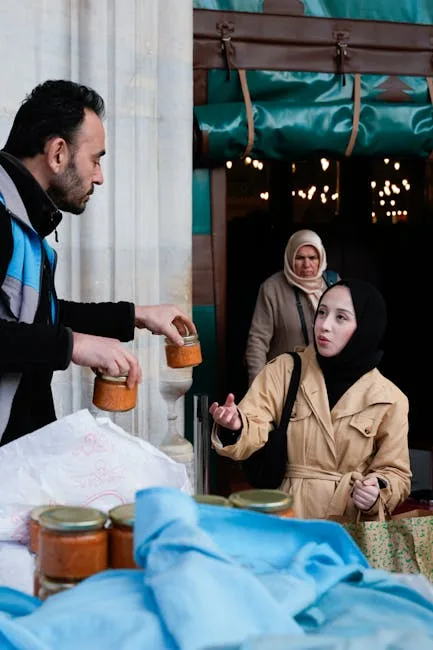
Practical tips: visit Ballarò early (between 07:00 and 10:00) to avoid crowds and catch the best picks. Don’t be shy to ask « quanto costa? » and chat a little: a smile and a few words of Italian will often open the door to small free tastings. If you’re after a short class, ask at the local products stall — they sometimes run demonstrations on sauce-making or jam production; demonstration prices typically €10–25.
2. Mercato della Vucciria and Street Food Workshops: tradition and instant eats
Mercato della Vucciria, centered around Piazza Caracciolo and Via Roma, 90133 Palermo, is smaller and often more picturesque than Ballarò. Hours: Monday–Saturday 07:00–14:00; in the evenings some bars and small taverns animate the square from 19:00 until midnight. Here the street food element is strong: pani câ meusa (spleen sandwich), stigghiola (grilled offal), pane con le panelle, and of course the ever-present arancine. Price examples: pani câ meusa €3.00–5.00; pane con le panelle €2.00–4.00; a simple cannolo €2.50–4.00.
Vucciria is also a place to discover artisans’ workshops where much is transformed on site. Look for small signs reading « laboratorio artigianale »: you’ll find fresh pasta, almond paste, traditional biscuits and jams made there. These workshops usually open in the morning and close early afternoon; typical hours 06:30–13:30. For a pastry workshop or a private demonstration (for example how to make cannoli), prices vary by length: a 90-minute class with tasting typically runs €35–70 per person.
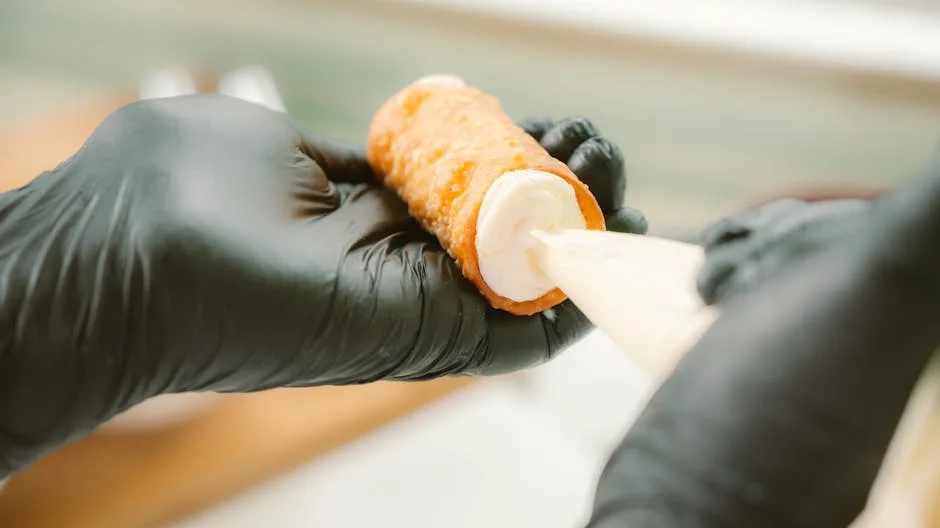
Sensory immersion: Vucciria blends the smoke of the grills, the sweet scent of fresh ricotta and the tangy notes of candied citrus. Artisans don’t hesitate to show their techniques: rolling dough, filling a cannolo, plating tiny tarts. If you want to watch production, aim to arrive around 09:00–10:00 when daily preparations are underway. Local tip: bring reusable bags for purchases — some workshops will ship dry goods, but refrigeration for fresh items is your responsibility.
3. Mercato del Capo and Preservation Workshops: oils, capers and family preserves
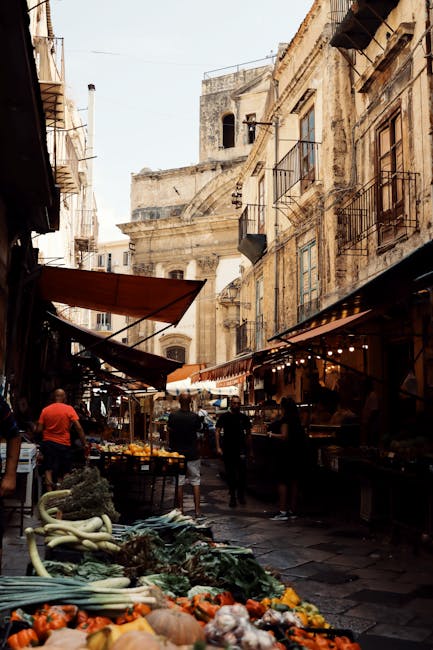
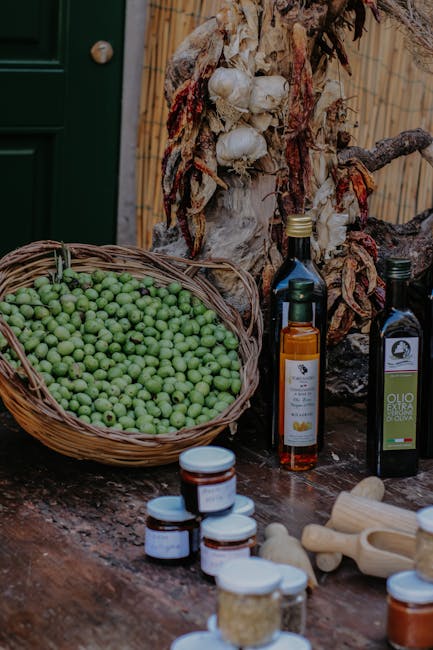
Mercato del Capo, around Via Porta Carini and Via Ruggero Settimo, 90134 Palermo, is known for preservation staples: olives, capers, canned anchovies, local olive oils and brined products. Hours: Monday–Saturday 07:00–14:30; some spice shops and jarred-goods stores stay open in the afternoon 16:00–19:00. Price guide: jar of artisanal olives (250 g) from €3.50; extra virgin local olive oil 750 ml €6.00–18.00 depending on quality; jar of capers in salt (200 g) €4.00–8.00.
Right near the market, several artisan workshops specialize in canning and processing: small oil mills, jammakers and fish preserves kitchens. These are often family-run and offer visits by appointment. For example, a typical workshop might offer a guided tour with tastings of 45–60 minutes for €15–30 per person; hands-on sessions of 2–3 hours to make your own preserve can cost €40–80.
Practical observations: time a visit to an oil mill for the morning during harvest season (October–November) to see the pressing and taste fresh oils. For fish preserves, ask to see the bottling line and check labels carefully (production date, ingredients). Local advice: buy glass jars rather than plastic, and note the producers on the labels — many ship internationally. Pack accordingly: if you bring oil home, wrap it securely (cardboard tube + bubble wrap) to avoid surprises.
4. Pasticcerie and Sweet Workshops: cannoli, cassata and family traditions
Palermo’s artisanal pastry shops are workshops where tradition meets technical precision. One must-know address: Pasticceria Cappello, Via Colonna Rotta 1, 90133 Palermo — approximate hours: 07:00–20:00 daily; prices: traditional cannolo €2.80–4.50, individual slice of cassata siciliana €3.50–6.00. Here, as elsewhere, pastry chefs start very early to prepare doughs, sweetened ricotta creams and candied fruit decorations.
These laboratories are ideal for hands-on classes: most offer half-day pastry courses focused on making cannoli or cassata. Typical rates: €45–90 per person for a 2–3 hour workshop including ingredients and tasting. A standard schedule: learning the dough and shaping, frying, preparing sweetened ricotta, assembly and decoration. Groups are limited (6–12 people) to ensure personalized guidance.
Workshop tips: wear closed-toe shoes and clothes you don’t mind getting stained; arrive 10–15 minutes early for a quick tour of the kitchen; and bring an insulated box if you plan to take fresh items home. If you’re vegetarian or have allergies, tell the workshop in advance — many traditional recipes include eggs and nuts. For a full immersion, pair a morning at the market (buying fresh ricotta, flour, sugar) with an afternoon workshop: combined costs are usually €70–140 depending on options.
Conclusion — Turning curiosity into lasting know-how
Going « from market to workshop » in Palermo is more than a gustatory stroll: it’s a way to understand and respect the local food chain. The markets — Ballarò, Vucciria, Capo — are living maps of seasons and practices. Workshops, whether pastry, preservation or butchery, give you the technical keys to decode these products. This guide has given you concrete addresses, typical hours and price ranges to plan visits and classes. But the essential part is attitude: curiosity, respect for local rhythms (arrive early, listen, ask questions) and a willingness to learn directly from the artisans.
In practice, plan market mornings (between 07:00 and 10:00) and book workshops at least 48–72 hours in advance during high season. Bring cash for small purchases — many vendors accept cash and only a few take cards for low amounts. Carry reusable bags and a cooler if you’re bringing fresh products home. And above all, practice respectful curiosity: photograph only with permission, taste with gratitude and, if you fall in love with something, support these artisans by buying their products or signing up for a class.
Palermo offers a unique neighborhood school of food: by exploring its markets and workshops you won’t just consume — you’ll learn, participate and help sustain a living culinary heritage. Whether you stay a day or a week, follow the smells, the gestures and the people — you’ll leave with flavors in your head, techniques in your pocket and, sometimes, a new circle of artisan friends.