





Introduction: A sensory dive into the heart of the Orto Botanico di Palermo
Palermo, an age-old crossroads of European, Arab and Mediterranean cultures, hides its most soothing secrets away from the urban bustle: its gardens. Among them, the Orto Botanico di Palermo (the Botanical Garden of the University of Palermo) is a verdant enigma where botanical history, scientific research and quiet contemplation meet. Located just a stone’s throw from the historic center, this space is more than a study site — it’s a captivating stroll through rare collections, water features and exotic species that tell the story of empires and trade routes that shaped the Mediterranean.
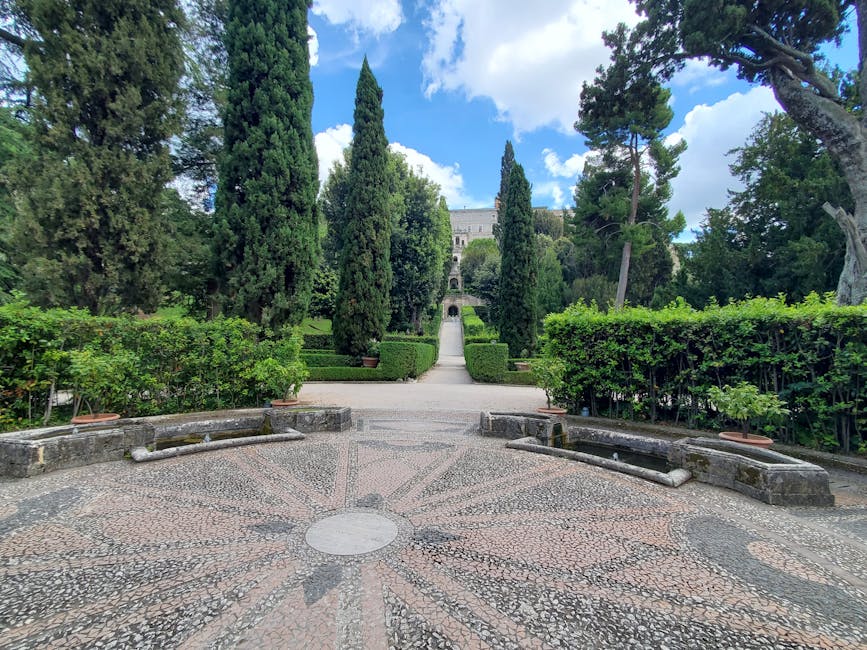
Stepping into the Orto feels like crossing a temporal boundary: majestic palms, prehistoric cycads, rustling bamboo and the historic greenhouse follow one another like chapters in a living book. Shaded paths reveal courtyards, ponds and cascades that, since the 19th century, have carried out the mission of acclimatizing plants from Africa, the Americas and Asia. This garden of the Università degli Studi di Palermo is also an educational space where students, botanists and visitors share the same curiosity: to understand plant diversity, observe adaptation strategies to the Sicilian climate and enjoy the attention to detail in how the plants are presented.
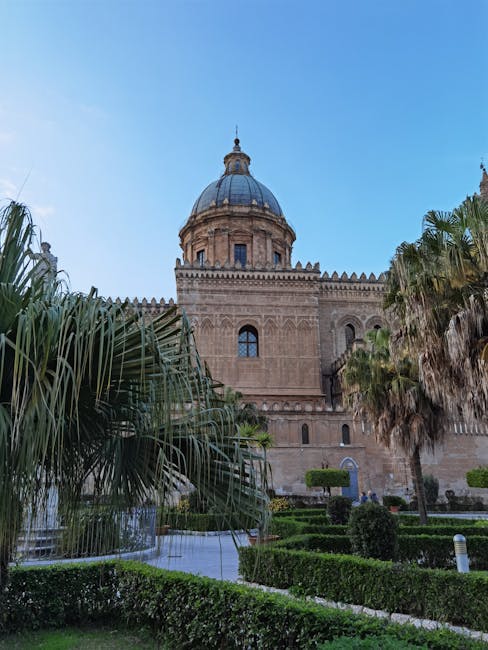
In this botanical walk I offer an immersive guide: suggested routes to spot the most remarkable species, practical information (addresses, opening hours, prices) to plan your visit, and photography and seasonality tips so you won’t miss peak blooms. You’ll also learn how to fold the visit into a wider cultural route — from the Cattedrale di Palermo to Piazza Pretoria — making your day a complete experience that blends nature and heritage. This text is aimed equally at the curious traveler and the amateur naturalist: I describe not only visible features (shapes, colors, scents), but also local uses, historical anecdotes and practical tips to experience the city like a local.
Pack comfortable shoes, a hat and a water bottle: the Orto Botanico di Palermo invites a slow exploration, dotted with botanical surprises and shaded panoramas. Here’s our complete guide to make the most of this green lung of Palermo.
History, architecture and collections: understanding the garden’s soul
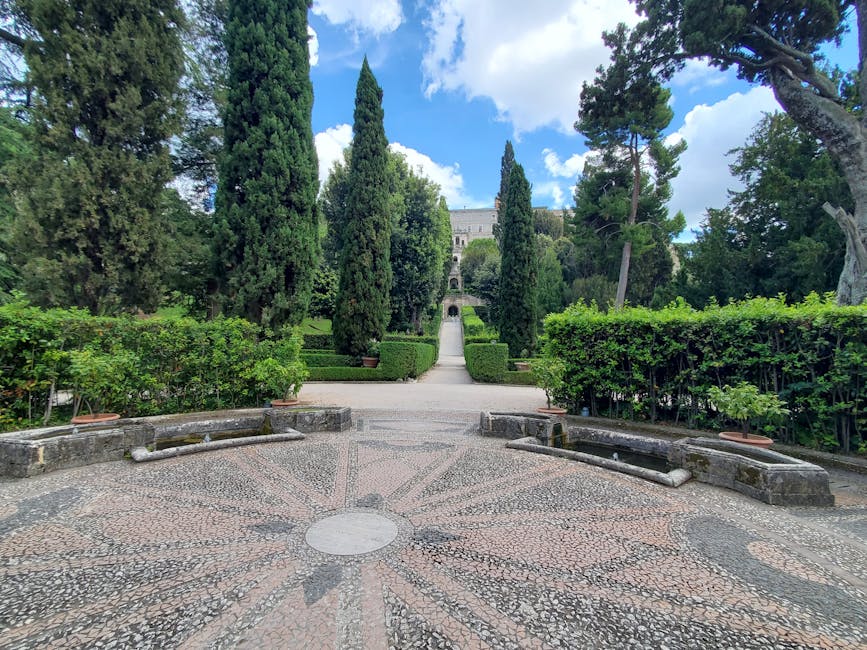
The Orto Botanico di Palermo, officially founded in the 18th century and significantly reorganized in the 19th century, today belongs to the Università degli Studi di Palermo. Address: Orto Botanico di Palermo, Via Lincoln 2A, 90133 Palermo, Italia. The garden was originally laid out to meet a scientific need: to acclimatize exotic plants for agricultural and medical studies, and to expand contemporary knowledge of pharmacology and colonial resources. The layout is a typical mix of European geometry and romantic landscaping, with greenhouses, ponds, compacted-earth paths and tree groups that create microclimates and welcome shade.
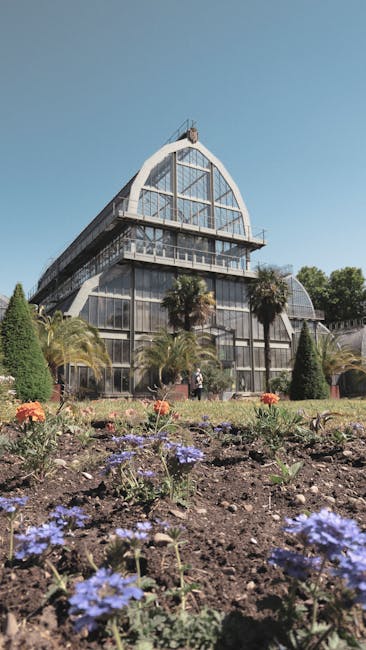
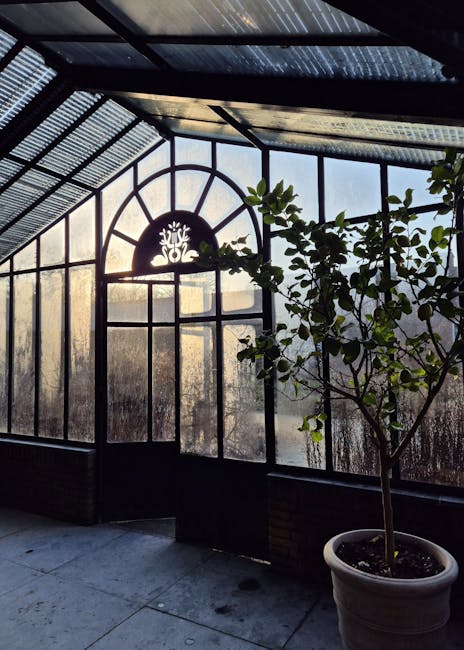
Among the notable structures, don’t miss the historic greenhouse and the large temperate greenhouse, often classified as academic heritage. The Serre Storiche (Historic Greenhouses) house collections of succulents, orchids and tropical species that require controlled humidity. The Palm Garden (Palmetum zone) is a grand avenue where Phoenix dactylifera, Washingtonia filifera and rare endemic palms live side by side. Nearby, the cycads (Cycadaceae) speak of a plant history that predates the angiosperms, giving visitors the sensation of diving into a botanical prehistory.
The themed collections include sections of medicinal plants (Medicinae), tropical plants, local Mediterranean species and a significant cactus and succulent collection. Every bed or information panel provides taxonomic details and traditional uses; these notes are valuable to photographers, herbalists and families. The garden also plays an active scientific role: research labs, seed exchange and conservation programs for threatened species. For the curious, themed guided tours are sometimes offered by the Università degli Studi di Palermo, focusing on historical botany or sustainable horticulture.
Standout species and blooms you won’t want to miss
The Orto’s richness lies in the variety of species that showcase remarkable adaptations. For a successful visit, here are the species and areas to seek out, with tips to identify and appreciate them:
- Cycadaceae (Cycads): these living fossils, recognizable by their short trunk and stiff fronds, have an almost Jurassic silhouette. Look for century-old plantings near shaded sections; the rough texture of the trunk and the spiral arrangement of the leaves make for striking photographic patterns.
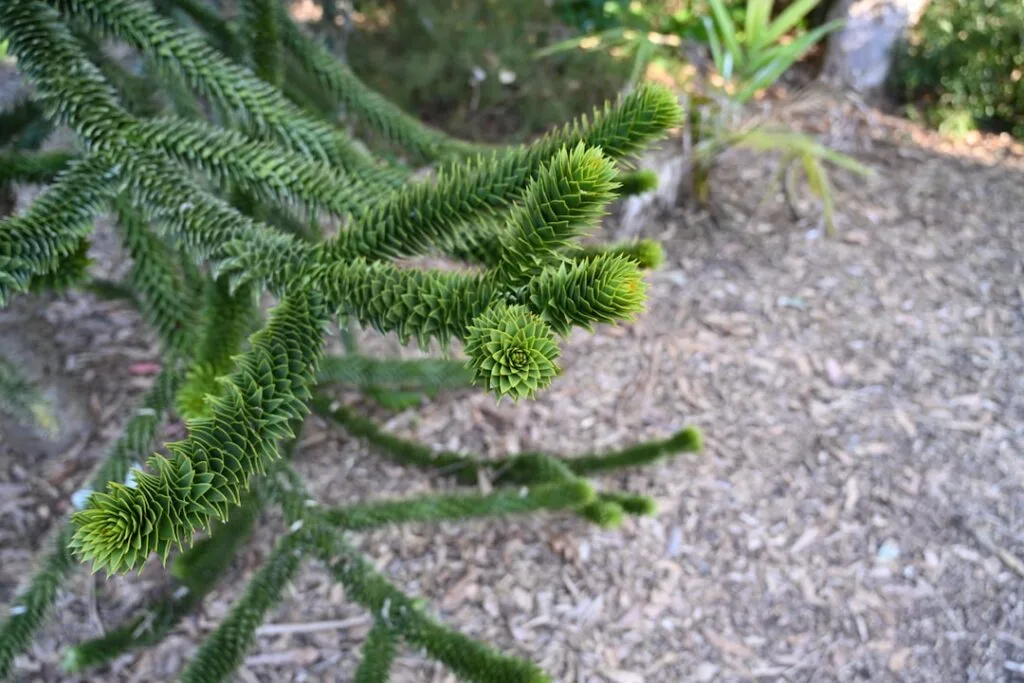
- Historic palms: notably Phoenix canariensis and Washingtonia filifera along the main avenue. In late afternoon, the low light highlights the palm crowns and casts long shadows — perfect for composing dramatic shots.
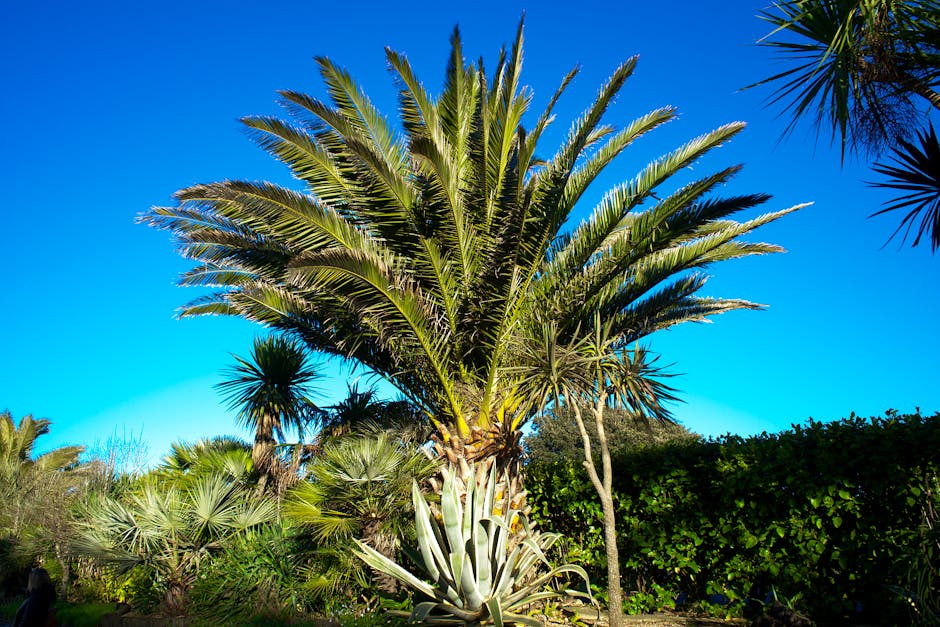
- Orchid greenhouse: blooms are sporadic depending on the season; labels show scientific names and origins. Orchids can give off subtle fragrances in the morning; move in slowly to catch these delicate details.
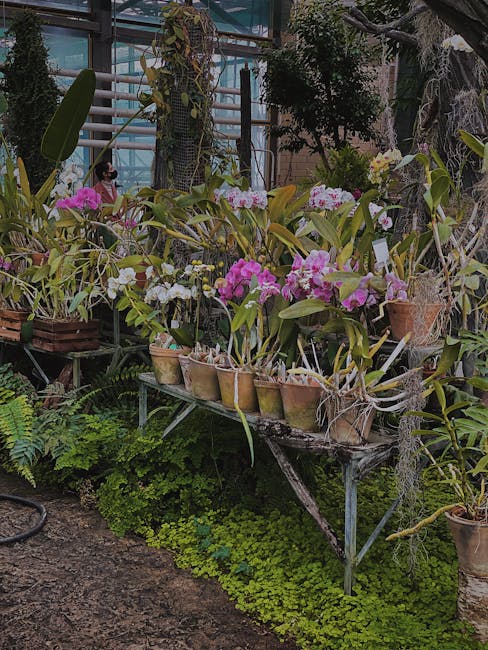
- Cacti and succulents: textures, spines and spectacular spring blooms. Pay attention to signs indicating protected species; avoid any contact.
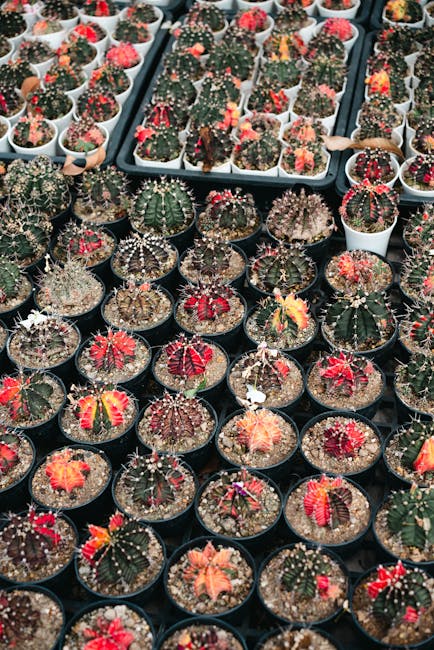
- Medicinal and aromatic plants: rosemary, lavender and traditional Sicilian herbs — perfect for understanding local culinary and therapeutic uses. The scent of sage or rosemary under the sun is striking.
Timing: Palermo’s botanical high season runs in spring (March–May) for Mediterranean blooms and early autumn (September–October) for a second wave. Palms and conifers are impressive year-round, but the most colorful variety peaks in spring. Photography: favor the golden hours (sunrise and late afternoon) for richer contrast and a softer atmosphere. Recommended gear: a macro lens for flowers and insects, a modest wide-angle for avenues and the greenhouse, and a lightweight tripod if you want to do long exposures of the ponds.
Practical visit info: hours, prices, routes and local tips
Before you go, here are essential practical details to plan your botanical stroll at the Orto Botanico di Palermo:
- Exact address: Orto Botanico di Palermo, Università degli Studi di Palermo, Via Lincoln 2A, 90133 Palermo, Italia.
- Opening hours (subject to seasonal changes): generally 9:00 AM–5:00 PM in the low season and 9:00 AM–7:00 PM in summer (April–September). Ticketing closes 30 minutes before the garden closes. It’s advisable to check hours on the official Università degli Studi di Palermo website or call ahead.
- Admission prices: adult entry around €6, reduced rates (students, seniors) about €4; free for very young children and school groups by reservation. Guided tours and events may have separate fees (e.g. themed tours ≈ €8–€12). Prices can change: bring some cash and a bank card.
- How to get there: from Palermo’s historic center, take Via Vittorio Emanuele or Via Maqueda and follow public transport; several bus lines stop near the university area. Walking from Piazza Verdi/Teatro Massimo takes about 15–20 minutes depending on your pace. Parking nearby is paid and limited: favor public transport or a bike.
Local tips for the best experience:
- Arrive early in the morning to avoid summer heat and take advantage of soft light for photos. The garden is cooler in the morning and wildlife (birds, insects) is more active.
- Bring a reusable water bottle: fountains are sometimes available, but it’s best to have your own supply. In summer, wear a hat and sunscreen; many paths are shaded, but some sections are exposed.
- Respect signs and barriers: some plants are protected and fragile. No picking, no food near the collections and no pets without authorization.
- Combine the visit with a cultural route: from the Orto, walk to Teatro Massimo (Piazza Verdi, 90138 Palermo), Cattedrale di Palermo (Corso Vittorio Emanuele, 90040 Palermo) and Piazza Pretoria (Piazza Pretoria) for a day full of contrasts between nature and heritage.
Conclusion: why the Orto Botanico is a must-see in Palermo
The Orto Botanico di Palermo is more than a garden: it’s a cultural institution, a living laboratory and a refuge where every species tells a story of exchange, adaptation and aesthetics. Its proximity to the historic center makes it an easy add-on to any itinerary: a few steps can take you from the market buzz of Ballarò to the silent avenues of century-old trees. The garden delivers a multisensory experience — the texture of bark, aromatic scents, the rustle of leaves — that soothes and educates at once.
Highlights for visitors include botanical diversity (palms, cycads, orchids, succulents), historic greenhouse architecture, and the scientific dimension that keeps the garden alive beyond mere aesthetics. Families will enjoy the open space for a stroll, photographers will find endless compositions and light effects, and plant lovers can deepen their knowledge thanks to informative panels and guided tours. The practical advice shared — hours, prices, recommended gear — helps tailor your visit to the season and your interests.
Finally, be sure to fold the Orto into a full Palermo circuit: after your visit, treat yourself to cannoli from a local pasticceria, wander to the Cattedrale di Palermo (Corso Vittorio Emanuele, 90040 Palermo — opening times vary, cathedral entry is free or a small fee to access the rooftop around €3–€5), then admire the Renaissance fountain at Piazza Pretoria (Piazza Pretoria) and the baroque ensemble of the Quattro Canti (Piazza Vigliena). These contrasts between nature and stone, calm and urban spectacle, make Palermo a city where every turn brings a discovery.
Whether you’re stopping by for a half day or staying longer, dedicating time to the Orto Botanico di Palermo is a promise kept: a breath of fresh air, a lesson in natural history and a visual album to take home. Take the time to observe, note names, smell and, above all, come back with the seasons — the garden changes, just like your discoveries.