




Introduction: When the Stones Speak — Palermo’s Giudecca Between Silence and Memory
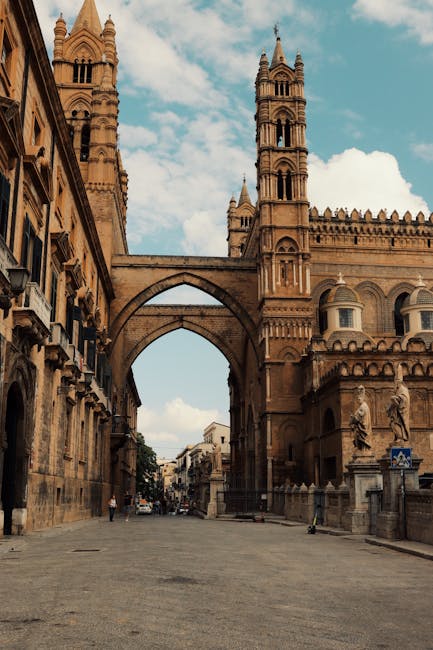
The Giudecca of Palermo isn’t a closed museum or a route plastered with explanatory panels: it’s a living urban fabric where traces of the medieval Jewish community show up in wall fissures, under house thresholds, in the layout of narrow streets and sometimes as relocated or repurposed stone fragments. Nestled in Palermo’s historic core, the Giudecca (or “Quartiere ebraico”) presents a geography of discreet remains — erased inscriptions, migrated stones, niches, wells, and street topographies that reveal an old communal life. Understanding these clues takes time, a careful eye and a dash of historical imagination: the stones do speak if you take the time to listen.
This general guide aims to be a well-documented, practical introduction for anyone wanting to explore the hidden Jewish remains of Palermo’s Giudecca. It’s written for the curious traveler: you’ll find concrete landmarks (place names, addresses, opening hours, prices when available), immersive descriptions to help you spot traces on the ground, local tips on how to interact respectfully with a lived-in neighborhood, and suggestions for extending your visit to nearby museums or markets. The goal isn’t to produce an exhaustive archaeological inventory, but to open a door: how to recognize, in the field, the signs of a once-significant and now-fragmentary presence.
Throughout this text you’ll encounter emblematic places in Palermo’s urban fabric — La Kalsa, the Cassaro (Via Vittorio Emanuele), the Capo market, and certain churches that over centuries have occupied buildings with complex layers — plus specific addresses where access is possible. Jewish remains in the Giudecca are often part of private property or interior courtyards, so respect for residents and basic civic caution are essential: photograph without disturbing, ask permission before entering, and favor daytime visits. Several stone fragments and architectural elements are also displayed in nearby regional museums: the Archaeological Museum of Palermo and the Galleria Regionale Palazzo Abatellis provide crucial context to reframe what remains in situ.
Finally, this guide offers practical advice: walking routes, indicative opening times (some sites are freely accessible 24/7, others follow public building hours), prices in euros, and recommendations for local services — guides, historical bookstores, or cafés where you can leaf through old atlases. Expect to walk lanes where asphalt gives way to uneven cobbles, to read mute plaques, and occasionally to discover, behind a gate, a reserved memory: an engraved stone, a planted tree, or an abandoned niche. Stones seldom speak for themselves; they need a guide to make them resonate. This guide aims to be that intermediary between you and Palermo’s Giudecca.
1) The Topography of the Giudecca: Urban Landmarks and a Suggested Route
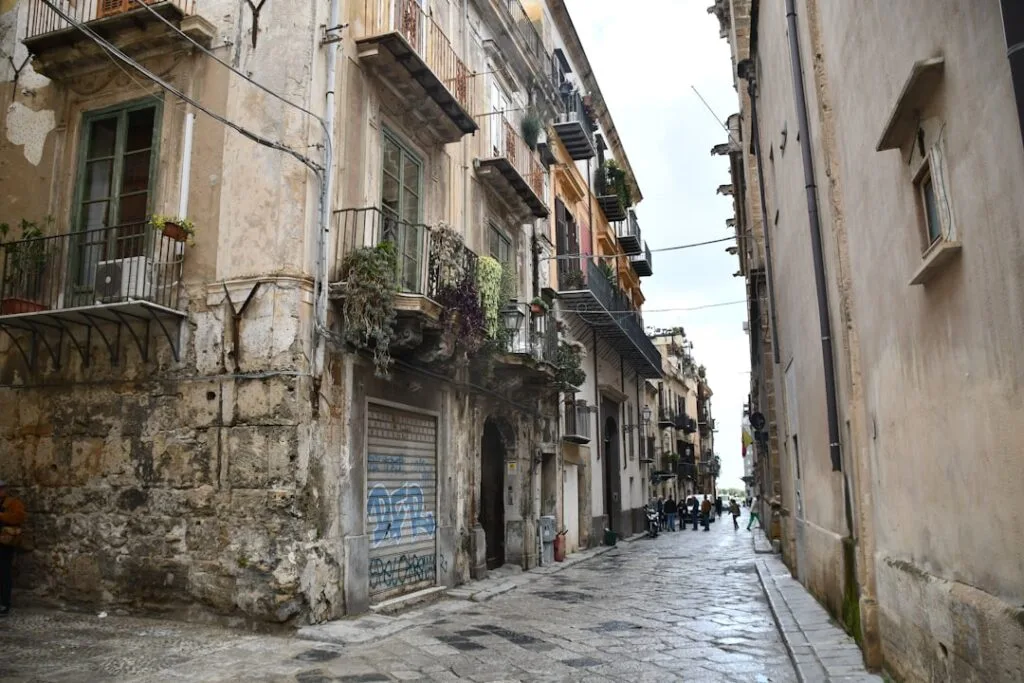
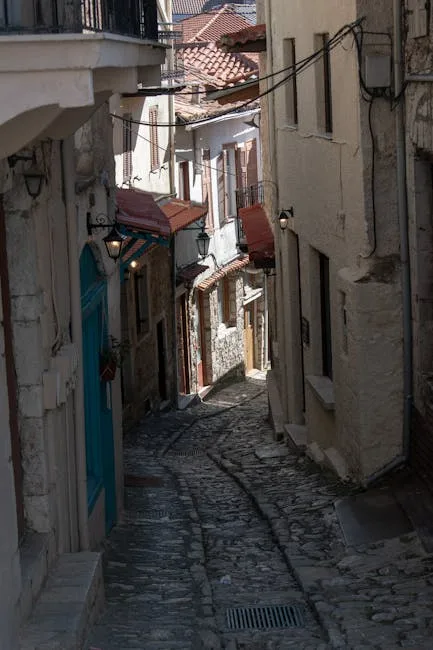
Start by getting a sense of the area: the medieval Giudecca of Palermo sits within the central fabric, between the Cassaro (today Via Vittorio Emanuele) and the La Kalsa neighborhood. The suggested route for a first approach begins at Piazza Marina (Piazza Marina, 90133 Palermo) and heads toward the Kalsa, crossing via Teatro Massimo / Via Maqueda, then moves on toward the Capo market. The lanes around Via Alloro and Via Vittorio Emanuele are particularly rich in layers: reused sections of ancient walls, vaulted arches, and former interior courtyards that hint at vanished social networks.
Detailed route (on foot, 2–3 hours):
- Start: Piazza Marina (90133 Palermo) — a tree-lined square, perfect for orienting yourself to the general topography.
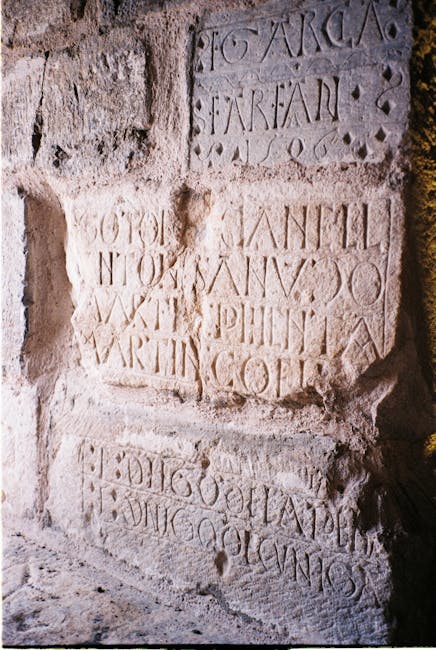
- Walk toward Via Alloro (Alloro, 90133 Palermo) and study the façades of the palazzi: many reused stones and Latin inscriptions are sometimes visible at street level.
- Cross Via Vittorio Emanuele (the Cassaro) and dive into the alleys of the Kalsa: here you’ll spot tiles, wells and niches that recall a dense, ancient form of habitation.
- Finish at Mercato del Capo (Via Cappuccinelle / Via Beati Paoli, 90133 Palermo): a lively market that partly replaces the neighborhood’s old economic functions.
Access and hours: most of the route is freely accessible 24/7, but visiting between 9:00 and 18:00 is recommended for safety and to ensure shops are open. Mercato del Capo generally operates from about 6:00 to 14:00 (times vary by stall). Cost: the walk is free; budget 0–5 € for a coffee or snack at the market.
Practical Tips for Reading the Topography
– Bring a small flashlight to illuminate worn inscriptions or shadowed wells.
– Respect private homes: if a portone is closed, don’t force your way in; knock politely and explain your interest. In Italian, you can say: « Buongiorno, sono uno studioso/viaggiatore interessato alla storia della Giudecca, sarebbe possibile vedere la corte? » (Good morning, I’m a researcher/traveler interested in the history of the Giudecca; would it be possible to see the courtyard?)
– Carry a printed map of the old town (available at the tourist kiosk, Piazza Politeama) to help you locate layers and compare observations on-site.
2) Visible Remains and Stone Fragments: Where to Look and What to Seek
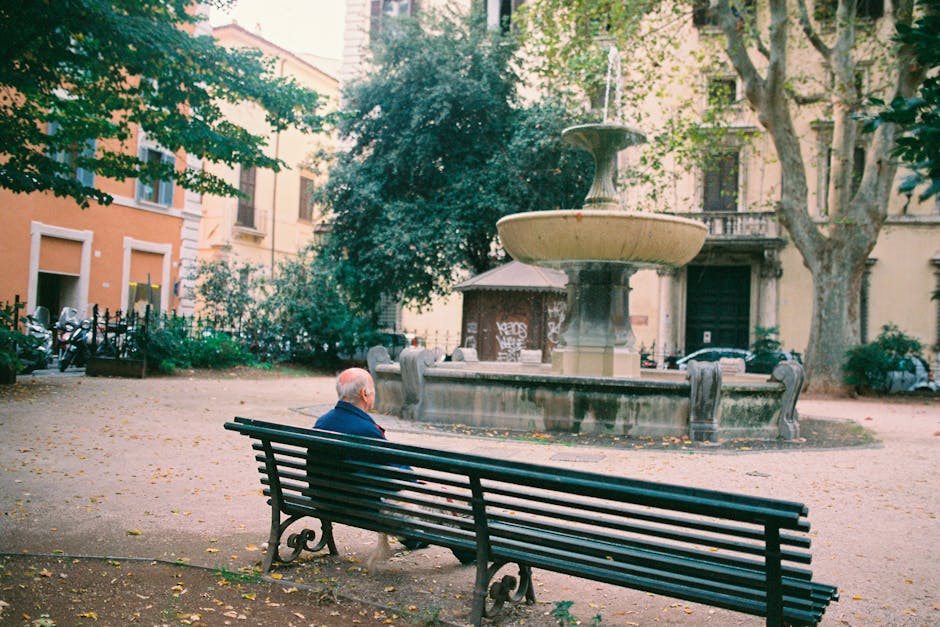
Jewish traces don’t always appear as a labeled « synagogue » building. In Palermo they are mainly material and integrated into façades and courtyards. Look for: carved lintels, reused stone plaques, stones with erased Hebrew markings, or simply the bolt holes that once held gates and communal systems. In several buildings you’ll notice lintels that don’t match the surrounding architecture — signs of reused elements, sometimes with Judaic origins.
Examples of observation points:
- Vicolo della Giudecca (a small historic alley, Kalsa / Cassaro sector) — generally open to the public, approximate address within the historic district 90133 Palermo. Look for small lintel inscriptions and bricked-up niches at door level.
- Internal corti (private courtyards around Via Alloro and Via del Vicario) — several retain old wells and stone benches that suggest a courtyard-centric communal life.
- Façades of palazzi near Via Maqueda (Via Maqueda, 90133 Palermo) — visible reuses at street level; watch for carved stones embedded in the walls.
Hours and access: most elements can be seen from the street at no cost. Some fragments are inside private courtyards; observing them may require a polite access request (often granted during the day). Cost: free, unless you hire a private guide (recommended fee 50–100 € for a 2–3 hour visit depending on expertise).
Interpreting the Stones
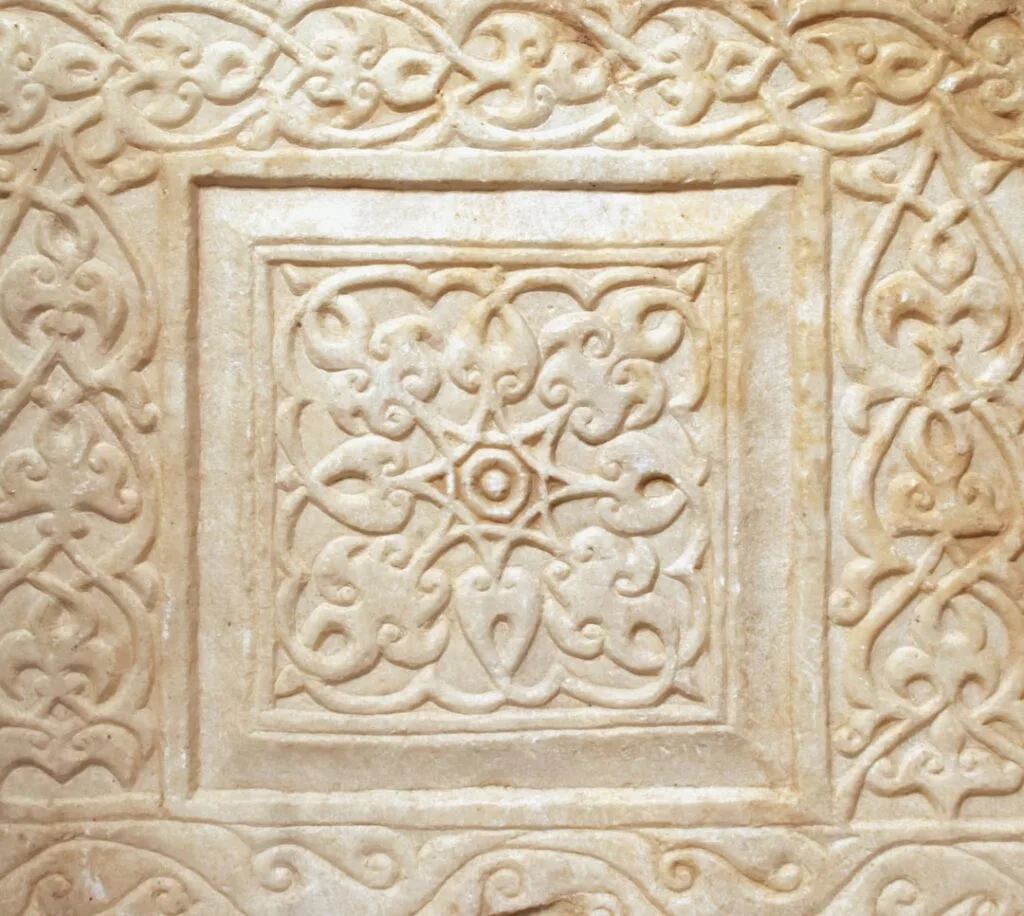
Every stone carries signs of use: burn marks, reuse, old graffiti, mason’s marks. Interpretation requires caution: a symbol could be Christian, Jewish, or purely decorative. Work with a historical guide or local archaeologist if you want a scientific reading. For independent surveying, note repeated motifs (e.g., aligned niches, communal wells): spatial repetition often indicates organized communal functions. Keep dated photos and situational notes to cross-check later with bibliographic sources (regional library, historical archives).
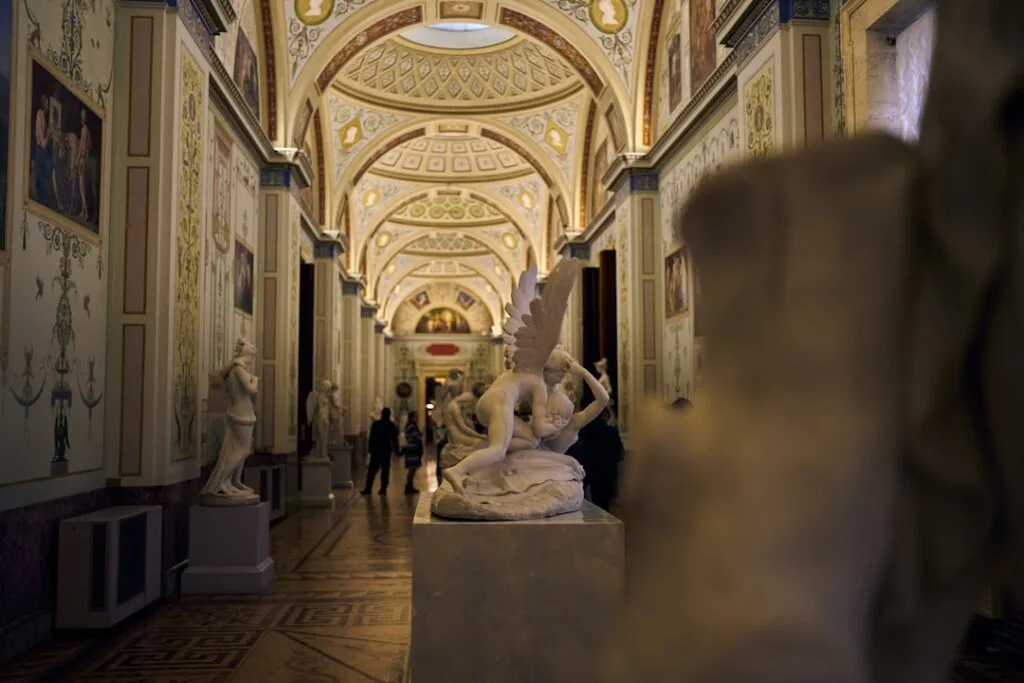
3) Museums, Archives and Cultural Resources to Deepen Your Understanding
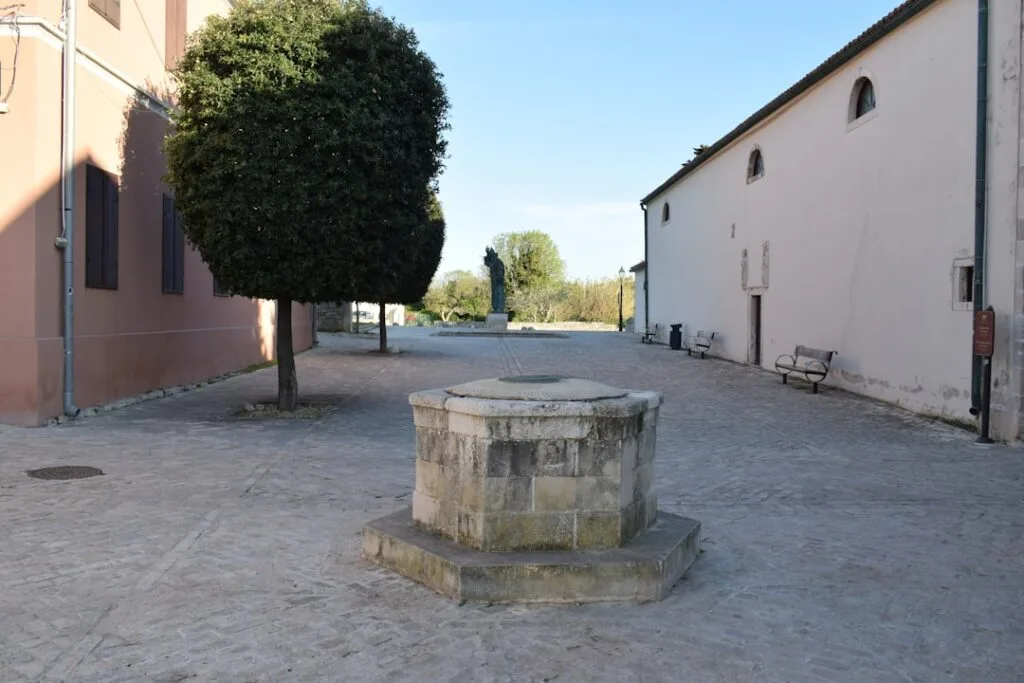
To place the remains into a historical frame, it’s essential to consult local collections and archives. Two major public sites in Palermo offer useful context:
- Galleria Regionale della Sicilia – Palazzo Abatellis, Via Alloro 4, 90133 Palermo. Hours: typically 9:00–19:00 (closed Monday, check before you go). Admission: around 8–10 € (reduced 4–6 €); free entry may apply under regional rules. The palace houses medieval works and architectural fragments that help reconstruct Palermo’s medieval urban décor.
- Museo Archeologico Regionale « Antonino Salinas », Piazza Olivella 24, 90133 Palermo. Hours: 9:00–18:00, closed Monday (confirm times). Admission: roughly 6–10 € (discounts for students/young visitors). The museum preserves reused elements, inscriptions and objects from urban contexts, essential for understanding the materiality of the Giudecca.
Accessing archives: the Biblioteca Comunale di Palermo (Via Vittorio Emanuele / Piazzetta) and the Archivio di Stato di Palermo hold archival documents, notarial records and old maps. For targeted research, book an appointment about a week in advance. Fees: consultation is often free or low-cost; reproductions typically cost around 0.10–0.50 € per copy depending on the service.
Local tip: book a themed guided tour focused on medieval Jewish history. Several licensed guides offer specialized tours (search via the Associazione Guide Turistiche Palermo). Indicative fee: 60–120 € for a group of 1–4 people for 2–3 hours, with guides available in Italian, English, or French upon request.
4) Encounters, Markets and Living Memory: How to Extend Your Visit
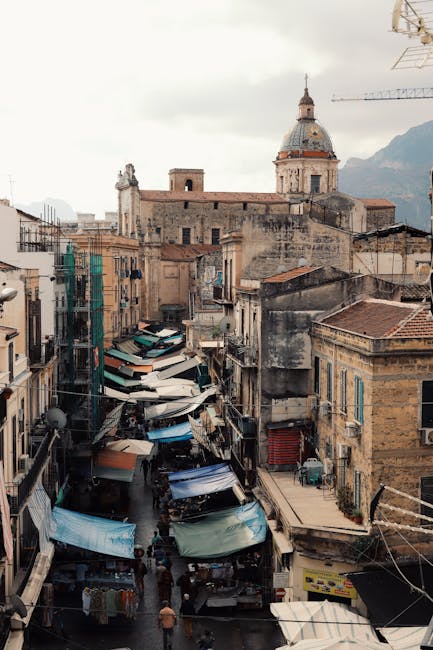
The Giudecca isn’t just dead material remains: it participates in contemporary practices, popular markets and memory initiatives. Mercato del Capo (Via Cappuccinelle / Via Beati Paoli, 90133 Palermo) is an ideal place to feel the continuity of commercial life that has crossed centuries. You’ll find fish, vegetables, spices and small trattorie where you can sample Palermo’s cuisine.
Hours and cost: Mercato del Capo is busiest in the morning (6:00–14:00). Admission is free; budget 5–15 € for a snack or a light lunch. Tip: visit in the morning for peak atmosphere, and keep an eye on pickpockets during busy hours.
Memory events: local cultural associations occasionally organize themed walks, talks and temporary exhibitions. Check with the Palermo tourist office (ufficio turistico di Palermo, Via Maqueda / Piazza San Domenico) or the Regione Sicilia cultural calendar. Participation is often free or low-cost (5–15 €).
Local etiquette for acting in the neighborhood:
- Learn a few polite Italian phrases — a smile and a “grazie” often open interior courtyards and doors.
- Respect daily life: avoid intrusive photos inside private homes and don’t climb on old structures for pictures.
- Support local businesses: buying a coffee or a small souvenir helps create a positive exchange between visitors and residents.
Conclusion: Hear the Stone, Respect the Memory
Exploring Palermo’s Giudecca isn’t just about ticking off a spot on a travel map: it’s learning to read the layers of a city where populations have succeeded, been absorbed, displaced, or transformed the space. Jewish remains are often silent, fragmentary and scattered — they demand patience, an informed eye, and an ethical approach to visiting. This guide aimed to provide concrete signposts (addresses, hours, prices) to enable an independent exploration, while stressing the need for specialized accompaniment when interpreting stone fragments or accessing private courtyards.
Practical reminders: most remains are visible for free from public ways, but the best clues are sometimes inside private courtyards or museum collections (Palazzo Abatellis, Museo Salinas). The markets and surrounding streets (Mercato del Capo, Via Maqueda, Piazza Marina) offer a living panorama of the neighborhood and a sense of urban continuity. For deeper study, consult local libraries and archives, or hire a specialist guide. Above all, the memory of the Giudecca isn’t only for historians: it gains meaning through respect for the places and the people who still live in these streets.
When you leave the Giudecca, take your notes, your carefully-taken photos, and above all an enlarged awareness: Palermo’s stones speak, but they often need a sensitive, attentive interlocutor. May your visit be respectful and enriching, and may it inspire you to read other cities in the language of stones — silent works, stubborn witnesses to a plural memory.