




Palermo After-Dark: Hands-On Street Food Workshop
Introduction
Palermo is a city that hits your senses on every corner: citrus and frying aromas, ornate baroque facades, laughter echoing down alleyways, and the distant calls of hawkers. In the heart of this happy cacophony, Palermo’s street food scene is central to the city’s nightlife. An evening street food workshop here is more than a cooking class: it’s a cultural and sensory plunge, a friendly, hands-on way to learn, taste with context, and leave with recipes, stories, and new friends. As night falls, the city shifts — daytime markets become gathering spots, fish stalls give way to panelle and arancine stands, and the golden glow of streetlights turns cobbles into inviting textures.
An evening Palermo street food workshop doesn’t just teach techniques: it tells the stories behind the dishes — the Arab, Norman and Spanish influences that shaped local flavors — and explains the practical need across centuries to feed people with affordable, easy-to-make, and delicious recipes. You’ll typically make classics like arancina (stuffed rice ball), panelle (chickpea fritters), pane ca’ meusa (milza sandwich), and sfincione (Sicilian-style pizza). Every recipe has regional twists, and the workshop is a chance to explore those differences — for instance, ragù-filled arancine in eastern Sicily versus the butter-and-mozzarella version typical of Palermo.
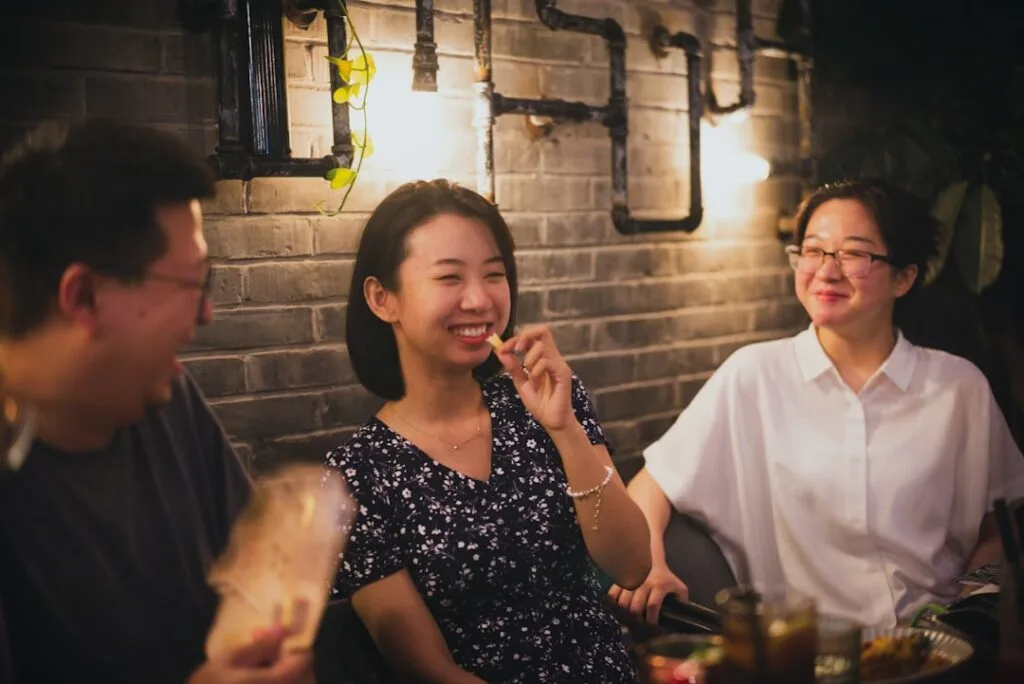
At night the vibe becomes more intimate and conversation-friendly: instructors share family memories, techniques are shown in small groups, and participants taste while standing, just like locals, in an easygoing atmosphere. Workshops are often held near iconic spots — Mercato di Ballarò, Mercato del Capo, or a street close to Teatro Massimo — so the evening can finish with a tasty walk. The smell of frying, the clink of plates and warm human energy turn learning into an unforgettable experience. People leave with recipe sheets, tips on where to find ingredients in Palermo and across Europe, and often an irresistible urge to come back and dive deeper into local gastronomy.
Typical schedule and practical info
An evening Palermo street food workshop usually lasts between 2.5 and 3.5 hours. Most classes start around 6:30–7:00 PM to catch the transition from day to night and to give participants time to stroll the nighttime markets or historic streets afterward. Here’s a typical timeline:
- 6:30 PM – Welcome: Meet in front of Mercato di Ballarò, Piazza Carmine, 90134 Palermo. The host greets the group, hands out aprons and introduces everyone (groups typically range from 10–16 people).
- 6:45 PM – Market walk & shopping: Guided tour of Mercato di Ballarò’s stalls to pick fresh ingredients: rice (Carnaroli or Arborio), chickpea flour, Sicilian lemons, pecorino, and seasonal vegetables. Practical tip: bring a tote bag and some cash — many vendors only accept notes and coins. Indicative cost: €5–15 for shared ingredients.
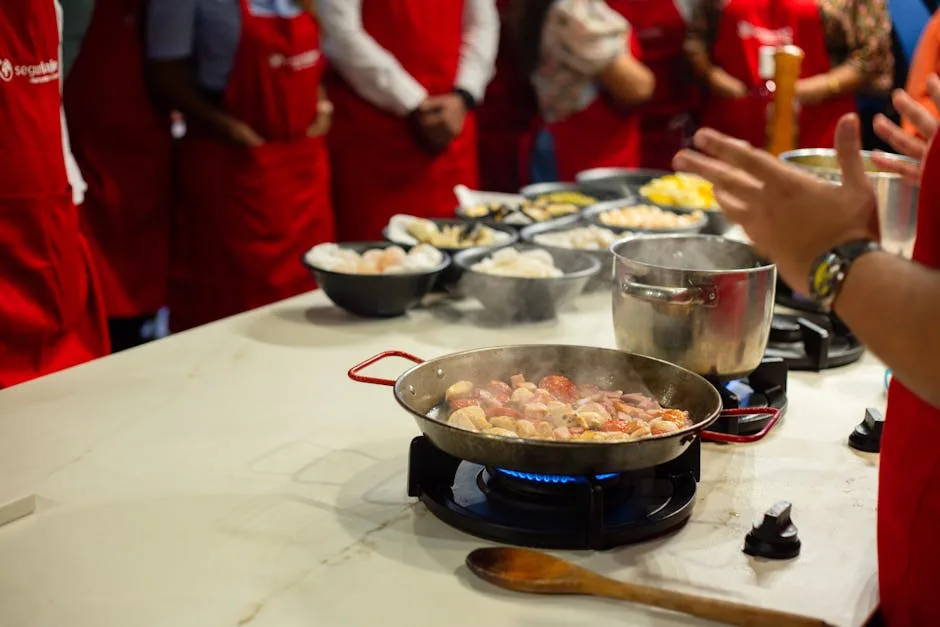
- 7:15 PM – Setup & demo: Return to the workshop space (often a small courtyard or shared kitchen nearby, e.g. Officine Culturali – Via Sant’Agostino 21, 90133 Palermo). The chef demonstrates frying techniques, forming arancine and how to cook sfincione. Venue hours: often 6 PM–11 PM for private events (check your booking).
- 7:45 PM – Hands-on cooking: Participants prepare their own arancine and panelle under supervision. Each station is stocked with olive oil, a fryer or pot, spatulas and a thermometer. Price per person: €35–65 depending on what’s included (recipes, drinks, tasting). For a private session, budget around €250–450 for the group.
- 8:45 PM – Shared tasting: Standing tasting paired with local wines (Nero d’Avola, roughly €4–7 per glass if shared) or non-alcoholic options. Hosts explain pairings and trade historical anecdotes.
- 9:15 PM – Post-workshop food crawl: Short walk to popular late-night street food spots like Ke Palle (Via dei Cassari, 159, 90133 Palermo) or Antica Focacceria San Francesco (Piazza San Francesco d’Assisi, 6, 90134 Palermo) to compare and extend the experience.
Practical tip: book online 2–3 days ahead in low season, and 1–2 weeks in high season (May–Sept). Ask about vegetarian options (panelle without lardons, vegetable arancine) and flag any allergies. Bring an international adapter if you’ll be using appliances, and wear clothes you don’t mind getting a little splattered — frying can spit a few drops.
Dishes you’ll make and techniques covered
The highlights of an evening Palermo workshop are chosen for accessibility, history and instant deliciousness. Expect to make and taste at least three traditional preparations:
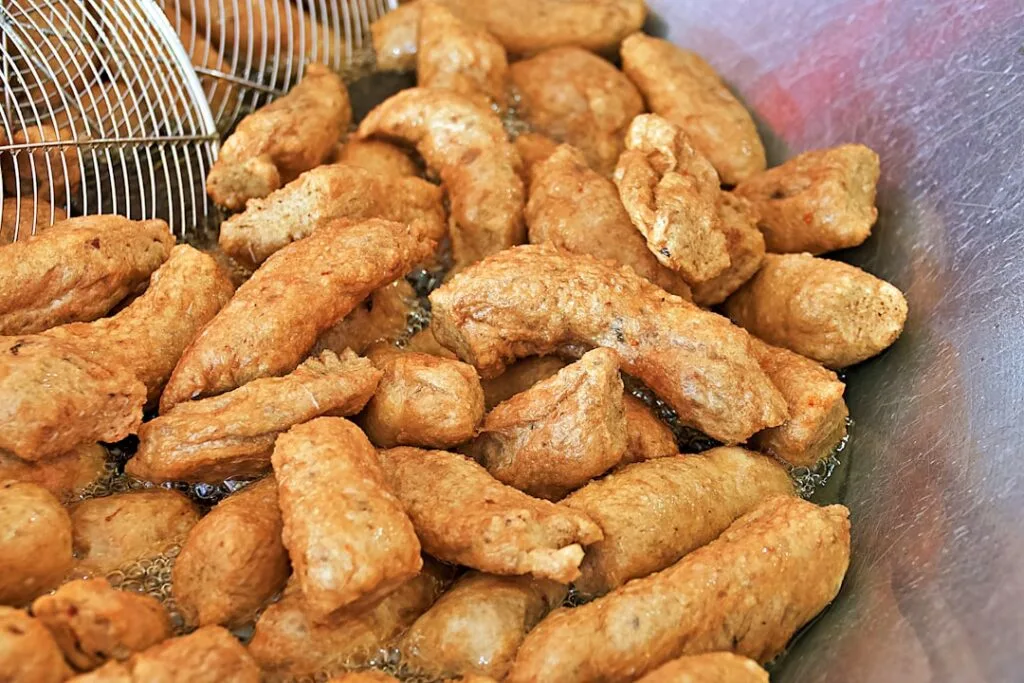
- Arancina / Arancino: Stuffed rice balls (ragù with peas and cheese, or the Palermo-style butter version with mozzarella). Technique: cook the risotto or rice, bind with butter and parmesan, shape by hand, coat (flour, egg, breadcrumbs) and fry at 170–180 °C. Prep time: 45–60 minutes. Ingredient cost per piece in the workshop: about €1.50–2.50.
- Panelle: Chickpea flour patties — cooked into a batter, sliced and fried. Local tip: add chopped fresh parsley for brightness. Fry until golden, about 3–4 minutes per side. Often served in warm bread. Ingredient cost: roughly €0.50–1 per portion.
- Pane ca’ meusa: The classic milza (spleen) sandwich — a true Palermo specialty. For newcomers, workshops often offer a vegetarian version using seitan or mushrooms to replicate the texture and sauces (caciocavallo, lemon). This dish is a deep-dive into local taste and tradition — the class also covers storage and subtle cooking differences.
Other techniques include making sfincione (onion-topped Sicilian focaccia), safe frying practices, temperature control, and quick dessert ideas like express cannoli filled with sweetened ricotta. Hosts also show how to spot authentic ingredients at Palermo markets — bargaining politely is part of the experience (a smile and a friendly « buonasera » go a long way).
Meeting points, recommended spots and local tips
To make the most of the workshop, here are a few Palermo addresses worth visiting afterward or where you can buy the ingredients the chefs recommend:
- Mercato di Ballarò — Piazza Carmine, 90134 Palermo. Hours: 06:00–14:00 (mornings); some stalls stay open in the evening for snacks. Description: a historic market perfect for fresh produce, herbs and citrus. Tip: arrive early or combine a late-afternoon visit before your workshop.
- Mercato del Capo — Via Cappuccinelle, 90138 Palermo. Hours: 06:00–14:00. Description: stalls of fish, cheese and regional specialties. Tip: ask the fishmonger for the best cut for frying (filetti croccanti).
- Antica Focacceria San Francesco — Piazza San Francesco d’Assisi, 6, 90134 Palermo. Hours: 09:00–23:00. Signature dish: pane ca’ meusa and other local classics. Average sandwich price: €3–6.
- Ke Palle — Via dei Cassari, 159, 90133 Palermo. Hours: 12:00–00:30. Specialty: arancine and fried treats. Price: arancina €2–4.
- Teatro Massimo — Piazza Verdi, 90138 Palermo. Building hours: guided tours 09:00–18:00, but the area is perfect for a post-workshop stroll and nighttime photos.
Local practical tips: wear comfortable shoes with some ankle support for uneven cobbles; always carry cash for small purchases; avoid leaving bags unzipped at night; and ask chefs or vendors how to pronounce names correctly to better connect. If you want to extend your culinary education, join an early-morning market tour to see the full flow of trade or book another class to master Sicilian desserts like cannoli and cassata.
Conclusion
An evening Palermo street food workshop is a fantastic gateway into local culture: it blends hands-on learning, historical context and delicious tasting. Cooking together at night reveals a different side of Palermo — away from daytime tourist routes, the evening exposes a lively social fabric where generations meet around food. Participants leave not only with recipes and techniques (how to properly breadcrumb an arancina, how to get the right panelle texture, or how to assemble a pane ca’ meusa) but also with a deeper appreciation of Sicily’s multicultural culinary roots and tips for sourcing authentic ingredients back home.
Practically speaking, the workshop requires a prior reservation, a curiosity for flavors and a tolerance for messy frying — rewards include crispy bites and spirited conversations. Prices are reasonable: €35–65 per person for a full session with tastings, and more if market guidance or wine pairings are included. For a private group, expect to budget €250–450 depending on your requests.
Finally, remember that Palermo is as much to be seen as it is to be eaten: evening workshops let you enjoy both. After the class, wander toward the illuminated Teatro Massimo, grab a last warm slice of sfincione, or rejoin the friendly crowd at Mercato di Ballarò to keep the night going. Those shared moments around street food often become the most cherished memories of a trip to Sicily — an experience that pulls you back, inspires you to recreate the recipes at home and, one day, to pass on a bit of Palermo’s hospitality yourself.