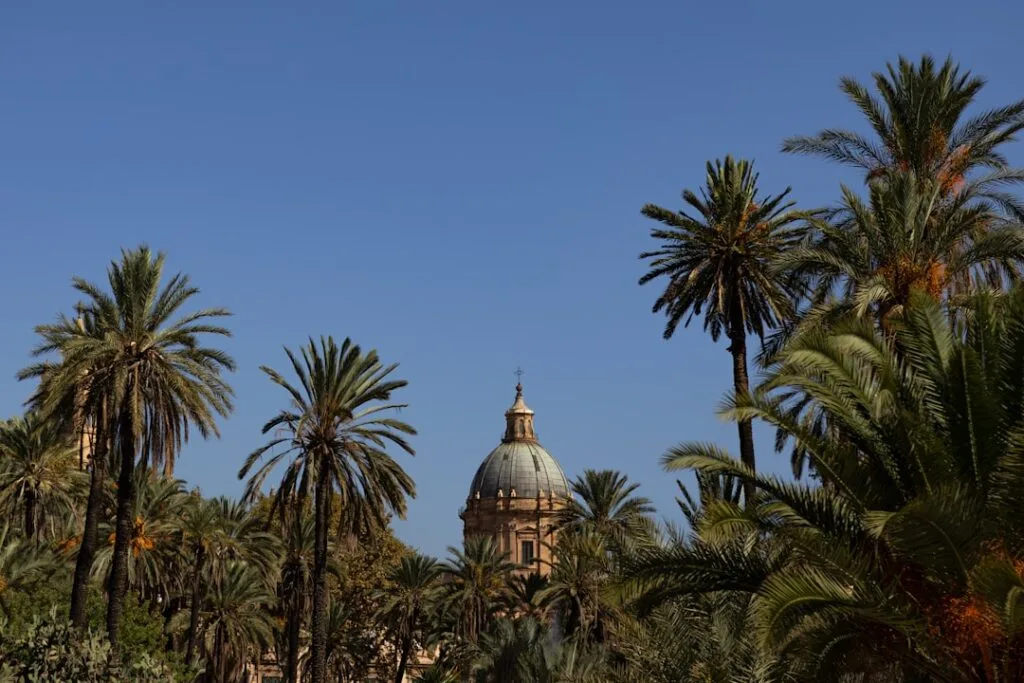






Introduction: Green Palermo — palms, gardens and urban oases
Palermo isn’t just a city of baroque history, colorful markets and ornate facades: it’s also a surprisingly green metropolis where vegetation plays a central role in daily life. Strolling through the warm streets of Sicily’s capital, you’ll come across shady oases, avenues lined with majestic palms, parks filled with exotic species and botanical gardens that feel like they belong on another continent. This “Green Palermo” tells a long story of cultural exchanges — from North African imports to the botanical passions of European scholars — and offers visitors a double appeal: the chance to discover rare species and the relief of breathable spaces in the heart of a lively city.
In this article I invite you on an immersive, detailed and practical tour of Palermo’s main green spaces: from the famous Orto Botanico di Palermo to shaded squares crowned by century‑old figs, and the seaside promenade of the Foro Italico Umberto I where palms punctuate the horizon. For each spot you’ll find the exact address, typical opening hours, entrance fees, sensory descriptions — sounds, scents, light — and local tips to help you make the most of each stop. Whether you’re a photographer, a botany enthusiast, a family looking for a calm afternoon, or simply a traveler seeking escape from the summer heat, Green Palermo has something to offer.
Throughout the text we’ll also cover easy walking micro‑routes, cafés and trattorie nearby to extend your outing, and practical advice — when to visit for the best light, how to avoid crowds, what to pack (hat, water, mosquito repellent) — so every walker leaves feeling they’ve discovered lively, memory‑rich and cool places. Palermo’s vegetation is more than just scenery: it shapes squares, accompanies daily rituals and creates unexpected views between sea and architecture. Get ready to look up at towering palms, breathe in orange blossom scents, and walk alleys once traversed by botanists and travelers fascinated by Mediterranean exoticism.
Orto Botanico di Palermo: the historic green laboratory
The Orto Botanico di Palermo (Palermo Botanical Garden) is a must for anyone interested in Green Palermo. Located in the heart of the city, it offers an exceptional collection of Mediterranean and exotic species, historic greenhouses and shady paths where you can lose yourself away from the sun. Exact address: Orto Botanico di Palermo, Via Lincoln 2, 90133 Palermo PA, Italia. The garden is run by the Università degli Studi di Palermo and covers a large area, divided into themed sectors — South American trees, a palm grove, cacti, a medicinal plants department — reflecting the place’s long scientific vocation.
Hours and prices (check seasonally and for events): generally open from 09:00 to 18:00 between March and October, and from 09:00 to 16:30 from November to February. Closed on some holidays or for university events; it’s recommended to check the official site before your visit. Approximate entrance fee: adult around €6.00; reduced (students, seniors) about €3.00; free entry for young children or during university promotions. Guided tours and educational workshops are regularly offered (prices vary).
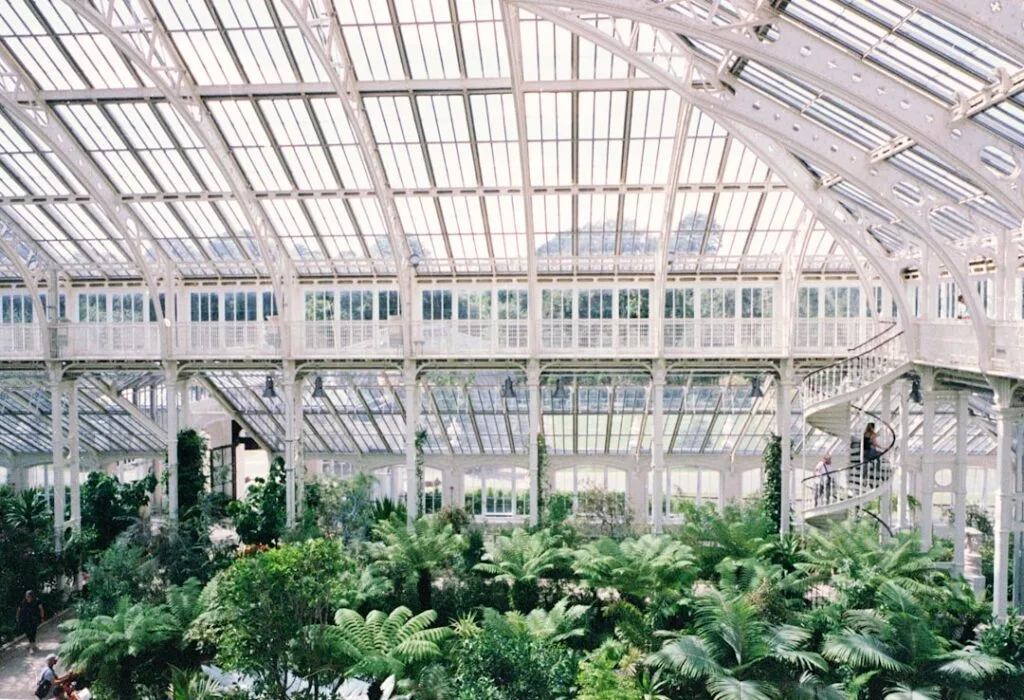
Immersive description: passing through the wrought‑iron gate, the air seems to cool: slender palm trunks draw sharp silhouettes against the sky and dappled shade creates patches of light on the gravel paths. The scent of citrus and aromatic plants mingles with the distant chirping of birds. The large old greenhouses, with their patinated ironwork, shelter lush ferns and tropical plants that glisten beneath droplets of water. The palm area showcases remarkable species like Phoenix canariensis and Washingtonia robusta, perfect for photographers seeking scale contrasts between sky and foliage.
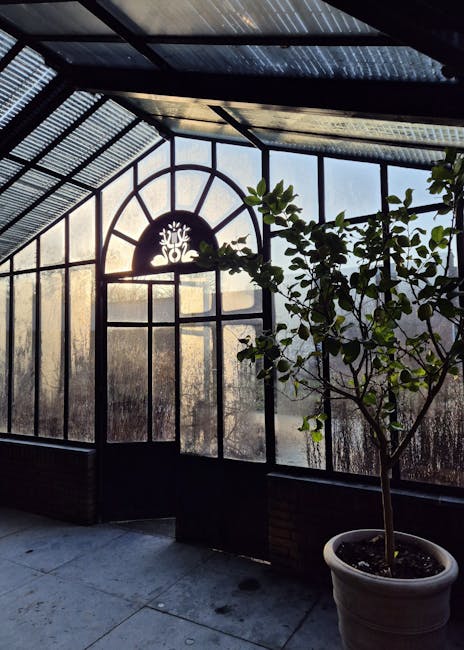
Practical tips: arrive early (9:00–10:00) to enjoy the soft morning light and relative quiet. Bring water, a hat and comfortable shoes — the garden is extensive and has paths that can be uneven. If you’re into botany, ask for a detailed map at reception: it shows greenhouse locations, notable trees and themed collections. Also, check the documentation center for species identification sheets and, if possible, book a guided tour in Italian or English to enrich your visit.
Piazza Marina and Giardino Garibaldi: monumental figs and a historic oasis
Piazza Marina is one of Palermo’s most romantic and shaded squares, famous for its large garden called Giardino Garibaldi (or Villa Garibaldi) and for the magnificent Ficus that has dominated the square for over a century. Address: Piazza Marina, 90133 Palermo PA, Italia. The square lies in the historic Kalsa district, a short walk from the Teatro Massimo and the mercato del Capo, making it an ideal stop before or after visiting nearby monuments.
Hours: the garden is generally accessible all day; however, fenced areas may close at night (around 22:00–23:00 depending on season and local regulations). Access: free. There’s no ticket office, but some zones may be restricted during public events. The garden hosts occasional craft markets and exhibitions that enliven the square, especially at weekends.
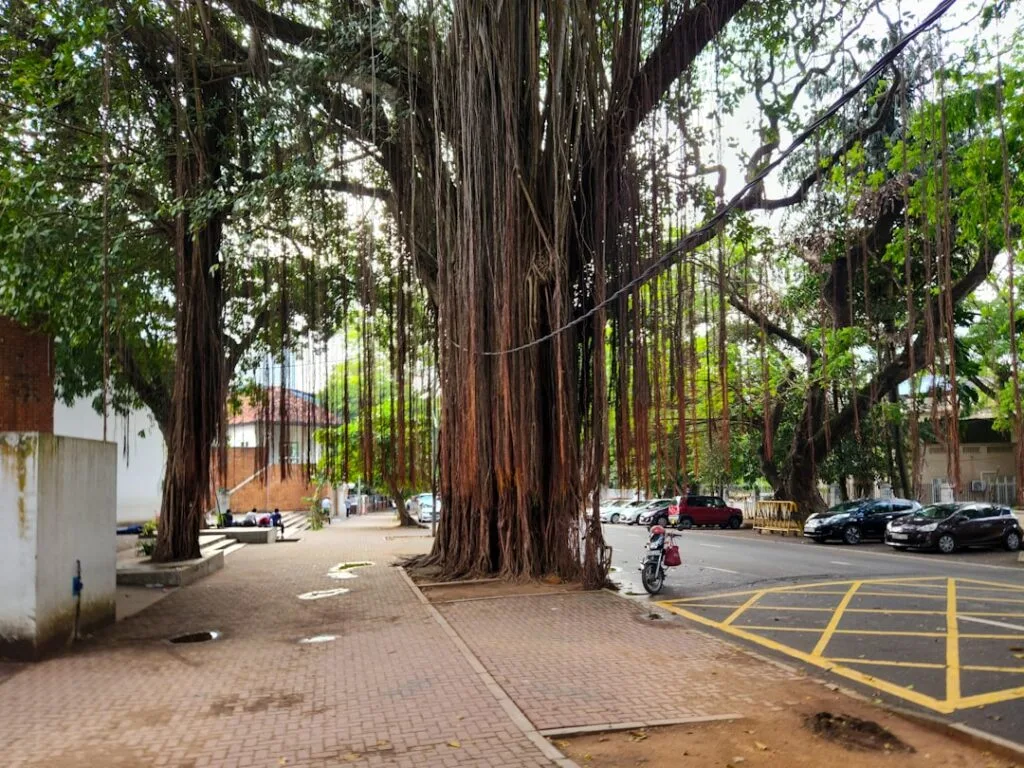
Immersive description: the Piazza Marina Ficus is a true urban character: its massive trunk and buttressing roots form a vegetal cathedral beneath which readers, families and couples settle. The shade is dense and almost cool even on hot summer days. Worn benches, winding paths and hidden statues create the feel of a small private park in the middle of the city. Around the square, stroll among taller palms and orange trees whose fragrance bursts in spring.
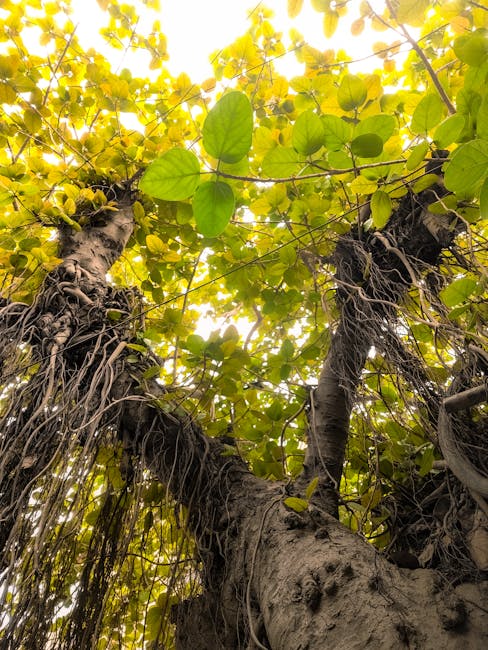
Local tips: Piazza Marina is perfect for an after‑lunch break: try a mandorla (almond) granita or an espresso at one of the nearby cafés and settle under the Ficus. Be mindful of pickpockets in touristy areas; keep your belongings close. In the evening the square gently lights up: it’s an excellent spot to photograph silhouettes and backlit scenes. Also combine your visit with the nearby Chiesa di Santa Maria della Catena (Piazza della Kalsa) and the Complesso Monumentale di Santa Maria dello Spasimo for a fuller cultural walk.
Foro Italico Umberto I and the seafront: palms, sea breeze and gulf views
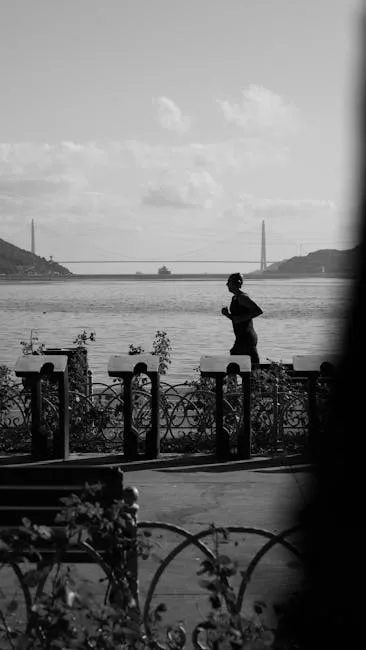
The Foro Italico Umberto I is the long promenade along the sea to the north of Palermo, offering a succession of palm‑lined avenues, lawns and benches overlooking the Gulf of Palermo. Address: Foro Italico Umberto I, Lungomare Salvatore Patti / Via Messina Marine, 90133 Palermo PA, Italia. This space is a bridge between the city and the sea, popular with joggers, families and sunset lovers.
Hours: public promenade, accessible 24/7; nighttime lighting varies by season. Access: free. Some areas may be used for temporary events or markets — check the municipal calendar. At the far end, near the pier, you’ll find seasonal cafés and kiosks offering drinks and snacks.
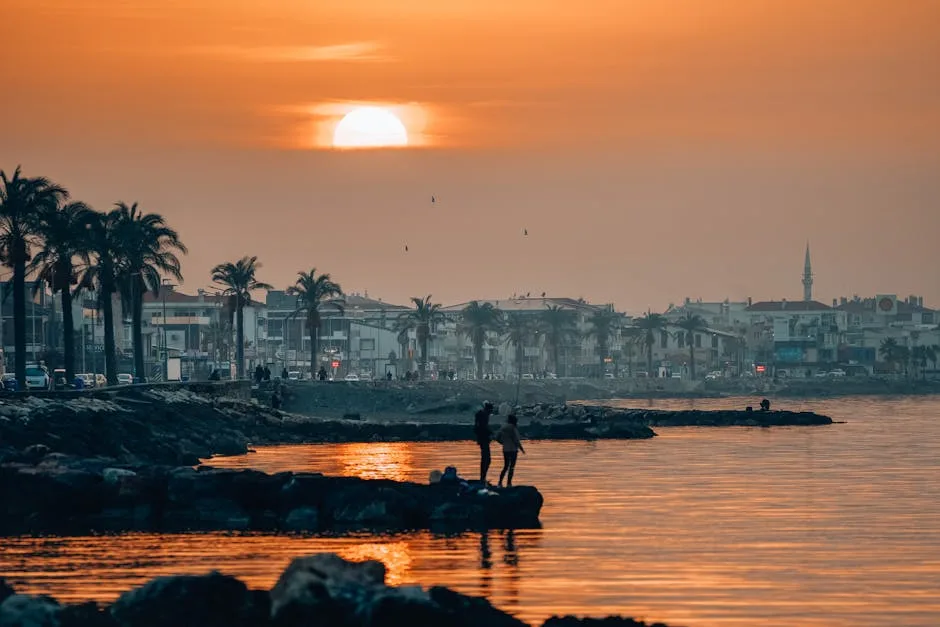
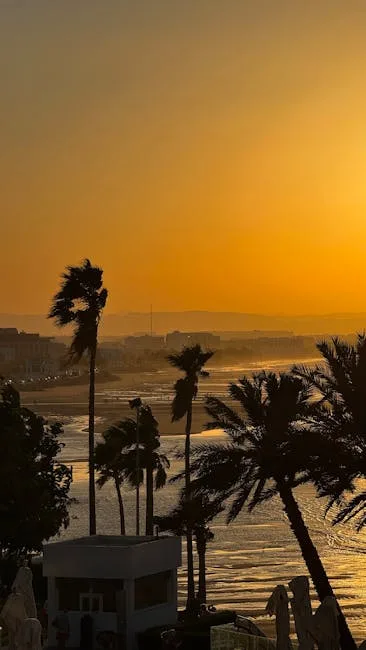
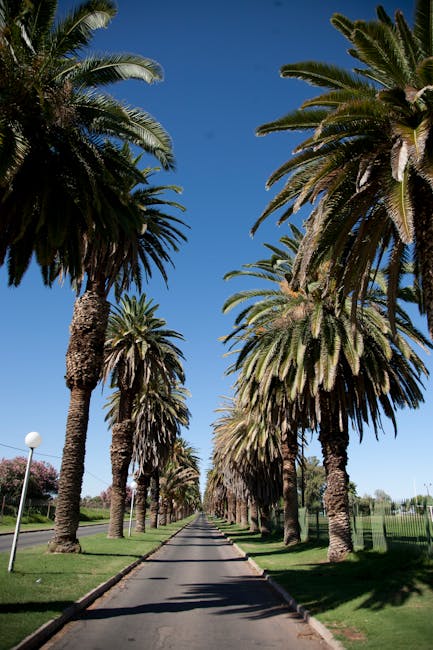
Immersive description: walking the Foro Italico means feeling the sea breeze mixed with the salty smell of the air and hearing waves breaking on the rocks. The palms — mainly Washingtonia and Phoenix — stand in rows like the columns of a modern temple, casting graphic shadows on pavement and lawn. The view of Monte Pellegrino provides a striking contrast: mountainous silhouettes rise behind the palms, framing the sea. At sunset the shore becomes a theater of color where golden light transforms trunks and water into shimmering surfaces.
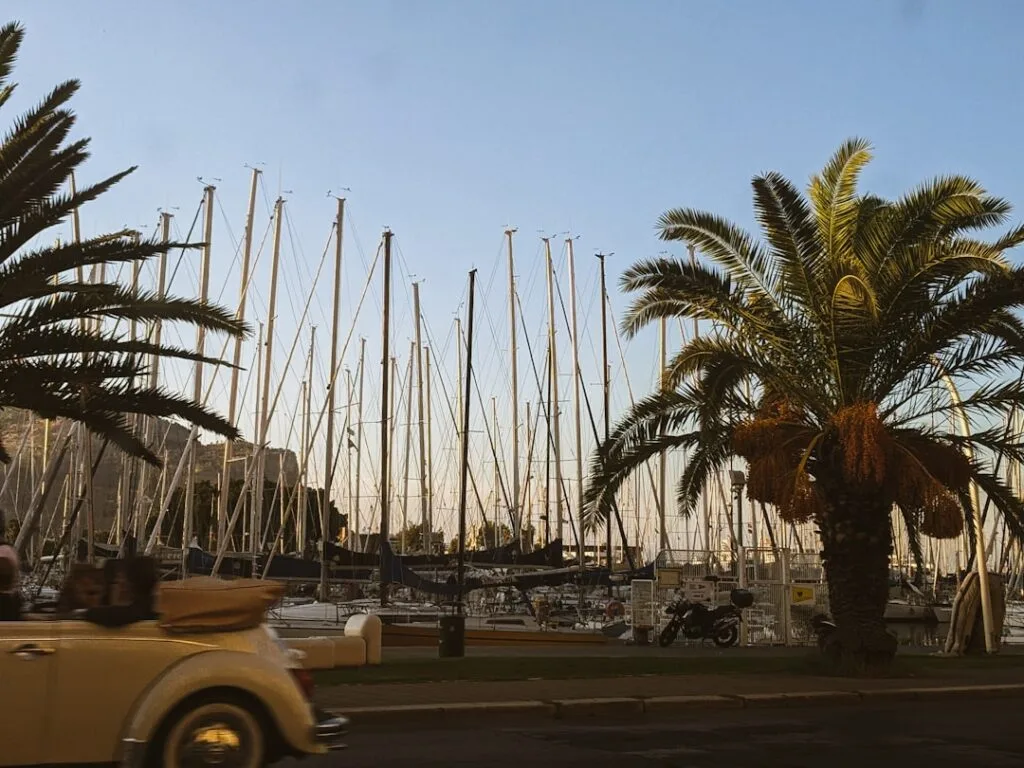
Practical advice: for photographers, the golden hour before sunset is ideal; for joggers, the promenade offers several flat kilometers with public fountains to cool off. If you travel in summer, favor late afternoon to avoid the heat. Several cafés along the seafront serve arancine and panini — perfect for a post‑walk snack. Watch out for scooters and bikes on mixed paths; stay on pedestrian zones for safety. Finally, if you want to swim, check locally which spots are allowed and water quality — some rocky coves are lovely but unsupervised.
Green routes, small botanical gems and practical tips to enjoy Green Palermo
Palermo is full of lesser‑known green corners worth exploring on foot. Here are some suggested routes and complementary spots, with addresses, rough opening hours and tips to fit them into your visit.
- Giardino Inglese (English Garden) — Approximate address: Via Lincoln / Viale della Libertà, 90133 Palermo. A small park with Victorian charm, perfect for a quiet pause between museum visits and shopping on Viale della Libertà. Free entry; open all day. Tip: bring a blanket for a picnic on the lawn.
- Giardino del Foro Italico (near Villa Giulia area) — Several green spaces around Via Vittorio Emanuele and Piazza Rivoluzione; ideal for a stroll after visiting the centro storico. Free entry. Opening hours vary by garden.
- Villa Bonanno and Villa Trabia — Public gardens located near the Teatro Massimo and Viale del Fante. Address: Via Maqueda / Via Cavour areas, 90139 Palermo. Shady spaces, cafés nearby. Open during the day; free entry.
General tips for Green Palermo:
– Best time: spring (April–June) and autumn (September–October) for pleasant temperatures and blooms. Summer is very hot; favor mornings and late afternoons.
– Gear: reusable water bottles (public fountains exist but can be unreliable), a hat, sunscreen, comfortable shoes and possibly a paper guide or offline GPS app to locate hidden gardens.
– Transport: most central green spaces are walkable. For more distant sites, use AMAT city buses or taxis. Renting a bike is pleasant along the seafront but watch out for cobblestones.
– Respect nature: don’t pick flowers, don’t climb historic trees and follow signs indicating restricted areas to help preserve these spaces.
Recommended experiences: join a guided tour of the Orto Botanico to learn the history of the collections, attend a concert or evening event at Piazza Marina, and treat your taste buds to dinner at a trattoria next to a garden to enjoy shaded terraces. These small rituals link Green Palermo to everyday life and let you appreciate the city at the pace of its plants.
Conclusion: How Green Palermo transforms the city
Green Palermo is not just ornamental; it’s a structural part of the city’s identity. Palms, figs, orange trees and exotic species tell centuries of trade, colonization and scientific curiosity. They transform squares, create thresholds of shade and coolness, and offer residents and visitors places to rest and meet. The contrast between the dense architecture of the historic center and the large green spaces creates rich landscape transitions — in a few steps you move from sunlit, narrow alleys to shaded clearings where time seems to slow down.
Exploring Green Palermo also means understanding the city through its uses: how locals use gardens to read, picnic, chat or take a nap; how children play under centennial trunks; how photographers hunt the perfect angle between a palm and a baroque facade. The sites described — Orto Botanico di Palermo (Via Lincoln 2), Piazza Marina and Giardino Garibaldi (Piazza Marina), Foro Italico Umberto I (Lungomare Salvatore Patti / Via Messina Marine) — are great starting points for a wider discovery: every nearby street can hide a small square, a flowered courtyard or a café with a green terrace.
Beyond addresses and opening hours, keep in mind that the best way to enjoy this green Palermo is to slow down. Plan visits for early morning or late afternoon, carry a guide or a short list of nearby places to chain botanical discoveries and tasty breaks, and let yourself be carried by the blend of scents — citrus, pine, salty sea — that make Palermo at once Mediterranean and tropical. When you leave, you’ll take with you the memory of welcoming shadows, rows of palms by the water and gardens that invite contemplation — an unexpected but essential face of the Sicilian capital.