





Introduction
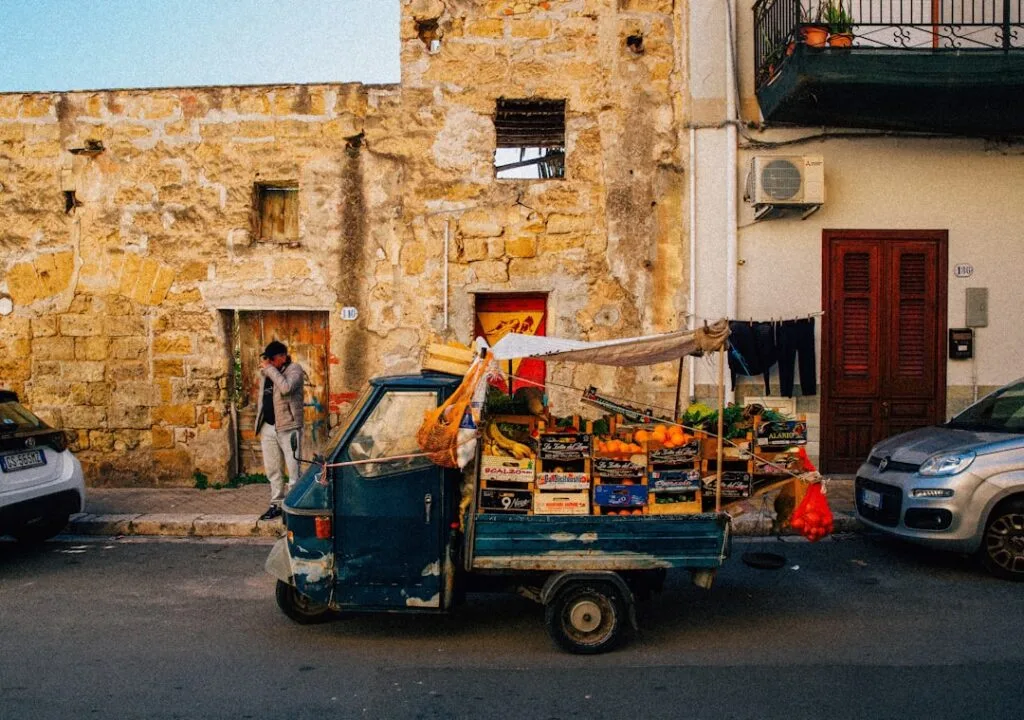
Palermo is a city where every narrow street tells a story, and shopping isn’t just ticking items off a list — it’s a sensory stroll through Sicilian life. Between the colorful stalls of open-air markets, the artisan workshops preserving age-old crafts, and the chic shops lining Via Libertà and Via Ruggero Settimo, a Palermo shopping route feels like a living postcard: citrus and spice scents in the air, the clink of tools shaping cartapesta, glossy bursts of painted ceramics, and lively conversation over a cassatella. This guide lays out a detailed, practical, and immersive itinerary to help you find the best local goods — food, handmade crafts, vintage clothing, coral jewelry and artisanal souvenirs — while keeping pace with the daily rhythm of the Palermitani.
I’ll take you through three must-see markets (Mercato di Ballarò, Mercato del Capo and Mercato della Vucciria), then dive into workshops and traditional craft shops before heading up to the more contemporary shopping boulevards where shopping pairs perfectly with a coffee and a croissant. Each stop includes exact addresses, typical opening hours, price ranges in euros, practical tips — how to haggle, when to come, how to carry your purchases — and suggestions for extending the experience (nearby cultural sights, cafés for breaks, and tips for preserving food purchases).
The aim is not just to list possible buys but to offer a walkable itinerary you can complete in one day or two half-days depending on your pace. You’ll learn where to find custom-made sandals, how to spot a cartapesta workshop that makes Sicilian puppets, and which stalls are worth visiting for artisanal preserves, pure cheeses, pistachio pesto or almond biscuits. I’ll also give sensible advice on safety, transporting fragile items, and a few useful Italian phrases to haggle politely and effectively. Get ready to look up from your guidebook and let Palermo’s warm energy carry you — every turn could reveal an unforgettable find.
Popular markets: Ballarò, Capo and Vucciria — addresses, prices and hours
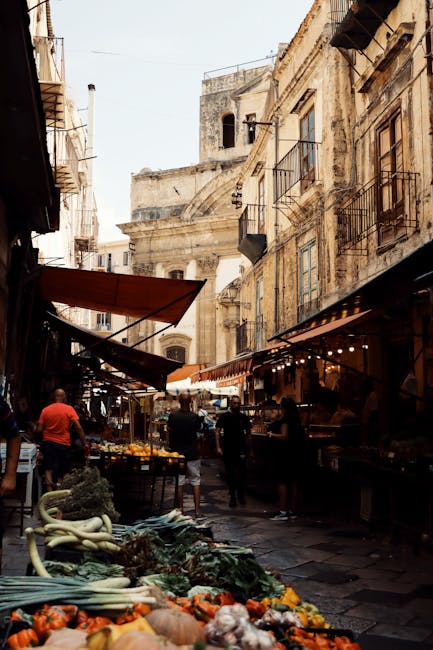
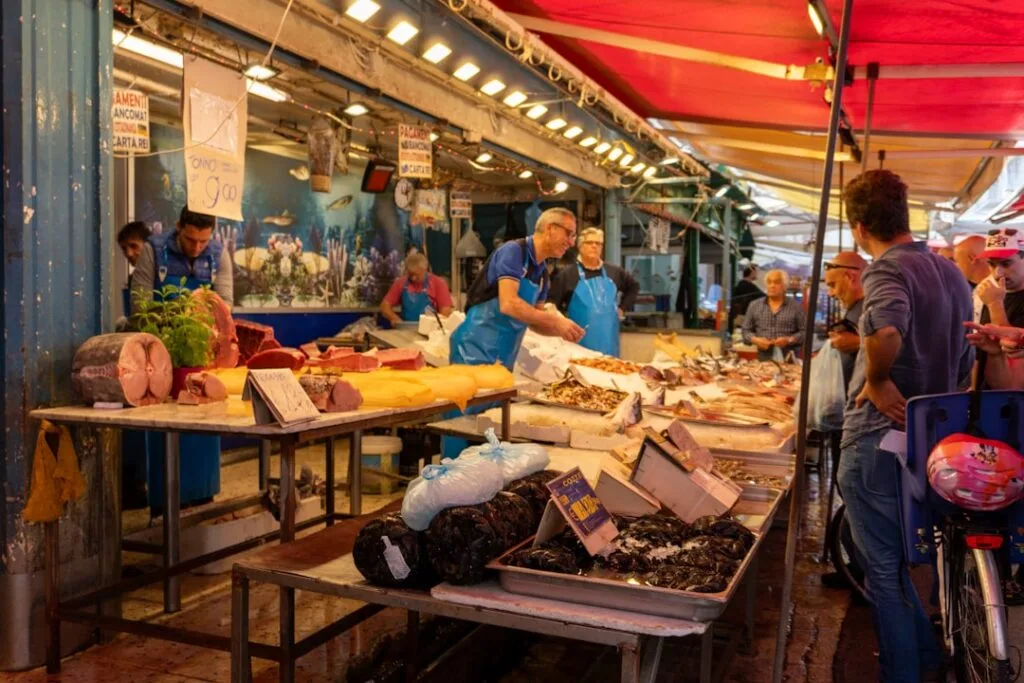
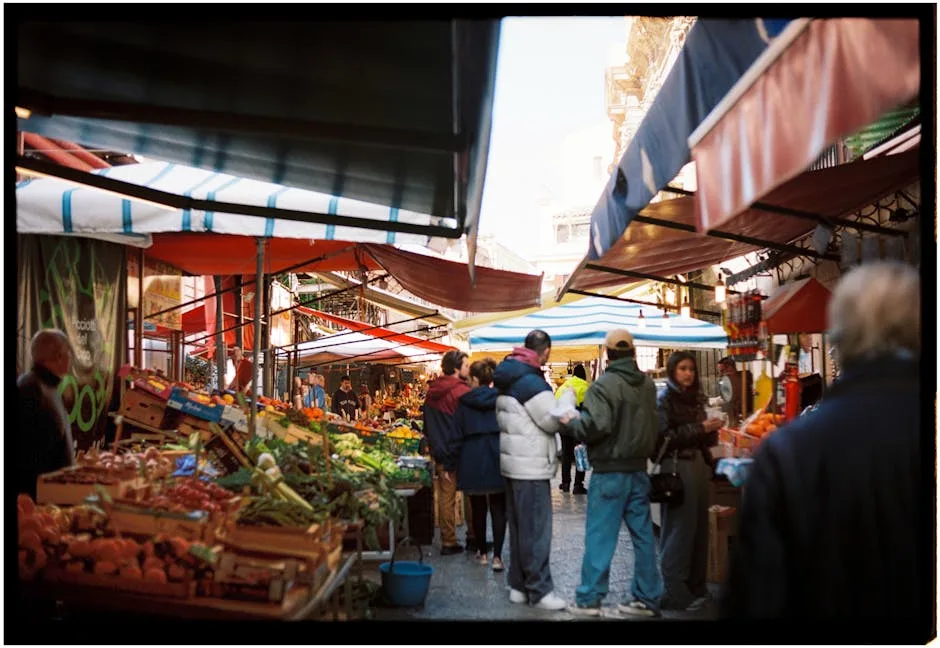
Start with Mercato di Ballarò, the liveliest market to feel Palermo’s everyday pulse. Address: Via Ballarò, 90134 Palermo PA. Hours: generally open Monday to Saturday from 07:00 to 14:00 (the best time is early, between 07:00 and 09:30). You’ll find fresh fruit and vegetables (indicative prices: local oranges €1.50/kg; heirloom tomatoes €2.00–€3.00/kg), fish and meat (small grilling fish fillets €6–12/kg), and street-food stalls where an arancina costs around €2.50–€4.00. Haggling is acceptable at stalls; flash a smile and try a few basic Italian phrases (« Quanto costa? », « Mi fa un prezzo? »).
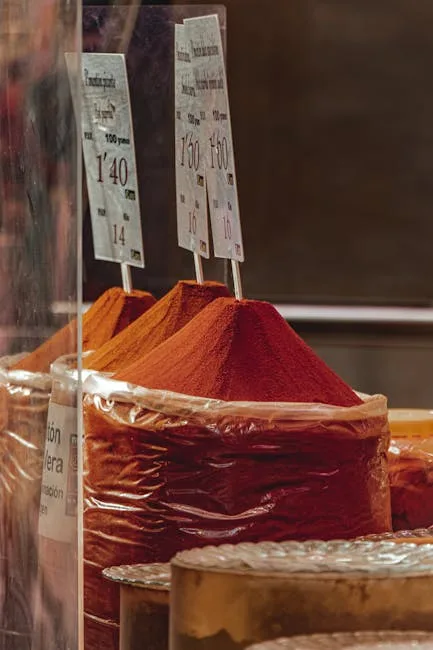
Next, head to Mercato del Capo in the historic quarter: Via del Capo, corner of Via Vittorio Emanuele, 90134 Palermo. Hours: open Monday to Saturday, roughly 07:00–14:30. Capo is known for herbs, spices and ingredients for Sicilian cooking: bunches of fresh aromatic herbs €1–3, jars of capers in brine €4–8, local olive oil 500 ml €6–15 depending on quality. It’s a great spot to buy pantry items to take on the plane — favor well-sealed jars and pack fragile items in your carry-on.
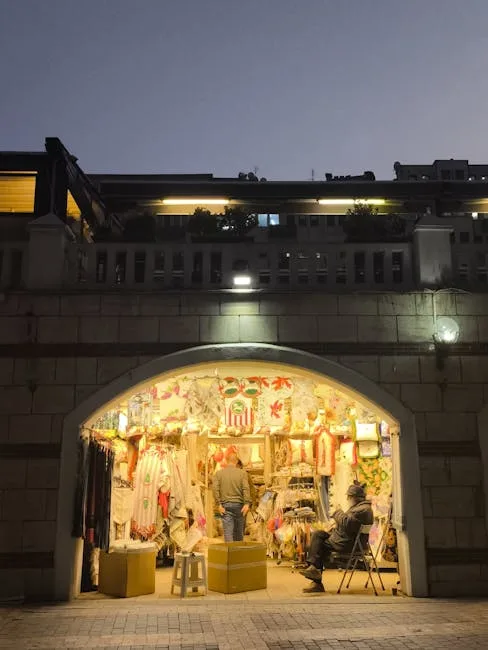
Finally, Mercato della Vucciria, around Piazza Caracciolo (Piazza Caracciolo, 90133 Palermo), is famous for its nightlife and antiques. Hours: daytime market roughly 08:00–14:00; some stalls and bars come alive again at night until about 02:00. You’ll find coral jewelry (prices: pendants €30–€150 depending on size), vintage pieces and curious objects. Watch out for fakes: for coral and valuable jewelry, seek established shops that provide receipts (for example, fixed-location jewelers with a visible name) rather than very cheap street stalls.
Practical tips: always carry cash for small buys (EST. €5–50), favor early hours for freshness, and avoid overly touristy spots if you’re after the best prices. To transport fish or cheese, bring a soft cooler in your luggage or eat them the same day. Also check whether nearby workshops offer demonstrations — often they do in the afternoon when artisans finish pieces.
Artisan workshops and living museums: puppets, cartapesta and ceramics
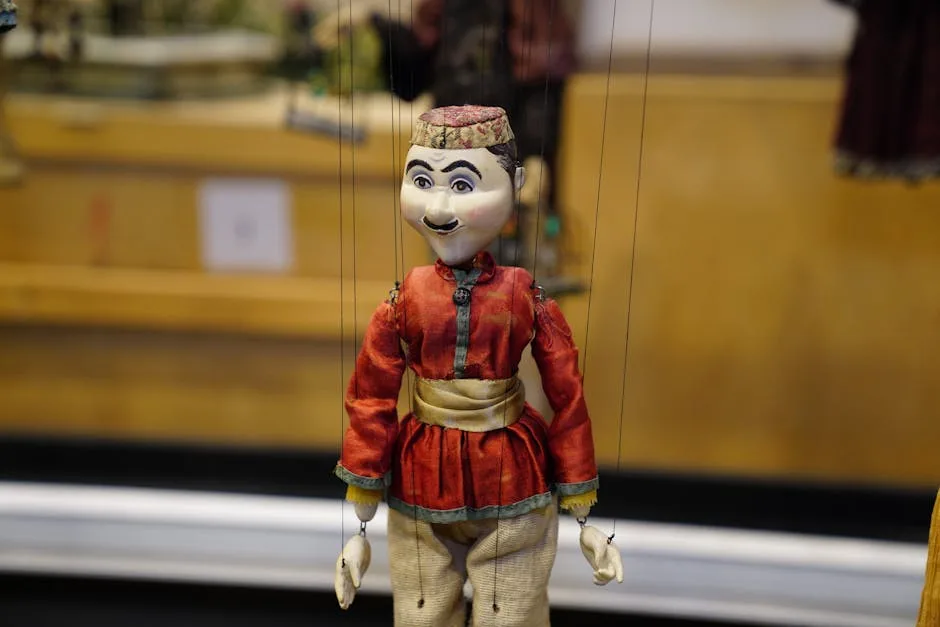
Palermo is famed for its craft traditions: Sicilian puppetry (Opera dei Pupi), cartapesta (papier-mâché) and brightly painted ceramics. A must-visit is the Museo Internazionale delle Marionette « Antonio Pasqualino », address: PIAZZETTA ANTONIO PASQUALINO 5, 90133 Palermo. Hours: Tuesday–Sunday 09:30–13:00 and 16:00–19:00; closed Monday. Entrance fee: about €6–€10 (reduced €4–€6 for students/young people). The museum displays historical puppets and sometimes stages performances in the late afternoon. It’s a great place to buy a small puppet or a book on Opera dei Pupi (often €20–€80 depending on size and quality).
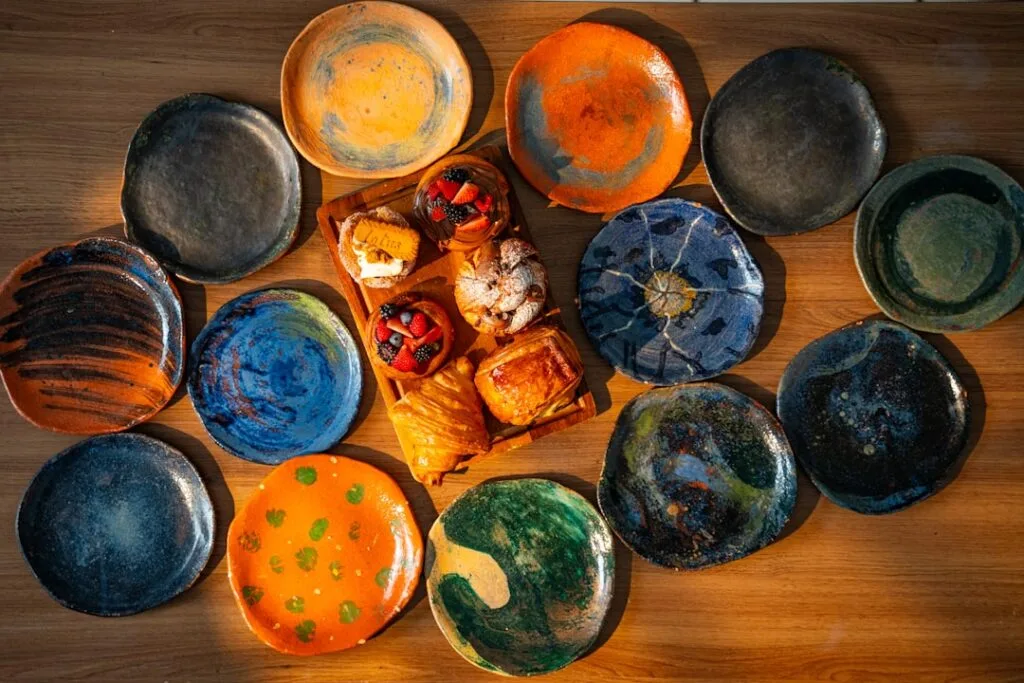
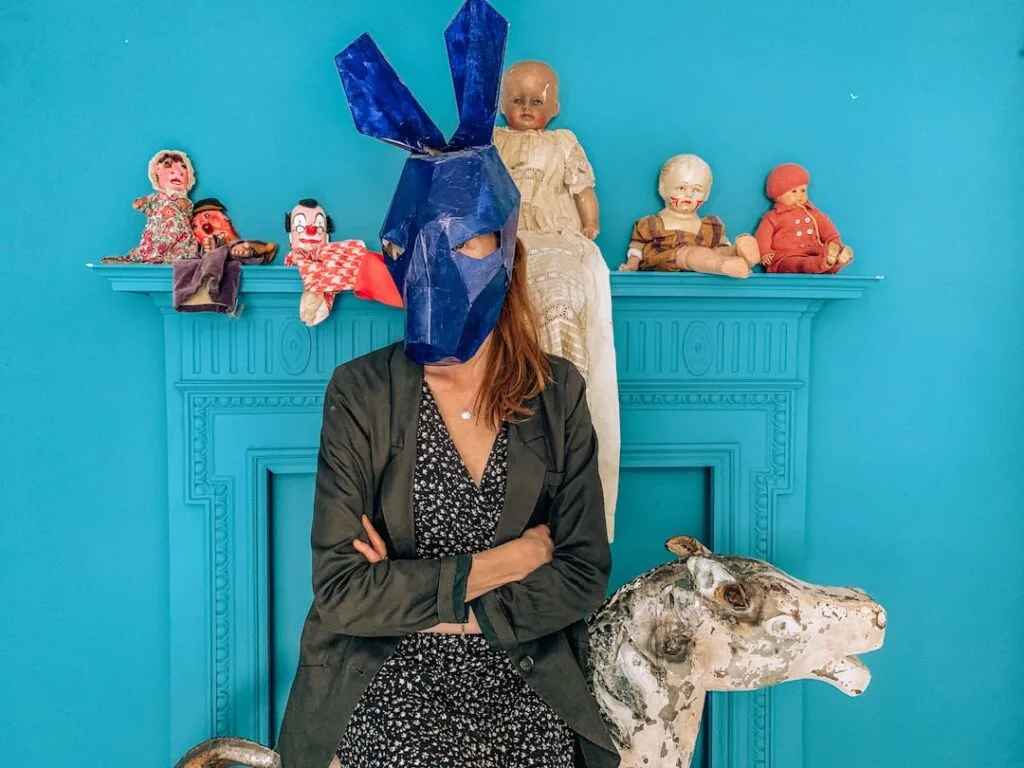
For cartapesta and ceramics, look for workshops around the Kalsa and Capo neighborhoods. A typical example is a workshop near Via Maqueda: small ceramic studios and street decorators where you can buy hand-painted plates (prices: decorative plate €25–€80), espresso cups €10–€25, and cartapesta masks starting at around €40 for simple models up to €300 for signed studio pieces. Many workshops accept visits by appointment — call or send a WhatsApp message to local artisans for a demo (in high season, 10:00–12:30 and 16:00–19:00 are convenient windows).
Other useful spots for crafts: it’s common to find small shops on Via Maqueda, Via Roma and in the alleyways around Piazza Marina (Piazza Marina, 90133 Palermo), where artisans sell unique, often customizable objects. Negotiate politely for sets (for example, 3 espresso cups for €25 instead of €10 each) and always ask about material origins (especially for coral and stones). If you buy larger pieces, ask whether the workshop offers international shipping (estimated cost €30–€120 depending on weight and destination).
Chic shopping and vintage: Via Libertà, Via Ruggero Settimo and flea markets
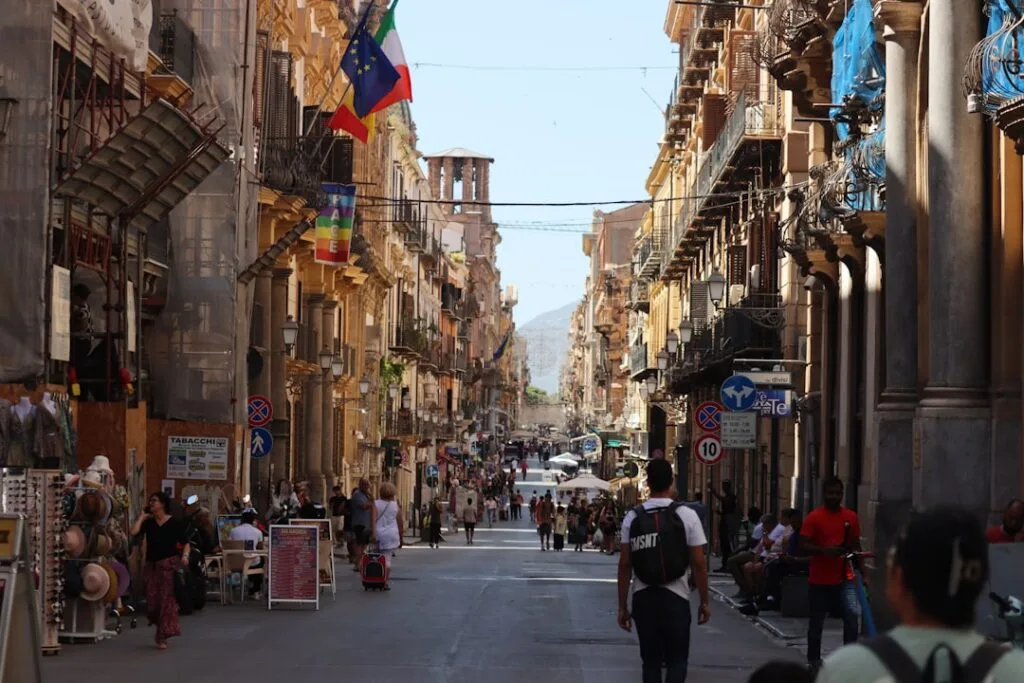
For a more upscale shopping experience, stroll along Via Libertà (starting at Piazza Croci) and Via Ruggero Settimo (the shopping stretch near Piazza Castelnuovo – Politeama). These streets host local designer shops, major Italian brands and shoe and leather showrooms. Typical shop hours: 09:30–13:00 and 16:00–20:00 Monday to Saturday; some shops close on Sunday. Expect higher prices: local designer shirts and dresses €80–€250, handmade shoes €150–€500, Sicilian leather bags €120–€450.
For vintage and retro finds, head to the flea markets and second-hand stores around Piazza San Domenico and the Vucciria neighborhood by night. You’ll discover leather jackets, old posters and restored furniture: indicative prices for quality vintage €20–€150. Dig around; some shops will ship purchases for you if you’re buying in bulk (ask for a quote before you commit).
Tips for chic shopping: bring a payment card (many shops accept cards and contactless payments) but keep cash for small stores and markets (€50–100). Try clothes on immediately: most shops have fitting rooms and can help with adjustments. For expensive items, ask for a receipt (scontrino fiscale) if you plan to claim a VAT refund at the airport — shops will tell you if they participate in tax-free shopping (usually for purchases > €155).
Recommended route and logistical tips for a full day of shopping
Sample itinerary for one day: start at 08:00 at Mercato di Ballarò (Via Ballarò, 90134 Palermo PA) for a street breakfast (sfincione or arancina €2.50–€4.00). At 10:00, head to the Museo Internazionale delle Marionette (Piazzetta Antonio Pasqualino 5, 90133 Palermo) for a 45–90 minute visit (entrance €6–€10). At noon, make your way to Mercato del Capo (Via del Capo, 90134 Palermo) to stock up on spices and oils (average food budget €10–30 for tastings and preserves). In the afternoon, follow Via Maqueda and wander the Kalsa alleys for cartapesta and ceramics workshops (budget €30–€200 depending on purchases). Late afternoon, go to Via Libertà for designer shops and local makers, then cap the night with a visit to Vucciria to soak up the evening vibe and check out antique stalls (evening from around 20:00).
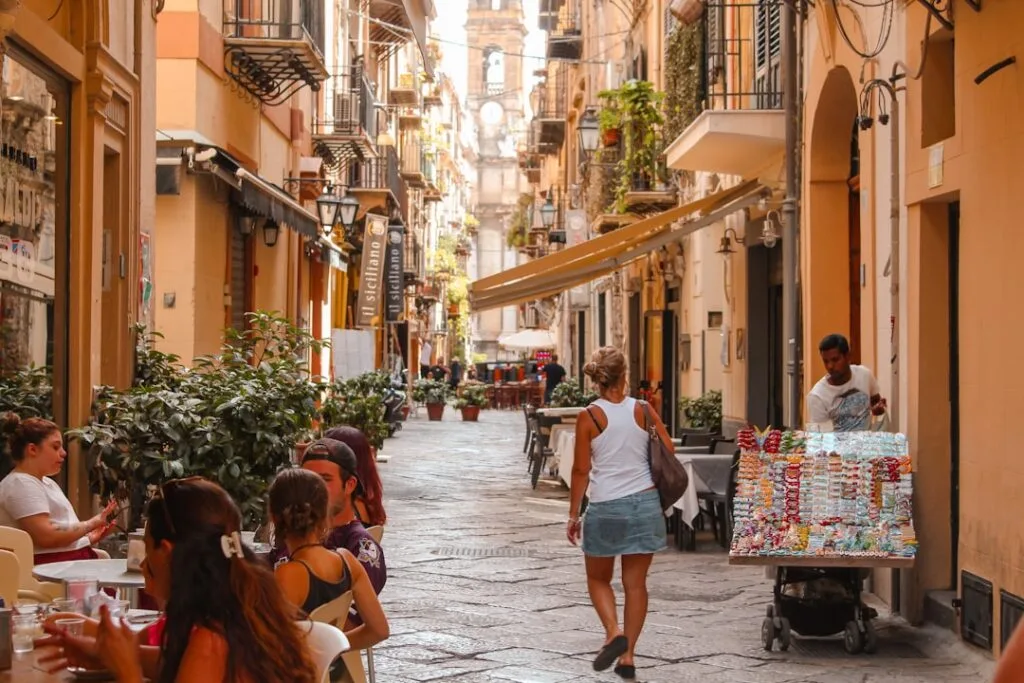
Transport and safety: favor walking and short taxi rides (typical taxi fares from the center €8–€20 depending on destination). Be mindful of pickpockets in crowded markets — keep your bag closed and use an inner pocket for documents and your phone. For fragile purchases (ceramics, glass) ask the seller for professional packing or a shipping box; bring a small blanket to pad items inside your suitcase. Finally, adapt to local hours: in summer, the siesta (14:00–17:00) is common so small artisan shops may be closed in the afternoon.
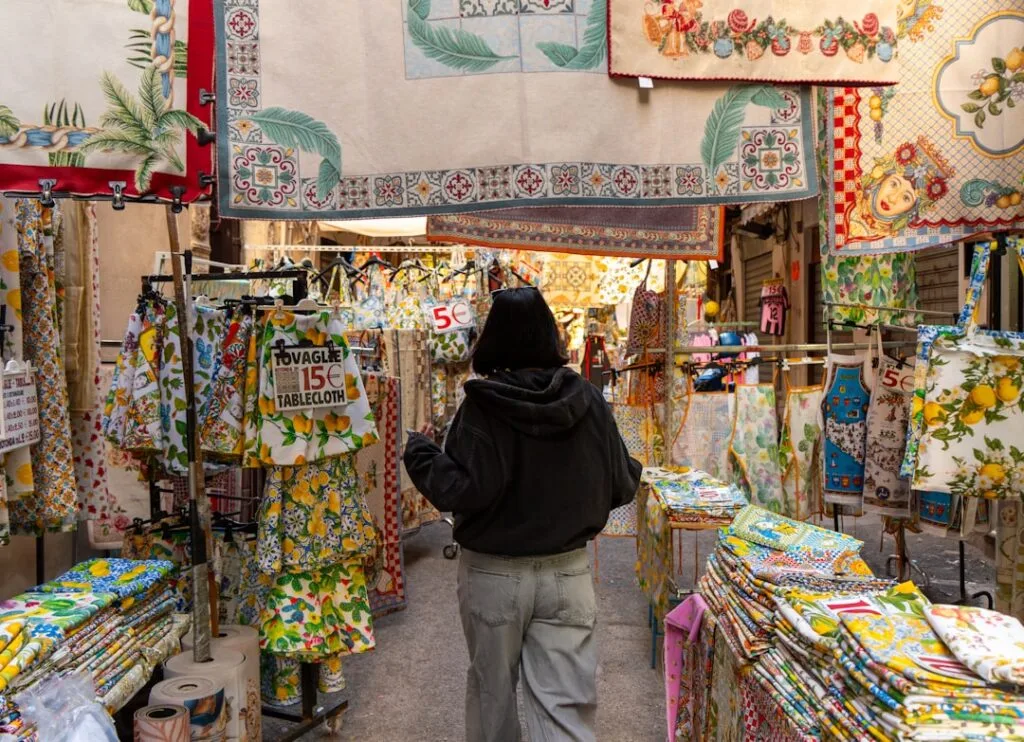
Estimated budget for a full day: markets + artisan souvenirs + lunch = €40–€120 per person, depending on quantity and quality of purchases. For a high-end souvenir (signed puppet, coral jewelry or a studio ceramic piece), budget €100–€400. Keep a small notebook to jot down useful addresses and artisan names — it’s the best way to track down an item later or commission a custom piece after you leave.
Conclusion
A shopping route through Palermo’s alleys and workshops is far more than a shopping trip: it’s an immersion into a centuries-old culture where food, craft and street commerce blend into memorable experiences. By following this route — morning markets (Mercato di Ballarò, Via Ballarò, 90134 Palermo; Mercato del Capo, Via del Capo, 90134 Palermo), workshops and museums (Museo Internazionale delle Marionette « Antonio Pasqualino », Piazzetta Antonio Pasqualino 5, 90133 Palermo), and contemporary shopping boulevards (Via Libertà, Via Ruggero Settimo) — you’ll see different sides of the city and come away with authentic keepsakes, whether a handmade puppet, a hand-painted ceramic plate or a bottle of extra-virgin olive oil.
Respect local hours, prefer established artisans for valuable pieces, and always ask about the origin of materials for jewelry and coral items. Don’t forget to carry cash for small expenses and leave room in your suitcase for your finds. Above all, give yourself time to wander: in Palermo the best discoveries often come from an unexpected detour into an alley, a chat with a stallholder or a demonstration in a workshop. Happy shopping and buona scoperta — may your purchases bring home the scents, colors and warmth of Palermo.