





Introduction: Palermo from Above — Why Rooftops Reveal the Baroque City
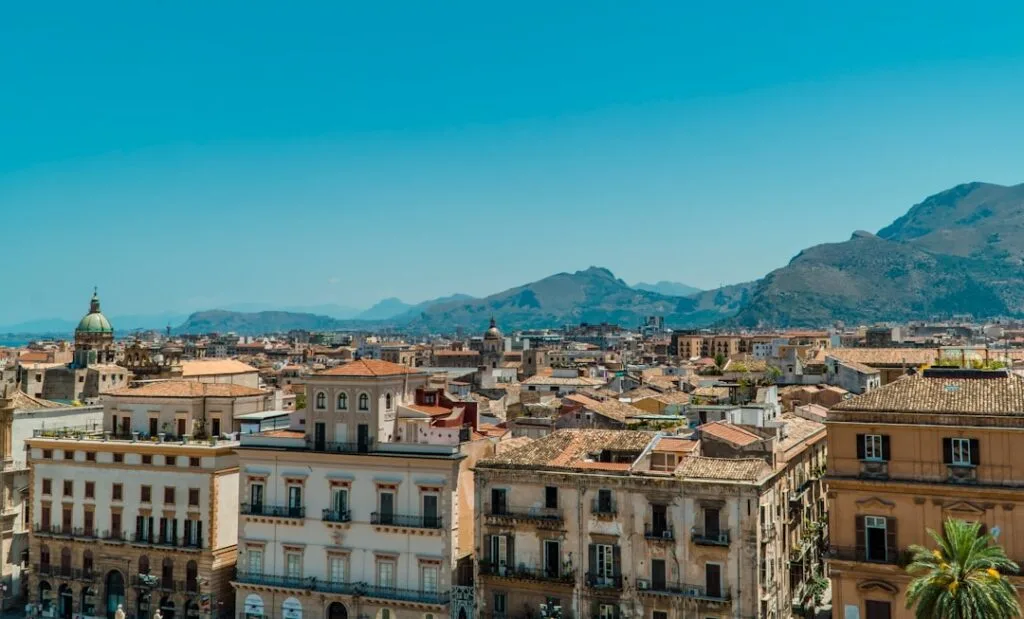
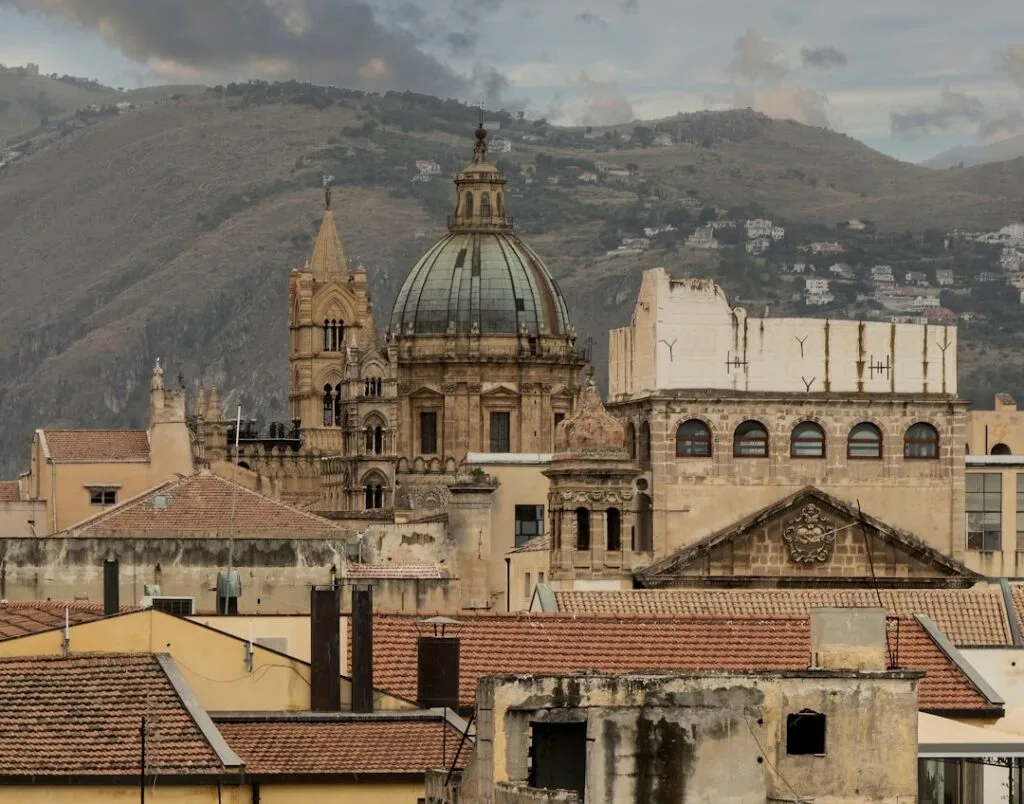
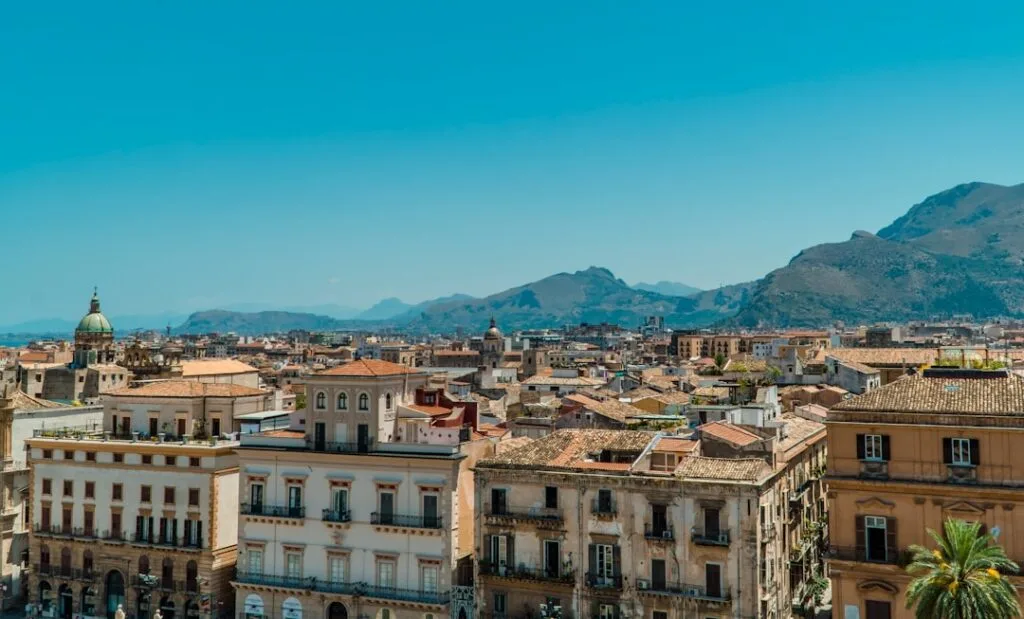
Palermo is a place read in tight compositions and soaring perspectives. When you wander its colorful markets — Mercato di Ballarò or La Vucciria — you touch the city’s vibrant skin; when you get lost in the alleys around the Cattedrale di Palermo or Piazza Pretoria, you feel the weight of history. But to really understand the baroque architecture, the layers of Norman, Arab and Spanish influence, and how the monuments converse with one another, you need to get up high. Rooftops and terraces provide that visual grammar: red-tiled rooflines, bell towers piercing the sky, domes gilded or weathered stone, views out to the gulf and the rhythm of the vicoli below.
In this article I’ll take you to secret terraces, hotel roofs, public belvederes and lesser-known vantage points where you can truly photograph Palermo in all its baroque complexity. You’ll find practical info: exact addresses, typical opening hours, prices in euros, gear tips and local tricks to catch the ideal light, avoid crowds and obtain permissions when needed. The panoramas I describe aren’t generic spots — they’re concrete places where perspective turns a façade into a silhouette and where morning or twilight light reveals sculpted details often invisible from the street.
Shooting Palermo from a rooftop isn’t just about pointing your camera at a pretty sunset. It’s composing: including a human element (a fisherman at the port, a woman passing under a fountain), playing with reflections on roofs, using the depth offered by baroque street lines like Quattro Canti or Via Maqueda, and approaching the details of the façades of the Cattedrale di Palermo, Palazzo dei Normanni or Teatro Massimo from an unusual angle. Whether you’re an amateur shooting with a smartphone, a videographer, or a pro with a full-frame DSLR, Palermo’s rooftops offer diverse frames — from wide panoramas on hotel terraces to tight compositions on a private mezzanine.
Here I propose a selection of five rooftop and viewpoint types — historic hotels, restored palazzo terraces, publicly accessible roofs, elevated natural lookouts and a few hidden addresses recommended by local photographers — so you can plan your shoots at daytime, dusk and night. For each spot you’ll find the full address, typical hours, access fee, an immersive description and practical tips (best time, recommended lens, any permissions, transport and safety). Ready your memory cards: Baroque Palermo is waiting to be rediscovered from above.
1 — Historic hotel terraces: elegance, comfort and classy views
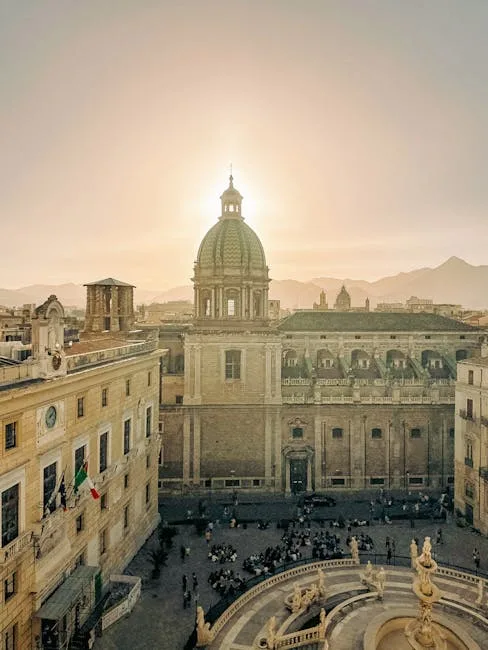
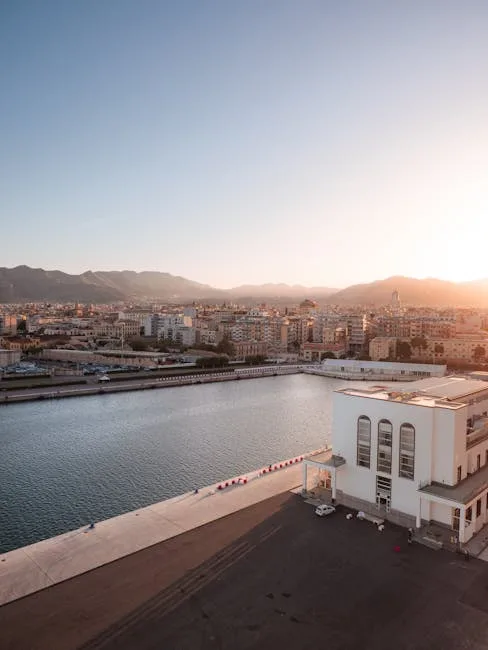
Palermo’s historic hotels often have arranged terraces that offer panoramic views without the complications of accessing private roofs. Among them, Grand Hotel Villa Igiea (Via Butera, 8 — 90133 Palermo PA) is a must: an Art Nouveau landmark turned luxury hotel, its terrace overlooks the Foro Italico bay and yields exceptional compositions of the port and the skyline. Opening hours: the bar terrace is usually open from 10:00 to 23:30 (seasonal); price: consumption required — cocktails from €12; free access for hotel guests. Photo tips: for open panoramas, use a wide-angle (16–35 mm) at sunset; for façade details from the terrace, a 70–200 mm helps isolate sculptures and balustrades.
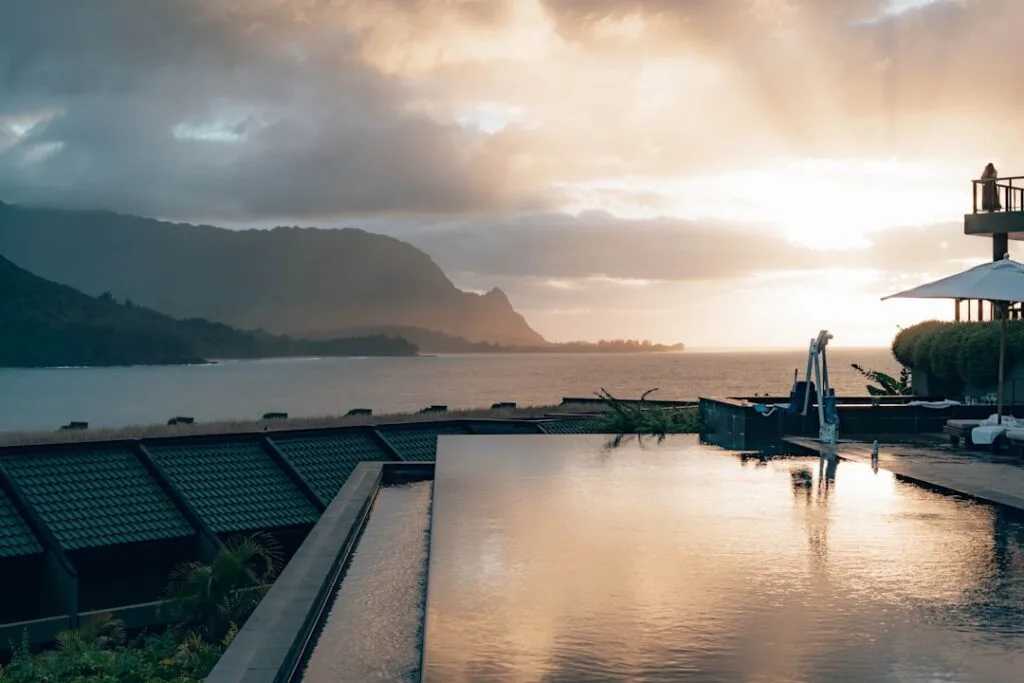
Another useful address: Grand Hotel et des Palmes (Via Roma, 398 — 90133 Palermo PA). The hotel’s rooftop bar, though more intimate than Villa Igiea’s, gives a close-in view of central roofs and is ideal at sunrise to capture low light grazing the domes. Hours: 09:00–01:00; price: usually free entry, drinks from €8–10. Practical tip: ask reception for a terrace-side table when you reserve — the best views fill up quickly during high season.
Finally, Hotel Ambasciatori (Via Butera, 12 — 90133 Palermo PA) has a small terrace above the historic quarter. Hours: vary by season, often 08:00–23:00; price: breakfast €12–18, terrace access free for guests. Local trick: ask the hotel for permission to go up before official opening if you want sunrise shots — many hotels are flexible for early, discreet photo sessions if you’re polite.
2 — Public roofs and viewpoints: free panoramas and orientation points
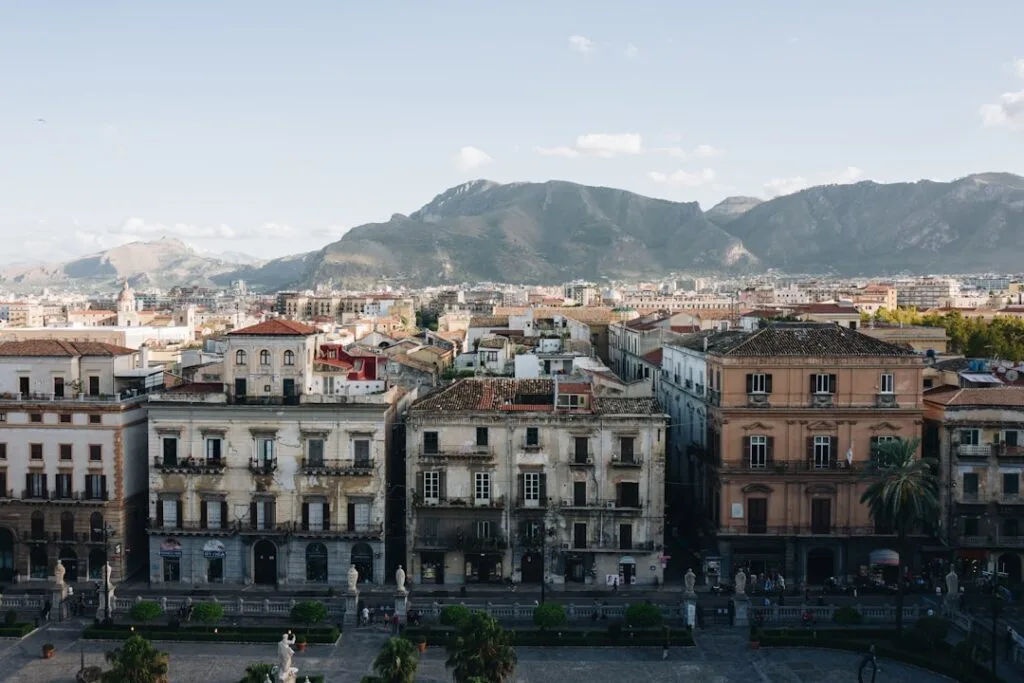
Not all high spots are commercial terraces — several public belvederes are accessible and free, perfect for shooting the baroque city as a whole. Foro Italico Umberto I (Foro Italico Umberto I — seafront promenade, 90133 Palermo PA) isn’t a rooftop but is an elevated seafront space that frames the city skyline and places Teatro Politeama in silhouette. Hours: open 24/7; price: free. Photo tip: early morning light from the east bathes eastern façades and creates a soft contrast between sea and roofs.
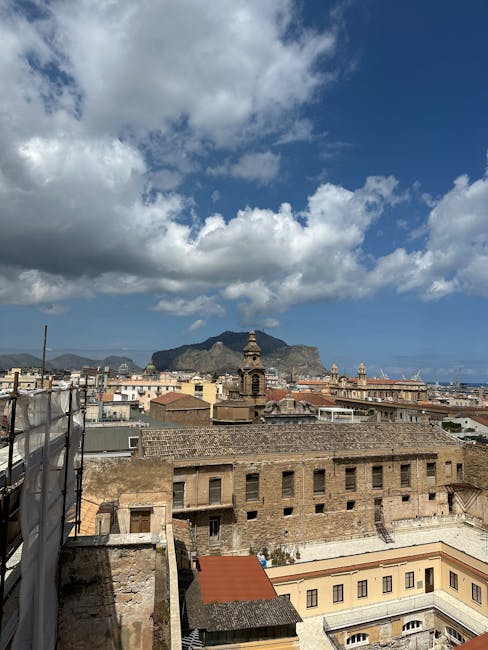
Monte Pellegrino viewpoint (SP21, Santuario di Santa Rosalia, 90135 Palermo PA) is another must-visit high point. Along the road up to the Santuario di Santa Rosalia, several parking areas and terraces give sweeping views of Palermo’s bay, the Cathedral and the urban grid. Hours: public access; the sanctuary’s visiting hours are typically 09:00–18:00 on weekdays; price: free access, parking sometimes charged €2–5. Practical tip: for night shots, Monte Pellegrino is an excellent position — bring a tripod and a torch to reach the viewpoint safely at dusk.
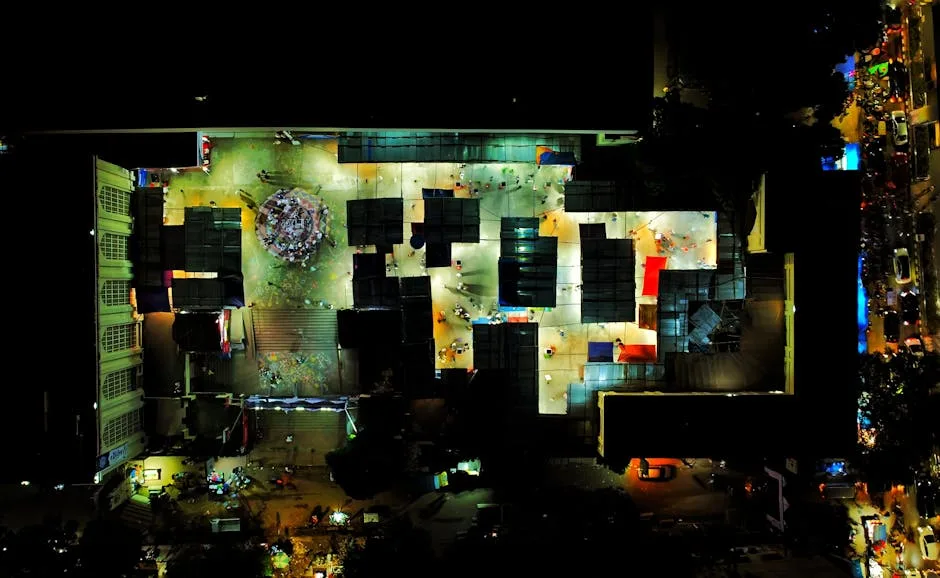
Finally, the public terrace over the Vucciria market (when temporary events are organized) can plunge you directly into urban life, a perfect juxtaposition between street activity and elevated perspective. Hours and price: event-dependent — often free during cultural days. Tip: check local programming and any permits needed for professional photo sessions.
3 — Palazzi and churches with roof or panoramic terrace access
Some historic buildings in Palermo offer visits that include terraces or elevated viewpoints overlooking the baroque city. Palazzo dei Normanni (Palazzo Reale, Piazza Indipendenza, 1 — 90129 Palermo PA) and its famed Cappella Palatina (visit in the morning to avoid crowds) provide framing opportunities from high windows and balconies onto neighboring roofs and Piazza Indipendenza. Hours: Palazzo and Cappella Palatina typically open 09:00–17:00; combined entrance around €14 (indicative, concessions for students and seniors). Tip: book ahead online to skip lines and ask the ticket desk if special guided tours allow access to less-frequented balconies.
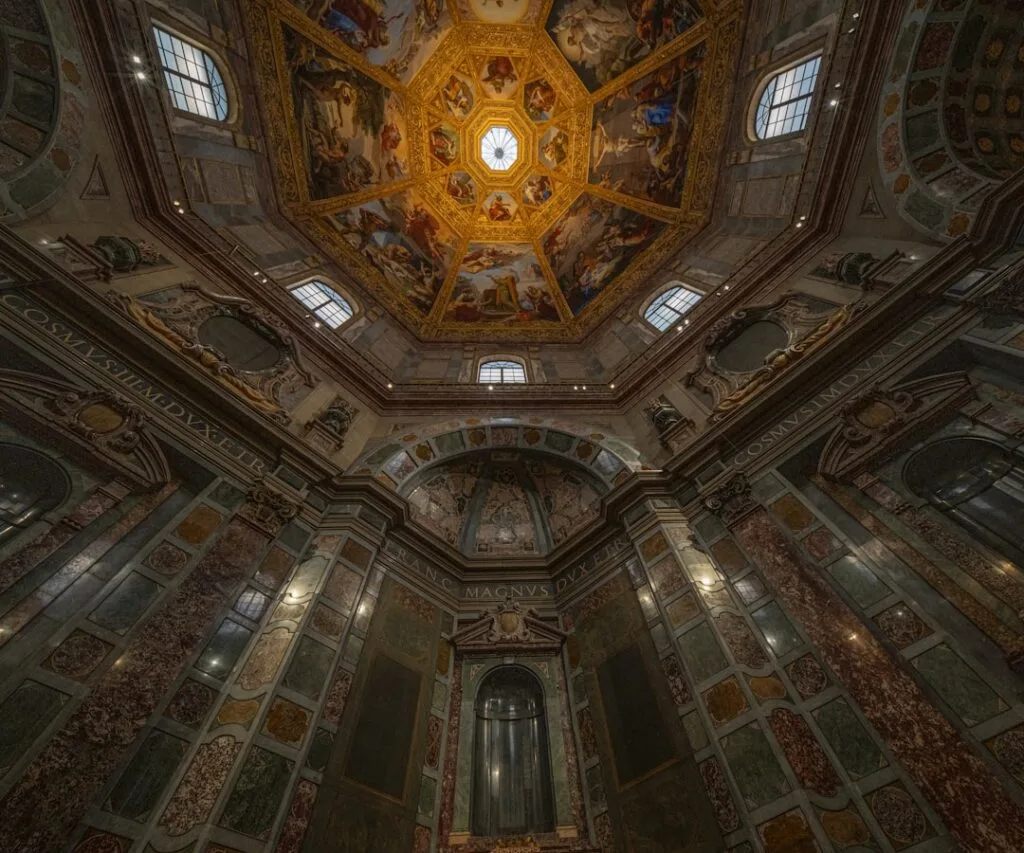
Palermo Cathedral (Cattedrale di Palermo, Corso Vittorio Emanuele, 147 — 90134 Palermo PA) is a major baroque landmark. Beyond the interior visit, the cathedral sometimes offers rooftop or terrace access via guided tours that let you photograph carved motifs and neighboring domes. Hours: general visits 09:00–18:00; terrace: very variable, guided tours in the morning and early afternoon; price: interior €5–10, terrace access usually €8–12 (subject to change). Practical advice: dress respectfully (active church), and bring a mid-range zoom (24–70 mm) to switch easily between wide shots and architectural details from the terrace.
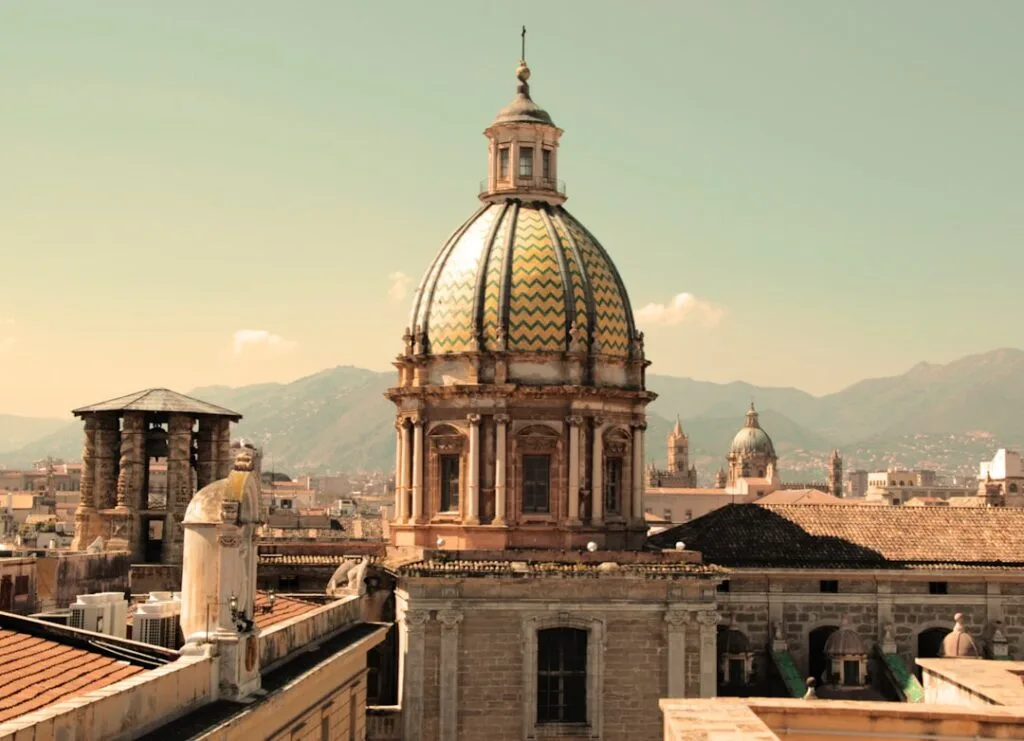
Also worth considering are San Cataldo and La Martorana (Santa Maria dell’Ammiraglio, Piazza Bellini, 13 — 90133 Palermo PA). These churches provide roof-level perspectives over Quattro Canti and the baroque arteries. Hours: Martorana often 09:00–18:00; price: small donation or modest ticket €2–5. Tip: pair a Martorana visit at sunset with a rooftop nearby to capture the golden light that reveals the mosaics’ polychromy from outside.
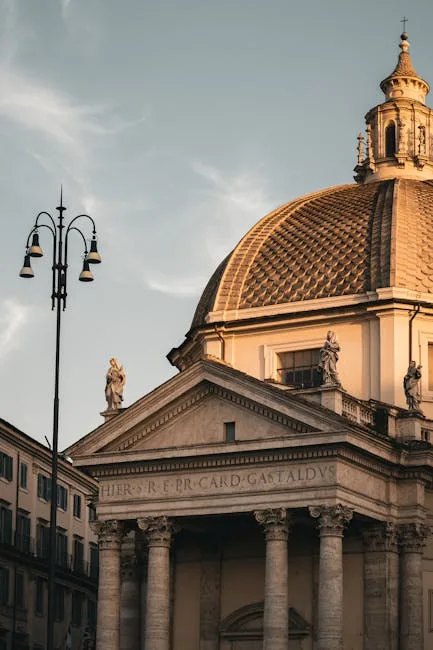
4 — Rooftop bars and restaurants: atmosphere, cocktails and night compositions
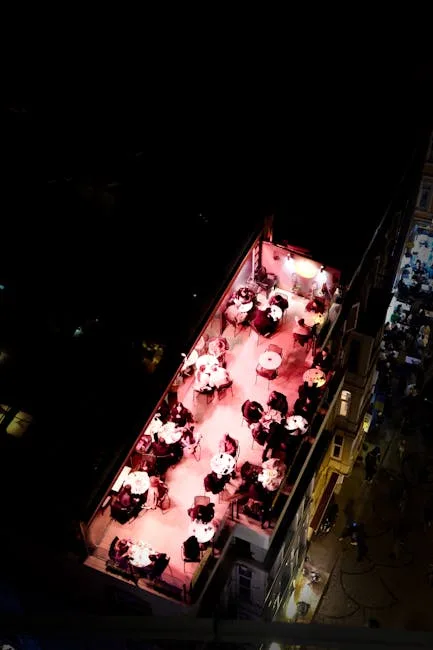
To shoot Palermo at night or during the blue hour, rooftop bars and restaurants are ideal: warm light, illuminated urban silhouettes and human activity that bring compositions to life. Among the options, Terrazza dell’Imperatore (in the Politeama neighborhood) — often the roof terrace of a restaurant or hotel — provides views of Teatro Massimo (Piazza Verdi, 90138 Palermo PA) and the baroque line of Via Maqueda. Hours: generally 18:00–02:00; price: free entry, minimum spend €10–18 depending on drink and snacks. Tip: book a table on the street-facing side and arrive before sunset to set your camera and choose the best spot.
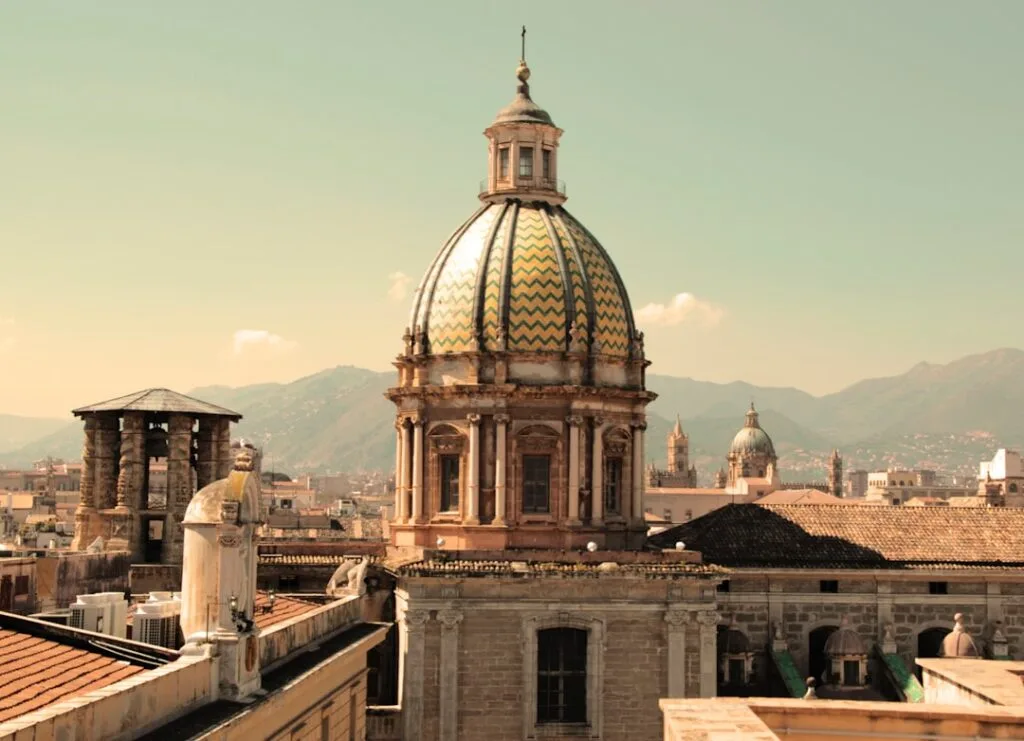
The Politeama quarter is full of friendly terraces, some of which set up temporary seating or pop-ups for photo events. Rates: variable, often consumption required; hours: 17:00–01:00. Technical tips: for night photography favor a portable tripod and moderate ISO (400–800) if you want sharp images without too much noise; or try long exposures to capture car lights and streetlamp trails.
If you’re working professionally and need a privatized space, many rooftops accept paid hires for shoots (budget €100–300 depending on venue and duration excluding drinks). Always request written permission for commercial use of images — venues care about their image and may ask for credit or compensation.
5 — Unusual spots and local tips for photographers: timing, permits and safety
To finish, here’s a roundup of lesser-known spots and practical tips to make the most of Palermo’s rooftops. Unusual spot 1: small private terraces in the Kalsa district (near Via Vittorio Emanuele) — often accessible by politely asking at B&B’s or restaurants; typical address: Kalsa B&B’s and small palazzos, ask staff. Hours: depend on the establishment; price: sometimes free for guests, otherwise a small fee €5–20. Tip: offering an exchange (a photo in return for access) can work well to gain entry.
Unusual spot 2: garage roofs converted into urban gardens or temporary terraces in the light industrial zone — these sites offer industrial perspectives with the baroque skyline in the background. Access: usually by arrangement, expect €20–50 depending on the deal. Safety tip: avoid unsecured roofs without guardrails and never stand on fragile surfaces; wear proper footwear and let someone know your location if you head out early or late.
General tips for successful shots:
- Best light: sunrise (around 05:30–07:30 depending on season) for soft light and a quiet city; sunset (roughly 18:30–20:30 depending on season) for warm tones and accent lighting.
- Lenses: wide-angle (16–35 mm) for panoramas, 24–70 mm for versatility, 70–200 mm to isolate distant details (bell towers, statues).
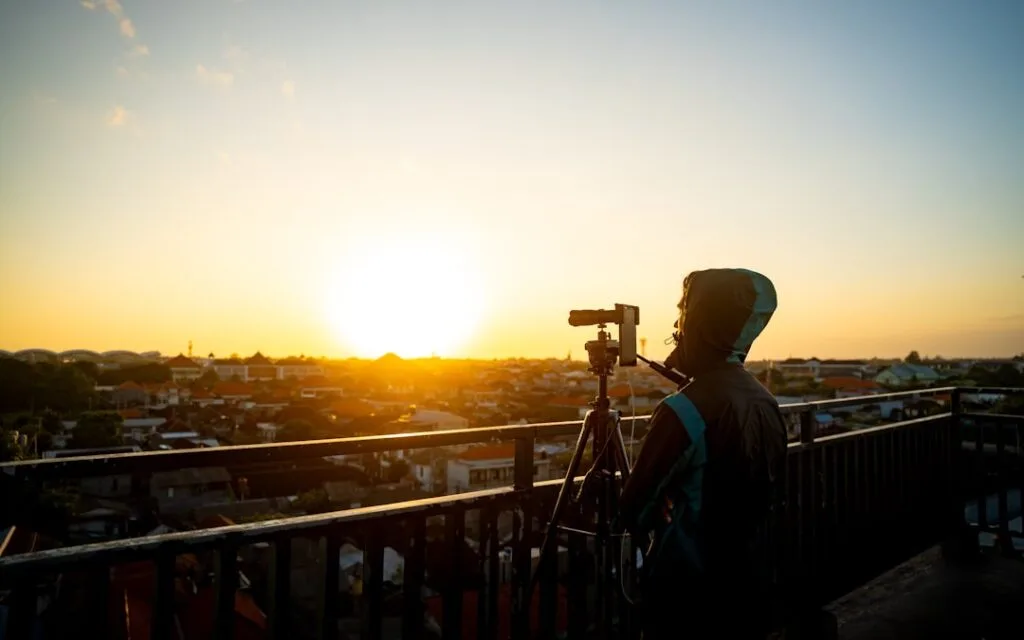
- Gear: compact tripod, variable ND filter for long exposures in daylight, spare batteries, extra memory cards.
- Permissions: always ask for access to private spaces and for commercial usage; public buildings and churches often have strict rules for professional shoots.
- Safety: avoid displaying valuables in some very touristy areas; secure your camera bag with a cable lock if you leave it while exploring on a hot day.
Local photographers also recommend combining several viewpoints in one day: start at Monte Pellegrino for sunrise, drop down to the Cattedrale di Palermo for morning light, head to the market for close street shots, and finish on a rooftop bar in Politeama or at Grand Hotel Villa Igiea for sunset. This sequence gives you a coherent series that tells the visual story of baroque Palermo.
Conclusion: Climb, frame, tell — let Palermo speak from its roofs
Photographing Palermo from its rooftops is more than collecting panoramas: it’s about understanding a city built in juxtaposed cultural and architectural layers. Historic hotel terraces like Grand Hotel Villa Igiea or Grand Hotel et des Palmes provide comfort and landmarks; public belvederes like Foro Italico and Monte Pellegrino offer wide-angle free views; palazzi, Palermo Cathedral and Palazzo dei Normanni give richly detailed baroque framing; and rooftop bars add the human, nocturnal atmosphere that turns a silhouette into a living scene. By combining these approaches you build a complete visual narrative — the city’s rise at dawn, daily life in the markets, baroque accents on façades and the nocturnal glow that makes domes and bell towers shimmer.
Before heading out, remember a few essential rules: check hours and prices in advance (the rates and opening times in this article are indicative and may change seasonally), always request permission for access to private roofs or for commercial image use, and respect the environment and the peace of the places you visit. Bring a compact tripod, lenses from wide-angle to tele, spare batteries and, above all, patience: perfect light often comes to those who wait. Palermo reveals itself slowly to those who lift their eyes and climb a little higher.
Lastly, don’t hesitate to talk with locals — B&B owners, rooftop bartenders, guides at Palazzo dei Normanni — they often point you to the hidden terrace, the palazzo window opening onto Quattro Canti, or the precise moment a sunset ignites the domes. These encounters complete the image and enrich your photographic record with anecdotes and unique compositions. Happy climbing, happy framing, and come back often: Palermo is discovered from above, and its roofs keep secrets waiting for your eye to reveal them.