





Introduction
Palermo, the vibrant capital of Sicily, is a place where history and nature meet on every corner. Between Norman palaces, colorful markets and baroque alleyways, the city also hides peaceful green sanctuaries: its gardens. Often overlooked by typical tourist routes, these green spaces offer much-needed respites for anyone wanting to escape the urban bustle, watch local life unfold, admire unique plant collections, or simply relax under the Mediterranean sun. In this article I take you on a detailed tour of the ten must-see gardens in Palermo, with practical info: exact addresses, opening hours, prices, visitor tips and immersive descriptions for each site.
Palermo’s gardens are diverse: some are historical witnesses, growing in the shadow of aristocratic palaces; others are scientific creations like the Orto Botanico, home to rare and exotic species; and some are neighborhood squares where locals meet to chat, read or bring the kids. Each garden tells a different story—from medieval Arabic gardens to romantic 19th-century promenades—and gives the city a wealth of micro-landscapes to discover through the seasons. In summer, palms and citrus trees bring welcome shade; in spring, blooms perfume the paths; and in autumn, golden light heightens architectural perspectives.
Beyond the botanical and aesthetic aspects, visiting these gardens is a way to understand Palermo’s culture: public benches become social stages where conviviality and leisurely strolling are performed. Nearby markets, sidewalk cafés, singing fountains and scattered statues all add to each site’s charm. For every one of the ten gardens presented here, I provide practical details (exact addresses, prices in euros, typical opening hours), local tips (best times to visit, how to get there, how to avoid crowds) and photographic suggestions to capture the place’s essence. Whether you love botany, are shooting historic frames, travel for calm or are traveling with family, this guide helps you plan memorable, relaxed visits.
Throughout the article I’ve included visual cues—image markers—to help you picture each spot and to guide any further image searches: sunset views, palm details, shaded alleys, wide shots of fountains. Wear comfortable shoes for sometimes cobbled paths and don’t forget a water bottle in summer: shade is precious but not always abundant. Come along as we explore these ten unmissable gardens of Palermo.
1. Orto Botanico dell’Università di Palermo (Botanical Garden of Palermo)
Address: Orto Botanico dell’Università di Palermo, Via Lincoln 2, 90133 Palermo, Italy.
Opening hours: generally open Monday to Sunday: 9:00 – 17:00; extended hours in summer (until 19:00); closed on some public holidays. (Check the notice at the entrance or the University of Palermo website for exact seasonal hours.)
Price: adult ticket around €6.00; reduced (students, seniors) around €3.00; possible free entry for children <6 years (indicative prices, buy on site or online).
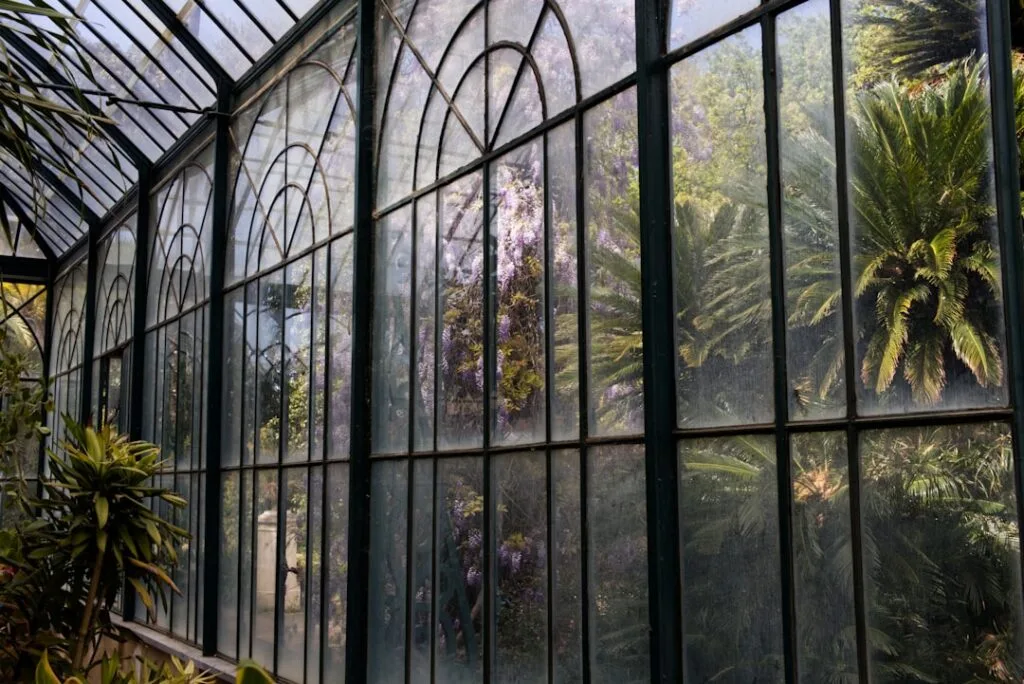
Immersive description: Founded in the early 19th century, Palermo’s Orto Botanico is one of Italy’s oldest botanical gardens. Covering nearly 10 hectares, it hosts an impressive collection of Mediterranean, subtropical and exotic plants. At the entrance, majestic palm trees and cycads catch your eye; further in, historic greenhouses shelter cactus, orchids and tropical collections. The central avenue lined with mature trees creates ideal perspectives for photography and quiet contemplation. Educational plaques scattered around explain the origin and traits of each species, turning the visit into a scientific and sensory journey.
Practical tips: Allow at least 2 hours for a full visit. In summer, start early in the morning or late afternoon to enjoy cooler temperatures and softer light. Greenhouses can be cooler—bring a light sweater. The garden sometimes offers themed guided tours (historic palms, cactus collection, medicinal plants)—ask at reception. Easy access by bus: main lines serve the Duomo/Università area; a taxi stand is nearby. Photographers should scout the main greenhouse for close-up shots of textures and colors. Respect the rules: don’t pick plants and stay on the paths.
2. Villa Giulia
Address: Villa Giulia, Foro Umberto I, 90133 Palermo, Italy (along the Foro Italico, near the seafront).
Opening hours: usually open from 7:30 to 20:30 in high season, shorter hours in winter (closing around 18:00). Special events may alter times.
Price: free access. Some installations or events may be ticketed (concerts, temporary exhibitions).
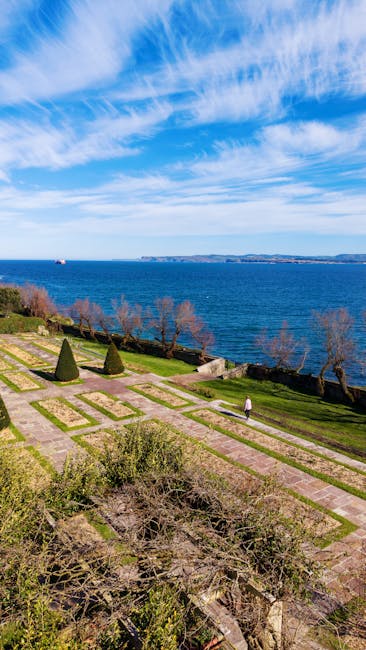
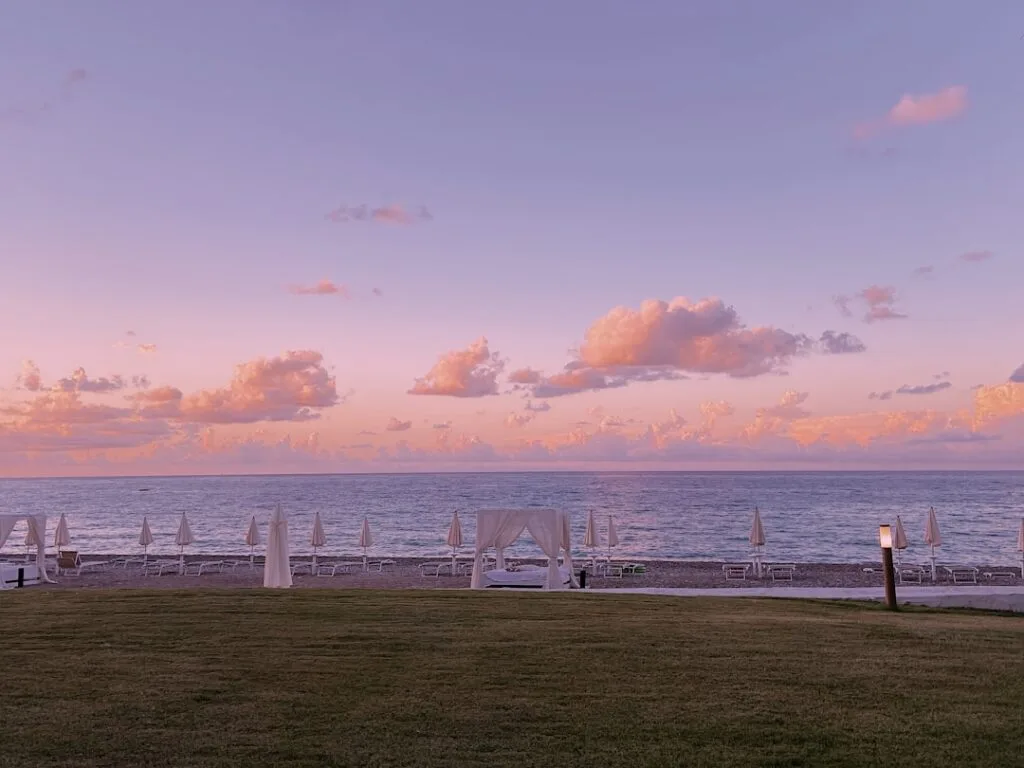
Immersive description: Villa Giulia is an iconic public park by the sea, offering a green oasis along the waterfront. Designed as an ornamental garden, its winding paths, flowerbeds and statues create varied moods—romantic corners, lawns for picnics and shady areas under plane and pine trees. The view over the port and gulf gives a sense of openness, while benches invite you to watch local life: early-morning joggers, families strolling and fishermen at dusk. Play areas, kiosks and fountains add to the park’s friendly atmosphere.
Practical tips: Perfect for a seaside sunrise or an evening stroll to enjoy the sea breeze. Bring a blanket for a lawn picnic and avoid the hottest hours of the afternoon in summer. Walkable from the historic center (about 15–25 minutes depending on your starting point) or reachable by tram/bus. Handy as a stop between Teatro Massimo and a waterfront outing. Be cautious in unsupervised areas at night—stick to daytime visits. The park often hosts free cultural events: check the municipal cultural calendar.
3. Giardino Garibaldi (Piazza Marina) – Villa Garibaldi
Address: Giardino Garibaldi (Piazza Marina), Piazza Marina, 90133 Palermo, Italy.
Opening hours: public park accessible 24/7 (daytime visits recommended for safety).
Price: free.
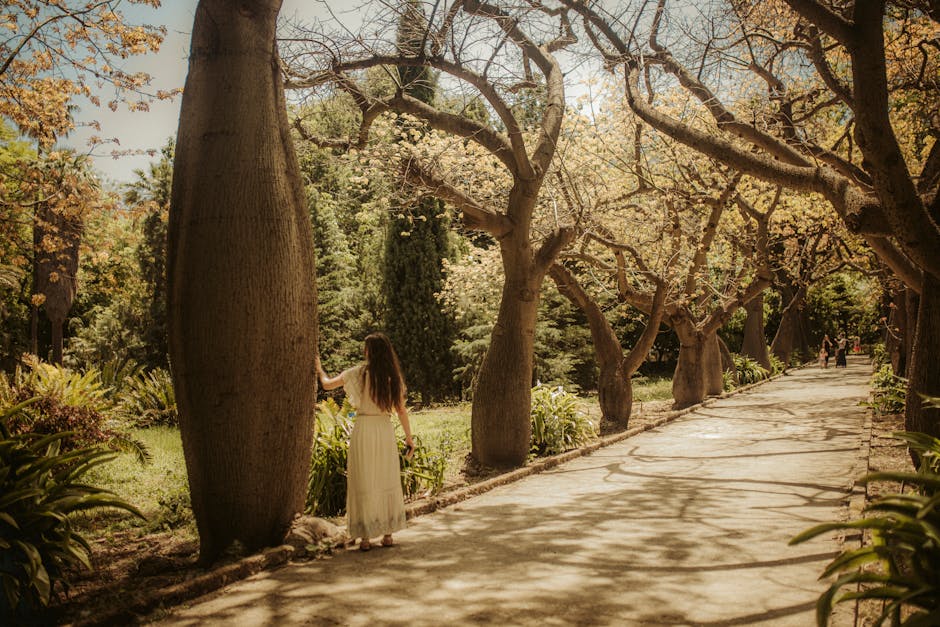
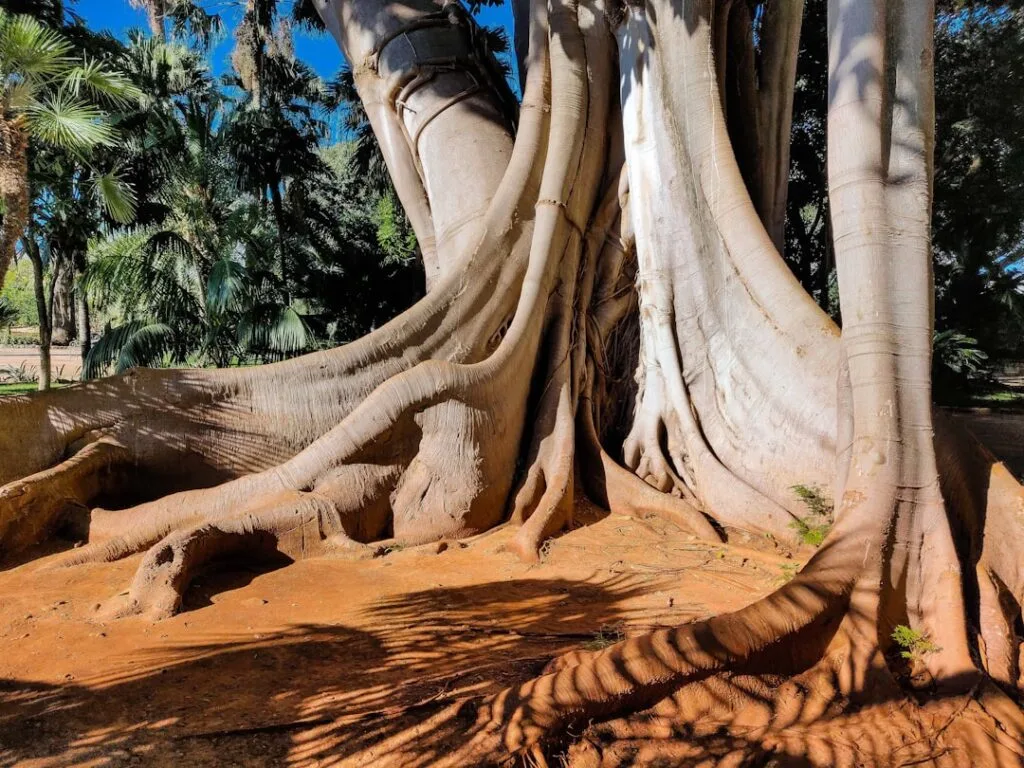
Immersive description: Situated on the expansive Piazza Marina, Giardino Garibaldi is one of Palermo’s liveliest historic gardens. Created in the 18th century, it’s famed for its rows of centuries-old trees—especially massive ficus magnolioides—and its proximity to landmarks like Palazzo Steri and the church of Santa Maria dei Miracoli. Wide paths invite leisurely walks; street vendors and nearby terraces create a typically Palermitan atmosphere. The garden also hosts several statues, a central fountain and a much-loved shaded area in summer.
Practical tips: A great spot to observe local life: elders playing cards, street performers and families. Check out the occasional book and antique market nearby on Sunday mornings. Combine this visit with the Museo del Gattopardo or a stroll toward the Kalsa district if you’re interested in architecture and heritage. For photos, focus on the sculptural trunks of the ficus and the dappled light filtering through the canopy. Beware of pickpockets in crowded areas—keep valuables close.
4. Giardino Inglese (Villa Garibaldi / Giardino Inglese area)
Address: Giardino Inglese, Via Vittorio Emanuele Orlando (near Piazza Castelnuovo/Politeama), 90138 Palermo, Italy.
Opening hours: generally open from 8:00 to 20:00; hours vary by season.
Price: free.
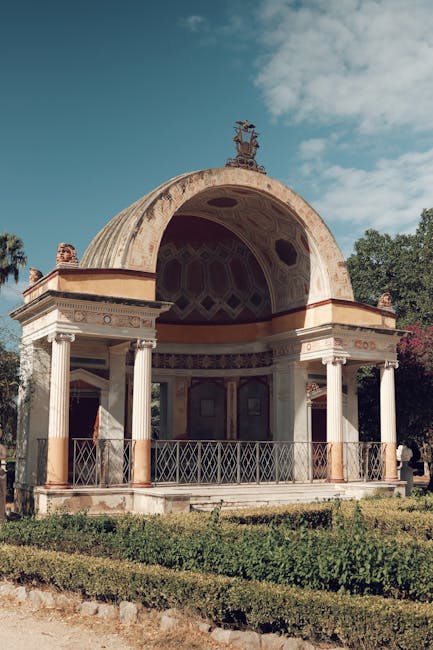
Immersive description: The Giardino Inglese, sometimes referred to locally as « Villa Garibaldi, » is an English-style romantic garden distinguished by open beds, lawns and groves. Ideally located near Teatro Politeama and Piazza Castelnuovo, it provides a green lung in a bustling neighborhood. The layout favors natural curves over strict symmetry; you’ll find shaded paths, benches, contemporary sculptures and reading areas. Its proximity to cafés and upscale shops on Corso Vittorio Emanuele makes it a great short stop between sightseeing.
Practical tips: Perfect for an early-morning break after visiting Teatro Politeama. A great spot for photographing morning or late-afternoon light. Bring a guidebook or novel—many locals use this space for studying or remote work in the shade. Cultural events (light concerts, public readings) are common in spring and summer. Easy to reach by tram or bus: Politeama/Piazza Castelnuovo stop.
5. Villa Bonanno (Parco della Favorita)
Address: Villa Bonanno, Via della Favorita (main entrance via Tenente Onorio 2?), 90135 Palermo, Italy. Parco della Favorita (the larger park) covers a broad area between the city and Monte Pellegrino.
Opening hours: Parco della Favorita generally accessible from 7:00 to 20:00; some areas open 24/7 but not recommended at night.
Price: free (private sections or specific attractions may charge).
Immersive description: Villa Bonanno is part of the vast Parco della Favorita, one of Palermo’s largest green spaces, once a royal hunting ground. Nestled at the foot of Monte Pellegrino, the park offers panoramic views, dense groves, jogging trails and picnic spots. Villa Bonanno, with its lawns and shaded avenues, is a favorite for families and athletes. You’ll often see horseback riders, runners and cyclists taking advantage of gentle long routes. Aromatic herbs and eucalyptus scents give the place a refreshing atmosphere.
Practical tips: Ideal for a gentle hike away from the historic center: bring walking shoes and water. Panoramic views toward Palermo Bay and Monte Pellegrino are fantastic at sunrise and sunset. If driving, park in designated areas and follow signs to Villa Bonanno. Picnics are common—take your trash with you to help keep the park clean. Check cycling paths if you plan to rent a bike.
6. Giardino della Zisa
Address: Giardino della Zisa, Piazza Zisa, 90135 Palermo, Italy (next to the Castello della Zisa).
Opening hours: open during the day, hours vary; generally accessible from 9:00 to 18:00 depending on season and exhibitions.
Price: public garden free; visiting the Castello della Zisa and its museum may be ticketed (around €4.00 – €8.00 depending on concessions).
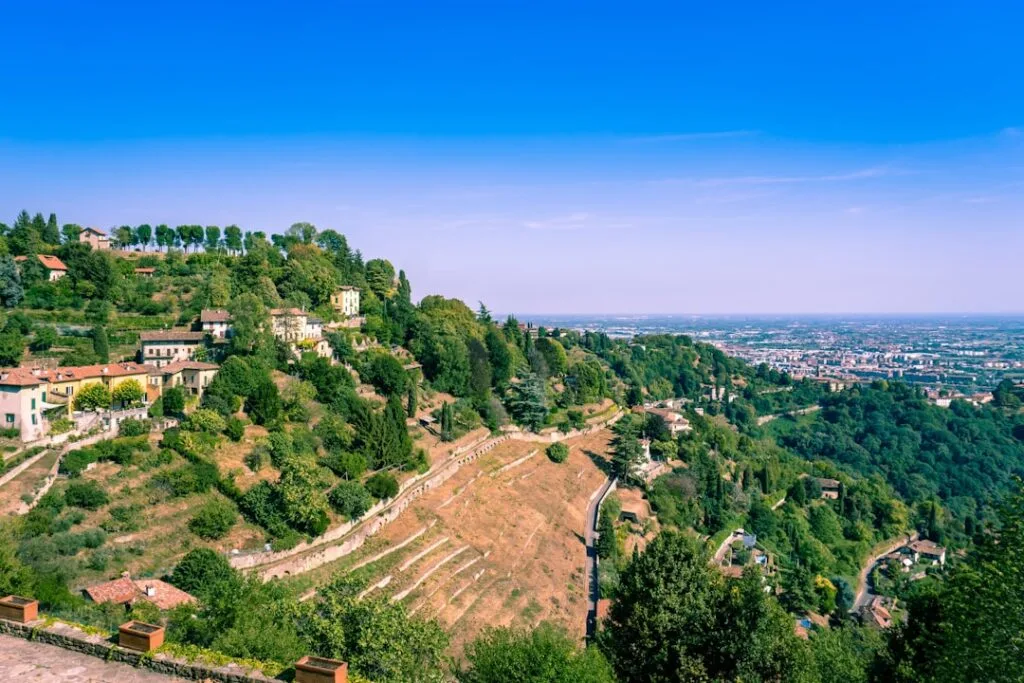
Immersive description: The Giardino della Zisa surrounds the Castello della Zisa, an Arab-origin palace now housing a museum. The garden features shaded alleys, pools, lemon trees and cypresses, preserving an atmosphere that echoes traditional Islamic gardens mixed with Mediterranean influences. The contrast between the castle’s ochre façade and the green plantings makes for photogenic compositions—especially when the light hits the walls. This quieter, historically rich spot is less busy than the larger central parks.
Practical tips: Combine the garden with a visit to the Castello della Zisa to appreciate Palermo’s Arab-Norman heritage. Allow a half-day to take your time, especially if you plan to see the museum collections. On-site historical explanations enrich the visit; ask about audio guides. In summer, seek shade near the pools and bring a hat and water.
7. Villa Niscemi
Address: Villa Niscemi, Via Niscemi 2, 90133 Palermo, Italy (south of the historic center, close to the Palazzo dei Normanni).
Opening hours: guided tours of the villa and gardens by reservation / hours vary (generally tours run between 9:00 and 18:00).
Price: park entry often free; guided tours of the villa and gardens around €5.00 – €10.00 (depending on exhibitions and organization).
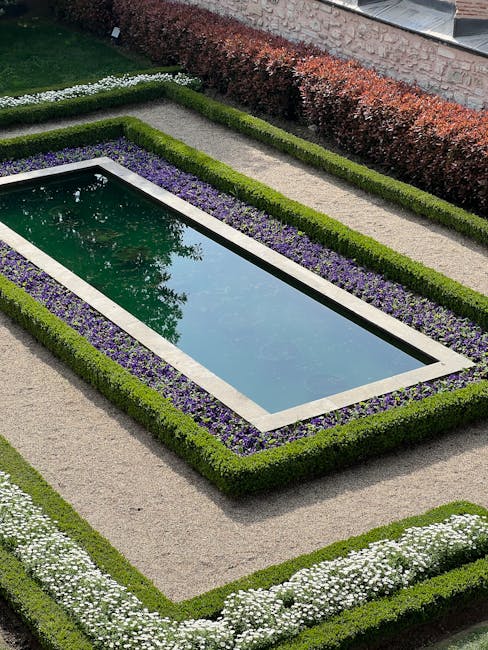
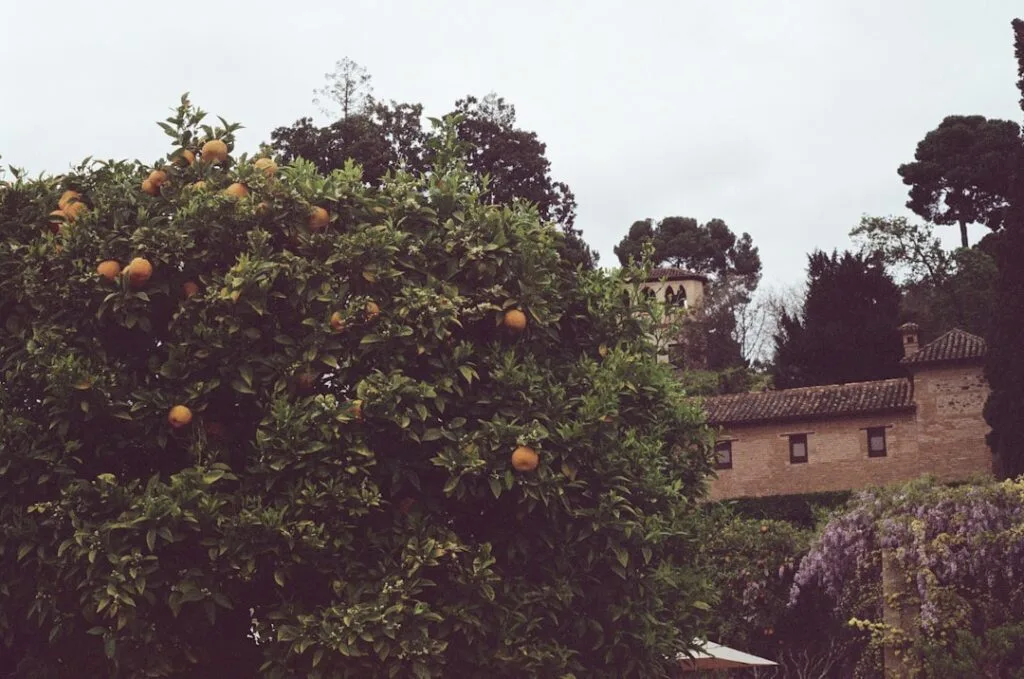
Immersive description: Villa Niscemi is an elegant aristocratic residence surrounded by refined gardens, once a noble estate and now a municipal venue. Walkways are lined with orange trees, palms and manicured beds; the villa’s graceful façade lends an air of countryside nobility within the city. The garden is often used for receptions and cultural events and offers views over Palermo’s rooftops from slightly elevated vantage points.
Practical tips: A guided tour is recommended to access interior rooms and learn about the family and villa’s history. Check availability and book in advance if you need an English-language tour. The park is pleasant for a quiet afternoon—bring a book to read under the orange trees. Walking from the Norman Palace is an enjoyable and easy route.
8. Giardino dei Giusti (Parco Uditore vicinity)
Address: Giardino dei Giusti, Parc Uditore area, Viale Resurrezione / Viale del Fante (near Parco Uditore), 90137 Palermo, Italy.
Opening hours: generally open to the public during the day (8:00 – 19:00 approximate).
Price: free.
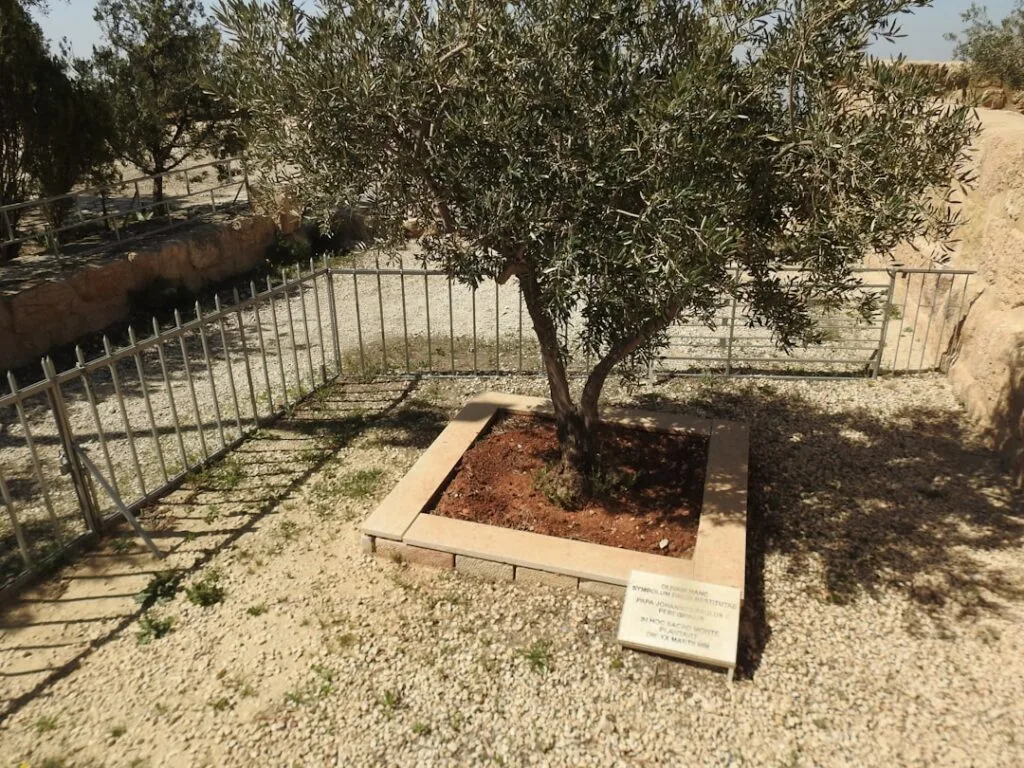
Immersive description: The Giardino dei Giusti, located near Parco Uditore, is a memorial garden honoring the « Righteous »: people who risked their lives to save others during totalitarian regimes. The site combines a sober, contemplative layout—paths, benches and small groves—with commemorative plaques and olive trees planted in tribute. The atmosphere encourages reflection and serenity; the landscape design emphasizes simplicity and permanence.
Practical tips: Best visited in the middle of the day for a quiet, reflective break away from crowds. Bring water and observe the peaceful, symbolic nature of the site. Parco Uditore nearby offers playgrounds and walking paths—pair the two for a family outing. Accessible by bus from the historic center; expect about 20–30 minutes travel time.
9. Orto dei Semplici / Medieval Garden (Historic quarters)
Address: often located within historic quarters near the Regional Archaeological Museum or integrated into cultural circuits (address varies by installation; a frequent example is a small « Orto dei Semplici » near the Complesso Monumentale dello Spasimo or the Museo Archeologico Regionale Antonio Salinas).
Opening hours: variable by site; generally open during the day (9:00 – 17:00).
Price: often free or included in the adjacent museum ticket (€2.00 – €6.00 indicative).
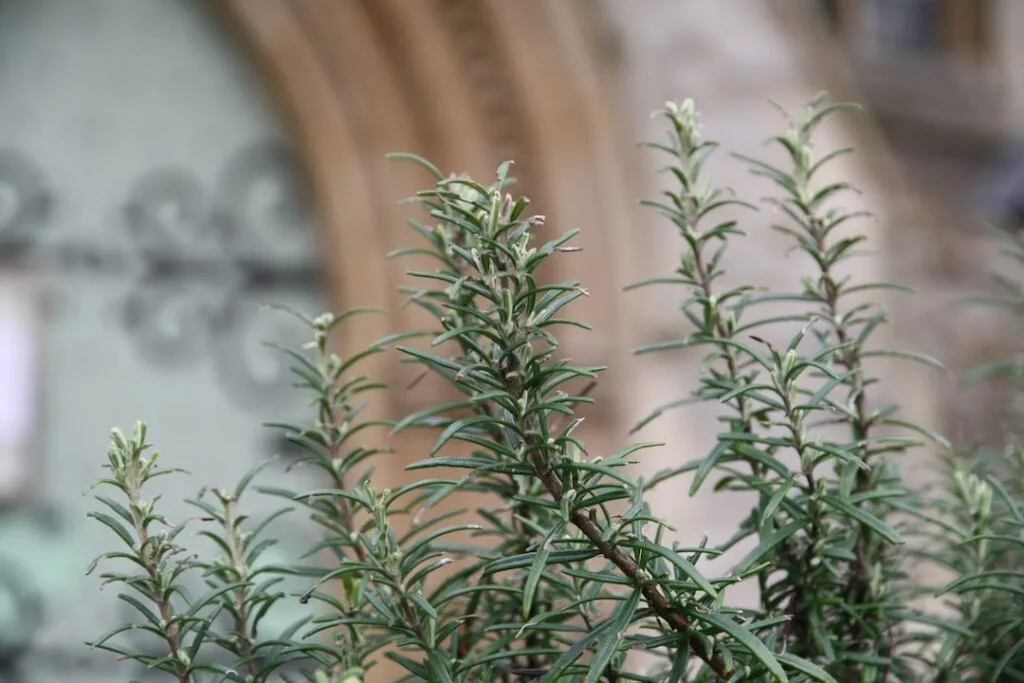
Immersive description: The Orto dei Semplici (garden of simples) and recreated medieval gardens around Palermo are small educational plots devoted to medicinal, aromatic and culinary plants used through the ages. These compact, often enclosed squares evoke monastic gardens and ancient botanical traditions. You’ll find sage, rosemary, lavender, mint and local citrus varieties, with panels explaining their historical and modern uses. These spots offer hands-on contact with plants and a living reading of the ties between culture and nature.
Practical tips: Great for families and botany lovers. Look for children’s workshops or guided tours sometimes run in collaboration with museums. These gardens are usually small—combine a visit with a neighboring museum (for example Spasimo or Salinas) for a full cultural day. Take notes or photos of the labels to enrich your own herbarium.
10. Parco Uditore (Parco della Favorita extension)
Address: Parco Uditore, Viale della Resurrezione / Viale del Fante area, 90137 Palermo, Italy (northwest area of the city, nearer the coast but more inland than Favorita).
Opening hours: park generally open from morning until dusk (8:00 – 20:00 in summer).
Price: free.
Immersive description: Parco Uditore is a large, modern green space beloved for its lawns, playgrounds, cycle paths and small woods. The contemporary layout focuses on multifunctionality: sport, relaxation, outdoor events and family walks. Flower beds alternate with broad open spaces where locals play football, practise yoga or walk their dogs. Tree-lined paths provide shady retreats, and viewpoint corners offer interesting city and coastal vistas.
Practical tips: An excellent choice for families and anyone looking to exercise outdoors. Bring comfortable shoes to enjoy trails and paths. The park is well connected by public transport; consider renting a bike to cover more ground. In late afternoon the park livens up and often hosts markets or local events—check the municipal calendar. As always, follow local rules on litter and appropriate use of sports areas.
Conclusion
Palermo shows its most tranquil side in its gardens, where history, botany and everyday life blend harmoniously. From the prestigious Orto Botanico dell’Università di Palermo, rich with rare species and historic greenhouses, to intimate spots like Giardino della Zisa, each space offers a different angle on the city and how Palermitans engage with nature. Public parks—Villa Giulia, Giardino Garibaldi, Parco Uditore and the Favorita—are social hubs where you can watch local rhythms, from morning joggers to families picnicking on Sundays. Historic villas like Villa Niscemi and Villa Bonanno add an aristocratic note, reminding visitors of the city’s noble past: strolling through them is like walking across centuries and landscape styles.
To make the most of your time, I suggest a themed loop: start the morning at the Orto Botanico for a botanical and scientific introduction, stop for lunch around Piazza Marina by Giardino Garibaldi, then spend the afternoon exploring historic gardens (Giardino della Zisa, Villa Niscemi) for their architectural charm. When temperatures are high, favor morning or late-afternoon visits and always bring water, sun protection and comfy shoes. Many of these spaces are free or inexpensive, so you can fit several stops into a single day without breaking the bank. Keep an eye out: gardens often host cultural events, small markets and spontaneous performances that enrich your visit.
Remember that the value of Palermo’s gardens goes beyond scenic beauty: it lies in their power to tell the story of a city shaped by Arab, Norman, Spanish and Italian influences. Every path, planting choice and water feature reads like a page of living history. Whether you’re a photographer, plant enthusiast, romantic traveller or a family in search of outdoor space, Palermo’s gardens offer more than a pause—they’re full experiences. Take your time, talk with locals and return across the seasons: each visit will reveal new details and fresh light.