





Introduction: Uncovering a Forgotten Story — the Giudecca and the Jewish Presence in Palermo
Palermo, the turbulent, magnetic capital of Sicily, is famous for its cultural mashup: Greek, Roman, Byzantine, Arab, Norman, Spanish… and Jewish. Beneath layers of stone and down winding alleys, the memory of the Giudecca — Palermo’s historic Jewish quarter — has faded, absorbed by rebuildings, religious conversions and urban change. Yet if you walk through the Kalsa, the Piazza Marina, the Cassaro (today Corso Vittorio Emanuele) and bustling markets like Ballarò, you can still sense echoes: place names, archaeological traces and architectural clues that point to a Jewish presence stretching back many centuries.
This article offers an immersive dive into that forgotten history: it paints the Giudecca as recorded in medieval and modern archives, lists the spots where Jewish memory remains readable today, pinpoints addresses for monuments and museums worth visiting, gives practical tips for travelers and aims to recreate the atmosphere of the neighborhood. The goal isn’t simply to catalogue facts but to convey the life of a quarter once animated by craftsmen, merchants, scholars and families — and to explain how the imprint of that past is still visible in the city’s streets, buildings and food traditions.
Curious travelers will find concrete information here — addresses, typical opening times, entry fees — and suggestions for planning a visit that is both sensitive and informed. We’ll also address the difficult issue of the progressive disappearance of tangible traces: demolitions, repurposing of buildings, and the search for identity and heritage. Far from a dry chronicle, this text is meant as a field guide for anyone who wants to explore the Giudecca by walking, observing, asking locals questions and visiting the cultural sites that illuminate this often-overlooked chapter of Palermo’s story.
Finally, we’ll share practical local tips — when to visit for the best light, how to combine a Giudecca walk with a stop at the markets or the Galleria Regionale della Sicilia Palazzo Abatellis, and how to behave in fragile sites. Jewish memory in Palermo hasn’t disappeared: it’s imprinted in numerous traces, sometimes discreet, sometimes striking. Follow the threads of alleys and stones; the Giudecca still has much to tell.
The Medieval Giudecca: Geography, Daily Life and Remains
In the Middle Ages the Giudecca of Palermo wasn’t a single narrow lane but a dense, functional quarter, usually located near trade routes and the harbor. Its exact footprint shifted over time due to forced relocations, municipal edicts and urban renovations, but the Giudecca typically settled near the commercial arteries: around Corso Vittorio Emanuele (formerly the Cassaro), at the edge of the Kalsa and close to the streets leading to the Ballarò and Vucciria markets. Medieval records mention Jewish families active in the grain, spice, textile and leather trades, as well as in learned professions like medicine and translation.
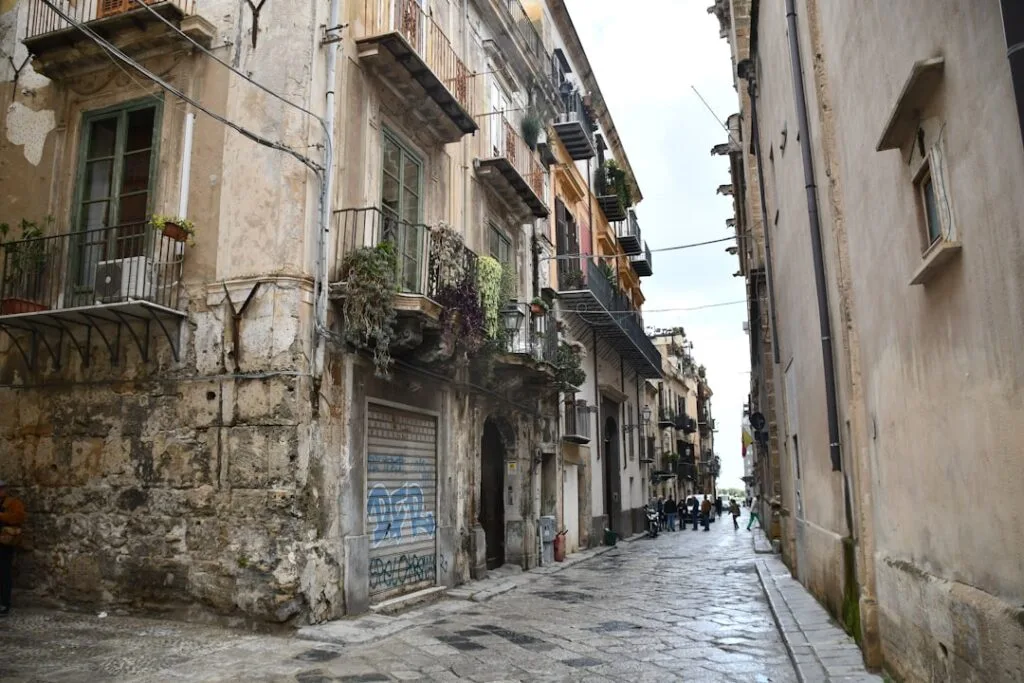
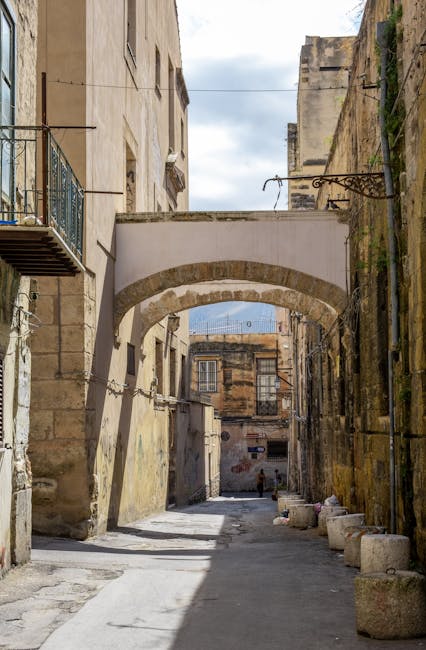
Visually, the Giudecca was marked by narrow lanes, inner courtyards and low façades. Many houses had vaulted cellars and shop-fronts opening directly onto the street. Today, spotting the Giudecca takes a keen eye: look for place names (streets called “Giudecca” in some areas or commemorative plaques), reused stone inscriptions embedded in church or palace walls, and occasional archaeological remains beneath the floors of churches and convents.
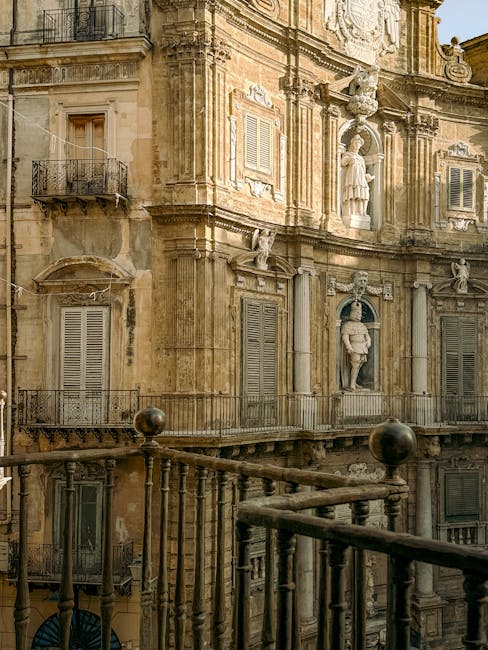
One of the most tangible clues is how some civil and religious buildings have absorbed or replaced Jewish structures. For example, the Chiesa di Santa Maria dell’Ammiraglio — better known as La Martorana (Piazza Bellini, 3, 90134 Palermo) — displays a layering of styles and historical strata that reflect the neighborhood’s ups and downs. Abbeys and some convents were sometimes built on plots once occupied by Jewish homes, and archaeological work has unearthed pottery fragments and dwelling remains.
Practical tip for visitors: to sense the medieval layout, set out early in the morning when low sunlight grazes the façades and vendors are starting to set up. Walk from the Piazza Pretoria down toward the Kalsa, then follow Corso Vittorio Emanuele to the Porta Nuova to get a feel for how commercial flows worked. There’s no single, fenced-off “Jewish site” to visit today: you need to mentally reconstruct the urban weave by connecting plaques, street names and archival displays in local museums.
Key Sites, Monuments and Museums to Understand the Jewish Presence
Although few medieval synagogues survive in Palermo, several places and institutions help trace the Jewish presence and influence. Here are concrete addresses and what you can expect to find.
-
Galleria Regionale della Sicilia – Palazzo Abatellis
Address: Via Alloro 4, 90133 Palermo.
Hours: Tuesday–Sunday 09:00–19:00, closed Monday.
Typical price: €8 full price (reductions for age or temporary shows).
Description: A museum of medieval and Renaissance art; its collections include pieces and archival panels useful for placing the Giudecca in an artistic and social context. Studying the artifacts and decorative styles reveals the cultural exchanges between communities. -
Chiesa di Santa Maria dell’Ammiraglio (La Martorana)
Address: Piazza Bellini, 3, 90134 Palermo.
Hours: generally 07:00–12:00 and 15:30–18:30 (may vary with services).
Entry: donation suggested (€3–€5).
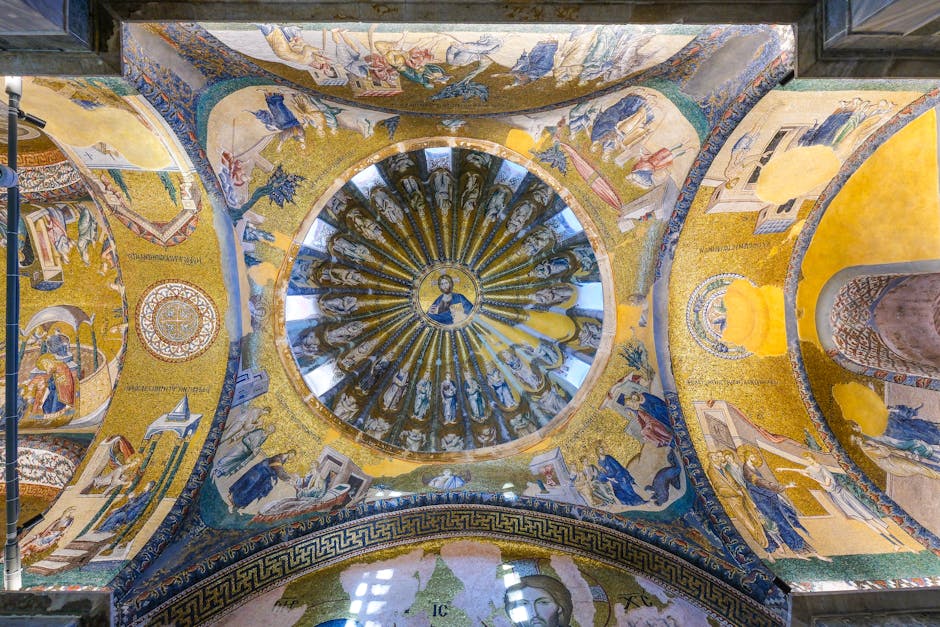
Description: A Norman-Byzantine church with spectacular mosaics; built in the 11th century, it illustrates the overlay of cultures and how Christian sacred spaces sometimes replaced formerly diverse neighborhoods. -
Teatro Massimo (guided tour)
Address: Piazza Verdi, 90138 Palermo.
Tour hours: typically 09:30–17:30 (last departures vary).
Price: around €10–€12 for a guided tour (reduced rates may apply).
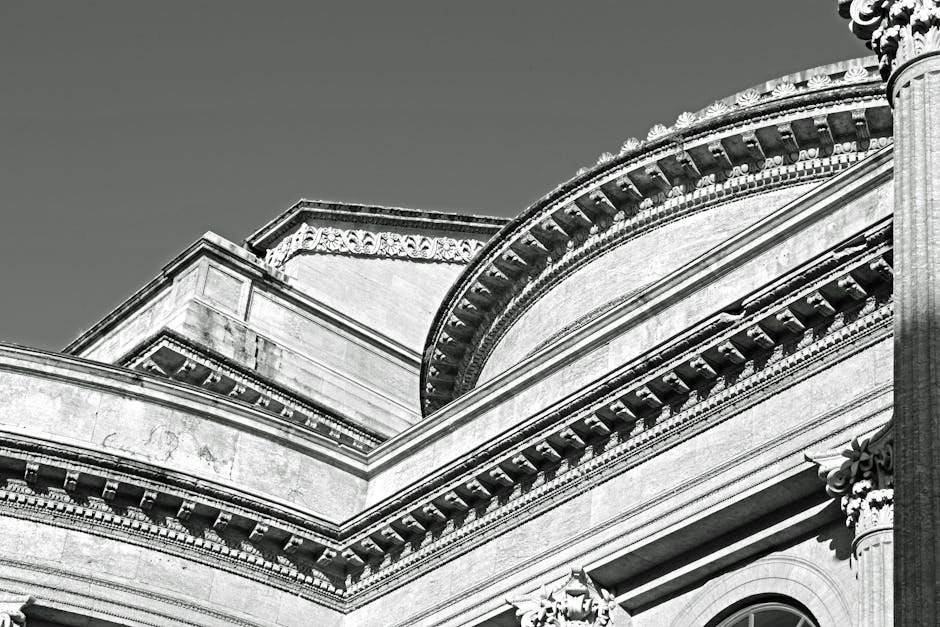
Description: Beyond its architectural beauty, the theater and its surroundings show Palermo’s urban evolution in the 19th–20th centuries — a period when Jewish memory was reinterpreted through the lens of modernization. -
Mercato di Ballarò
Address: Via Ballarò (area), 90134 Palermo.
Hours: early morning until around 14:00 (best between 07:00–11:00).
Free to wander (costs vary if you buy food).
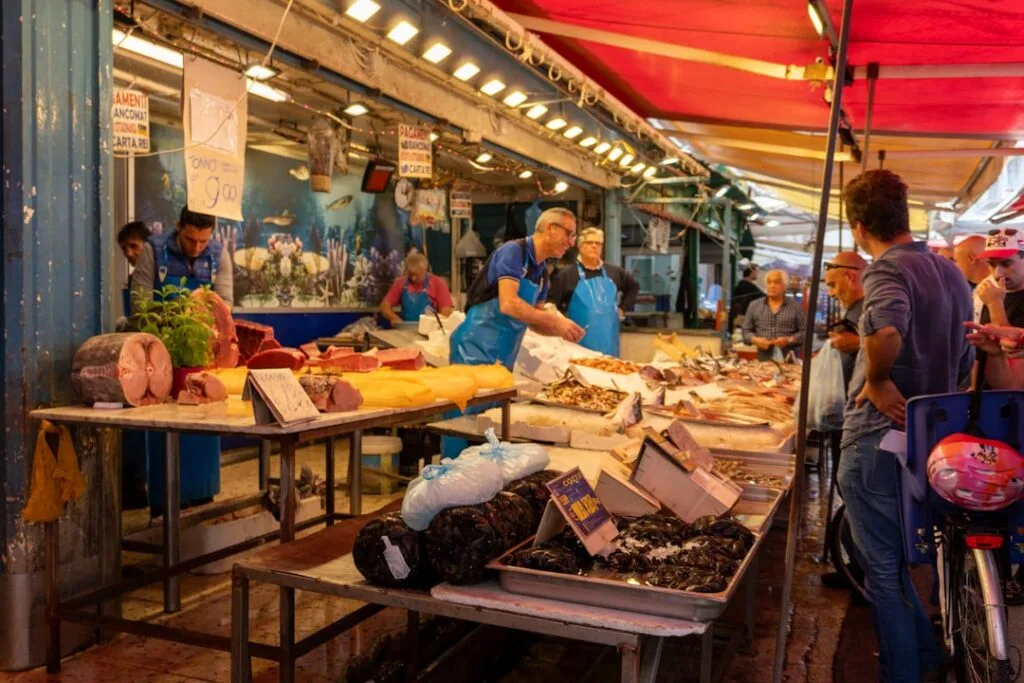
Description: A historic market where you can spot food traditions inherited from medieval and Arab periods; Jewish presence is readable in certain culinary practices and in long-standing trading locations. -
Complesso dello Spasimo
Address: Piazza dello Spasimo, 90133 Palermo.
Hours: variable depending on exhibitions (often 10:00–18:00).
Price: varies with events (typically €5–€8 for exhibition entry).
Description: A former monastic site converted into a cultural venue; themed exhibitions sometimes present historical dossiers on religious cohabitation in Palermo.
Practical tip: to confirm hours and prices (which can change in high season), check official websites or call the venues the day before your visit. From April to October, arrive early to avoid queues at Palazzo Abatellis and to see the Martorana’s mosaics in golden light.
Subtle Traces: Streets, Names, Archaeology and Oral Memory
Many signs of the Giudecca are not presented as tourist attractions — they live in toponymy, family memory and the archaeological layers beneath buildings. Spotting these clues requires curiosity and time. Street names, for example, can hint at trades or families historically linked to the Jewish community. Local archival research (Archivio Storico Comunale di Palermo, accessed from Via Maqueda/Corso Vittorio Emanuele depending on your starting point) reveals baptismal records, conversions and business transactions.
Occasional digs carried out during public works have sometimes uncovered pits, medieval Jewish pottery fragments, drainage systems and remains of domestic structures. These finds are rarely on permanent display but appear in regional archaeology catalogs or temporary exhibitions at the Galleria Regionale. To go deeper, get in touch with the Servizio Beni Culturali della Regione Siciliana (around the Palazzo dei Normanni) which coordinates some publications and exhibits.
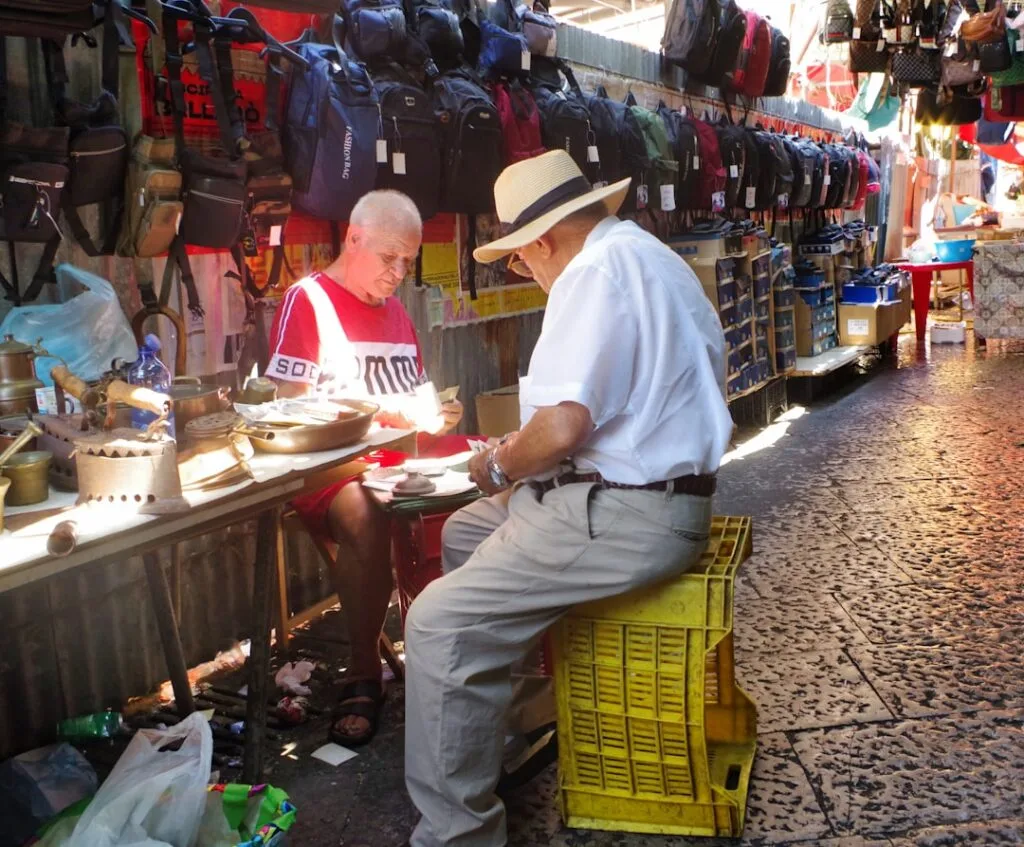
Oral memory is just as valuable: talk to Ballarò vendors and longtime Kalsa residents — many preserve family stories about neighbors “of the Jewish faith” or properties sold and transformed over centuries. Those personal accounts provide nuances that no single plaque can convey.
Practical tips: carry a notebook and pen to jot down names and addresses locals mention; ask permission before recording interviews; and allow time for archive visits (often by appointment and with ID required). The best hours for listening to stories are mid-afternoon in Vucciria cafés, when the market quiets and older residents gather to chat.
Practical Visit Tips and a Suggested Half-Day Itinerary
If you have a half-day (3–4 hours) in Palermo and want to focus on the Giudecca and Jewish memory, here’s a pragmatic, sensory itinerary with timing tips and estimated costs.
- Start at 08:30 at the Cattedrale di Palermo (Piazza Duomo, Corso Vittorio Emanuele): admire the façade and locate the Cassaro — free to view from outside, interior visit around €3–€5 depending on season; morning hours typically 07:30–18:00. Use the soft morning light to photograph the sunlit stone.
- 09:15: Walk down to Piazza Pretoria and follow Via Maqueda to reach Chiesa di Santa Maria dell’Ammiraglio (La Martorana). Donation entrance €3–€5; allow 30–45 minutes to study the mosaics.
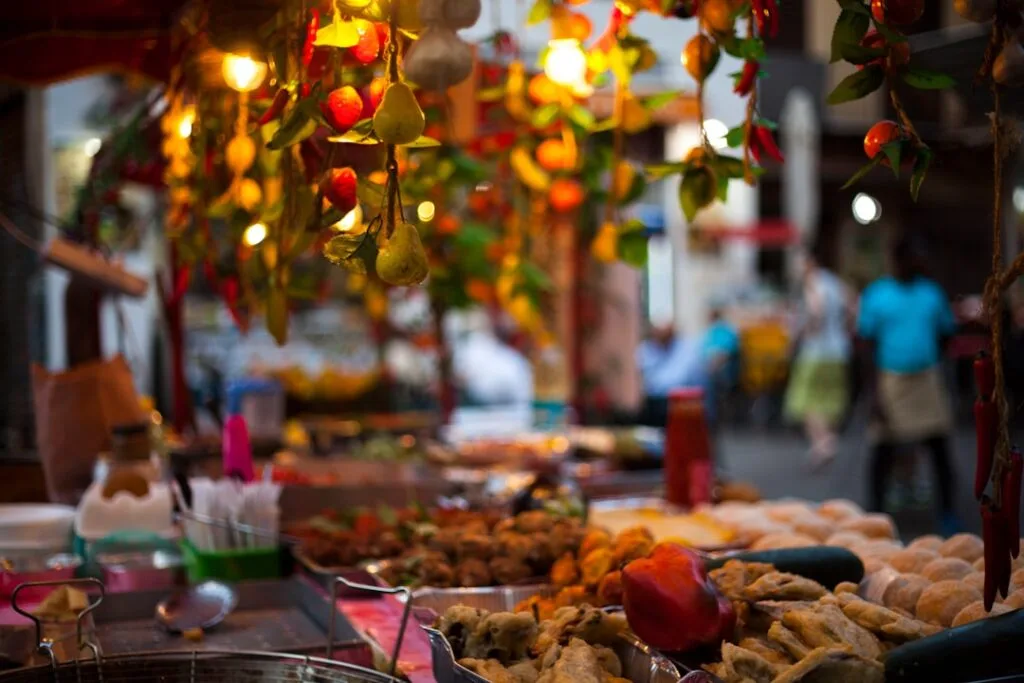
- 10:15: Stroll through the Ballarò market (Via Ballarò) — perfect for trying an arancino or a pane ca’ meusa (tripe sandwich) — street-food prices €3–€6; observe the market vibe that echoes the Giudecca’s commercial past.
- 11:00: Visit Palazzo Abatellis (Via Alloro 4) — €8 full price; spend 60–90 minutes with the collection. If time allows, finish with a coffee on Piazza Marina.
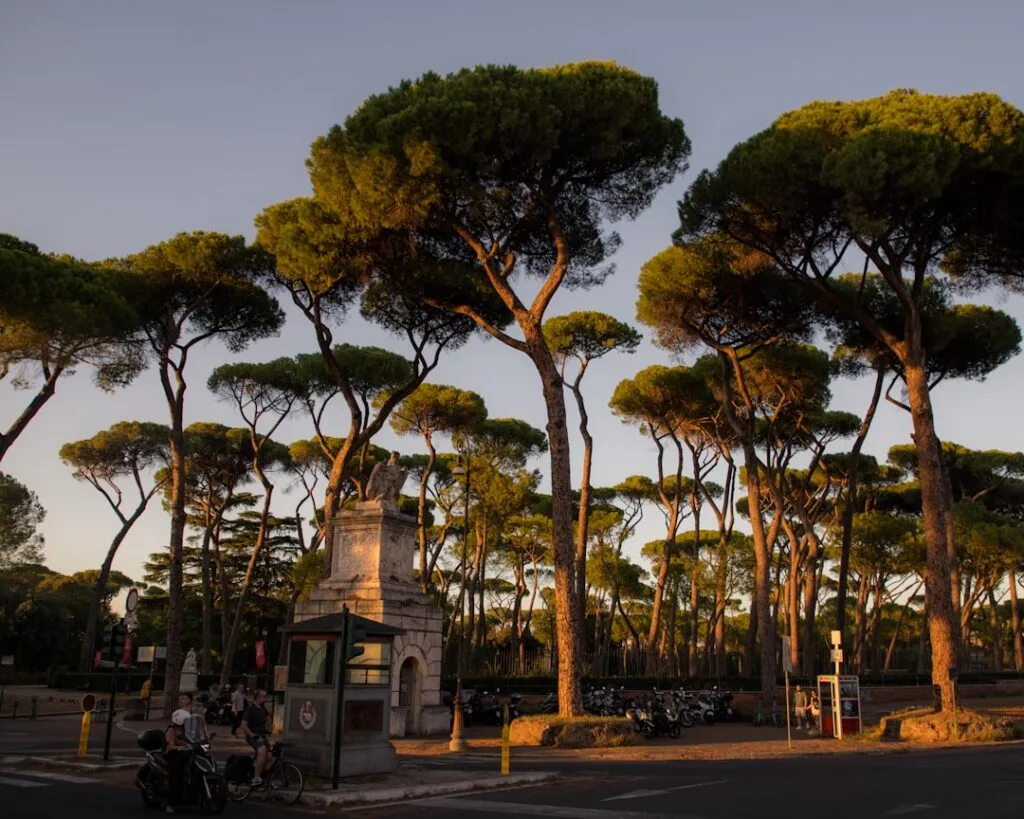
Extra practical advice: wear comfortable shoes (cobblestones and narrow lanes), bring a reusable water bottle (public fountains exist in the old town), and plan coffee or gelato breaks to soak up local life. If you’re traveling in high season (June–September), start even earlier to avoid heat and crowds. Also, respect sacred places: cover your shoulders and avoid very short shorts when entering churches.
Conclusion: Giving Voice and Visibility to a Fragile Memory
The Giudecca and the Jewish presence in Palermo make up an essential chapter of the city’s history — a story long marginalized and sometimes erased by political, religious and urban forces. Erasure doesn’t mean total disappearance: traces persist in the stones, the layout of neighborhoods, in place names and in food. Understanding this history requires patience, cross-referencing sources and listening to residents. Museums and monuments — Palazzo Abatellis, La Martorana, the Complesso dello Spasimo, and the living energy of markets like Ballarò — are all gateways to a deeper, more nuanced understanding.
Restoring visibility to the Giudecca today is also a civic act: document, preserve and tell the story. Local initiatives — temporary exhibitions, archival publications and themed guided tours — are vital tools to prevent this memory from being reduced to mere background tourism. For travelers, the recommended attitude is twofold: approach with respect and curiosity, and support the local actors working to conserve this heritage (museums, cultural associations, local historians). At fragile sites or when hearing oral testimonies, favor donations to institutions and responsible sharing of stories.
Practically speaking, discovering the Giudecca fits naturally with other Palermo highlights: a morning at Palazzo Abatellis, a stop at La Martorana to admire Byzantine splendor, and an immersive stroll through the markets. By linking these steps you gradually reconstruct the image of a once-vibrant quarter. Jewish memory in Palermo is not frozen; it’s alive, made of reappearing fragments, scattered objects and family tales. By exploring it, visitors do more than look at monuments: they help circulate a history that deserves to be told and preserved.
If you want to go further after your visit, contact regional cultural services, consult academic publications on medieval Sicilian history, or join a specialized guided tour (often announced via tourist offices or Palermo cultural associations). It’s through the combination of personal curiosity and collective effort that the Giudecca will gradually reclaim the place it deserves in Palermo’s memory.