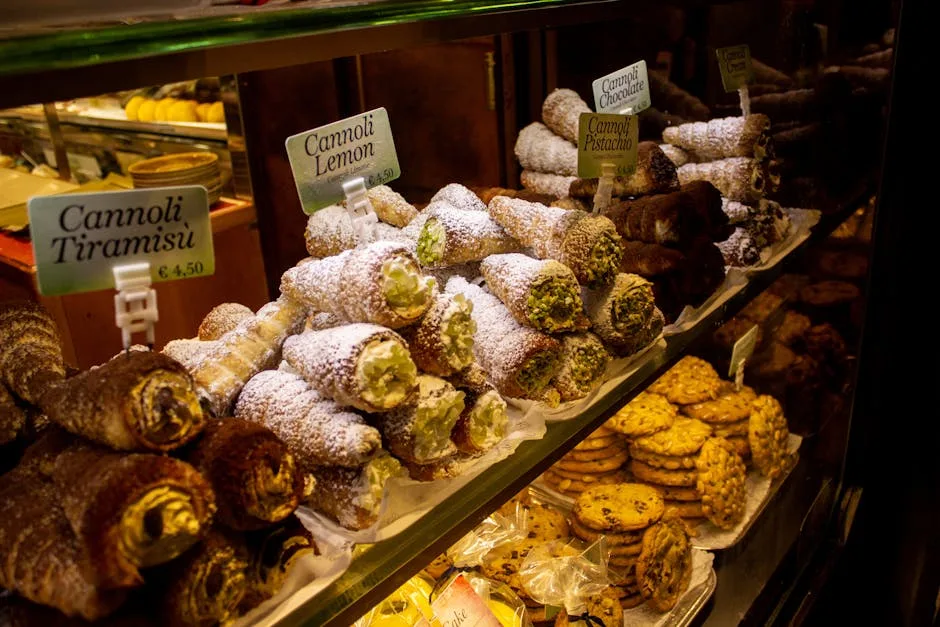






Introduction: Cannoli Workshop — dive into Palermo’s sweetest tradition
Palermo is a city of contrasts, where the blue of the Mediterranean meets baroque façades and bustling markets. Among the many culinary temptations of the Sicilian capital, the cannolo (plural: cannoli) stands out: a sweet emblem of a food heritage shaped by centuries of conquests, exchanges and local inventiveness. Taking a cannoli workshop in Palermo is more than learning a recipe: it’s stepping into a living story — inhaling the aromas, feeling the dough under your hands, tasting fresh ricotta and understanding how this little crunchy tube became one of the island’s most iconic taste postcards.
In this in-depth guide I’ll take you through everything about cannoli workshops in Palermo: from historical origins to professional techniques, from the best places to learn to the classic shops for tasting, plus practical tips for booking, choosing the right class, and getting the most out of the experience. You’ll find concrete names and addresses, opening hours, estimated prices and immersive descriptions to help you picture — and plan — your cannoli adventure step by step.
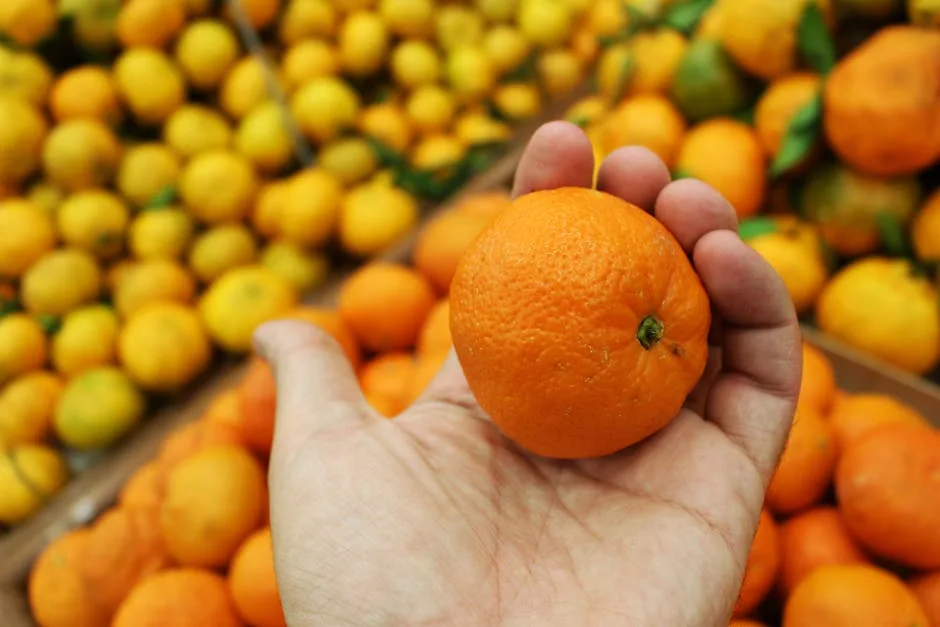
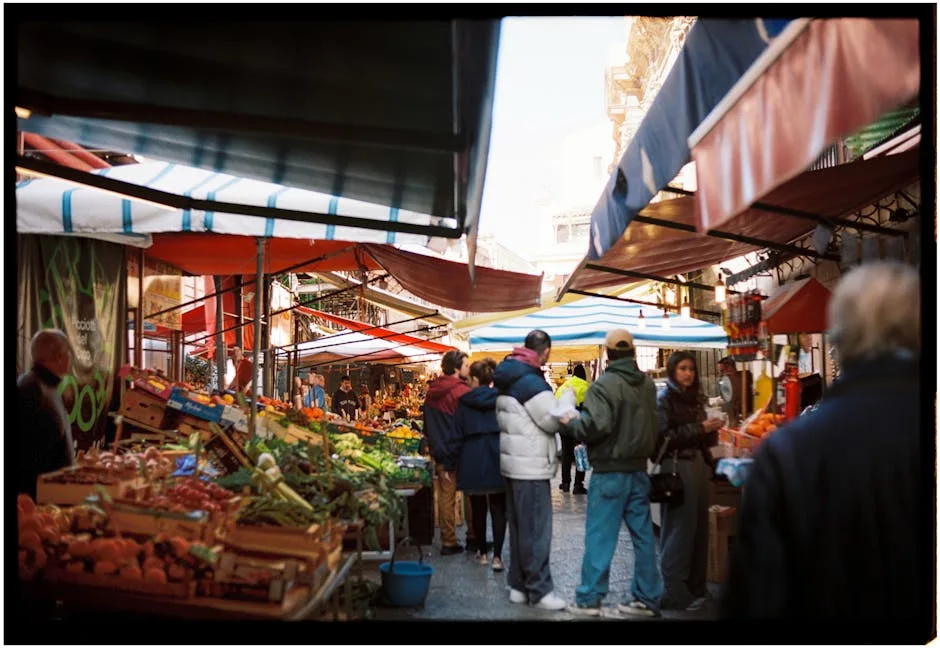
Workshops take place in a variety of settings: cooking schools set inside historic palaces, master pastry chefs working behind century-old counters, or right in the middle of lively markets like Mercato di Ballarò. Each offers a different angle: some focus on technique (ultra-thin dough, precise frying), others on ingredient selection (local sheep ricotta, cane sugar, citrus from the Agrigento valley), and others on the social experience (shared meals, a foodie stroll through the Vucciria). You’ll learn how to recognize good ricotta, balance the sugar, flavor fillings with orange zest or dark chocolate, and most importantly how to shape, roll and fill cannoli without breaking them.
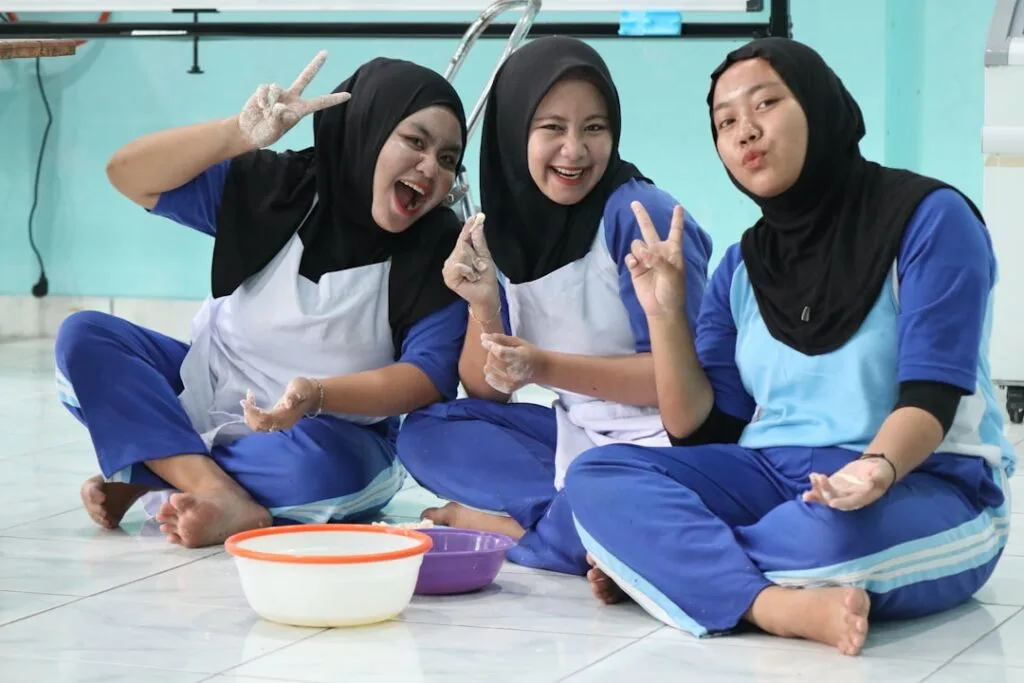
This long article includes practical, detailed sections: the history and soul of the cannolo; a selection of five workshops and patisseries where you can book (with addresses, hours and prices); a step-by-step technique to nail the dough and the filling; a tasting route in Palermo with must-visit spots; and finally local tips to make the most of your workshop — when to book, what to wear, how to transport your cannoli, and which flavors to pick based on the season. Visual cues woven through the text will help you imagine the scenes: market stalls, hands kneading dough, cannoli golden in the late-afternoon sun.
Whether you’re an amateur baker, a curious traveler, or simply a foodie after an authentic Sicilian immersion, a cannoli workshop in Palermo promises a full sensory experience: it’s a chance to learn, taste and leave with a sweet, authentic souvenir of the city. Let’s begin the journey.
The history and soul of the cannolo — origins, symbolism and evolution
The cannolo has its roots in Sicily, specifically in Palermo’s pastry tradition, but its history is layered and shaped by many cultures. Food historians trace its origin back centuries, often linking it to the times when Sicily was a Mediterranean crossroads: Arab, Norman, Spanish and Byzantine influences intertwined to create a pastry that marries crunch and creaminess. Originally, the cannolo was a festive treat tied to seasonal rites — notably Carnival — when sweet frying symbolized abundance.
The name “cannolo” (little tube) clearly describes its shape: a sheet of dough rolled around a cylinder, fried in oil, then filled at the last minute with a sweet ricotta cream. Ricotta used in Sicily is traditionally sheep’s ricotta, or a mix of sheep and cow depending on local farmhouse customs. The addition of candied fruit, citrus zest, chocolate chips or crushed pistachios reflects regional and family adaptations — every pastry chef adds their personal twist.
But beyond the recipe, the cannolo is also a social icon. In Palermo’s narrow streets you’ll eat it at the counters of historic pastry shops, give it as a gift at weddings and baptisms, and see it accompany market conversations. Filling it just before serving is essential: a properly prepared cannolo must keep its shell crisp and its filling fresh. That crunchy/creamy contrast explains visitors’ fascination and why so many workshops have sprung up — learning how to preserve those opposing textures is an art.
Modern workshops draw on these traditions and contemporary techniques alike: mastering frying temperatures, using artisanal local ingredients (ricotta from the Belìce Valley, mountain honey from the Nebrodi), and applying professional hygiene standards. In Palermo, the cannolo has become both an identity marker and a tourist draw: historic pâtisseries often display windows overflowing with sweet tubes, while specialized workshops offer interactive, educational experiences for curious visitors. By joining a workshop, you don’t just learn a recipe — you touch the city’s sweet memory.
The best workshops and patisseries to learn in Palermo
Palermo has a wide range of places to learn how to make cannoli, from small-group classes with a pastry chef to participatory workshops held in the heart of the markets. Here’s a curated list of five well-regarded spots where you can book a workshop — I include exact addresses, typical hours, price ranges and what makes each place unique. Note that times and prices can change with the season, so it’s wise to book ahead and check the latest info online or by phone.
Pasticceria Cappello — Cannoli masterclass
Address: Pasticceria Cappello, Via Maqueda 298, 90133 Palermo.
Hours: open Tuesday–Sunday, 08:00–20:00 (masterclass usually on Wednesday and Saturday afternoons, 15:00–17:30).
Price: workshop €65 per person (1.5–2 hour class, tasting included).
Description: Pasticceria Cappello is a historic house known for contemporary culinary creations that still respect tradition. The masterclass is led by an experienced pastry chef: you’ll learn to make the dough, perfect small-batch frying and prepare a sweet ricotta flavored with orange. The course includes a guided tasting and a recipe booklet.
Tip: arrive 15 minutes early, bring an apron (some workshops provide one), and consider a cooler to transport your cannoli if you plan to take them away.
Scuola di Cucina Palazzo Etna — Traditional workshop in a palace
Address: Scuola di Cucina Palazzo Etna, Via Vittorio Emanuele 101, 90134 Palermo.
Hours: classes held several times a week, hours vary (check the online schedule).
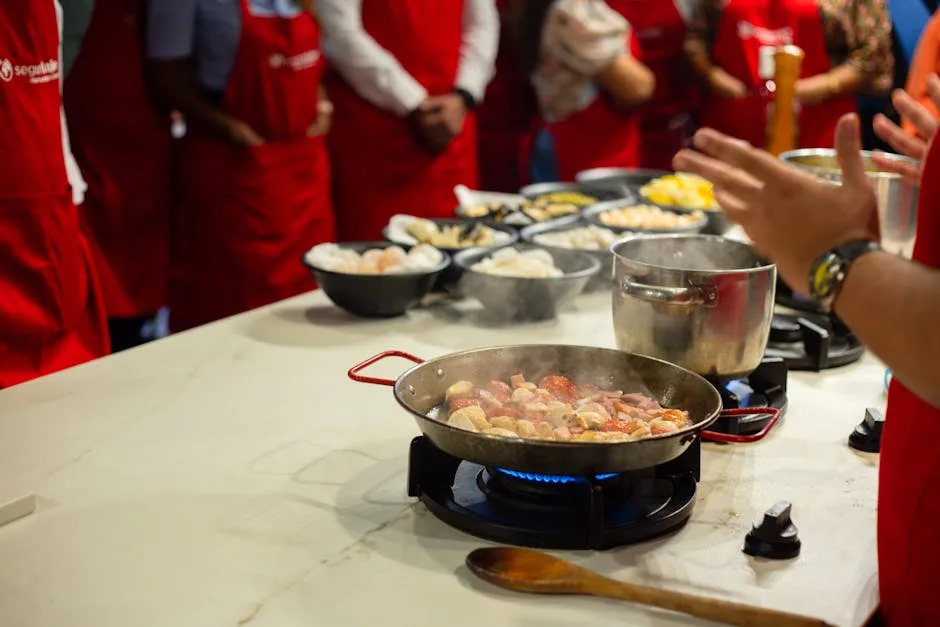
Price: €80–95 per person for a 3-hour hands-on workshop including a market visit and a light lunch with drinks (ricotta, cream, etc.).
Description: Housed in a small renovated palace, this school offers a comprehensive workshop combining history, a visit to Mercato di Ballarò or Mercato del Capo (depending on the day), followed by a practical session. The focus is on ingredients: picking the right ricotta, sugar and citrus zests. It’s ideal for those seeking a culturally rich culinary approach.
Tip: workshops often include a morning market tour — wear comfortable shoes and bring water, especially in summer.
Laboratorio Dolci di Sicilia — Small-group classes
Address: Laboratorio Dolci di Sicilia, Via Roma 55, 90133 Palermo.
Hours: Monday–Saturday, 09:30–18:00, afternoon workshops at 14:00–16:00 and 17:00–19:00.
Price: €50 per person for a 90-minute workshop (making and filling 6–8 cannoli to take home).
Description: Laboratorio Dolci di Sicilia is a modern, lively lab perfect for families or small groups. Classes are hands-on and fun: everyone shapes their dough, rolls their tubes and fries under the master’s watchful eye. The kitchen also highlights alternatives (a light oven-baked option for a less greasy version).
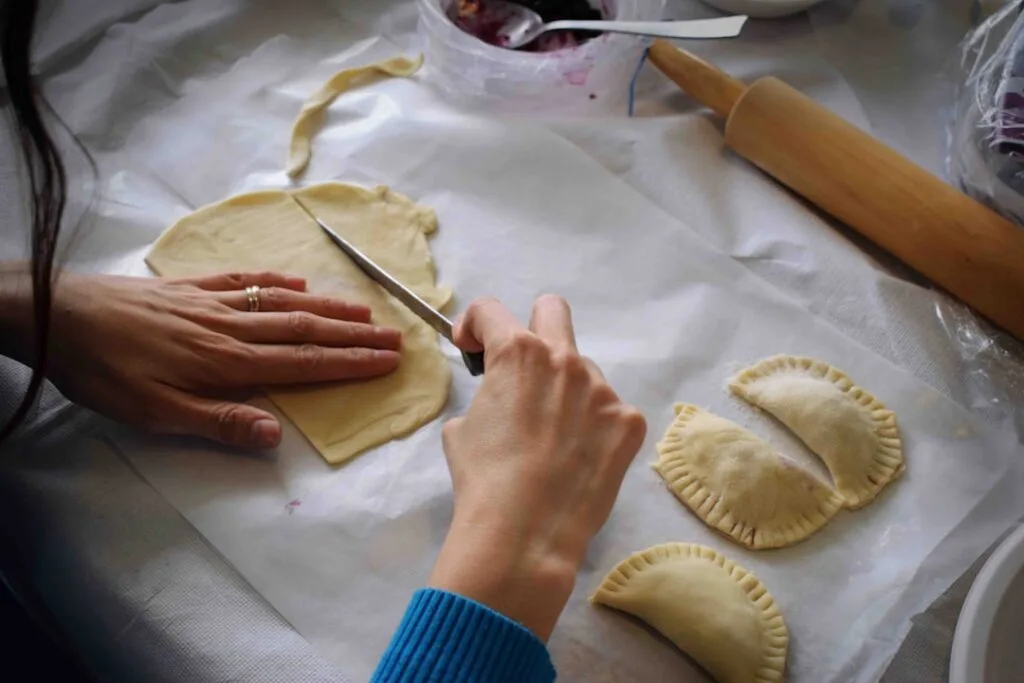
Tip: if you have allergies or follow a vegetarian diet, mention it when booking — the lab can sometimes offer non-dairy fillings like soy ricotta on request.
Pasticceria Costa — Palermo tradition at the counter
Address: Pasticceria Costa, Via Lincoln 47, 90139 Palermo.
Hours: daily 07:00–21:00, occasional Sunday morning workshops 10:00–12:00.
Price: short workshop €35 (1 hour, demo + participation), cannoli from €3.50 each.
Description: Pasticceria Costa is a neighborhood spot where you learn by watching gestures handed down through generations. Workshops are short but very practical: a master pastry chef demonstrates, followed by a shaping session. Perfect for a quick introduction.
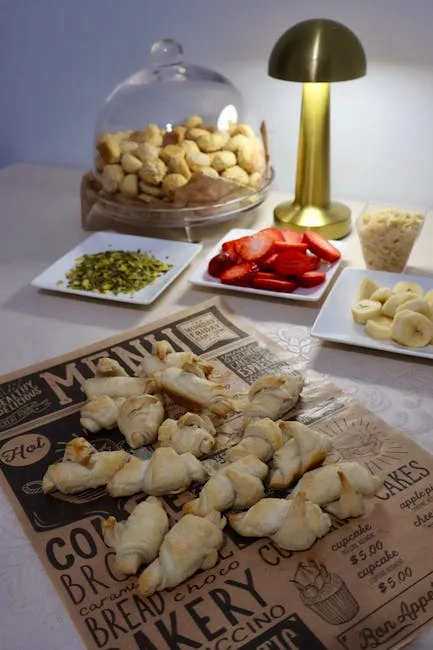
Tip: pair your workshop with an espresso at the counter — the contrast between an intense espresso and a very sweet cannolo is a local classic.
Mercato Ballarò — Pop-up workshops and a street-food experience
Address: Mercato Ballarò, Piazza Ballarò, 90134 Palermo (workshop hosted from a stall or a nearby workshop).
Market hours: Tuesday–Sunday 07:00–14:00; pop-up workshops vary (book ahead).
Price: €25–40 per person for a mini-workshop including a market tour and an on-site demo.
Description: For a truly local experience, book a pop-up workshop at Ballarò market. After a guided stroll among the stalls (citrus, fresh ricotta, pistachios), the workshop takes place amid the market’s hustle and bustle. It’s a raw sensory approach: sounds, smells and movement set the pace for the lesson.
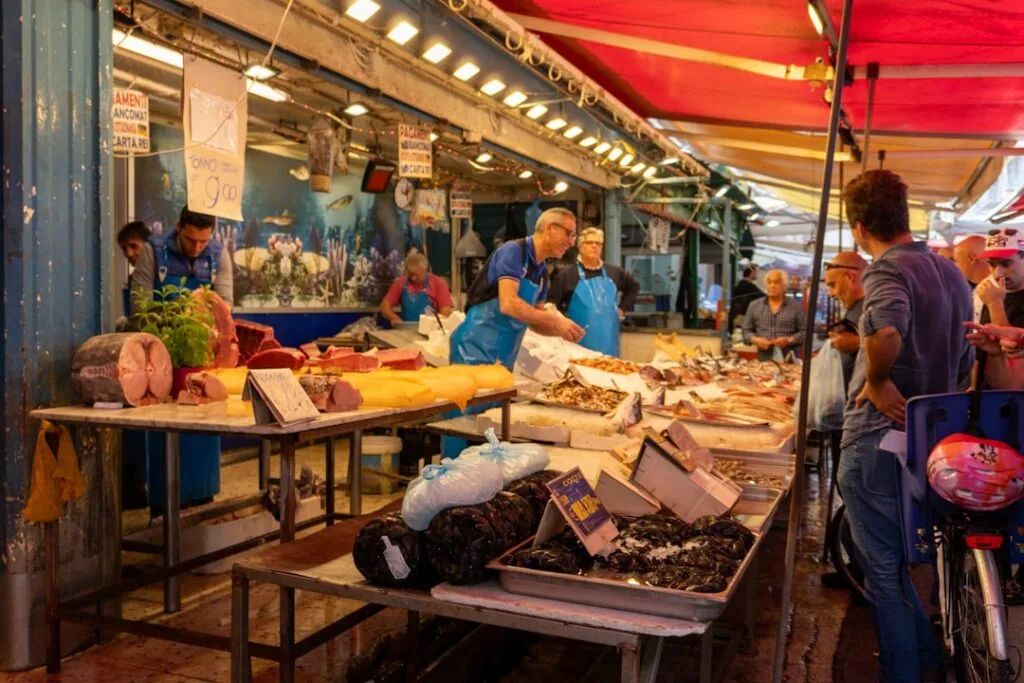
Tip: keep your belongings secure and carry a small, safe crossbody bag — markets are lively and can get crowded.
Step-by-step technique: perfect ricotta, crisp shells and assembly
A successful cannolo rests on three pillars: fresh, stable ricotta; properly worked and fried dough; and careful assembly. Here’s a detailed method, explained as you’d learn in a professional Palermo workshop, with tips from local master pastry chefs.
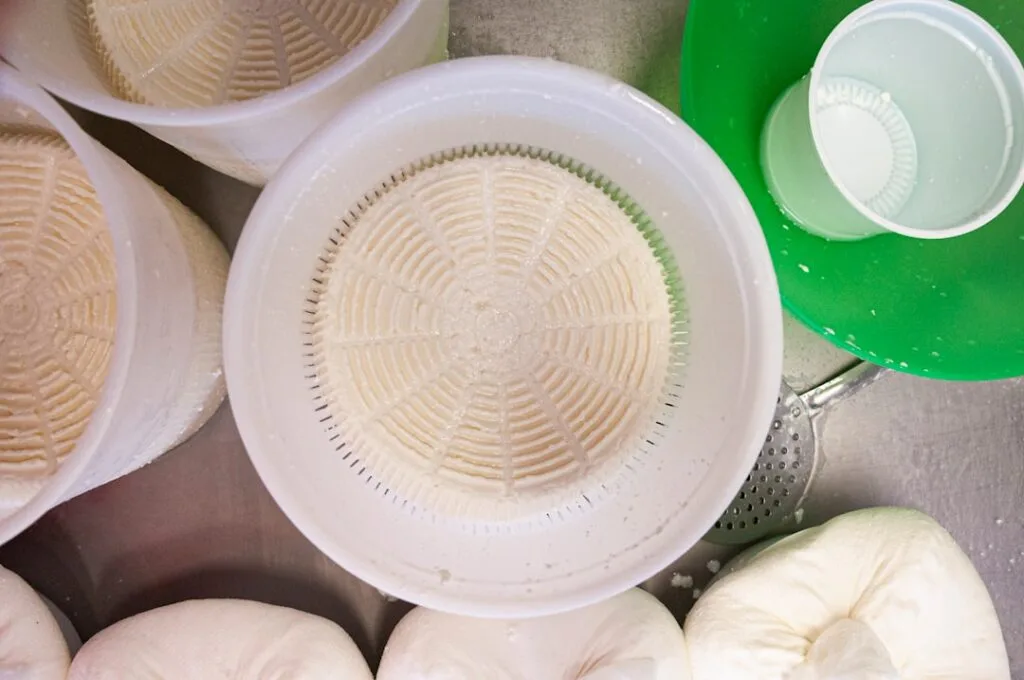
1) The ricotta: texture and seasoning are key. Choosing the ricotta: favor local sheep’s ricotta (ricotta di pecora) if possible — it’s more aromatic and less watery. In a Palermo workshop you’ll be shown how to drain ricotta: place it in a fine sieve lined with a clean cloth and let it drain 2–4 hours in the fridge to avoid a runny filling. For sweetening, use icing sugar (for a smooth texture) and add between 15–25% of the ricotta’s weight in sugar, depending on taste. Classic flavors: orange zest, lemon zest, a hint of vanilla or a spoonful of Marsala.
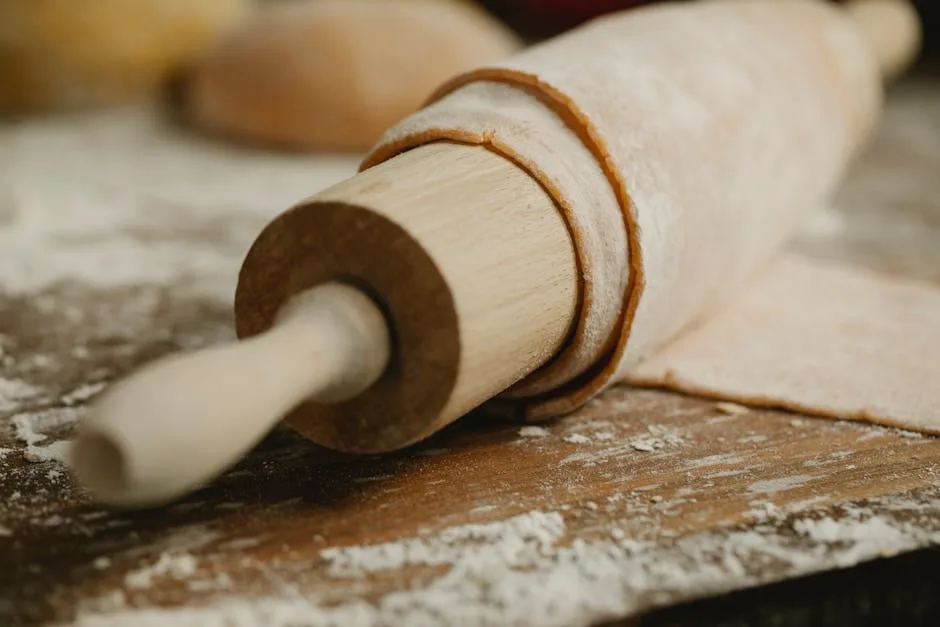
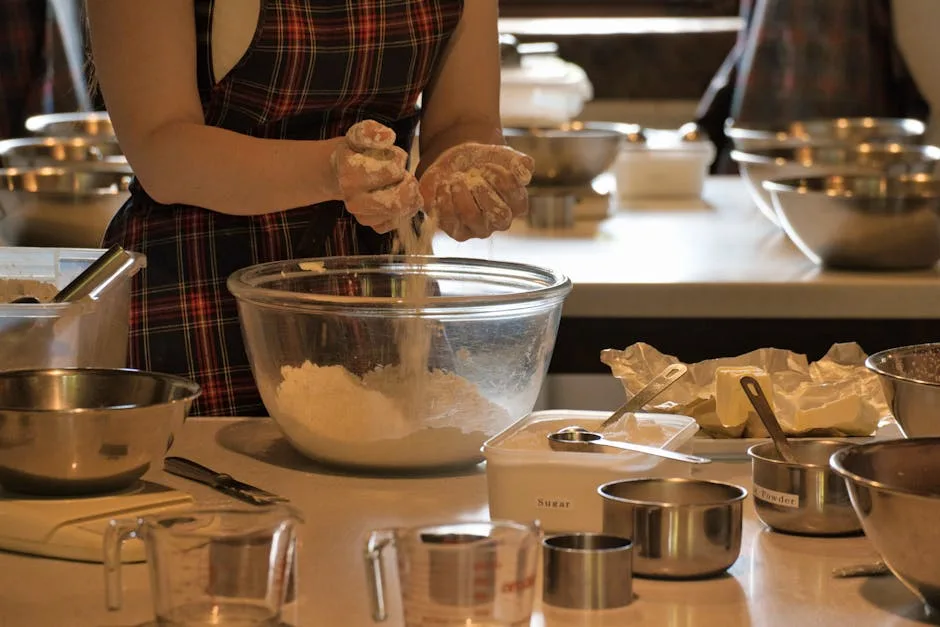
2) The dough: flour, fat and rest. Ingredients: type 00 flour, a little cocoa (for chocolate shells), sugar, sweet wine or Marsala (a few tablespoons to soften), fat (butter or lard depending on tradition). In a workshop you’ll be taught to achieve a supple but not sticky dough. The key step is rolling it very thin (2–3 mm) then cutting circles to wrap around a metal tube (traditional stainless-steel molds are standard in Italy). Chilling for 30 minutes before frying helps the shells keep their shape.
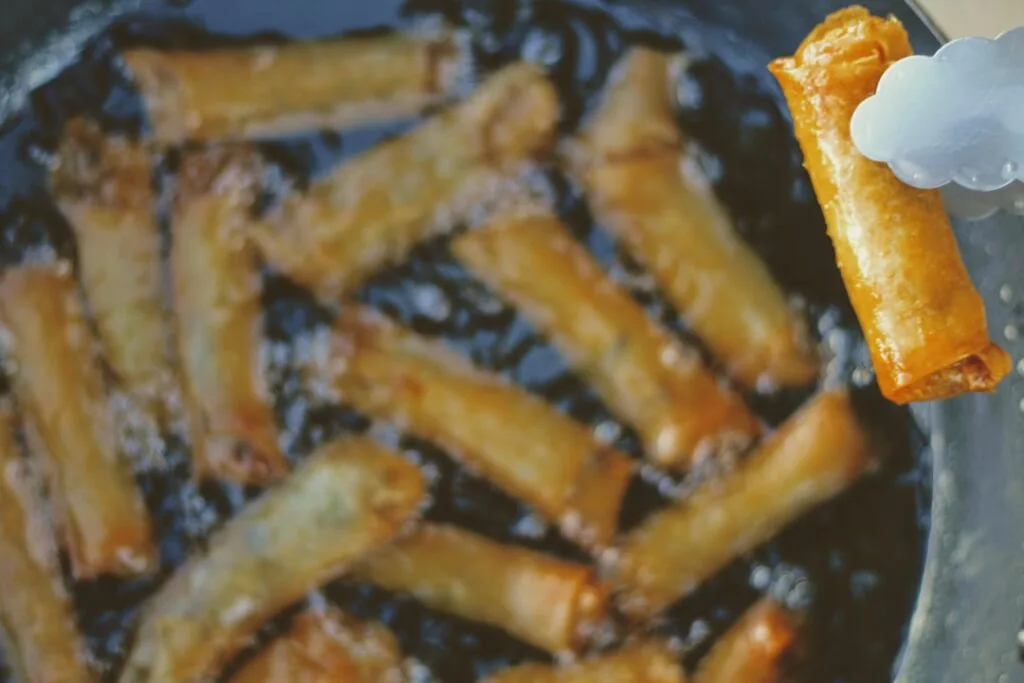
3) Frying: temperature and oil. Use a neutral oil (seed oil) heated to 170–175 °C. A thermometer is essential; in workshops the chef will show you how to control the temperature to get an even golden color without burning. Don’t overcook: 2–3 minutes is usually enough depending on thickness. Drain on paper towels and let cool completely: filling should be added at the last minute to preserve the crunch.
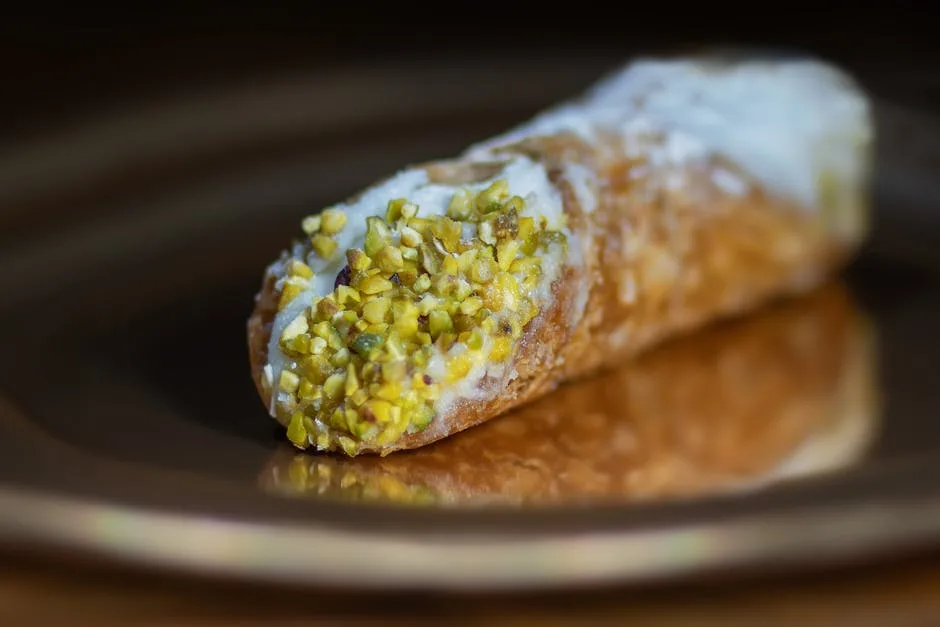
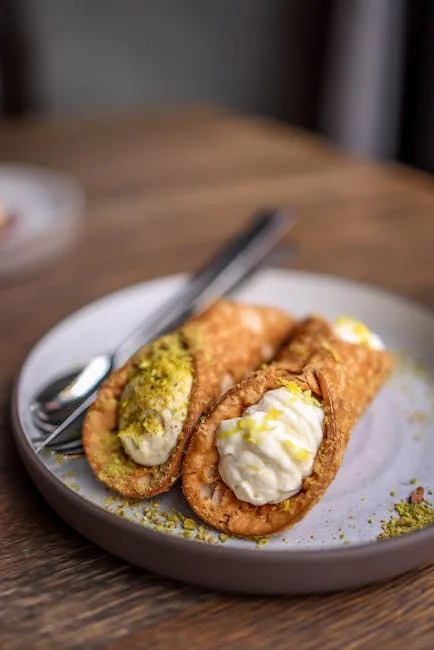
4) Assembly: filling and decoration. Using a piping bag or a small spatula, fill the shells starting from one end, pushing the cream to fully fill the interior. Traditional decorations: crushed pistachio ends, chocolate chips, candied orange segments or a dusting of icing sugar. Workshop tip: reserve 10–15% of unsweetened ricotta to check flavor balance, and always taste before adding zests.
5) Storage and serving. An ideal cannolo should be eaten within 30–60 minutes of filling. If you must store it, place it in the fridge (but the crunch will soften) and eat it the same day. For transport, keeping shells and filling separate is best — some Palermo workshops provide special boxes to avoid soggy shells.
Tasting route in Palermo: must-visit spots for cannoli
After the workshop, the best school is tasting at the counter. Palermo is full of patisseries where cannoli come in both classic and bold versions. Here’s a suggested route with exact addresses, opening hours and approximate prices — perfect for a foodie day mixing workshops and city exploration.
Pasticceria Alberto Cappello & Gusto
Address: Pasticceria Cappello & Gusto, Via Maqueda 298, 90133 Palermo.
Hours: Tuesday–Sunday 08:00–20:00.
Price: classic cannolo €3.80–4.50. Tasting box €12–20.
Description: a pastry shop known for its craftsmanship and creative variations (chocolate cannoli, Bronte pistachio, ricotta-and-gianduja versions). It’s perfect for comparing textures after your workshop.
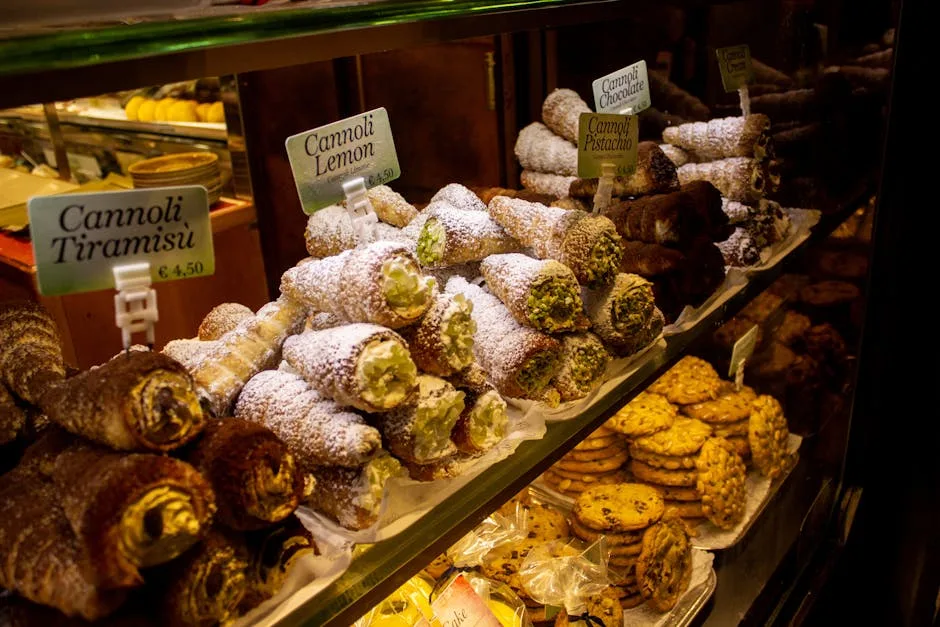
Tip: order a classic cannolo and a flavored one to compare and note texture differences.
Antico Forno Ballarò
Address: Antico Forno Ballarò, Via Ballarò 23, 90134 Palermo.
Hours: Monday–Saturday 07:00–15:00.
Price: cannoli from €3.20. Combo tasting (cannolo + espresso) €5–7.
Description: a small traditional bakery steps from Ballarò market, ideal for a quick bite after your market workshop tour. Freshness is key here and the vibe is very local.
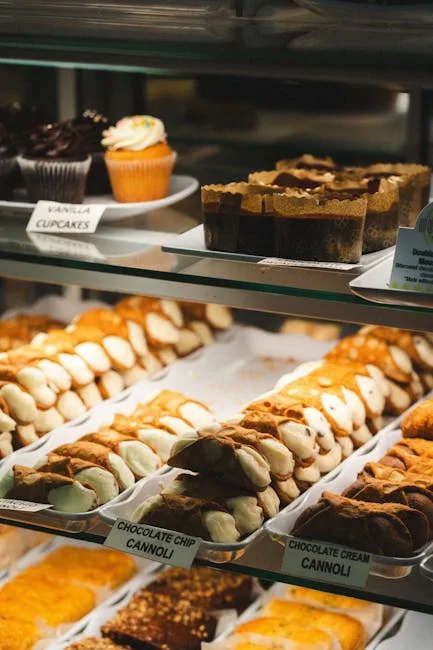
Tip: eat your cannolo sitting in a nearby café or stroll over to Piazza San Domenico for a scenic break.
Pasticceria Costa (details)
Address: Pasticceria Costa, Via Lincoln 47, 90139 Palermo.
Hours: daily 07:00–21:00.
Price: cannoli €3.50–4.20.
Description: more intimate, this place focuses on tradition. Longtime customers find the same recipe here for decades.
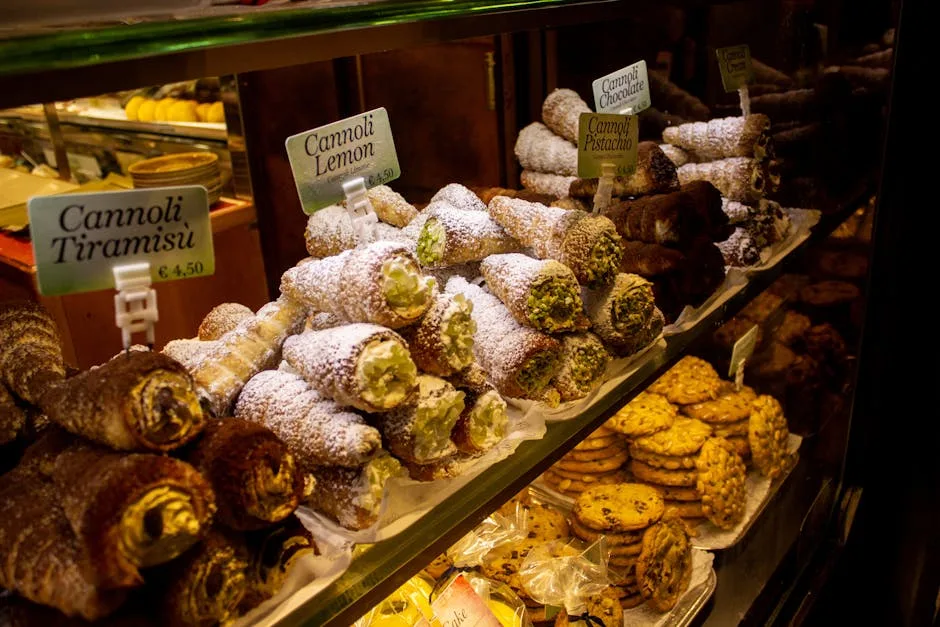
Tip: ask at the counter about seasonal variations; in winter the cannolo can be lightly spiced with cinnamon.
Bar Milano — sweet break
Address: Bar Milano, Via Ruggero Settimo 12, 90139 Palermo.
Hours: 06:30–22:30 every day.
Price: mini-cannoli €2.50; deluxe cannoli €5–6.
Description: a modern bar with a wide pastry selection and quick service. Great for tasting after a day of workshops, with the option of specialty coffee.
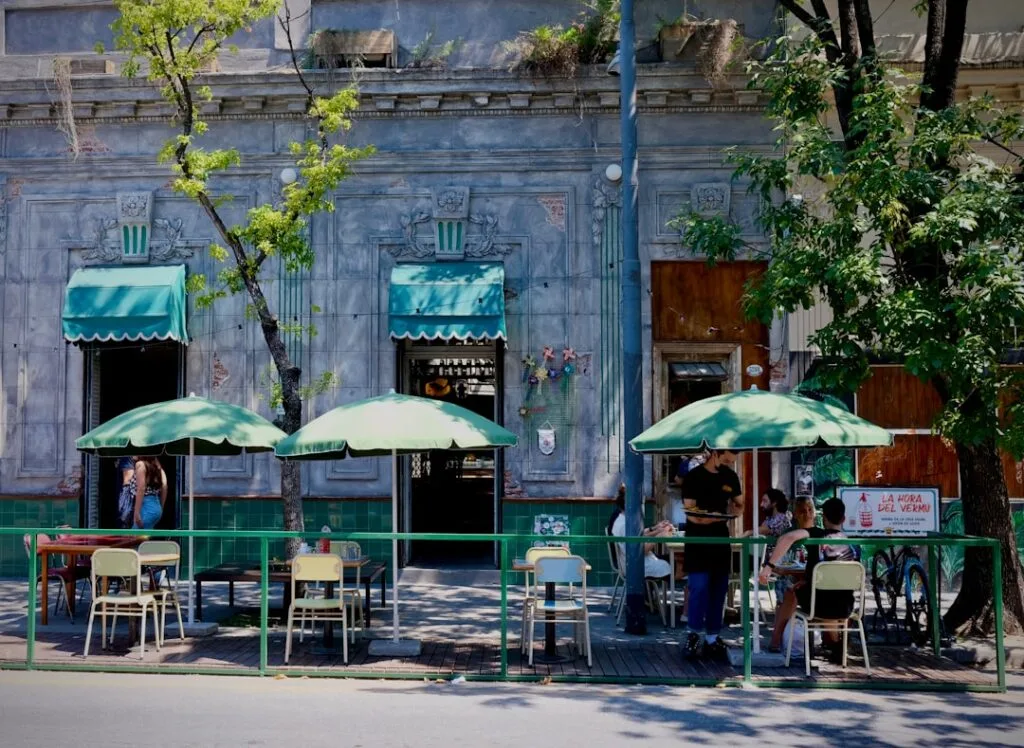
Tip: pair a cannolo with a lemon granita in summer for a refreshing contrast.
Local practical tips to make your cannoli workshop a success in Palermo
Here’s a list of concrete, practical tips from local experience to ensure your cannoli workshop goes smoothly and becomes a memorable moment.
- Booking: Reserve at least 7–14 days ahead in high season (May–Sept), especially if you want a weekend slot. Popular workshops fill up fast.
- Language: Many workshops offer classes in English and Italian. If you want a French class, ask about a French-speaking instructor when booking — some private workshops can arrange it (extra fee may apply).
- What to wear: Wear comfortable, closed shoes (non-slip recommended), and bring an apron if you prefer to use your own. Some workshops provide equipment, others don’t — check when you book.
- Allergies and diets: Report any allergies (milk, eggs, nuts) when booking. Vegetarian or lactose-free alternatives may be available but require advance notice.
- Transporting cannoli: Ask the chef to pack shells and filling separately if you need to transport them: this preserves the crunch. If you take filled cannoli, eat them the same day and keep them cool.
- Budget: Plan €30–100 per person depending on the workshop type (short demo, full class with market and lunch, or private masterclass). Add €10–20 for tastings and shop purchases.
- Photography: Workshops are very photogenic: ask permission before photographing the premises or staff, especially in small family-run shops.
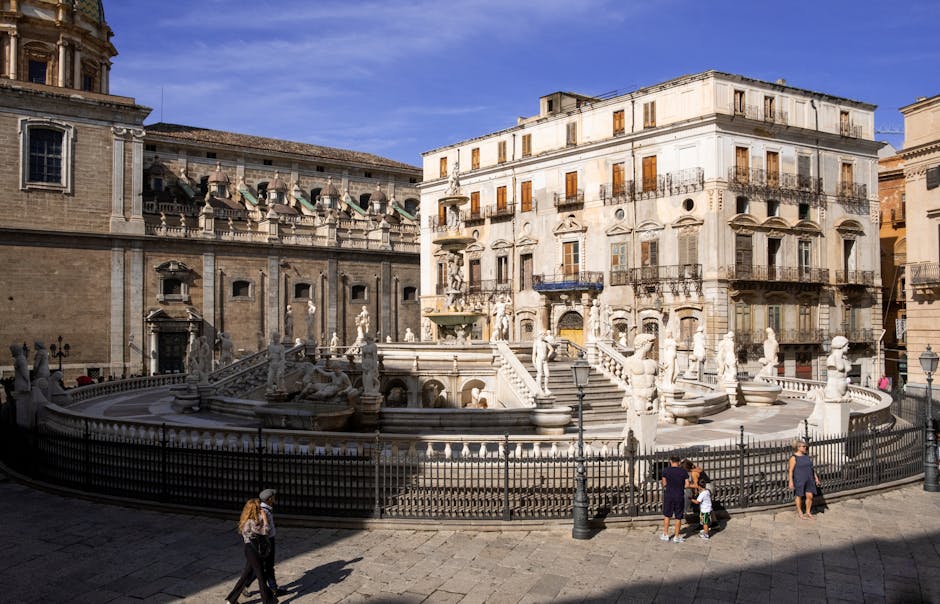
- Combine visits: Schedule your workshop in the morning to enjoy the markets (Ballarò, Vucciria) or in the afternoon for a leisurely stroll through La Kalsa or around Piazza Pretoria afterwards.
- For kids: Many workshops accept children from around 6–8 years old (varies by class). Check safety rules regarding frying.
- Payment methods: Many patisseries accept cash and cards; however, for independent workshops or market classes, carry some cash (€20–50) just in case.
Conclusion: bring Palermo home, tube by tube
Taking a cannoli workshop in Palermo gives you more than a sweet souvenir: you leave with gestures, aromas and a deeper understanding of a rooted Sicilian tradition. Whether you choose a masterclass in a historic pastry shop, a friendly workshop in a modern lab, or a pop-up in the heart of Mercato Ballarò, each format offers a different perspective on the same goal: mastering the delicate balance between crunch and cream.
With the addresses and tips shared here — Pasticceria Cappello, Scuola di Cucina Palazzo Etna, Laboratorio Dolci di Sicilia, Pasticceria Costa and Ballarò market — you have a concrete itinerary to plan your experience. Prices vary, but common values remain: respect for ingredients, transmission of technique, and hospitality. Workshops are also a great way to meet locals, see how tastes evolve (Bronte pistachio, chocolate, orange zest) and taste Sicily at its most genuine.
Favor workshops that include a market visit if you want the full cultural context: seeing the stalls, smelling the citrus, touching fresh ricotta will completely change how you approach the recipe. And don’t forget the practical tips: travel light, book in advance, report diets and allergies, and think about storage if you plan to take your cannoli away. Finally, experiment: taste a classic cannolo, a pistachio one and a chocolate version. Compare, take notes, and above all, savor.
Palermo welcomes you with its light, sounds and flavors. In a cannoli workshop you’ll be invited to be part of that story: to participate, touch, taste and leave with a skill — and a smile — that will last long after you return home. Enjoy your workshop, and buon appetito: may every cannolo you make remind you of the Sicilian sun, the market scents and the generosity of Palermo’s cuisine.