





Introduction: Giudecca — secrets of a millennia-old Jewish quarter
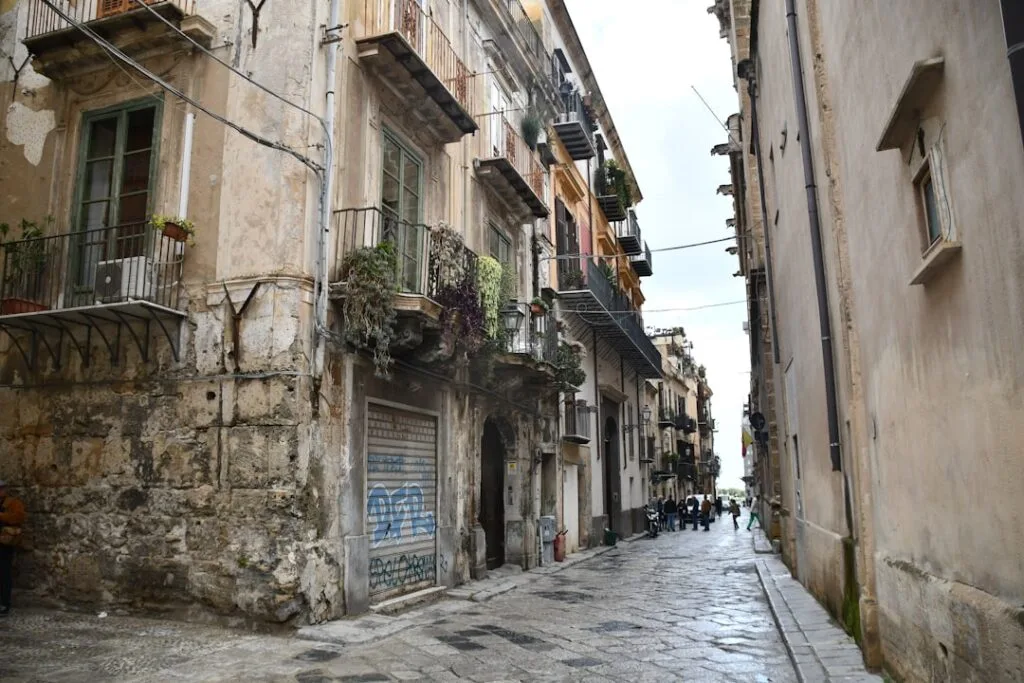
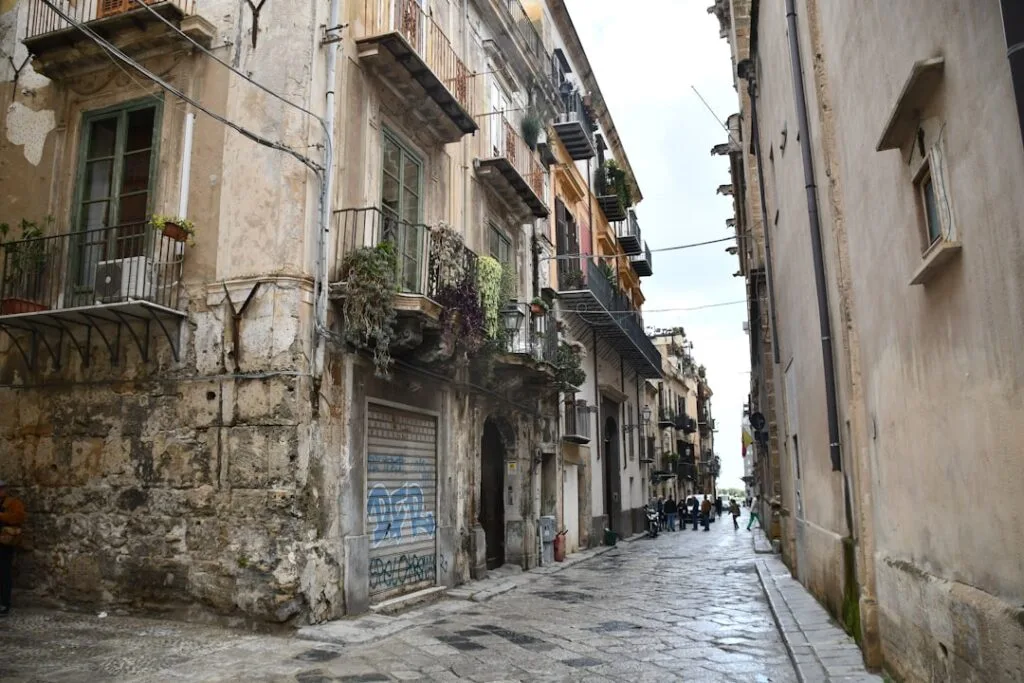
Palermo’s Giudecca is one of those neighborhoods that grabs you by the sleeve and pulls you into a journey where eras overlap: medieval alleys, Arab-style façades, Norman traces and Jewish memories that linger in place names and collective memory. Located in the heart of Palermo’s historic center, the Giudecca isn’t a frozen museum but a living fabric where residents, artisans, markets and sacred sites mix — some visible, others buried beneath asphalt and stone.
When people talk about the “Giudecca,” they mean as much a geographic area as a human trajectory stretching back over a thousand years. Jews settled in Palermo as far back as the Roman era and flourished particularly under the Arabs and Normans, until later periods brought expulsions and forced conversions. Still, signs of that presence are everywhere: street names, remnants of trades (tanneries and textile workshops, for example), and occasionally crypts or converted fondaci. The neighborhood experienced coexistence, international trade and religious and artistic creativity — a history that still seeps from the walls and stones of its lanes.
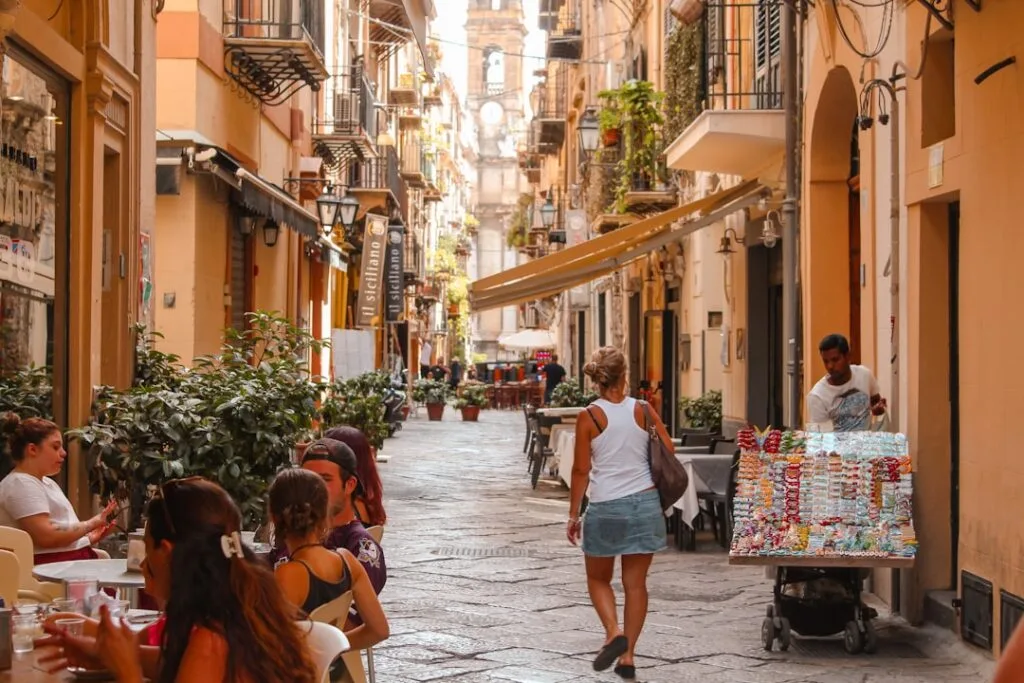
For today’s visitor, the Giudecca promises off-the-beaten-track routes. Here, markets such as Ballarò and il Capo ring with the same trading rhythms that once animated the city’s Jewish heart: spice scents, fish stalls, vendors’ calls. Tiny squares host coffee bars where it’s easy to imagine conversations from long ago — in Greek, Arabic, Hebrew or Sicilian. Houses reveal layers of alteration: arcades, niches and plaques sometimes pointing to long-forgotten uses.
This article offers an immersive dive into Palermo’s Giudecca: its history, must-see spots, practical addresses, opening hours and entry prices for visits, plus tips to walk the neighborhood like a local. I’ll lead you to nearby emblematic places — chapels, museums and markets — explaining how these sites fit into the millennia-old Jewish fabric. You’ll also find walking routes, food recommendations and precautions to make the most of your discovery. Lace up your walking shoes: the real Giudecca is best explored on foot, at the pace of cobblestones and small squares, letting your eyes linger on the details that tell the story of a neighborhood older than a millennium.
History and traces: from Antiquity to the Middle Ages
Jewish presence in Palermo dates back to Late Antiquity and expanded notably under Islamic rule (9th–11th centuries) and the Normans (11th–12th centuries). The Giudecca, centered around today’s Via Calderai, Via Alloro, Via Cassaro (now Corso Vittorio Emanuele) and Via del Bosco, concentrated trades and activities tied to the community: goldsmithing, commerce, lending, dyeing and tanning. Records show an organized communal life: synagogues, Talmudic schools and burial sites, some now covered by later urban development.
Visible traces include place names like Via Maqueda and Via Roma, and especially the side streets around Piazza della Kalsa and the Cala, roughly matching the medieval footprint of the Giudecca. Historical sources mention the “Judeca” as a well-defined quarter where port-related activities also took place: maritime trade, import-export of silks and spices — products that brought wealth to Palermo and its merchant communities.
Successive transformations — Spanish urban reforms, Baroque reconstructions, and 19th-century modernization — sometimes erased buildings but didn’t entirely obliterate the street pattern. Occasional archaeological digs have uncovered domestic structures and fragments of old workshops that confirm a dense occupation and the importance of specific artisanal activities. Several present-day Christian buildings (churches, convents) stand on plots that once belonged to Jewish houses or were formerly associated with the Jewish community.
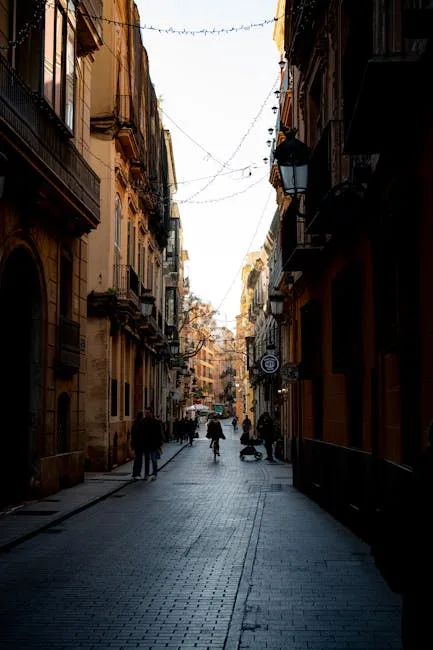
This long history also produced a notable architectural hybridization: you can spot Arab influences in decorative motifs, Norman techniques in the vaulting, and later Baroque reinterpretations. Visitors who pay attention to lintels, small stone inscriptions, parcel orientations and visible water conduits can read historical layers. The Giudecca is a palimpsest: to understand it well you need to accept that multiple scripts are superimposed — one of them being the handwriting of an active Jewish community integrated into urban life for centuries.
Monuments and sites to see — suggested route with addresses, hours and prices
The Giudecca doesn’t necessarily contain a synagogue open to the public, but its perimeter is ringed by monuments and museums that help you understand Jewish history and Palermo’s medieval life. Here’s a recommended route with addresses, opening times and indicative prices (in euros) — always double-check current info before you go:
- Palazzo dei Normanni – Cappella Palatina
Address: Piazza Indipendenza, 1, 90129 Palermo PA
Hours: daily 09:00–17:00 (closed on some public holidays); last admissions 16:30
Price: combined Palace + Cappella Palatina ticket ~ €14.00 (reduced €10.00 for EU under-25s); audio guide €5.00 extra
Description: a Byzantine-Arab-Norman masterpiece, the Cappella Palatina’s mosaics testify to Palermo’s cultural coexistence. Although a Christian chapel, it sits within the same urban context that housed the Giudecca. - Chiesa di Santa Maria dell’Ammiraglio (La Martorana)
Address: Piazza Bellini, 3, 90133 Palermo PA
Hours: 09:00–18:00 (times may vary with seasons and services)
Price: entry €3.00–5.00 to view the mosaics (suggested donation)
Description: sumptuous Byzantine mosaics; La Martorana lies just steps from the medieval lanes that bordered the Giudecca. - Oratorio di Santa Cita and Quattro Canti
Address: Via Maqueda, 321, 90134 Palermo PA (Oratorio); Quattro Canti: Piazza Vigliena
Hours: Oratory 09:00–13:00 / 15:00–19:00 (seasonal)
Price: Oratory €4.00–6.00 depending on temporary exhibitions
Description: the oratory showcases Palermo’s Baroque, the product of a city at the crossroads of influences. The Quattro Canti marks an old urban junction near the Giudecca. - Mercato di Ballarò
Address: Via Ballarò, 90134 Palermo PA (market area)
Hours: 07:00–14:00 (open daily though some Sundays vary locally)
Price: free entry (purchases: fruit from about €1.00; street food €3.00–8.00)
Description: a popular market, heir to medieval trading squares. Spices, fresh fish and aromas that recall historic exchange. - Mercato del Capo
Address: Via Cappuccinelle, 90138 Palermo PA (main entrance)
Hours: 07:00–14:00 (often extended on Fridays)
Price: free entry; street food €3.00–7.00
Description: another traditional market where you can feel the continuity of food circuits that sustained the Giudecca.
Practical add-on: the Museo Archeologico Regionale “Antonio Salinas” (Via Bara all’Olivella, 24, 90133 Palermo PA, 09:00–19:00, partially closed Mondays; entry €6.00–8.00) houses collections that help reconstruct ancient and medieval life in the region and are useful for putting the Giudecca in context. Finally, the Cattedrale di Palermo (Corso Vittorio Emanuele, 1, 90134 Palermo PA; hours 07:00–19:00; façade viewing free, interior visits €5.00–8.00) offers a perspective on the city’s religious and urban evolution.
 Click here to book your visit to the Cappella Palatina and the Palace
Walks, workshop secrets and artisan addresses
To understand the Giudecca you need to walk slowly and look up. Start your stroll at the Cala (the old port area), then take Via Alloro into the maze of narrow streets. Along the way, stop at workshops where traditional trades continue: shoemakers, leathercrafts, a ceramics studio and icon workshops. Here are some concrete addresses where you can knock, buy or simply observe:
- Bottega del Cuoio – Laboratorio Artigiano
Address: Via Calderai, 12, 90133 Palermo PA
Hours: 09:00–13:00 / 16:00–19:00 (closed Sunday afternoons)
Price: small leather souvenirs €10.00–45.00 depending on the item
Tip: ask to see the hand-stitching technique used by master leatherworkers. - Fonderia delle Campane – Piccoli Laboratori
Address: Vicolo dell’Oro, 7, 90133 Palermo PA (workshop behind Piazza della Kalsa)
Hours: 10:00–13:00 / 15:00–18:00 (visits by appointment)
Price: free visit on request; small bells €15.00–60.00
Tip: great for watching traditional molds and age-old processes. - Atelier di Ceramica Siciliana – Casa del Vaso
Address: Via dei Biscottai, 5, 90133 Palermo PA
Hours: 09:30–13:00 / 15:30–19:00 (workshops available by reservation, 2 h)
Price: discovery workshop €30.00 / person (materials included)
Tip: the motifs often reference traditional symbols — perfect to understand the region’s continuing visual language.
Workshop secrets: look for old shop plaques on façades (often stone); they point to former trades and sometimes to Sicilianized family names of Jewish origin. Alley water channels and slanted drains reveal old domestic uses: wash basins, skin-processing spots and drainage systems inherited from medieval techniques. For a more local feel, plan a late-afternoon visit: the low light gives the stones a golden hue and sellers resume their trade after the midday break.
Click here to join a pottery-painting workshop
Food, culinary traditions and practical tips
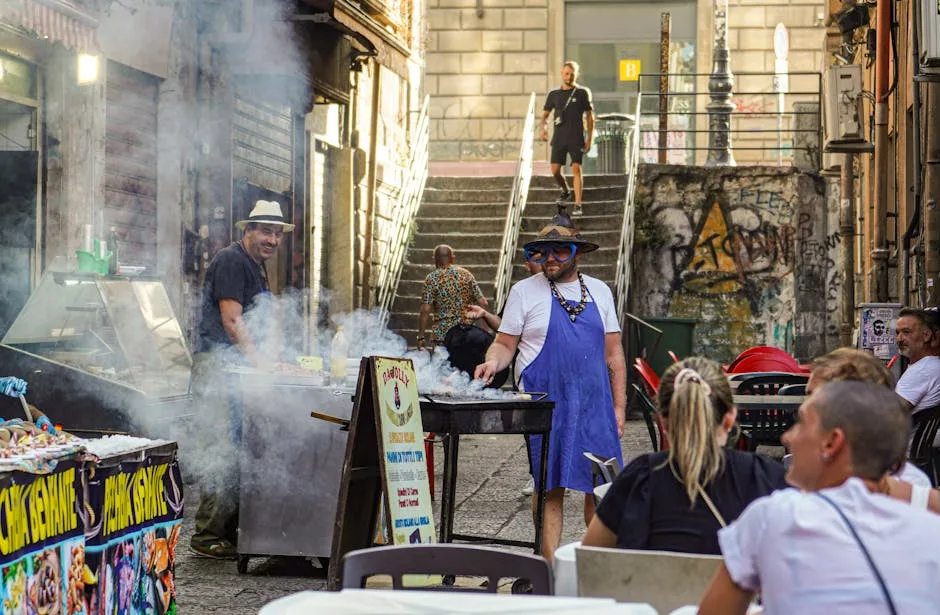
Palermitan cuisine is a true gustatory travel diary, and the Giudecca is as much tasted as seen. Ballarò and Capo markets are ideal for sampling street specialties that tell the city’s story: arancine (or arancini depending on local tradition), pani ca’ meusa (spleen sandwich), sfincione (thick Palermo-style pizza) and the famous cassata pastry. Here are places to try:
- Panificio Antico Forno Ballarò
Address: Via Ballarò, 52, 90134 Palermo PA
Hours: 07:00–20:00
Price: arancina €1.50–3.00; bread and pastries €1.00–4.00
Tip: eat an arancina with pistachio or ragù near the stall. - Focacceria San Francesco
Address: Via Roma, 289, 90133 Palermo PA (near Mercato del Capo)
Hours: 08:00–22:00
Price: pani ca’ meusa €4.00–6.00; sfincione slice €2.50–5.00
Tip: have it on-site with a glass of local rosé.
Practical tips for eating and getting around:
- Prefer afternoons for the markets if you want to avoid early-morning crowds, but go early for the best selection of fish and bread.
- Payments: most market stalls prefer cash; carry small bills (€5 and €10). Many cafés accept cards but some artisans and small stands prefer cash.
- Safety: the Giudecca is generally safe by day. At night, stick to main well-lit streets around Via Maqueda and Corso Vittorio Emanuele; keep your belongings close and avoid extremely deserted alleys late at night.
- Access: the Giudecca is best explored on foot; from Palermo Centrale train station (Piazza Giulio Cesare) take a city bus or walk (about 20–30 minutes depending on route). Taxis and ride-hailing services are also available — central city fares typically €8.00–12.00 depending on distance.
Click here to learn street cooking: arancine and panelle
Click here to discover Palermo on a guided food tour
Visitor tips, themed routes and best practices
Planning a visit to the Giudecca requires little gear but a good strategy to get the most out of the experience. Here are itineraries by interest and practical tips for a successful immersion:
- Historical route (2–3 hours): start at the Cala, head up toward Corso Vittorio Emanuele (the old Cassaro), cross Piazza Pretoria (Fontana Pretoria — Piazza Pretoria, 90133 Palermo PA; free access), then wander down Via Alloro and Via Calderai. Finish at the Cappella Palatina for a monumental finale. This route gives a solid overview of the city’s urban evolution.
- Foodie route (morning): Ballarò market (07:30–10:30 for peak buzz), arancine tasting, a walk to Mercato del Capo then a coffee break at a traditional bar. Buy fresh products for a picnic if the weather allows.
- Art route (afternoon): visit the Museo Archeologico Regionale “Antonio Salinas” then explore oratories and Baroque chapels around Via Maqueda and Via Vittorio Emanuele; end with a craft workshop or a Sicilian cooking class.
Local best practices:
- Respect places of worship: some churches allow visits but require modest dress (shoulders and knees covered) and charge a small fee. Services may restrict access at certain times.
- Language: a little Italian or basic Sicilian helps; many young people speak English, but older vendors will prefer Italian.
- Heritage respect: don’t touch mosaics or climb on protected structures. Photograph freely but check signs or museum rules for restrictions.
- Bring water: summers can be hot; carry a reusable bottle and wear a hat.
Click here to book a walking tour of the markets and monuments
Conclusion: why the Giudecca deserves your curiosity
Palermo’s Giudecca isn’t just a neighborhood to visit: it’s a living narrative, a succession of echoes and historical layers that tell of coexistence, commerce, craftsmanship and spirituality in a world-city. Walking its lanes, listening to market vendors and pausing at a mosaic or façade, you piece together the life of a millennia-old community whose traces hide in architecture and daily practices alike.
The practical details in this article — addresses, hours, prices — are anchors to help plan your visit. But the Giudecca’s true riches reveal themselves when you slow down: notice a sign, step into a workshop, ask a grandmother the name of a lane. Those small gestures spark conversations and surface facts you won’t find in guidebooks. The Giudecca then becomes a space of discovery where historical scholarship meets the warm humanity of today’s Sicilians.
Finally, visiting the Giudecca is also an encounter with processes of memory and forgetting. Some Jewish traces are visible, others reconstructed by historians and archaeologists; many persist in flavors and everyday practices. Whether you’re a history buff, an architecture lover, a foodie or a photographer, the Giudecca offers a palette of emotions and sensations. Pack comfortable shoes, curiosity and respect: you’ll leave with a deeper understanding of Palermo’s cultural complexity and the enduring legacy of its Jewish community.