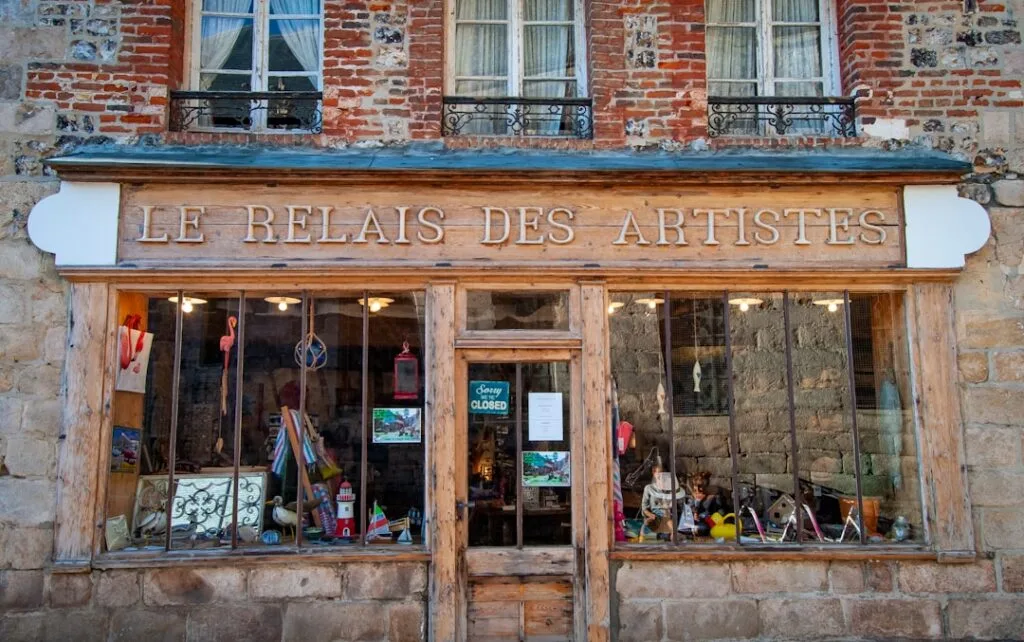






Introduction: Palermo’s Botteghe, Keepers of a Living Craft
Palermo isn’t just a city of palaces, cathedrals and bustling markets — it’s a maze of botteghe, those small artisan shops where objects and flavors that express the island’s soul are still made by hand. These botteghe aren’t mere stores: they’re working studios, places where repetitive gestures are passed from master to apprentice, where materials tell the story of an often-marginal but endlessly creative island. Wander the lanes around Via Maqueda, Via Vittorio Emanuele and the Kalsa and Albergheria neighborhoods and you’ll stumble across hidden gems: restored mosaics, hand-painted nativity figures, handmade knives, embroidered textiles, ceramics with impossible glazes, filigree jewelry, and herbs whose scents seem to come from an old grimoire.
In this guide I’ll point you to addresses, yes, but also give the story of each owner, an immersive description of the workspace, the techniques used, typical prices and opening hours. The aim is twofold: to provide practical info so you can plan visits, and to spark a curiosity that makes you step inside, talk and leave with a piece full of history. Whether you’re a collector, photographer, foodie or just a curious traveler, these botteghe offer sensory experiences — the rasp of the chisel, the smell of freshly cut wood, the crackle of a drying glaze — that don’t show up in standard guides.
I’m talking about authentic, often family-run places where the welcome is warm and bargaining is a friendly art. Prices can range from simple souvenirs (€3–10 for a small painted ceramic) to collectible pieces (€100–1,200 for a restored chest or artisan jewelry). Hours tend to be morning-focused with afternoons often reserved for work: expect many botteghe to be open roughly 9:00–13:30 and 16:00–19:30, with varying weekly closures (often Sunday or Monday morning). But each bottega has its own personality: some welcome visitors by appointment, others run short introductory workshops of two to four hours (€25–60).
A practical tip before you go: bring cash. Many artisans prefer or prioritize cash payments, especially for small purchases. If you’re planning a larger buy, ask if card is accepted. And take your time: a visit to a bottega is as much a conversation as a purchase. Ask about materials, provenance and how long a piece takes to make — you’ll leave not just with an object but with its story.
 Click here to discover Palermo on foot: markets and monuments
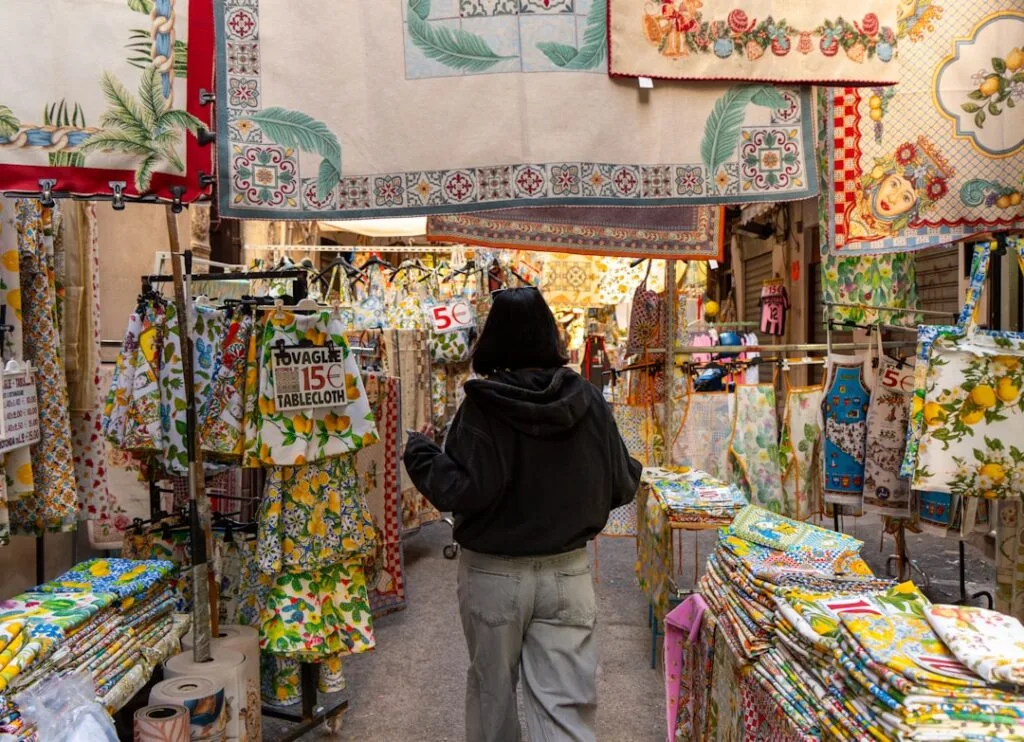
Ceramics and Earthenware Botteghe: Color, Glazes and Meaning
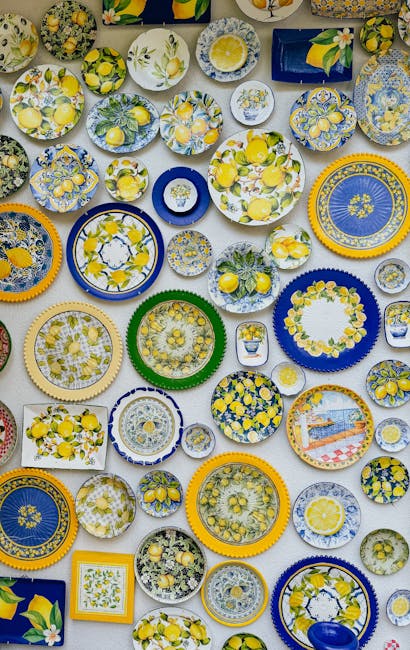
Ceramics are one of Sicily’s most visible crafts, and in Palermo workshops carry on a tradition blending Arab, Norman and Mediterranean influences. Notable addresses include Ceramiche Artistiche Florio (Via Maqueda 197, 90133 Palermo), a family-run bottega where clay is shaped on the wheel and on slabs. The studio is open Tuesday to Saturday, 9:30–13:00 and 16:00–19:30. Prices start at €8 for small hand-painted salt-cellars and can reach €450 for a large unique decorative plate. A 2-hour beginner course costs €35 per person, materials included.
Nearby, Laboratorio Ceramico di Via Vittorio Emanuele (Via Vittorio Emanuele 319, 90134 Palermo) focuses on restoration and historical replicas. The workshop is open Monday to Saturday, 10:00–13:00 and 15:30–19:00. Here you’ll see artisans restoring old azulejos and creating majolica patterns. Small decorated tiles start at €12, while custom wall panels can range from €300 to €2,000 depending on size and complexity.
Technique and details: most ateliers use local clays, a bisque firing at 980–1,050 °C followed by a second glaze firing. Traditional colors include azure, saffron yellow, olive green and deep black. Watch the decorator’s brush: the stroke is precise, almost calligraphic, and every motif carries symbolism — the mezza luna (half-moon) from the Arab era, Norman checkerboard patterns, or designs inspired by bergamot and other citrus.
Practical tips: wrap fragile pieces in clothing for travel and ask for a wooden crate for large items (extra cost roughly €10–30 depending on size). If you’re a photographer, ask permission before taking close-ups: some artisans request a symbolic image fee of €5–15 if photos are used commercially.
Click here to join a pottery painting workshop
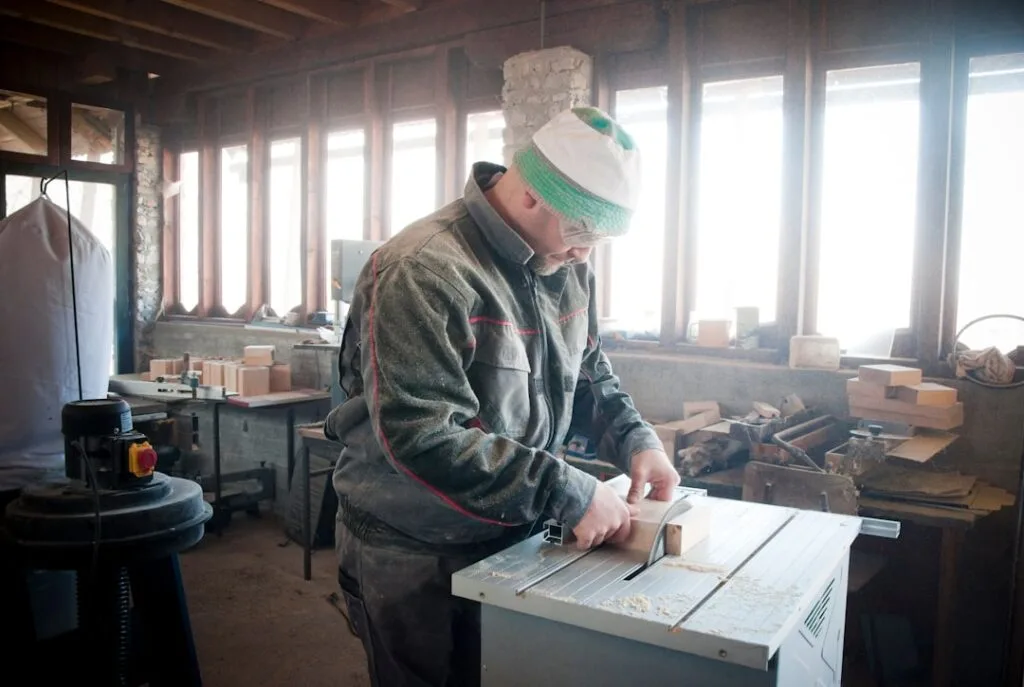
Woodworking and Cabinetmaking Botteghe: Sawdust, Smell of Wood and Custom Furniture
In Palermo’s cabinetmaking shops, wood tells time. Among the historic workshops, Falegnameria Russo (Via Giuseppe Garibaldi 47, 90100 Palermo) is known for restored Baroque furniture and veneers in walnut and cherry. Open Tuesday to Saturday, 8:30–12:30 and 15:30–19:00, they offer studio visits by appointment. Small items (cutting boards, frames) start at €15, while a full restoration of an antique chest can range €250–1,200 depending on condition and complexity.
Another noteworthy spot is Laboratorio del Legno di Kalsa (Via della Kalsa 12, 90133 Palermo): here the focus is on reclaiming and transforming local woods. The workshop is open 9:00–13:00 and 16:00–19:30, closed Sundays. Artisans work mostly by hand: lathes, chisels and linseed-oil finishes. They also run beginner woodturning workshops (3-hour session for €45).
Immersive description: picture walking into a bottega where light filters through a golden dust: shavings cover the floor, old tools hang on the walls and a chest sits mid-restoration, each drawer pointing to a different era. The master craftsman will tell you about local timbers — carob, pistachio, acacia — and the meticulous work of inlays and marquetry. Finishes are often done by hand, rubbed with an oil-soaked cloth to bring depth and warmth that industrial finishes can’t match.
Practical tips: for custom pieces allow several weeks lead time and expect a deposit (usually 30–50%). If you buy a heavy piece, ask if the workshop can arrange delivery (cost varies, often €40–150 depending on distance). Don’t hesitate to ask to see stages of the work: artisans love to show restoration phases and it enriches the buying experience.
Food Botteghe and Traditional Grocers: Flavors You Won’t Forget
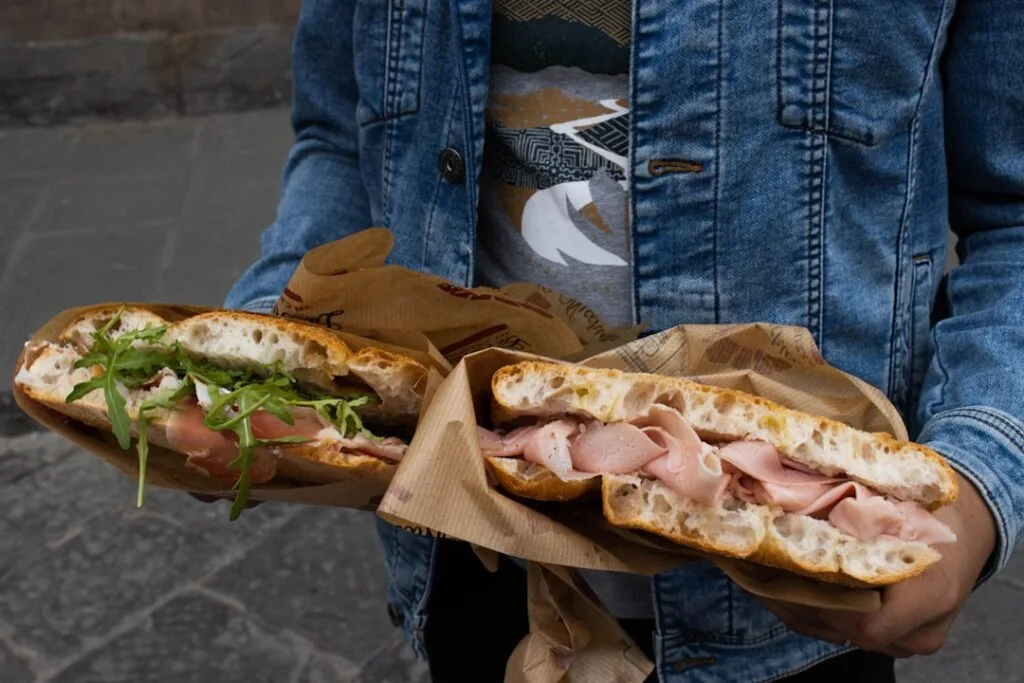
Food is at the heart of Palermo’s bottega culture. Some iconic places are worth visiting for both products and atmosphere. Antica Focacceria San Francesco (Piazza San Francesco 25, 90134 Palermo) is an institution founded in 1834, open daily 8:00–23:00. Expect specialties like panelle (€3–4), pane con la milza (spleen sandwich, €5–7) and arancini (€2.50–4 depending on size).
For dry goods and preserves, Enoteca Balistreri (Via Maqueda 180, 90134 Palermo) offers a selection of Sicilian wines, olive oils and artisan conserves. Open Monday to Saturday, 10:00–13:30 and 16:30–20:00, the wine shop sells bottles from €6 to €120, with guided tastings at €15 by reservation.
At Ballarò market (Piazza Casa Professa, 90134 Palermo), food botteghe line up under the sun. The market is lively from dawn (open daily except some Sundays, 7:00–14:00). You’ll find stalls of local cheeses (caciocavallo, €12–18/kg), freshly caught fish (prices vary by catch) and bunches of aromatic herbs sold for €1–3.
Immersive experience: step into a piccola bottega di spezie where everything is stacked from floor to ceiling: sacks of spices, jars of preserves, preserved lemons and packets of wild oregano. An owner, often elderly, will tell you how to make imbriachella (a local marinade) or Palermo-style couscous. Those conversations often matter more than the sale — you’ll leave with a recipe and a small sample.
Practical tips: taste before you buy, ask pairing suggestions (which wine with which cheese) and think about storage: fresh items need quick return travel, so prefer spices, preserves and oils to take home. For guided tastings, book at least 48 hours in advance, especially in high season.
Click here to taste specialties at the Ballarò and Vucciria markets
Jewelry, Filigree and Small Goldsmith Workshops
Palermo’s jewelry scene reveals a Sicily of gold and silver rooted in ancient filigree techniques that blend Arab and Norman traditions. One recommended spot is Orafo Salvo Messina (Via Roma 117, 90133 Palermo), an atelier-shop open Monday to Saturday, 9:30–13:00 and 16:00–19:30. Small earrings start at €25, silver pendants typically range €60–150, while solid gold or custom pieces can run from €300 up to several thousand euros.
A more low-key workshop, Filigrana di Palermo (Via Vittorio Emanuele 284, 90134 Palermo) specializes in filigree: gold leaves and silver threads assembled by hand. Open Tuesday to Saturday, 10:00–13:00 and 15:00–19:00, they offer demonstrations by appointment (free or short workshops from €10).
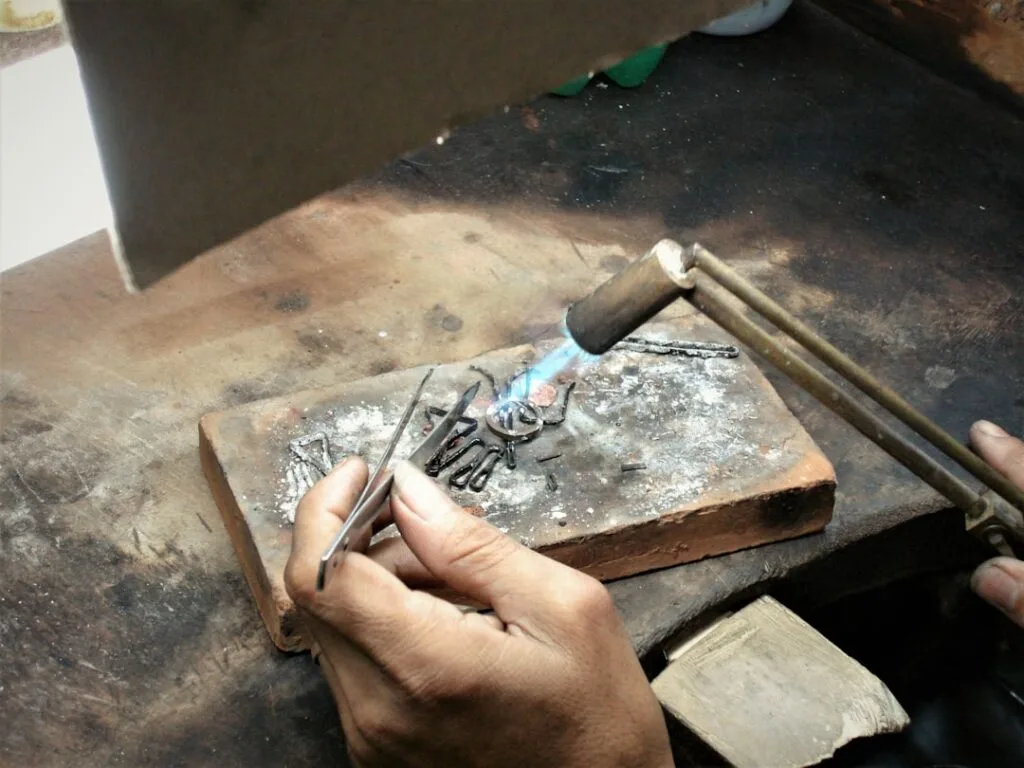
Immersive description: stepping into a jewelry bottega is entering a world of sparkle and tiny detail: a bench magnifier, a torch, a cloth strewn with pearls and half-finished pieces. The goldsmith will explain the symbolism of motifs: the Trinacria, the historical aquila (eagle), or the use of colorful murrine in contemporary rings. Serious buyers should ask for authenticity certificates and metal provenance.
Practical tips: haggle politely — bargaining is part of Sicilian market culture — but do so with respect. For custom orders allow 2–6 weeks and expect a deposit of 30–50%. Be wary of imitations: an alloy test may be requested for gold; for gemstones ask for a certificate if the price is high.
Click here to explore hidden jewels and local artisans
Conclusion: How Seeking Out Palermo’s Botteghe Changes the Way You See the City
Palermo’s botteghe are far more than shopping stops: they are memory stations, studios where the past takes shape in objects full of stories. Roaming the streets of Kalsa and Albergheria or along Via Maqueda and Via Vittorio Emanuele you’ll meet artisans who practice techniques sometimes centuries old, and who today find an international, curious clientele. These visits change how you engage with tourism: you’re no longer just consuming images, but witnessing a gesture, a tradition reawakened.
Beyond practical details — addresses, prices, opening times — the real wealth is human. Talking with a potter, cabinetmaker or goldsmith gives you keys to understand the city: patience, family transmission and creativity in the face of scarce resources. Buying an artisan piece is also a local economic boost: you support families, help apprentice training and encourage the transmission of intangible heritage. Some workshops even offer free or low-cost introductions; it’s a unique way to take home not just an object but a shared skill.
Final tips for travelers: plan visits outside the busiest market hours if you want a quieter exchange. Bring cash, a small packing kit (bubble wrap or cloth) and your curiosity — botteghe love questions. Finally, give yourself time: a street, a doorway, a face can transform your stay. Palermo’s hidden bottega treasures don’t reveal themselves at first glance; they need to be tamed with words and gestures, and they often become the most cherished memories of a trip to Sicily.