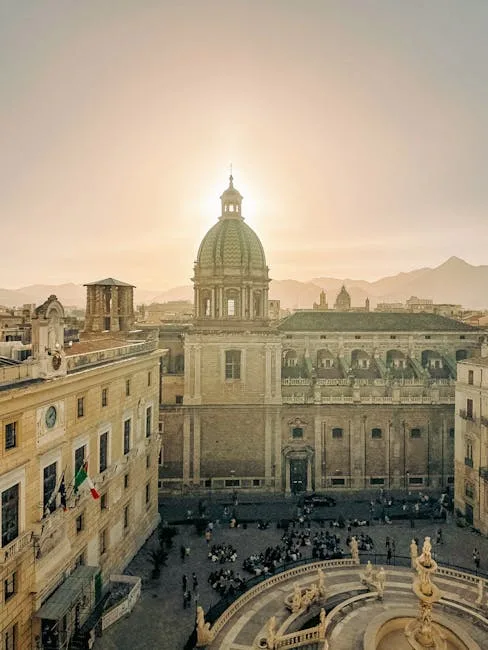





Introduction: In the Footsteps of Palermo’s Jews — a Deep Dive into the Giudecca
The Giudecca of Palermo is more than a neighborhood: it’s a living memory woven from stone, voices, smells and flavors. Nestled in the city’s historic core, the Giudecca — Palermo’s medieval Jewish quarter — bears witness to centuries of Jewish presence in Sicily, to cultural exchanges, coexistence, but also ruptures and forgettings. Walking its alleys today means following traces that are sometimes invisible, sometimes tangible: a marked stone, an old street name, place names, or a fountain that still mirrors a past era. This guide aims to offer a practical, immersive introduction: routes, exact places, addresses, opening hours, prices and local tips so you can feel, see and understand the Giudecca like a curious traveler.
We approach the Giudecca as a compact territory but also as a prism on Palermo’s history — shaped by Mediterranean, Arab, Norman and Spanish influences. Far from a frozen museum, the quarter lives and breathes: markets buzzing at dawn, artisan workshops, cafés where politics and football are debated passionately, weathered façades where bougainvillea climb. The Jewish traces are visible in street names, in the proximity of the old market squares (like Mercato del Capo and Mercato di Ballarò), and in a handful of rehabilitated buildings or memories kept alive by the community.
This guide is written for the curious visitor who wants to take their time: it offers walking routes, must-see spots and lesser-known corners, plus practical information — exact addresses, opening hours and prices — so your discovery is relaxed and rewarding. You’ll also find local tips: the best times to shoot photos, which markets are great for sampling Sicilian reinterpretations of Jewish specialties, safety and etiquette tips, and ideas for extending your visit to nearby museums.
Whether you’re a history hunter, foodie, photographer or simply a traveler in search of atmosphere, this route invites close reading: to walk the Giudecca is to let the city tell you its many-layered story. Lace up your shoes, bring your camera and pack your curiosity: Palermo’s Giudecca is best discovered at the pace of lingering. 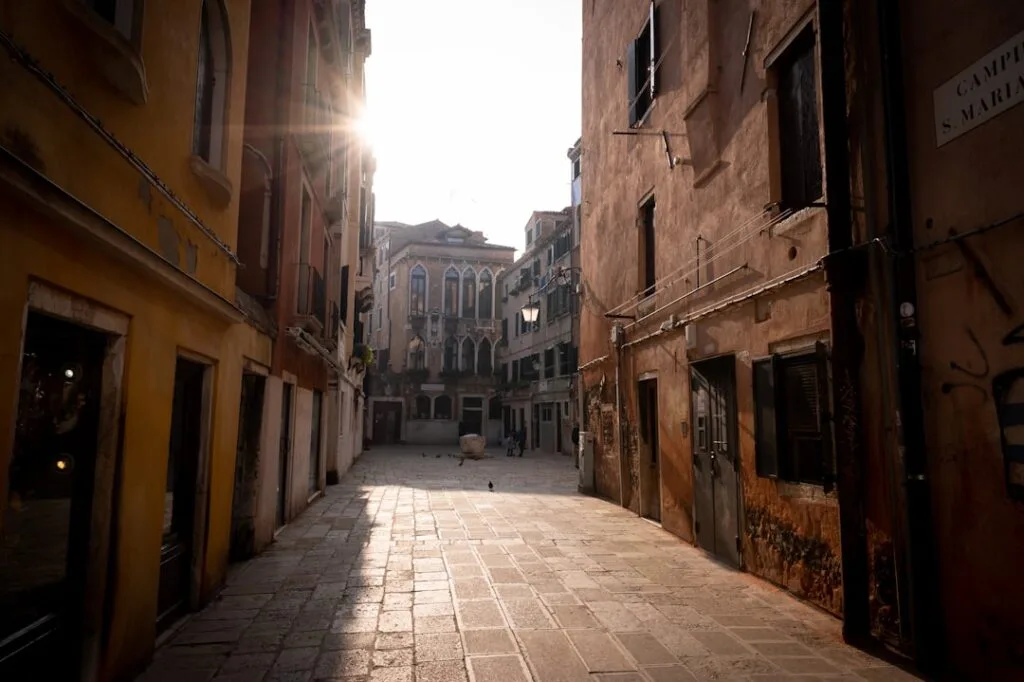
1) Entering the Giudecca: routes and first orientation (Ballarò, Capo, Via Giudecca)
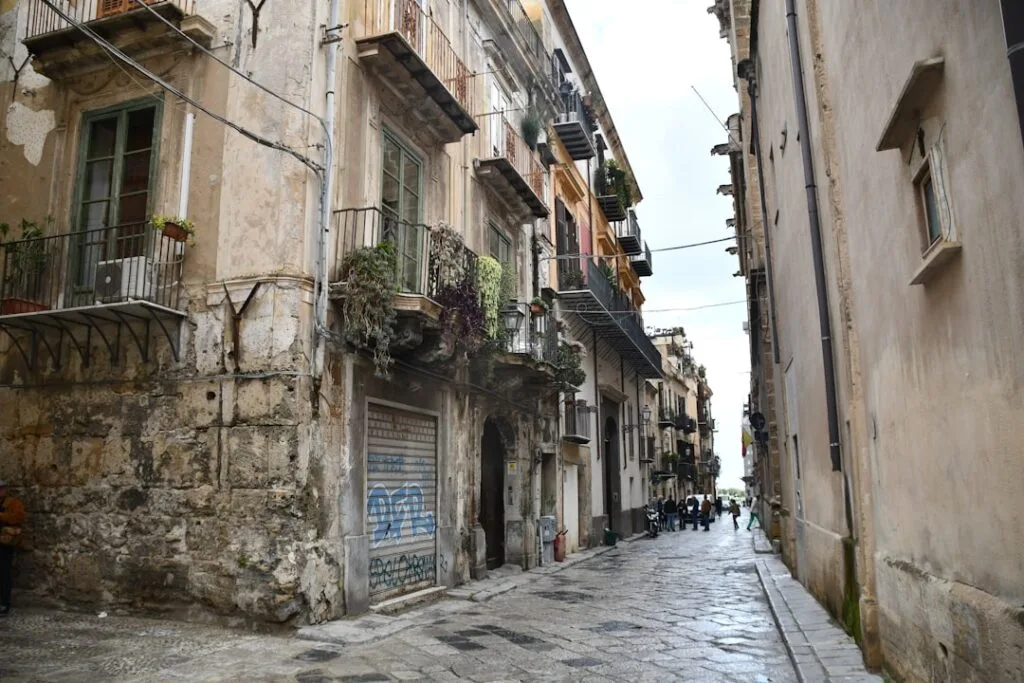
To step into the world of the Giudecca you first need to locate its historic boundaries. The area sits between the bustling markets of Ballarò and Il Capo, Piazza della Kalsa and the edges of Via Maqueda. A good starting point is Via Giudecca, which still preserves walls and façades that echo the past in some stretches. Practical address: Via Giudecca, 90134 Palermo. This street is the neighborhood’s sensory backbone: uneven cobbles, low doors, stairways leading to small terraces dotted with potted plants.
Arrive early in the morning to catch the markets coming to life. The Mercato di Ballarò (Piazza Carmine, 90134 Palermo) starts buzzing from 7:00 and stays lively until around 13:00; the atmosphere is unique for checking out stalls, smelling spices and listening to vendors who — in former times — served a mixed clientele in which Jews played an important role in trade. Entry to the market is free. Best photographic hours are between 8:00 and 10:00, when light filters down the alleys and crowds are still manageable. 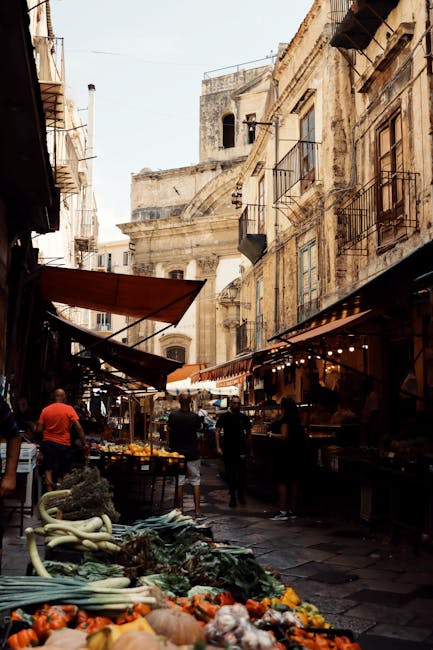
Heading south, you reach the Mercato del Capo (Piazza Beati Paoli, 90134 Palermo), another vibrant slice of the city, open from 8:00 to 14:00 and often animated in the evenings by small street food stalls. Il Capo offers similar products but a different vibe, more focused on fresh seafood and local cured meats. Practical tip: wear closed shoes and keep valuables secure — the markets are generally safe but very busy. 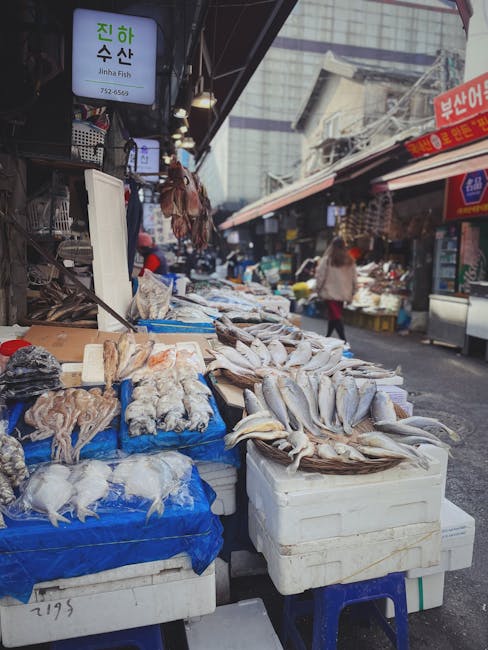
Navigation tips: bring a paper map or download an offline map covering Ballarò/Capo/Kalsa; carry a water bottle and a hat and be mindful of rising summer temperatures (July–August). For an introductory guided tour, several local companies offer “Giudecca and Old Markets” walking tours starting from around 15 € per person (booking recommended). Guided tours typically last 2–3 hours and run from 9:00 to 12:00 or 16:00 to 19:00. 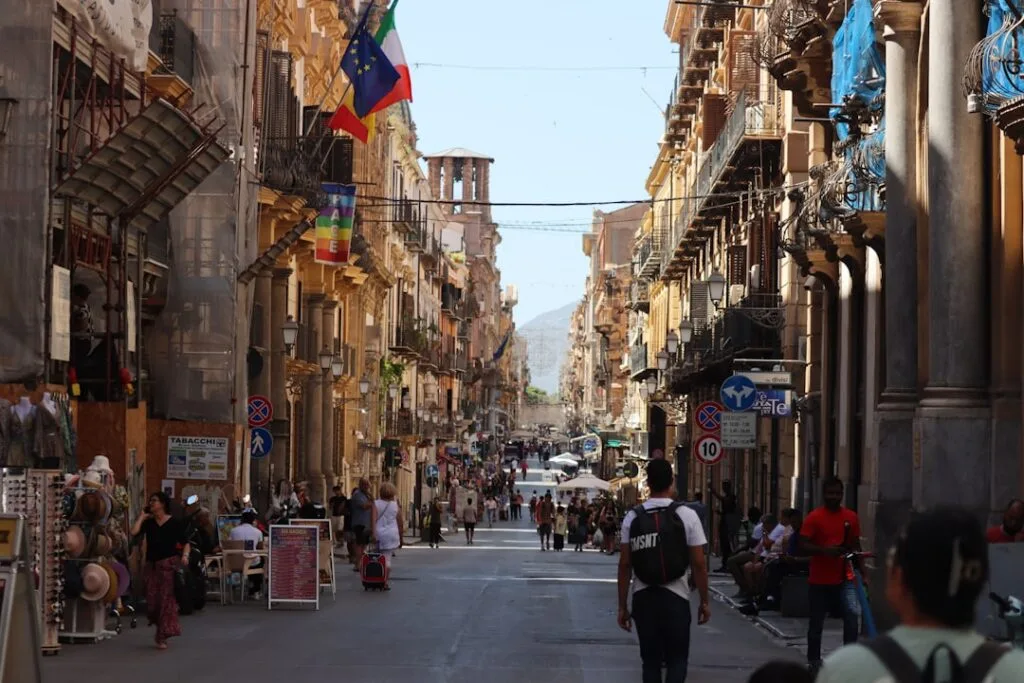
2) Historical sites and remnants: what’s left of the Jewish community
The physical remains of Palermo’s Jewish community are discreet but meaningful. One key feature is toponymy: streets like Via degli Emiri or certain square names hint at a time of great diversity. Look for clues: a commemorative plaque, a window opening onto an inner courtyard, or an arch that might conceal an old mikveh (ritual bath) that’s been repurposed. These details are easier to interpret with a local guide specialized in Sicilian Jewish history. A recommended route includes exploring the little courtyards behind Via dei Cassari (near Via Vittorio Emanuele), where several houses incorporate reused medieval stones.
An important stop is the Chiesa di Santa Maria della Catena (Piazza Dogana, 90133 Palermo) — located just outside the historic core, it recalls the neighborhood’s religious and urban transformations; address: Piazza Dogana, 90133 Palermo. Typically open from 9:00 to 18:00, free entry; opening hours may vary during religious services. The church and its surroundings preserve layered occupations that shaped the urban fabric. 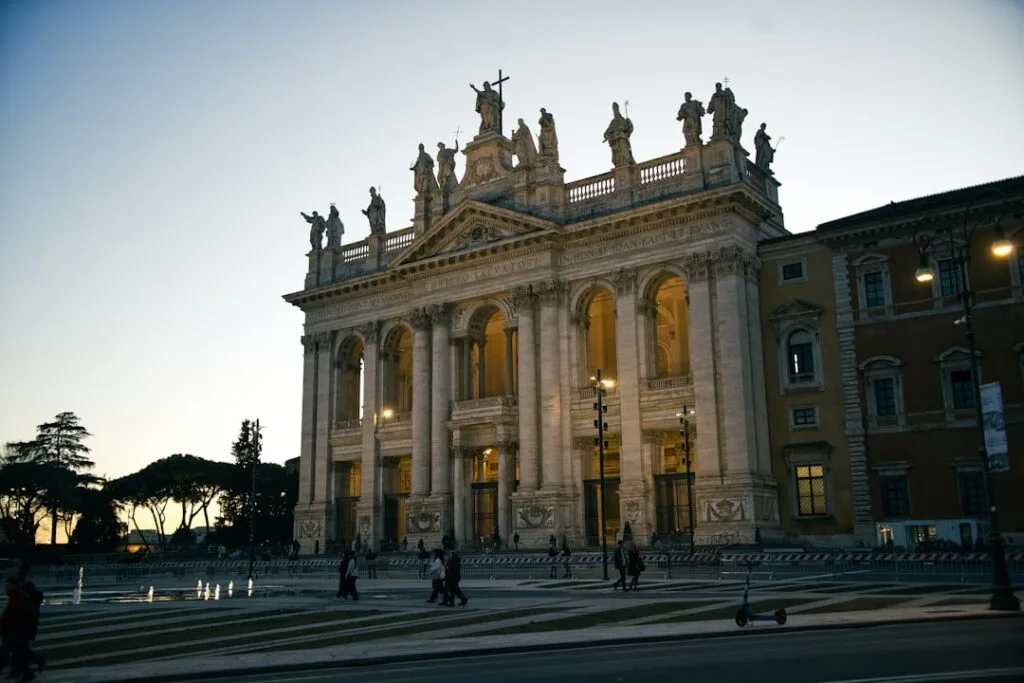
Museums and memorials: Palermo doesn’t have a large centralized Jewish museum like some cities, but temporary exhibitions often appear at Palazzo Sant’Elia (Via Maqueda, 100) and in rooms of Palazzo Abatellis (Piazza Bellini, 1), which sometimes host talks and displays on Sicilian Jewish history. Check current programming; museums are generally open from 9:00 to 19:00; prices vary: Palazzo Abatellis entry is around 8 € full price, with concessions available. 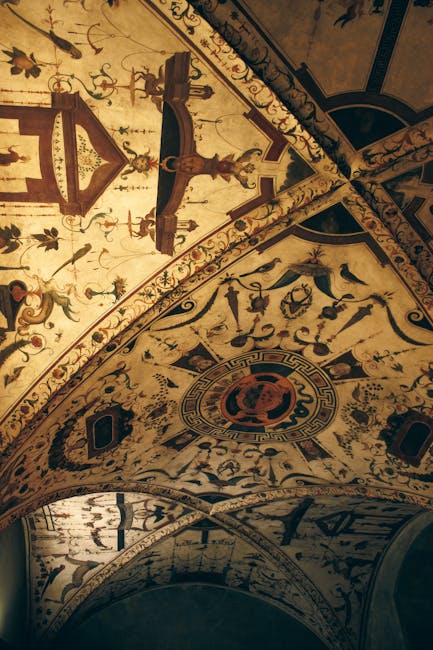
Practical tips for historical visits: respect the privacy of private spaces, ask permission before photographing inner courtyards and homes, and take time to read plaques and epigraphic clues. For a more documented immersion, pick up a local history guide (often available at bookstores on Via Maqueda or at tourist offices). Local guides (French/English/Italian) typically charge €20–40 per hour depending on their specialization. 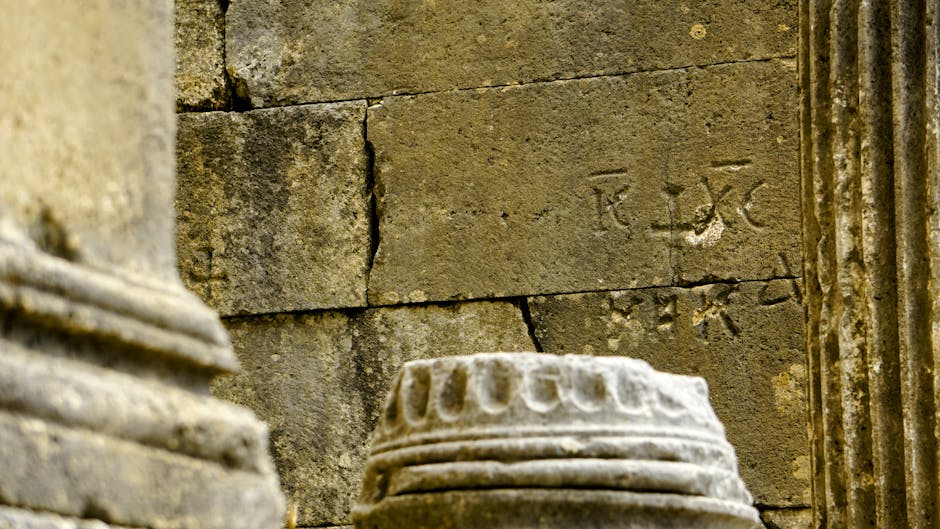
3) Strolling among markets, workshops and reimagined synagogues
Today the Giudecca is also experienced through its markets, artisans and a few repurposed places of worship. While the historic synagogue no longer exists as a central communal building, religious memory is maintained through meeting spaces and occasional commemorative projects. Nearby you can visit the Tempio della Pace or attend talks at the Centro Studi Ebraici di Palermo — check ahead for schedules; events often take place in the evenings between 18:00 and 21:00, with entry ranging from free to 5–10 € depending on the event.
Artisan workshops offer another lively face of the quarter. On Via dei Cassari and Via Torremuzza, several master ceramists, cabinetmakers and metalworkers keep age-old crafts alive. Many accept visits by appointment: most are open 9:00–13:00 then 16:00–19:00. Prices for artisan purchases range from around 10 € for a small ceramic souvenir to 200–500 € for collector pieces. These shops are great places to chat with locals and better understand the cultural hybridity of the neighborhood. 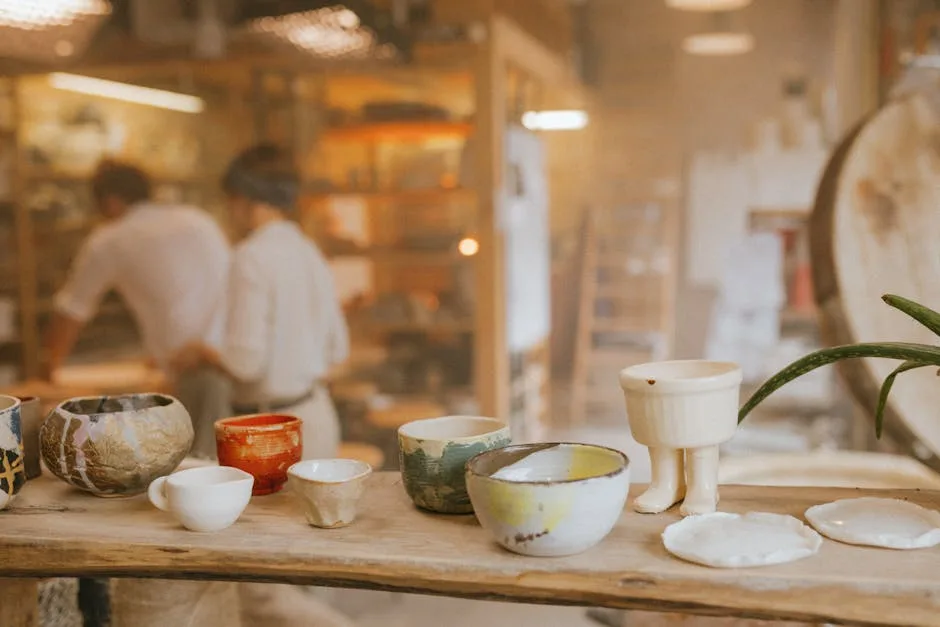
For food, the Giudecca is best experienced at the markets and in a few family-run trattorie. Don’t miss trying pane con la milza (a spleen sandwich) at Il Capo or arancine at Ballarò — indicative price: €2–4 each. For a drink, stop at a classic bar like Bar Sicilia (approximate area: Via del Vespro) for a tight Sicilian espresso costing around €1–1.50. Tip: eat lightly at the market to save room for a sit-down trattoria dinner (book between 19:30 and 21:00). 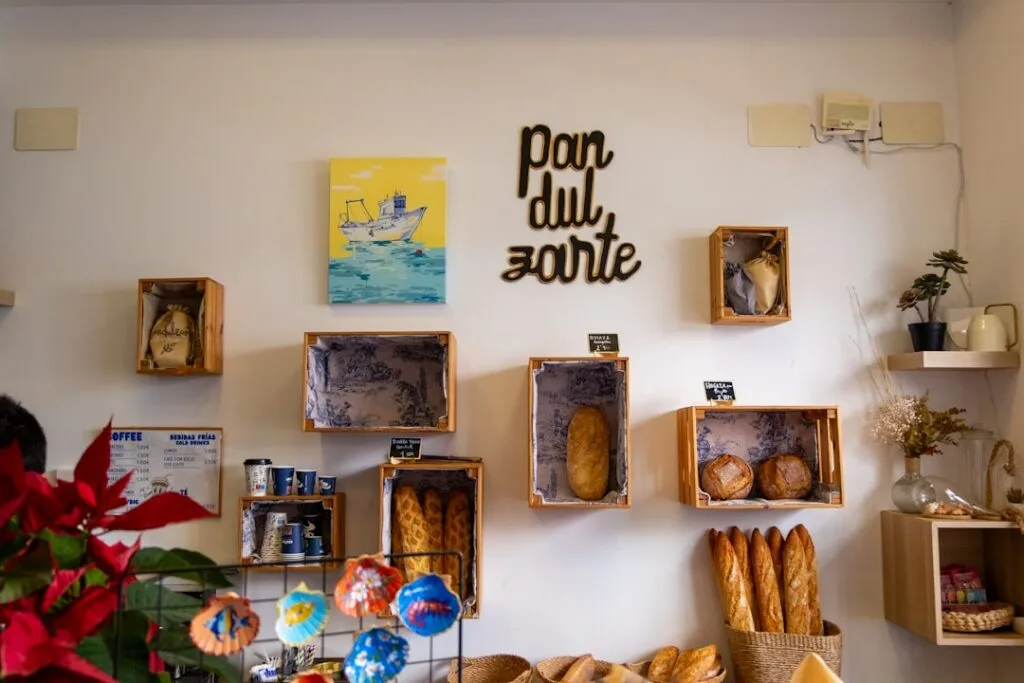
Photographers and architecture lovers: aim for late afternoon (17:00–19:30) for soft light on whitewashed walls and colorful shutters. Respect private life scenes and avoid flash in family interiors. If you want interior shots of workshops, always ask permission; often a small purchase (€10–20) will grant you freedom to photograph and open a conversation. 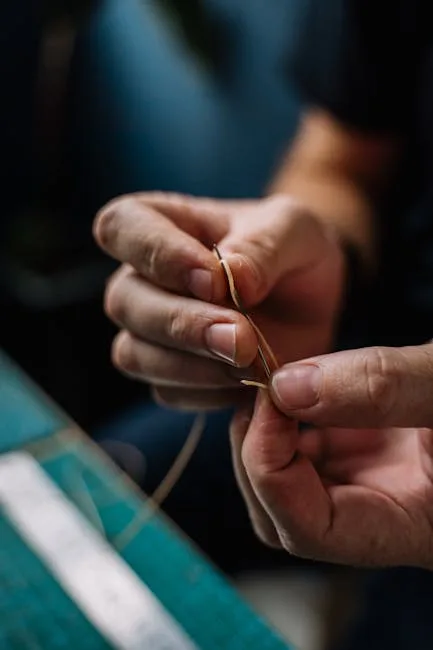
4) Themed routes and practical tips for a successful visit
To make the most of your day in the Giudecca, here are three themed routes, each geared to a different interest: history, photography and flavors. History route (3 hours): start at Via Giudecca (9:00), pass through Mercato di Ballarò (Piazza Carmine), take a guided walk around Via dei Cassari and stop at Chiesa di Santa Maria della Catena (Piazza Dogana). Estimated cost: guide €25 + transport if needed. Photography route (2–3 hours): begin at golden hour and confine your walk between Via Giudecca and Piazza Kalsa; highlights: façades, inner courtyards, market stalls; free access, costs limited to purchases. Flavors route (2–4 hours): street-food tasting at Ballarò, cannoli and granita at a historic pastry shop, and a meal in a local trattoria (budget €20–35 per person). 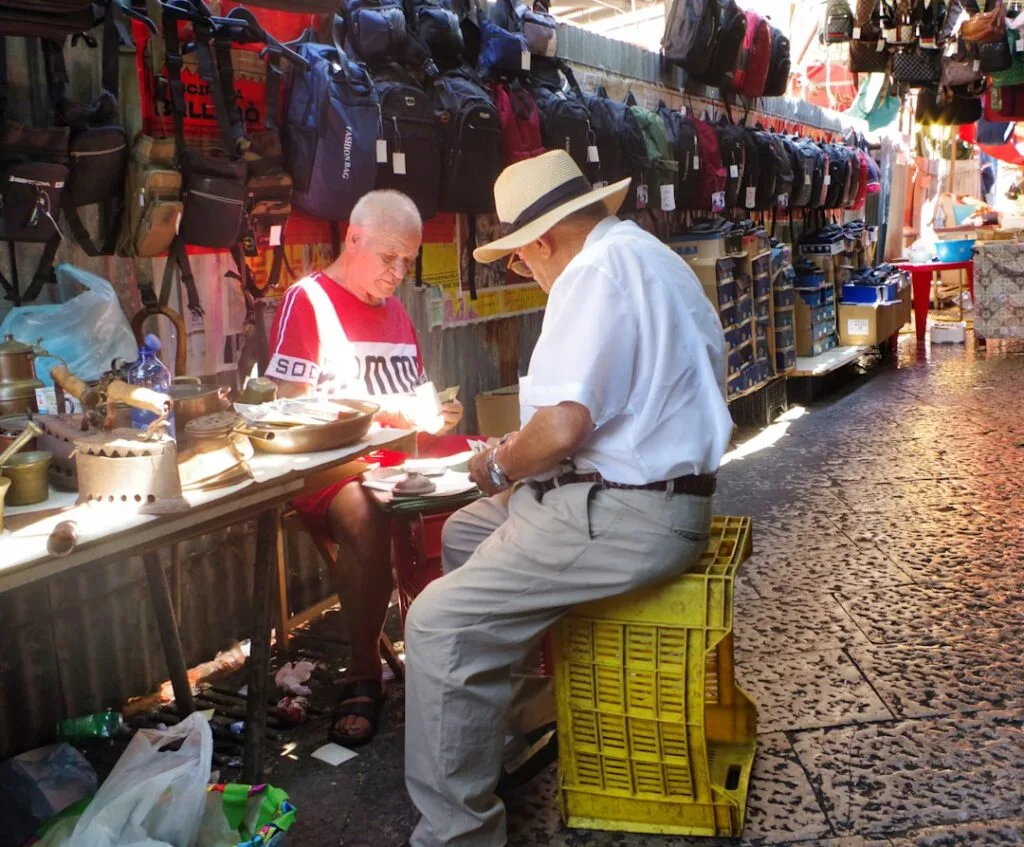
Safety and etiquette tips: the Giudecca is an authentic urban neighborhood — avoid flashy jewelry, keep your bags in front of you in markets and prefer zipped pouches. Show respect in places of worship: dress modestly, don’t use flash, and maintain silence during services. Walking is the best way to get around; many streets are pedestrianised or extremely narrow. Taxis from the center typically cost €8–12 depending on distance; for a transfer from Falcone-Borsellino Airport (Punta Raisi) expect around €40–50 (about 40–50 minutes depending on traffic). 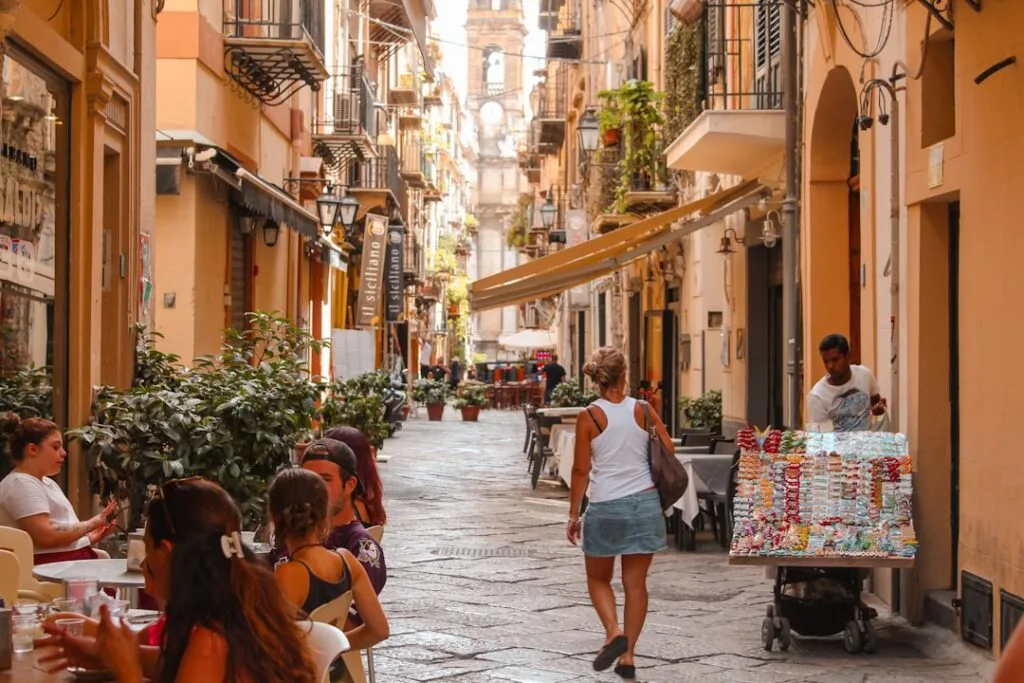
Additional practical info: tourist offices — Ufficio Turistico Palermo, Piazza Politeama 1, 90138 Palermo; usually open 9:00–18:00 with free information and maps. Pharmacies and services: many around Via Maqueda and Corso Vittorio Emanuele, often open until 20:00; night emergency pharmacies are indicated on shop windows. Currency and payments: most shops accept cards, but markets prefer cash — carry €10 and €20 notes. For specialized guided tours (Jewish history) book at least 48 hours in advance, especially in high season (April–October). 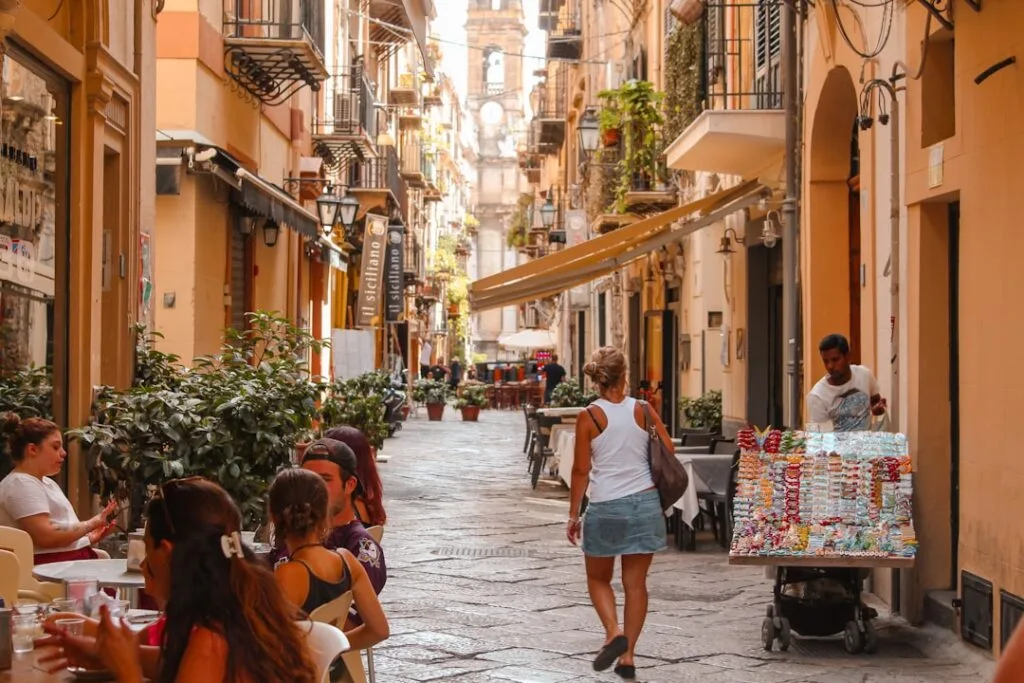
Resources and useful contacts
- Ufficio Informazioni Turistiche Palermo — Piazza Politeama, 1, 90138 Palermo — Hours: 9:00–18:00 — Free
- Mercato di Ballarò — Piazza Carmine, 90134 Palermo — Hours: 7:00–13:00 — Free entry
- Palazzo Abatellis — Piazza Bellini, 1, 90133 Palermo — Hours: 9:00–19:00 — Entry approx. €8
- Local guides (examples): « Palermo Walks » — Giudecca & Markets tours — from €15 per person, online booking recommended.
Conclusion: preserving memory, extending the visit
Palermo’s Giudecca is a place where past and present converse intimately. Following the traces of the Jews who lived, traded and shaped this quarter invites visitors to move beyond mere tourist curiosity toward a deeper understanding of the city. Stones tell stories, certainly, but they also provide occasions to meet residents, taste local dishes, listen to personal stories and take part in cultural initiatives. Jewish memory is preserved in place names, in urban layout and sometimes in the voices of guides and researchers who continue to bring forgotten archives and narratives to light. 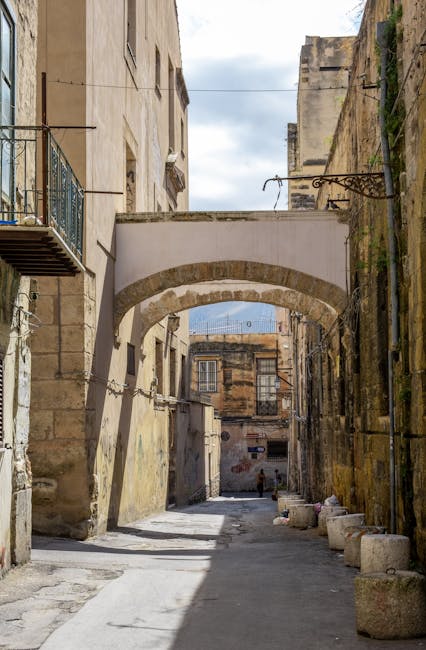
To extend your visit: look up local publications on Jewish history in Sicily, visit municipal archives (Archivio Storico Comunale di Palermo, Via Maqueda area — inquire about access procedures) and attend talks occasionally organized by study centers. Engaging with local memory requires patience: take an in-depth guided tour, talk with museum curators or cultural associations and you’ll gain keys that façades alone cannot provide.
 Click here to book the Palatine Chapel and Palace tour
Click here to book a walking tour of monuments and markets
Finally, remember the Giudecca is a lived neighborhood. Respect local habits, support the artisans and shops that keep daily life going, and adopt a listening attitude. The best way to honor Palermo’s Jewish memory is to help the quarter live on — by exploring it with attention, sensitivity and curiosity — and by contributing, in your small way, to the conservation and transmission of this layered history. Safe travels and enjoy discovering Palermo’s Giudecca.